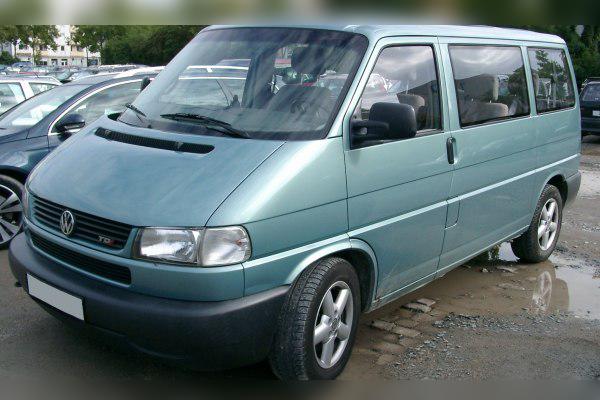
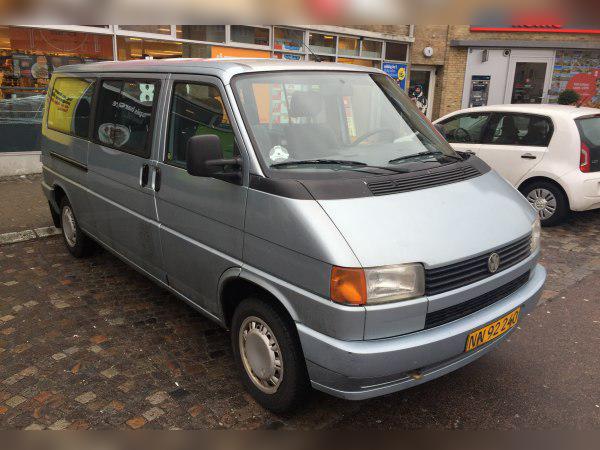
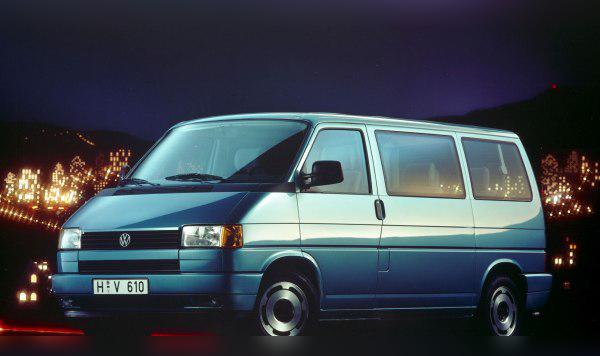
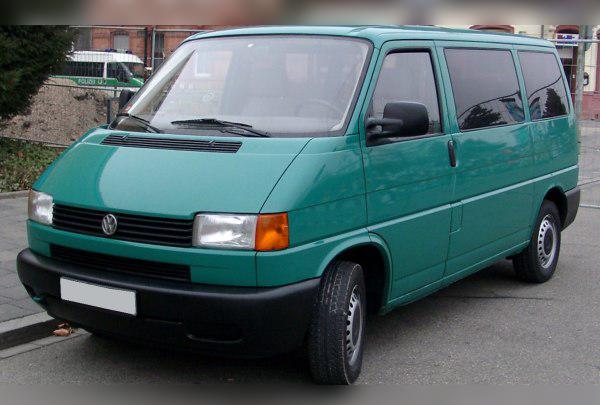
Volkswagen 1.9 TD ABL (68 HP) – Experiences, problems, fuel consumption and used-buying tips
1. The most important in short (TL;DR)
- No electronics, no worries: Pure mechanics, indirect injection, engine tolerant of lower-quality fuel.
- No dual-mass flywheel or DPF: Maintenance costs are extremely low compared to modern diesels.
- Achilles’ heel: The crankshaft pulley is the weakest point; if the woodruff key gets damaged, the timing jumps and the engine is destroyed.
- Extremely sluggish: With 50 kW (68 HP) in a heavy T4 body, don’t expect any real acceleration.
- Not for the motorway: At 130 km/h the engine revs high, is noisy and consumes too much fuel.
- Maintenance: Timing belt is changed every 60,000 km, injectors and turbo are extremely durable.
2. Contents
- 3. Introduction
- 4. Technical specifications
- 5. Reliability and maintenance
- 6. Specific parts (Costs)
- 7. Fuel consumption and performance
- 8. Additional options and modifications
- 9. Gearbox
- 10. Buying used and conclusion
3. Introduction
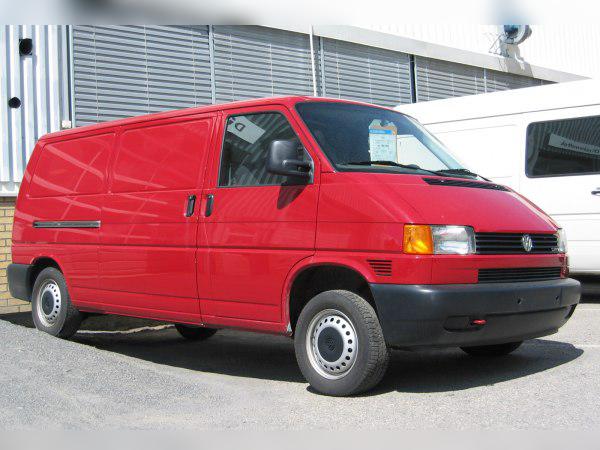
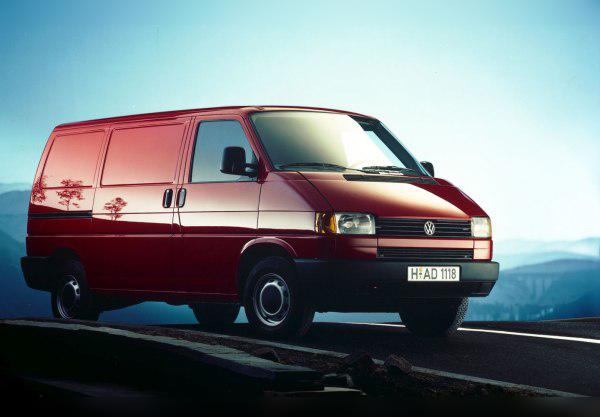
When we mention Volkswagen’s T4 generation of vans (Transporter, Caravelle), many people first think of legendary durability. The engine code ABL, with a displacement of 1.9 litres and a modest 50 kW (68 HP), represents the “old school” of diesel technology. This engine uses an indirect injection system with pre-chambers (the so-called IDI engine), which places it in the era before the famous TDI units. It was installed in various versions of the T4 chassis (L1H1, L2H2), both before and after the 1996 facelift. Although incredibly slow by today’s standards, its simplicity and robustness make it a favourite choice for workhorses and local delivery vehicles where speed is not crucial, but reliability and cheap maintenance are.
4. Technical specifications
| Parameter | Specification |
|---|---|
| Displacement | 1896 cc |
| Power | 50 kW (68 HP) |
| Torque | 140 Nm |
| Engine code | ABL |
| Injection type | Indirect injection (pre-chamber, mechanical Bosch VE pump) |
| Charging | Turbocharger (without intercooler) |
5. Reliability and maintenance
Belt or chain?
The ABL engine uses a timing belt to transfer power from the crankshaft to the camshaft and Bosch pump. There is no chain. This requires regular monitoring and strict adherence to service intervals.
Most common failures and symptoms
Although the mechanical side is almost indestructible, the ABL engine has one well-known systemic flaw – the crankshaft pulley (crank nose). Due to a design weakness, the woodruff key slot on the crankshaft develops play over time. Symptoms the driver may notice are rough idle, harder cold starts, white smoke, and a characteristic “slapping” or wobbling of the auxiliary belt pulley when watching the engine running. If this is ignored, the belt jumps teeth, the valves hit the pistons and the engine suffers total failure.
Also, under heavy loads and overheating (over 100 °C), the cylinder head can crack between the valves and around the pre-chambers, which leads to oil and coolant mixing or loss of coolant.
Service intervals and oil
The major service on this engine must be done every 60,000 km. It is not recommended to stretch this interval because of the aforementioned load on the crankshaft pulley. During every major service, a good mechanic will always check the crank nose and replace the pulley’s central bolt.
As for lubrication, the engine takes exactly 4.5 litres of oil (with filter). Semi-synthetic oil with a viscosity of 10W-40 has proven to work best, and for very worn engines in warmer climates 15W-40 is also recommended. Do the minor service every 10,000 km.
Oil consumption
By design and age, this engine consumes oil between services. Considering the mileage most of these vans have covered, anything up to 0.5 l/1000 km is considered normal. The reason is worn piston rings and leaks on the oil seals, so regularly checking the dipstick once a week is a must.
Injector durability
The injection system is completely mechanical. The mechanical injectors on the ABL engine last extremely long, often over 300,000 to 400,000 km without any issues. When they start to fail, the symptoms are black smoke under throttle and a rougher, louder engine sound (“nailing”). Overhauling is very affordable – only the injector nozzles are replaced by a Bosch specialist, and the whole process is many times cheaper compared to modern common-rail injectors.
6. Specific parts (Costs)
Flywheel and clutch
Good news for your wallet: the VW 1.9 TD ABL does not have a dual-mass flywheel. It uses a classic, solid flywheel. The clutch only fails due to overloading the van, and the clutch kit itself (pressure plate, disc, release bearing) is very affordable, typically ranging from 100 to 180 EUR (depending on the market).
Injection system and turbocharger
Instead of sensitive electronics, there is a mechanical Bosch VE rotary pump. It is very reliable, but over time the seals can fail and the pump starts to “weep” diesel. Resealing the pump solves the problem and is not too expensive.
The turbocharger is an old wastegate type, without variable geometry. Its service life is extremely long if the oil is changed regularly. When it starts to fail, the engine loses what little power it has, and a larger amount of engine oil appears in the intake and intercooler area (the ABL does not have a factory intercooler, but in the intake hoses), accompanied by bluish smoke from the exhaust.
DPF, EGR and AdBlue
Forget modern eco-problems! The ABL engine meets Euro 1/Euro 2 standards, so it has no DPF filter and no AdBlue system. It has a very primitive EGR valve that occasionally clogs with soot, but drivers usually solve this by physically blocking (“blanking off”) the valve with a piece of metal, a practice often recommended by mechanics for better engine “breathing”.
7. Fuel consumption and performance
Real-world fuel consumption
It’s a myth that old diesels run on fumes. Since you have to work the engine quite hard to move the heavy Transporter or Caravelle body (especially the extended L2H2 versions), real-world fuel consumption in city driving is around 8.5 to 10 l/100 km. On open roads (single carriageway), it can drop to about 7 l/100 km when empty.
Performance and “sluggishness”
With only 140 Nm of torque and 68 HP, this engine is extremely sluggish. Overtaking on single carriageways with a fully loaded van has to be planned well in advance. Uphill sections on regional roads often require dropping into third, or even second gear, especially if the vehicle is loaded.
On the motorway
The ABL engine was designed for local use. At a speed of 130 km/h, due to the short gearbox ratios, the rev counter approaches 4000 rpm. The engine becomes unbearably loud, fuel consumption rises above 10 l/100 km, and oil temperature also increases. The ideal cruising speed for this engine on the motorway is a relaxed 90 to 100 km/h.
8. Additional options and modifications
Can it be chipped?
The short answer: No. The ABL engine has no ECU (engine control unit) to control injection, so a classic “Stage 1” software remap via the OBD connector is not possible.
However, power can be increased with mechanical modifications – a Bosch specialist can physically increase fuelling on the pump (the so-called “Giles mod” or governor modification) and slightly raise the turbo pressure. But since the engine has no intercooler, any power increase drastically raises intake air and exhaust gas temperatures, which quickly leads to overheating and cracking of the cylinder head. Therefore, tuning this engine is not recommended.
9. Gearbox
Types of gearboxes and common failures
This engine was factory paired with a durable 5-speed manual gearbox (most commonly code 02B). Automatic gearboxes in combination with the 1.9 TD practically do not exist (they were mostly reserved for the more powerful 2.5 TDI versions, and even there they are problematic).
The most common failures of the manual gearbox are worn 5th gear synchro (popping out of gear when applying or lifting off the throttle). Also, due to age, the plastic bushings and linkage rods of the gear selector mechanism under the bonnet wear out, which makes the gear lever in the cabin feel sloppy “like dough”, and engaging first gear becomes a nightmare.
Gearbox service
The gearbox is not “maintenance-free”. It is recommended to change the gearbox oil every 60,000 to 80,000 km. Fully synthetic 75W-90 gear oil is used, and the capacity is usually around 2.5 litres.
10. Buying used and conclusion
What to check before buying?
Since these vans are over two decades old and have covered astronomical mileages, (computer) diagnostics will not help you much. So focus purely on the mechanical side:
- Crankshaft play: The most important thing! Ask someone to start the engine while you watch the large auxiliary belt pulley from below. If you notice that the pulley wobbles, runs out of true, or you hear knocking at idle, the crank nose is damaged. This is an expensive repair (depending on the market, but it requires removing and machining the crankshaft).
- Smoke on cold start: At the first start of the day, watch the exhaust. A little smoke is normal, but clouds of thick white or blue smoke mean poor compression, worn piston rings or a problem with the Bosch pump.
- Coolant hoses: If the hoses are rock hard while the engine is running, the engine is pressurising the cooling system (cracked cylinder head or head gasket).
- Gear selector: Feel all gear changes, especially engaging 1st and 2nd gear, and check whether it pops out of 5th under load.
Conclusion
Who is the Volkswagen Transporter / Caravelle with the 1.9 TD ABL engine intended for? It is definitely not for drivers who regularly travel long distances on the motorway or haul heavy loads uphill.
This is the ultimate workhorse for local jobs, markets and city tradespeople. If you find an example whose crankshaft is not damaged and which has not been overheated, you will get a van that can be maintained for the price of basic hand tools, that tolerates harsh working conditions and that, despite its slowness, will always get the job done.