Volkswagen 1.6 AEE (75 HP) engine: Experiences, issues, fuel consumption and buying used
- Exceptional durability: Old-school mechanics, capable of serious mileage with minimal maintenance.
- Cheap to maintain: No dual-mass flywheel, turbocharger or expensive injectors. Parts are affordable.
- Ideal for LPG: Runs on autogas without any valve-related issues.
- Performance: The engine is sluggish, especially in heavier cars like the Škoda Octavia.
- Main drawbacks: Sensitive throttle body (fluctuating revs) and ignition system issues (coil, distributor).
- Fuel consumption: Quite high in city driving by today’s standards.
Contents
- Introduction: About the engine and its applications
- Technical specifications
- Reliability and maintenance
- Specific parts and costs
- Fuel consumption and performance
- Additional options and modifications
- Gearbox and drivetrain
- Buying used and conclusion
Introduction: About the engine and its applications
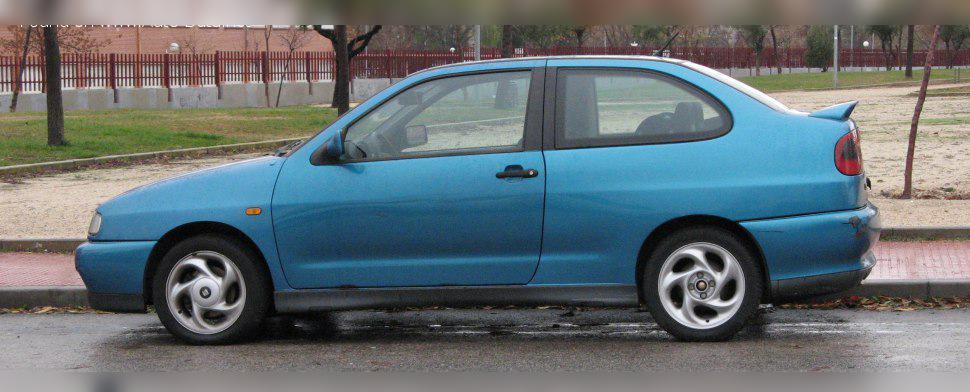
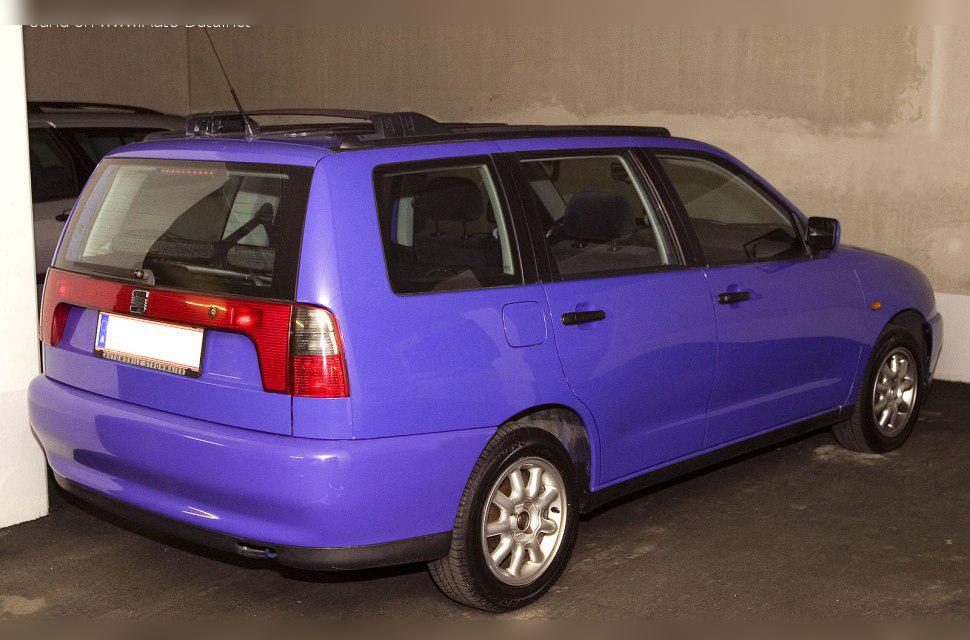
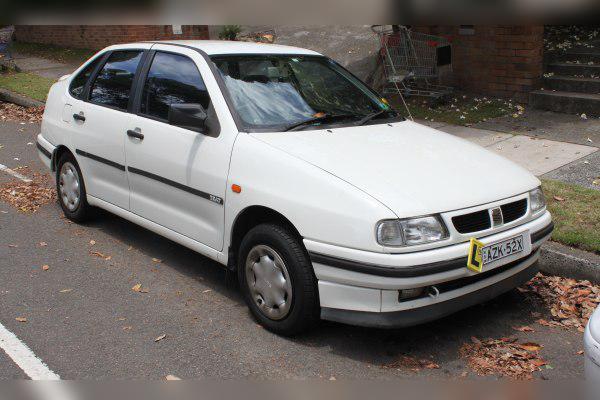
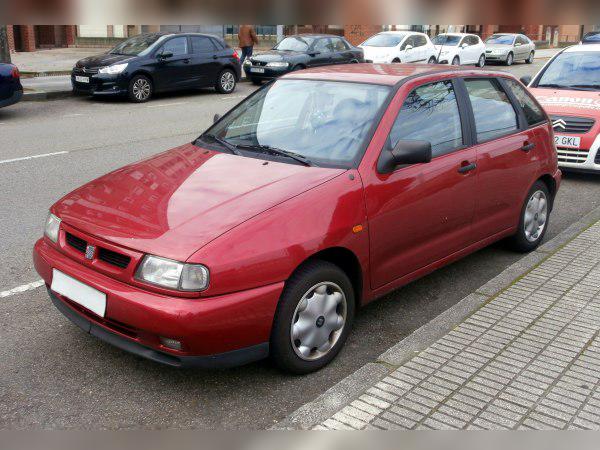
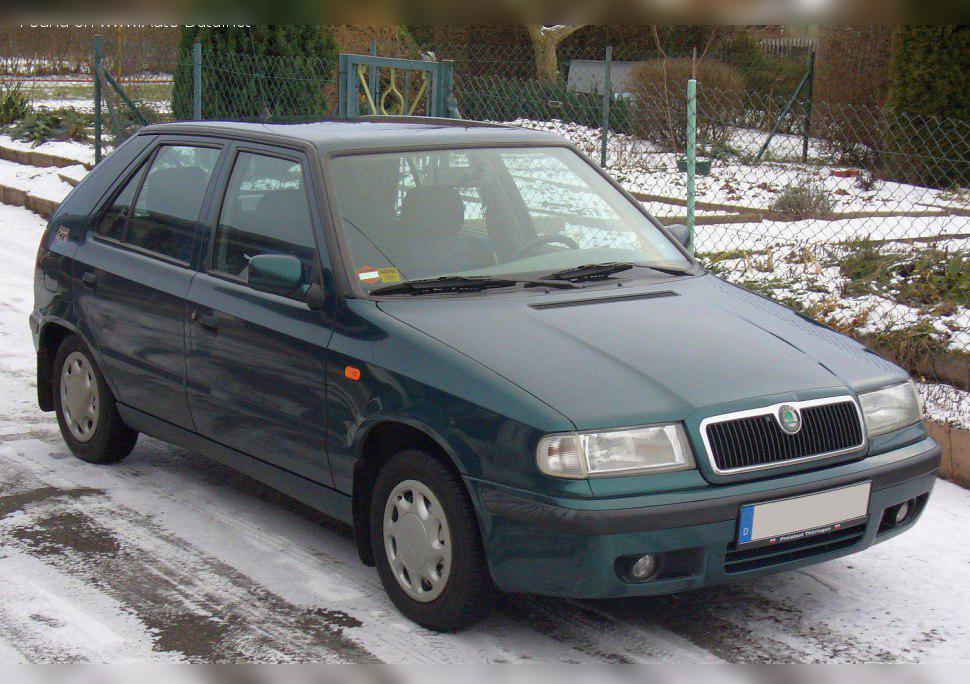
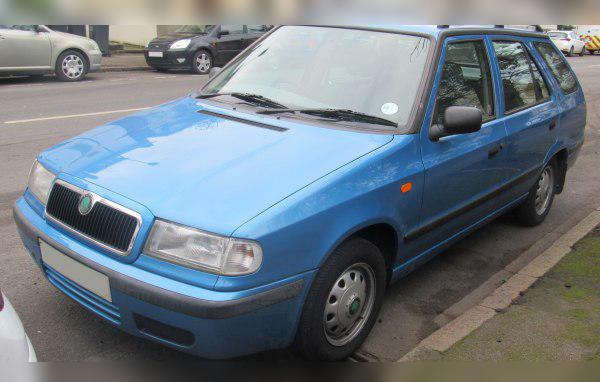
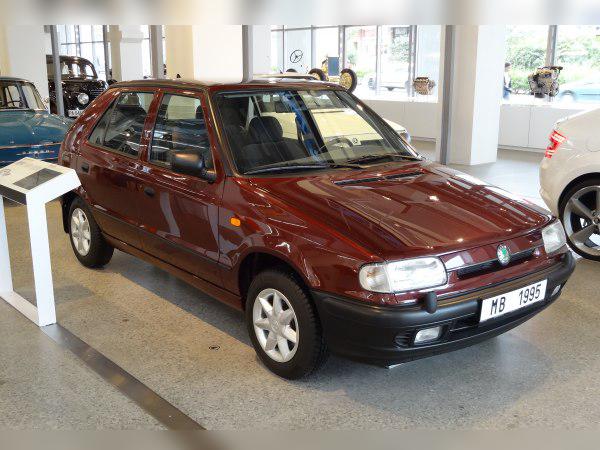
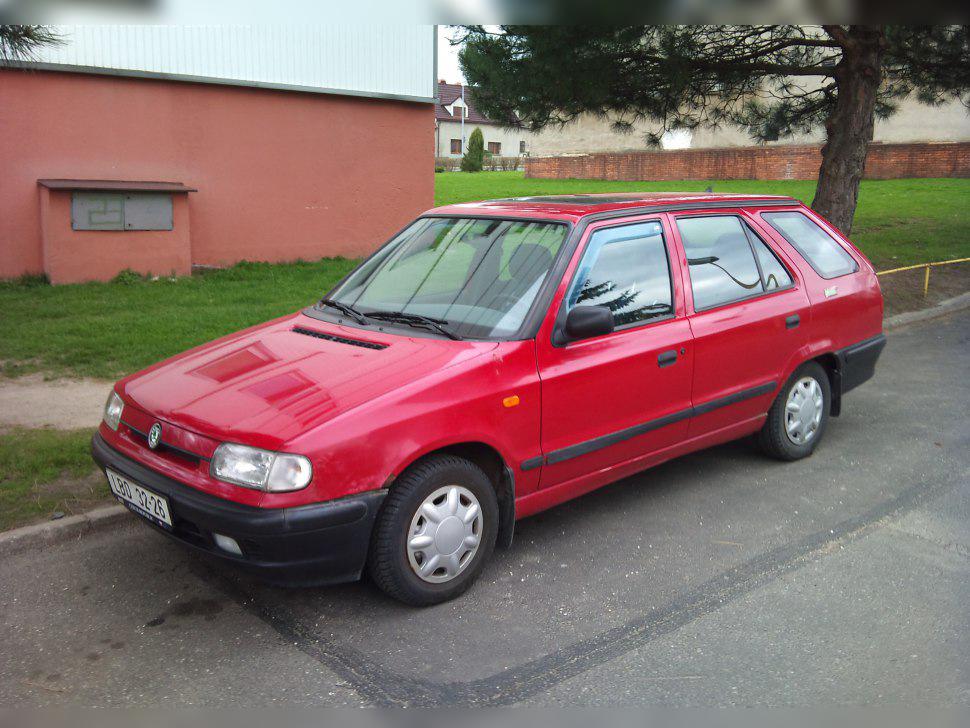
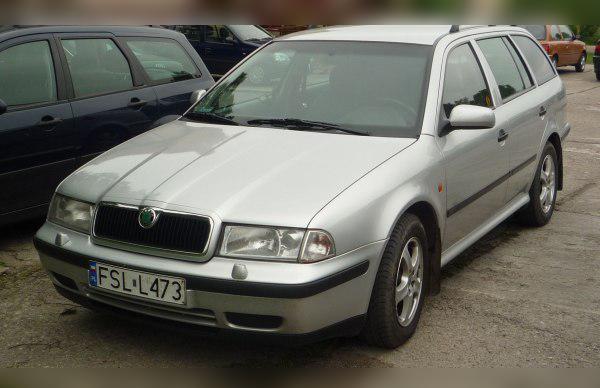
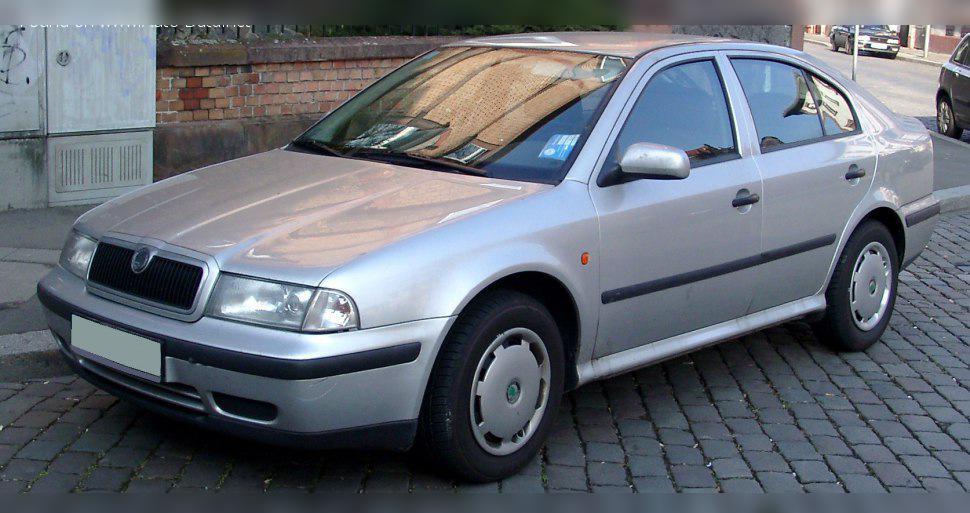
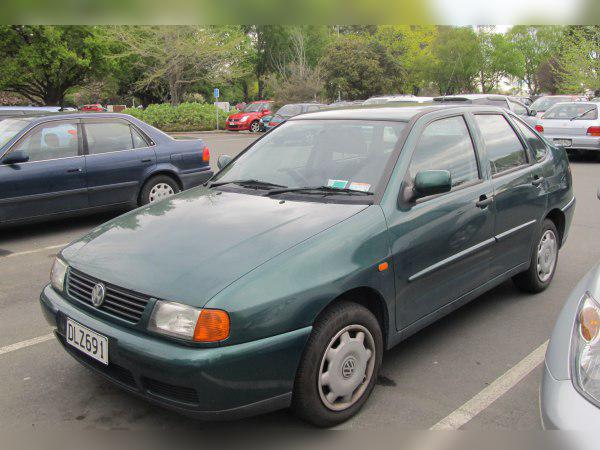
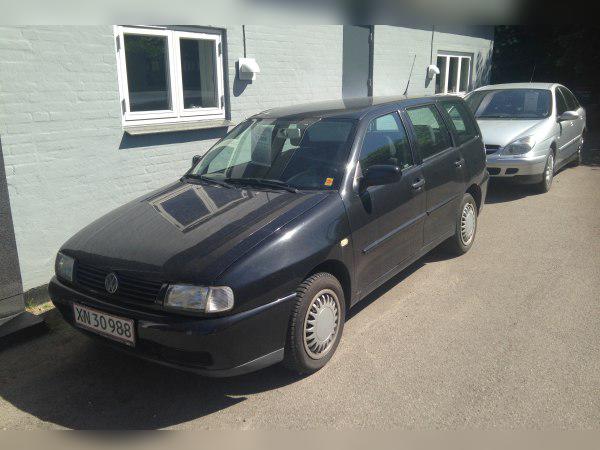
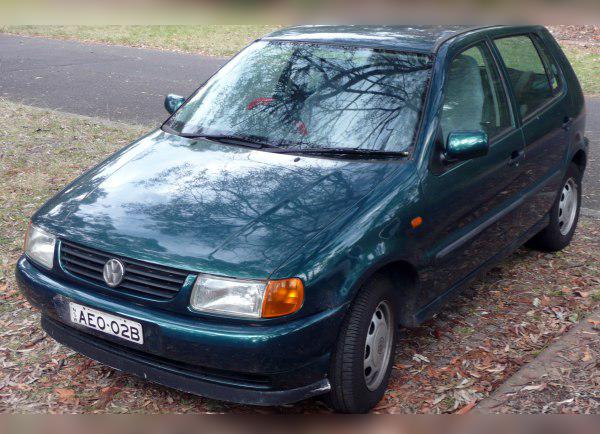
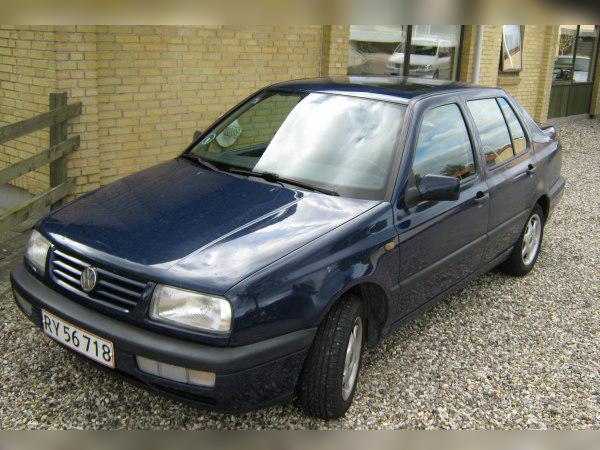
When talking about indestructible mechanics from the nineties and early 2000s, the VW 1.6 MPI engine with the AEE code is a textbook example. With its modest 55 kW (75 HP), this eight-valve unit powered a huge number of vehicles within the Volkswagen Group. You’ll find it in city runabouts like the VW Polo and Škoda Felicia, but also in more serious family sedans and wagons such as the Škoda Octavia I, VW Vento and Seat Cordoba.
This powerplant was designed to be simple, long-lasting and resistant to lower fuel quality, which makes it a very popular choice today for cheap everyday driving. Still, age and mileage take their toll, so it’s important to get to know it well before buying.
Technical specifications
| Parameter | Data |
|---|---|
| Engine displacement | 1598 cc |
| Power | 55 kW (75 HP) at 4600 rpm |
| Torque | 135 Nm at 2800 - 3200 rpm |
| Engine code | AEE (and related derivatives such as ALM) |
| Injection type | Multipoint Injection (MPI) |
| Induction | Naturally aspirated |
| Number of valves | 8v (SOHC) |
Reliability and maintenance
Mechanics across Europe consider this engine a “workhorse”, but that doesn’t mean it’s immune to failures, primarily due to the age of its components.
Timing belt or chain?
The AEE engine uses a conventional timing belt to drive the camshaft. The system is extremely simple and mechanics handle it routinely. A snapped belt leads to valve-to-piston contact (engine failure), so regular replacement must not be postponed.
Most common failures
Failures on this engine are usually related to peripheral systems rather than the “iron” mechanical core:
- Throttle body: By far the most common issue. It gets dirty from oil vapors and loses its zero position. Symptoms include fluctuating idle, stalling when stopping at traffic lights, or jerking while driving. Cleaning and calibration via diagnostics often solve the problem, but sometimes the entire module has to be replaced.
- Ignition system (coil, distributor cap and rotor, leads): The AEE uses a distributor that is prone to moisture ingress and contact wear. If the car “stutters” when you press the accelerator, struggles to start in wet weather or runs on three cylinders, the problem is almost always here.
- Coolant temperature sensor: Often sends incorrect information to the ECU, causing the engine to run too rich, making hot starts difficult and increasing fuel consumption.
- Oil leaks: The valve cover gasket and crankshaft seals harden over time.
Service intervals and oil
The major service on this engine is done at intervals of 60,000 km to 90,000 km (or every 5 years). The kit includes the timing belt, tensioner and water pump. Parts fall into the category: not expensive (depends on the market).
The engine takes about 3.2 to 3.5 liters of oil. Due to its older design, a semi-synthetic oil of 10W-40 grade is recommended, although 5W-40 can be used in colder climates. Do the minor service strictly every 10,000 km or once a year.
Oil consumption
Does it burn oil? Yes, there is a factory tolerance, but in practice a healthy AEE engine should not consume more than 1 to 1.5 liters of oil between two minor services (over 10,000 km). If it uses more, the usual culprit is valve stem seals that have hardened from age and temperature, allowing oil to leak into the combustion chamber (symptom: bluish smoke from the exhaust on cold start). Worn piston rings are a less common cause.
Spark plugs
Since this is a conventional petrol engine, spark plugs are replaced every 30,000 to 60,000 km. If you run LPG, you can safely halve that interval (20,000 - 30,000 km) and use high-quality plugs, as LPG requires a stronger spark.
Specific parts and costs
Dual-mass flywheel and drivetrain
Great news for your wallet: This engine does NOT have a dual-mass flywheel. It uses a conventional, solid flywheel. Replacing the clutch kit (pressure plate, disc, release bearing) is mechanically simple, and the price of parts falls into the category: not expensive (depends on the market).
Fuel injection system
The engine uses an MPI (Multipoint) indirect injection system. The injectors are extremely reliable. They rarely fail, and if they get clogged due to poor fuel, ultrasonic cleaning is usually more than enough to restore them to factory condition.
Turbo, EGR, DPF and AdBlue
This powerplant is a true “dinosaur” in the positive sense: there is no turbocharger, no DPF filter, and no AdBlue system. There are no expensive exhaust after-treatment systems that can leave you stranded. Some later versions (depending on the Euro standard) have a basic EGR valve that occasionally requires mechanical cleaning due to soot build-up, but this is nowhere near as problematic as on modern diesel engines.
Fuel consumption and performance
City driving
Given that the engine design is older, don’t expect the efficiency of modern three-cylinders. Real-world fuel consumption in city conditions is between 9 and 10.5 l/100 km, depending on vehicle weight and stop-and-go traffic. With the air conditioning on in summer, consumption easily exceeds 11 liters.
Is the engine “lazy”?
The answer depends mostly on the body style. The maximum torque of 135 Nm is available relatively low (around 3000 rpm), which gives it a decent response when pulling away.
- In a Škoda Felicia or VW Polo, the engine is perfectly adequate, even somewhat lively in the lower rev range.
- In a Škoda Octavia or VW Vento, the engine is definitely lazy. With a vehicle weight of over 1200 kg, overtaking on country roads has to be planned, and every hill requires dropping to a lower gear.
Motorway driving
This engine was not built for high-speed motorway cruising. The gearbox is geared relatively short. At 130 km/h in fifth gear, the engine spins at a rather high 3800 to 4100 rpm. The result is pronounced cabin noise and a sharp increase in fuel consumption on the motorway (it can exceed 8 l/100 km on open roads).
Additional options and modifications
LPG conversion
The AEE is a perfect candidate for a sequential LPG system. The engine handles alternative fuel brilliantly, has no issues with valve seat recession and quickly pays back the investment given its somewhat higher city petrol consumption. It’s only important to regularly maintain the ignition system (leads, spark plugs, coil).
Chip tuning (Stage 1)
Chipping this engine is a waste of money. Since it’s an older-generation naturally aspirated engine, remapping the ECU can yield at most 4 to 6 HP and a few Nm of torque. In practice, the driver will not feel any difference whatsoever. It’s better to invest that money in a major service and new tyres.
Gearbox and drivetrain
Types of gearboxes
This engine was typically paired with a 5-speed manual gearbox (from the well-known, but somewhat notorious 02K series). In some models (such as the Octavia and Vento) there was also a 4-speed automatic gearbox of classic design (with a torque converter).
Most common gearbox issues
- Manual gearbox (differential rivets): One of the better-known weak points of manual gearboxes paired with this and similar 1.6 engines is the failure of the factory rivets on the differential. Symptoms include whining from the gearbox while driving or difficult gear engagement. If a rivet breaks and gets caught between the gears, the gearbox casing can crack and oil will leak out (total gearbox failure). Many mechanics replace these rivets with steel bolts during overhaul. Also, the gear selector linkage can develop play, making first gear and reverse hard to engage.
- Automatic gearbox: It is very robust but also extremely sluggish, which further “kills” this engine’s performance. The main issue is owner neglect in not changing the oil. Symptoms of failure include harsh jolts when shifting from P to D, or bangs when changing gears while driving.
Gearbox maintenance
Although manufacturers used to claim that the oil in the manual gearbox is “lifetime filled”, real-world experience has shown the opposite. The oil in the manual gearbox should be changed every 60,000 to 80,000 km. For the automatic gearbox, the interval is a maximum of 60,000 km and it must be changed strictly according to the specification, together with the gearbox filter.
Buying used and conclusion
What to check before buying?
When looking at a used car with an AEE engine, be sure to pay attention to the following:
- Idle operation: The engine should idle smoothly at around 800 rpm. If the rev needle “jumps” up and down, you’re looking at removing and cleaning the throttle body or fixing a vacuum leak on the intake.
- Area around the distributor and valve cover: Check for signs of significant oil leakage.
- Hydraulic lifter noise: On a cold start, a slight ticking that disappears after a few seconds is normal. If the engine still sounds like a diesel when warm, the hydraulic lifters need replacing.
- Coolant condition: Open the expansion tank (when the engine is cold). The coolant should be pink/red and clean. If there is emulsion (a brown mixture resembling mayonnaise), oil and coolant are mixing, which means the head gasket has failed.
- Gearbox (manual): Try hard acceleration in second and third gear. Listen for “whining” from the gearbox, which may indicate bearing or differential issues.
Conclusion: Who is this engine for?
Volkswagen’s 1.6 AEE (75 HP) engine is intended for rational buyers and novice drivers for whom performance and speed are not a priority, but who want cheap transport from point A to point B. This is one of the rare engines where you don’t have to worry about a dual-mass flywheel, DPF and outrageously expensive injectors. With regular maintenance and a quality LPG system, a car with this powerplant will be extremely economical to run, despite the fact that its design dates back to the previous century.