Legendary 1.9 TDI 110 HP (AHF, ASV): Experiences, problems, fuel consumption and used-car buying tips
- The most reliable generation of TDI engines: Covers hundreds of thousands of kilometers without opening the engine.
- Cheap to maintain: No DPF filter, no AdBlue, and uses simple mechanical injectors.
- Variable-geometry turbo: Pulls very well, but the turbo vanes tend to seize due to frequent city driving.
- Bosch VP37 pump: Old-school rotary injection pump. Sensitive only to air entering the system, extremely durable.
- Low fuel consumption: On average around 5.5 to 6 liters per 100 kilometers.
- Conclusion: The golden standard when buying a cheap yet reliable used car.
Contents
- Introduction: The golden era of diesel
- Technical specifications
- Reliability and maintenance
- Specific parts and costs
- Fuel consumption and performance
- Additional options and modifications
- Gearbox and clutch
- Buying used and conclusion
Introduction: The golden era of diesel
If you’ve ever asked an old, experienced mechanic which engine is best for getting from point A to point B with minimal costs, chances are very high they said 1.9 TDI. Specifically, the 110 HP versions with engine codes AHF and ASV represent the peak of reliability before the mass transition to Pump Düse (PD) and Common Rail (CR) systems.
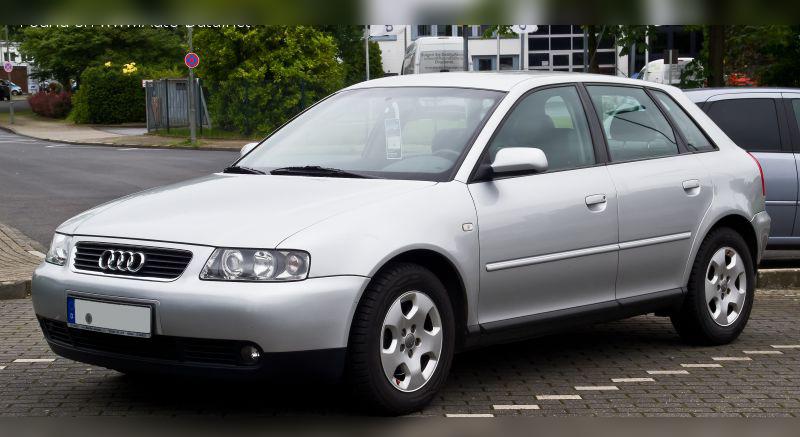
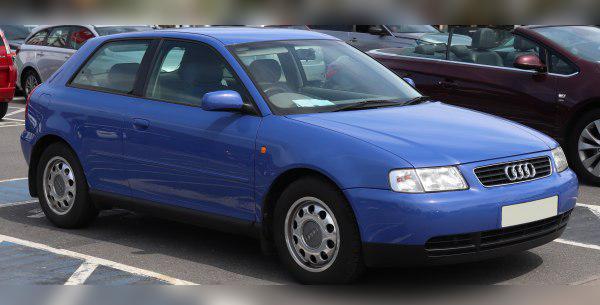
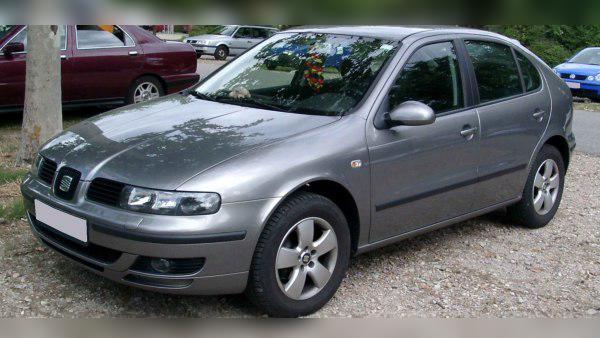
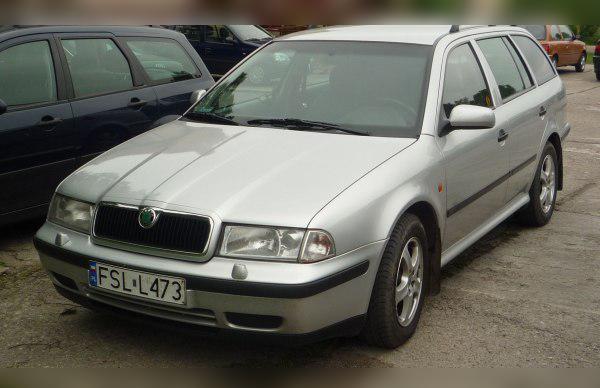
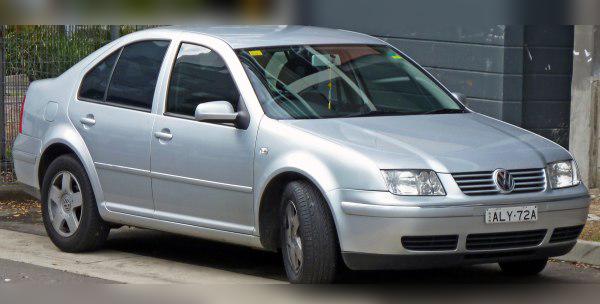
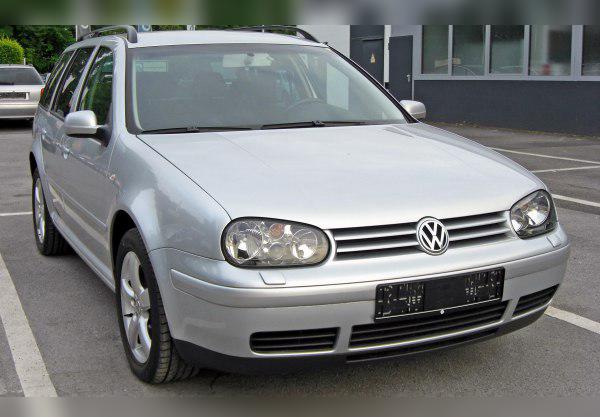
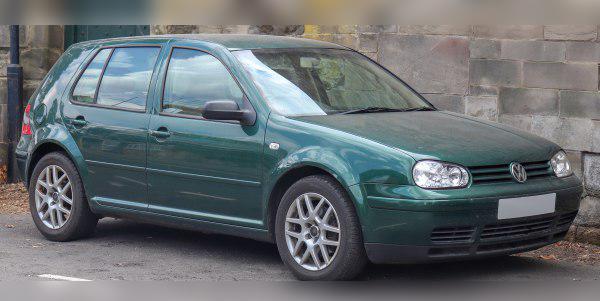
This engine was installed in a wide range of VW Group vehicles in the late nineties and early 2000s: from the Volkswagen Golf IV and Bora, through the Audi A3 (8L), all the way to the Seat Leon (1M) and Škoda Octavia I. The difference between the AHF (Euro 2/Euro 3) and ASV (Euro 3) engines comes down to minor revisions of pistons, valve thickness and injector opening pressure in order to meet emission standards, but in practice these engines share the same character and the same, almost indestructible block.
Technical specifications
| Parameter | Value |
|---|---|
| Displacement | 1896 cc |
| Power | 81 kW (110 HP) |
| Torque | 235 Nm |
| Engine codes | AHF, ASV |
| Injection type | Direct, high-pressure rotary pump (Bosch VP37) |
| Turbo / Naturally aspirated | Turbocharger (VNT variable geometry) + intercooler |
Reliability and maintenance
This engine uses a classic timing belt to transfer power from the crankshaft to the camshaft and high-pressure pump. The major service (replacement of the timing belt kit, tensioner, rollers and water pump) is usually done at 90,000 km, although mechanics advise not to stretch this interval due to the age of the vehicles and to do it preventively at 80,000 km or every 5 years.
Most common failures
Although the engine is extremely reliable, time takes its toll. The most common issues include:
- Seized turbo geometry: Due to frequent “pensioner-style” city driving, soot blocks the turbo vanes. Symptom: on an uphill under full throttle the car suddenly loses power (falls into so‑called safe mode / limp mode), and after switching the engine off and on again it pulls normally.
- Mass air flow sensor (MAF): Often becomes weak. The car feels noticeably sluggish and responds poorly to throttle input.
- Relay 109: A famous weak point. It supplies power to the ECU. When it overheats or a solder joint inside fails, the car may stall while driving or refuse to start (the glow plug warning light on the dash then does not come on at all). Replacement is not expensive (depends on the market).
- Oil leaks at the EGR valve: Oil buildup and seepage at the EGR valve gasket creates grime around the engine.
Engine oil and injectors
The engine takes 4.5 liters of oil. The usual recommendation is fully synthetic 5W-40, although for engines close to half a million kilometers mechanics often use semi-synthetic 10W-40. It must comply with VW specification 505.00. Oil consumption between two services (every 10,000 km) is normal, and consumption of around 0.5 to 1 liter of oil is tolerated, mostly due to evaporation and small clearances in the turbo itself.
Unlike modern diesels, the injectors here are not a problem. These are simple two-stage mechanical injectors (“screw-in injectors”), with the third injector having a needle lift sensor. They last extremely long, often over 300,000 km, and even when they start leaking, refurbishment at a Bosch service (replacement of internals) is not expensive (depends on the market).
Specific parts and costs
Unlike the older 90 HP version (AGR engine), this 110 HP model has a dual-mass flywheel. The dual-mass flywheel absorbs torque shocks, so if you hear metallic knocking when starting, stopping or idling, and feel strong vibrations in the clutch pedal, the flywheel is due for replacement. A complete kit with clutch disc is expensive (depends on the market), but owners often convert to a solid flywheel with springs in the clutch disc, which is a cheaper option, although it slightly reduces comfort when taking off.
The fuel injection system relies on the Bosch VP37 rotary pump. Its only major age-related issue is the drying out of the seal under the top cover, which causes diesel to start leaking. Resealing the pump at a Bosch specialist is routine and not very expensive (depends on the market). The engine has a single VNT 15 turbocharger (with variable geometry), whose service life is around 250,000 km if the engine is properly warmed up before being loaded and cooled down before shutting off. Turbocharger overhaul is moderately expensive (depends on the market).
Great news for your wallet: this model has NO DPF filter and NO AdBlue system. That means no hassle with regenerations, pressure sensors or expensive fluid pumps. There is an EGR valve, which is prone to clogging with soot, so on European roads drivers often block it physically and in software so the engine can “breathe clean air”, although this depends on local vehicle inspection laws.
Fuel consumption and performance
This is where the AHF/ASV truly shines. With its 110 HP and 235 Nm of torque (available already at around 1900 rpm), this engine is anything but “sluggish”. On the contrary, it pulls the body of a Golf IV or Audi A3 very linearly and strongly, providing dynamic, jerk-free driving.
Fuel consumption in heavy city traffic (stop‑and‑go driving) ranges between 6.5 and 7.5 l/100 km. On the open road things are even better, with consumption dropping below 5 liters. On the motorway at 130 km/h, the engine runs at about 2800–2900 rpm (in 5th gear). Cruising at this speed is pleasant, the engine is not too noisy (although an old TDI is naturally rough at idle), and consumption stays around 5.5 to 6 l/100 km.
Additional options and modifications
Since this is a diesel engine, LPG (autogas) installation is not an option. However, these engines respond extremely well to ECU remapping. A Stage 1 remap on AHF and ASV engines can safely raise power from 110 HP to around 135–140 HP, while torque increases to nearly 300 Nm. The engine handles these values brilliantly without opening the block, provided that the dual-mass flywheel and clutch are in perfect condition, because the extra torque will primarily stress that part of the drivetrain.
Gearbox and clutch
Most of these models are equipped with a classic 5-speed manual gearbox. This gearbox is extremely durable and can handle huge mileages without issues. It is recommended to change the gearbox oil (about 2 liters of 75W-90) every 100,000 km as a preventive measure. Failures are mostly limited to a worn gear selector due to age (play in the gear lever) or a failing release bearing.
There was also an option of an old 4-speed automatic gearbox. The best advice regarding this gearbox is: avoid it. It is very slow, significantly reduces the car’s performance, increases fuel consumption by more than 1.5 l/100 km, and after 20 years of use it often jerks when changing gears due to valves in the valve body. Overhauling such an automatic is very expensive and often not worth it considering the value of the vehicle itself (depends on the market). If you do have an automatic, ATF oil and filter must be changed strictly every 60,000 km.
Buying used and conclusion
When buying a used car with the 1.9 TDI 110 HP engine, the most important steps during the test drive and inspection are:
- Cold start: On the “first start” the engine must fire up sharply, on half a turn of the key, without long cranking. If it cranks for a long time when hot, the cause may be the starter or a weakened element in the Bosch pump.
- Turbo test: Take the car onto an open road with a slight incline. In third gear, press the accelerator to the floor and hold it until it passes 3500 rpm. If the car suddenly loses power and stops accelerating (as if you pulled the key out), the turbo geometry is seized and needs cleaning.
- Dual-mass flywheel noise: While idling, press the clutch pedal slightly (a couple of centimeters). If you feel knocks under your foot or hear metallic rattling that disappears when you press the clutch all the way, the flywheel needs to be replaced.
- Exhaust smoke: Black smoke under full throttle is absolutely normal for this engine (due to the lack of a DPF). However, bluish smoke at idle means engine oil is being burned (piston rings or valve stem seals), while white, sweet-smelling smoke indicates coolant in the combustion chamber (head gasket).
Who is this engine for? The 1.9 TDI in its 110 HP version is a perfect choice for drivers looking for maximum economy, low maintenance costs and simple mechanics that almost any mechanic can repair, while still having solid motorway performance. Considering the age of the models it was installed in, its biggest enemy today is not the engine mechanics themselves, but rust on the bodywork (especially wheel arches and sills on Golfs and early A3 models) and general neglect by previous owners. If you find a well‑maintained example with a solid body, the mechanicals will most likely serve you reliably for many more years.