VW 1.9 TDI ARL (150 HP): Experiences, problems, fuel consumption and buying used
Key points (TL;DR):
- The most powerful factory version of the famous 1.9 TDI 8-valve engine, legendary for its aggressive power delivery.
- Uses the Pumpe-Düse (PD) injection system, which requires strictly specified engine oil.
- No DPF filter or AdBlue system, which drastically reduces costs and headaches compared to modern diesels.
- Most common issues: Camshaft wear, injector seal failure and turbo variable geometry clogging due to city driving.
- The engine tolerates enormous loads and is phenomenal for chipping (tuning), but the factory dual-mass flywheel quickly shows its weaknesses under increased torque.
- Finding a non-damaged, regularly serviced, original example today is a real challenge.
Contents:
- Introduction: The legend of 150 horses
- Technical specifications
- Reliability, maintenance and common failures
- Specific parts and costs
- Fuel consumption and performance in real-world conditions
- Tuning and modifications
- Gearboxes, clutch and dual-mass flywheel
- Buying used and conclusion
Introduction: The legend of 150 horses
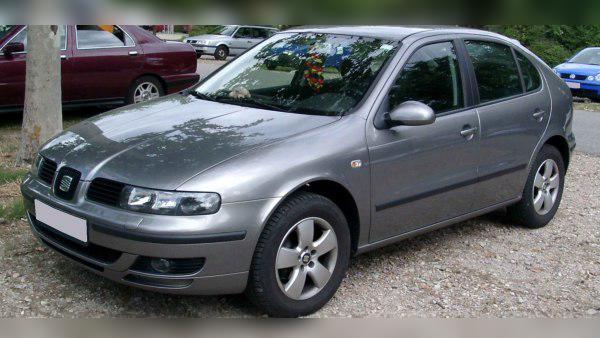
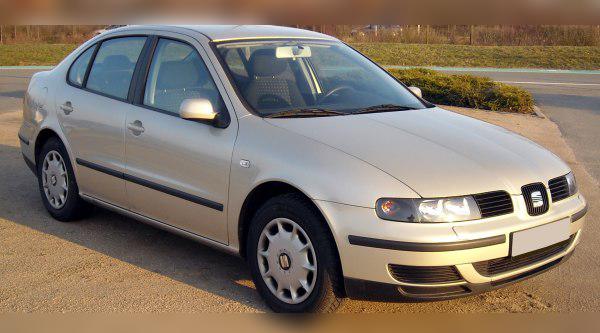
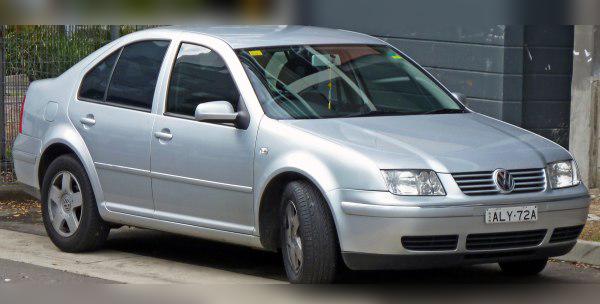
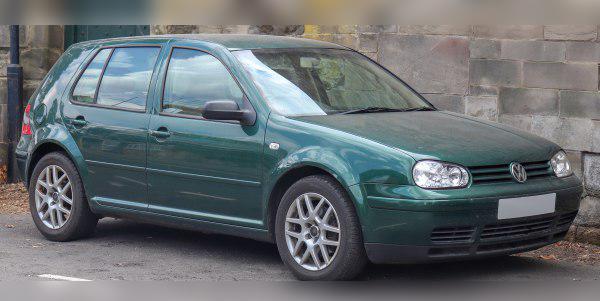
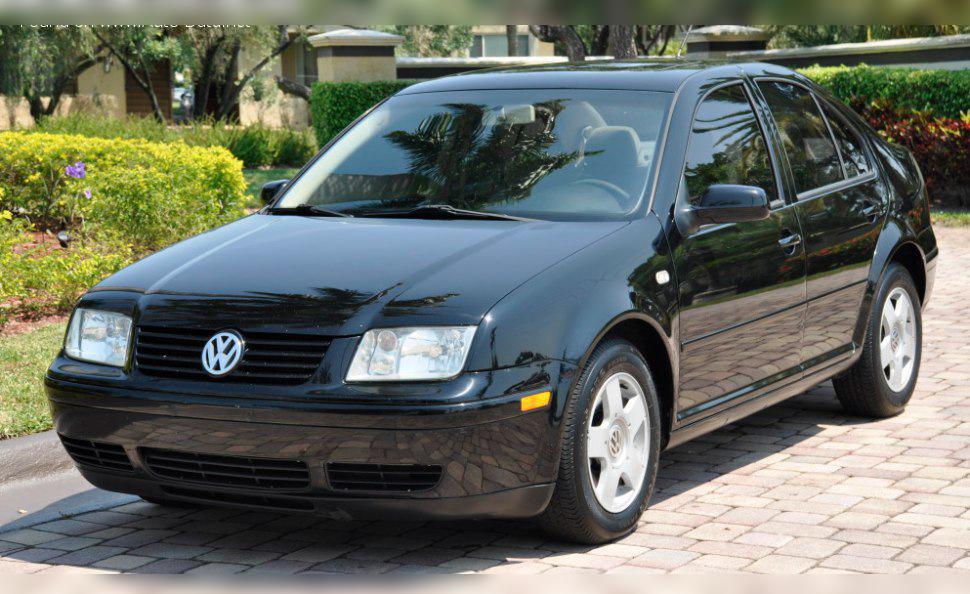
When people mention the golden era of Volkswagen diesels, the engine code ARL stands right at the top of the pedestal. It represents the peak of development of the 1.9 TDI unit that was installed in iconic early-2000s models such as the Seat Leon FR (1M), VW Golf IV and Bora. With factory 110 kW (150 HP), this engine used to embarrass many petrol counterparts of its time, offering brutal acceleration thanks to the unit-injector technology. For fans of robust mechanics who want a “catapult” feeling when pressing the throttle, without going broke at the fuel station, the ARL is still an icon in the automotive world.
Technical specifications
| Parameter | Specification |
|---|---|
| Engine displacement | 1896 cc |
| Power | 110 kW (150 HP) |
| Torque | 320 Nm |
| Engine code | ARL |
| Injection type | Pumpe-Düse (Unit injector), Direct injection |
| Charging type | Turbo (VNT), Front-mounted intercooler (FMIC) |
| Valve train | Timing belt, 8 valves (SOHC) |
Reliability, maintenance and common failures
The base of this engine block is practically indestructible. The crankshaft, connecting rods and pistons are reinforced compared to weaker 1.9 TDI versions in order to withstand higher pressures. Power is transmitted via a timing belt, and the major service, depending on parts quality, is done at intervals of 60,000 to 90,000 km. Skipping this interval leads to catastrophic engine failure.
The oil sump holds about 4.3 to 4.5 liters of oil. What is absolutely crucial for the ARL’s lifespan is the oil specification. Due to the specific cam profile that drives the PD elements under enormous pressure, you must use ONLY oil with the specification VW 505.01 (most commonly 5W-40). Oil consumption is a normal occurrence with this engine. Considering the strong turbocharger and piston ring design, consumption of 0.5 to 1 liter per 10,000 km is considered completely normal, especially if the engine is driven aggressively on open roads.
Camshaft and PD system
The most serious weak point of the ARL engine is camshaft and hydraulic lifter wear. This occurs due to using the wrong oil or extended oil change intervals. Symptoms include rough idle, a deeper “drone” from the intake manifold and loss of power. If a lifter collapses completely, the valve can damage the piston. The injectors themselves are extremely durable (they can exceed 300,000 km), but the problem lies in the injector seals (O-rings). When they harden or get damaged, fuel starts leaking into the engine oil (the oil level on the dipstick rises), or the system loses pressure, resulting in very hard cold starts. Also, the wiring harness that powers the injectors (inside the cylinder head) is submerged in hot oil, so over time the contacts crack, causing engine misfires and running on three cylinders.
Specific parts and costs
Air is supplied by a massive Garrett GT1749VB turbocharger with variable geometry (VNT). It is very durable by itself, but has a known weakness: if you constantly drive the car in the city at low revs (“lugging” it), the variable vanes get clogged with soot and stick. Then the turbo overboosts, and the ECU puts the engine into limp mode, cutting power right in the middle of an overtake. Turning the car off and on again resets the problem until the next heavy throttle application. Cleaning the geometry solves the issue, but a turbo overhaul is inevitable at higher mileage and counts as a costly repair (depends on the market).
The advantage of this older-generation engine is that it does not have a DPF filter or a complicated AdBlue system, which saves owners a lot of money. However, it does have an EGR valve, which is directly responsible for soot buildup in the intake manifold. A clogged EGR causes exhaust smoke and poorer throttle response. Many owners physically block it and have it deleted in the software, although this can be a problem at inspections in countries with strict emissions regulations.
Fuel consumption and performance in real-world conditions
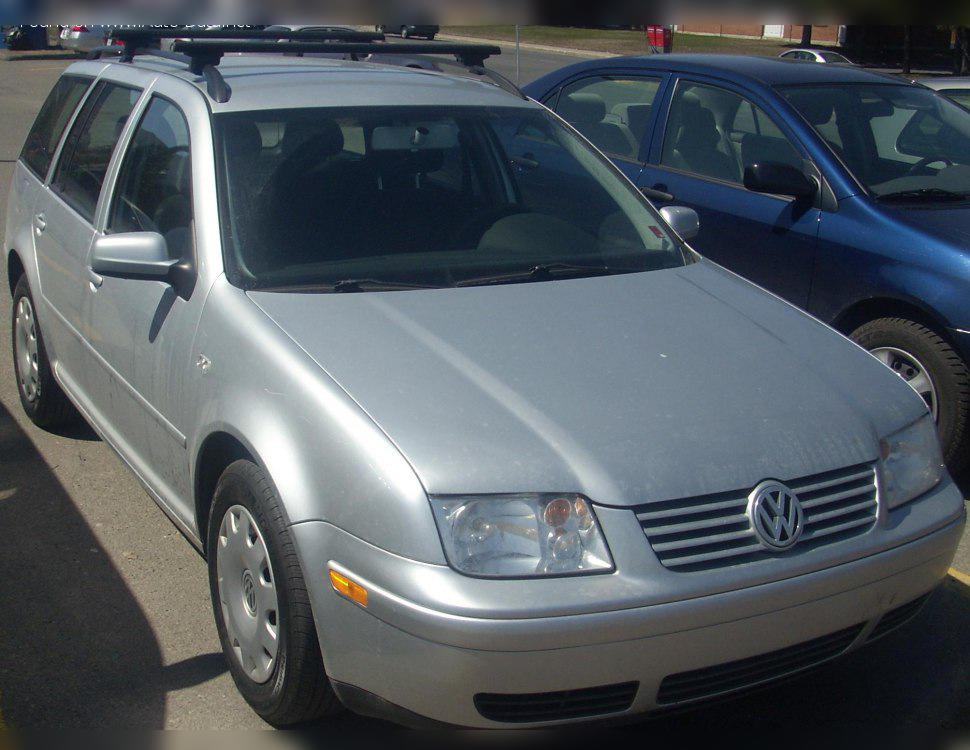
The 150 HP ARL is by no means “lazy”. On the contrary, torque delivery (320 Nm) comes in abruptly at around 1,900 rpm, giving the impression of a much more powerful car than on paper. It easily propels the body of a Golf, Leon, and even heavier estates like the Bora Variant.
As for fuel consumption, the Pumpe-Düse system is known for its exceptional efficiency. Real-world city consumption ranges between 7 and 8.5 l/100 km, depending on how heavy your right foot is and traffic conditions. On open roads, the engine can bring consumption below 5 l/100 km. On the motorway, the ARL shines. Paired with a six-speed gearbox, at 130 km/h it cruises at a relaxed ~2,300 to 2,400 rpm (depending on the exact gear ratios in a given model), maintaining excellent power reserves for overtaking, with noise levels that are acceptable for this generation of diesel.
Tuning and modifications
This unit is the holy grail for diesel tuning enthusiasts. The factory components (crankshaft, pistons and turbo) are so strong that the engine can handle more aggressive maps without major hardware changes. A basic Stage 1 remap raises power from 150 HP to around 185 to 190 HP, and torque can exceed 390 Nm. The engine then becomes a real beast. However, caution is needed – such an increase in torque is more than the old clutch and dual-mass flywheel can usually handle, so it often happens that the clutch starts slipping just a few days after remapping.
Gearboxes, clutch and dual-mass flywheel
Almost all ARL engines come paired with a 6-speed manual gearbox with the code 02M. This is an extremely strong gearbox, but it suffers from age. The most common failures include worn synchros on second and third gear (grinding when shifting quickly) due to overly aggressive driving. Automatic gearboxes paired with the ARL are very rare (mostly 5-speed Tiptronic in some VW models) and are generally not recommended on the used market, as they struggle to cope with the factory torque over long periods and are very expensive to overhaul.
Of course, there is the inevitable dual-mass flywheel. Yes, this engine has one, and due to the brutal torque the flywheel is under heavy stress. Symptoms of a worn dual-mass flywheel include: the whole body vibrating at idle, metallic rattling (clunking) from the gearbox area that disappears when you press the clutch pedal, and strong jerks when taking off. Replacing the complete set (flywheel, clutch disc, pressure plate, release bearing) is very expensive (depends on the market), but necessary for smooth engine operation.
Although many claim that oil in a manual gearbox never needs changing, any good mechanic will tell you that servicing and changing the oil in a manual gearbox at around 80,000 km is an excellent investment that extends the life of bearings and synchros.
Buying used and conclusion
The main problem with the ARL engine today is its age. Most of these cars have covered well over half a million kilometers (regardless of what the odometer says) and have often been victims of poor-quality remaps and cheap maintenance by youngsters hungry for speed.
What you must check before buying
- Cold start: The engine should fire up instantly, without clouds of blue or grey smoke. Long cranking points to issues with injector seals, the tandem pump or loss of compression.
- Intake sound: Ask someone to remove the hose from the airbox while the engine is running. If you hear a loud, dull “bup-bup-bup”, the camshaft is worn out.
- Drivetrain and transmission: Pay attention to strong vibrations under acceleration in 4th and 5th gear at around 2,000 rpm. If the car shakes, either the dual-mass flywheel is at the end of its life, or the inner CV joints near the gearbox are worn out due to excessive torque.
- Diagnostics (VCDS): Be sure to check injector corrections (blocks 013 and 023). Values close to +2.8 or -2.8 mean that an injector is on its way out.
Who is this car for?
The VW 1.9 TDI ARL 150 HP engine is intended for enthusiasts, fans of solid cast-iron engine blocks and those who value reliability from the pre-emissions era. It is not ideal for short city trips where the engine never warms up properly (because of the turbo geometry and EGR). If you find a well-maintained example, you will get a “bullet” on wheels that uses little fuel, but you should be prepared to spend serious money on a new camshaft and clutch set at some point during ownership.