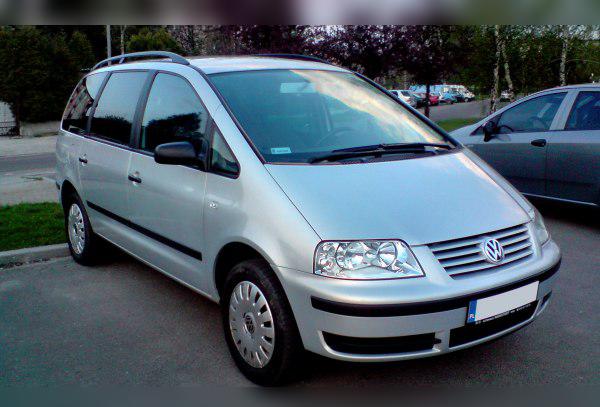
Legendary 1.9 TDI ASZ (130 hp): Experiences, problems, fuel consumption and used-car buying tips
- Key points (TL;DR):
- One of the most robust Volkswagen diesel engines of all time (Pumpe-Düse generation).
- Fantastic balance of power (130 hp, 310 Nm) and fuel economy.
- No DPF filter and no AdBlue system, which means far fewer headaches in city driving.
- Weak spots: sensitive camshaft (requires strictly specific oil) and wear of the dual-mass flywheel.
- Maintenance is not overly expensive, but timely major service is absolutely essential.
- An ideal engine for mild tuning (Stage 1), which it tolerates without any issues.
Contents
- Introduction: Meet the legend
- Technical specifications
- Reliability and maintenance
- Specific parts and failures
- Fuel consumption and performance
- Additional options and modifications
- Transmissions and drivetrain
- Buying used and conclusion
Introduction: Meet the legend
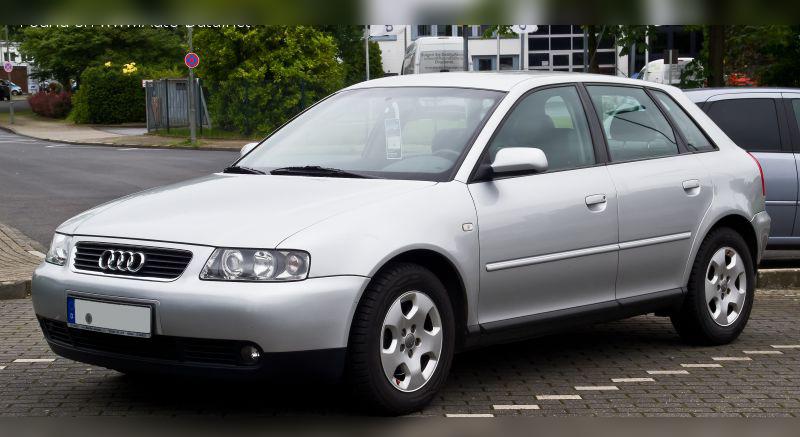
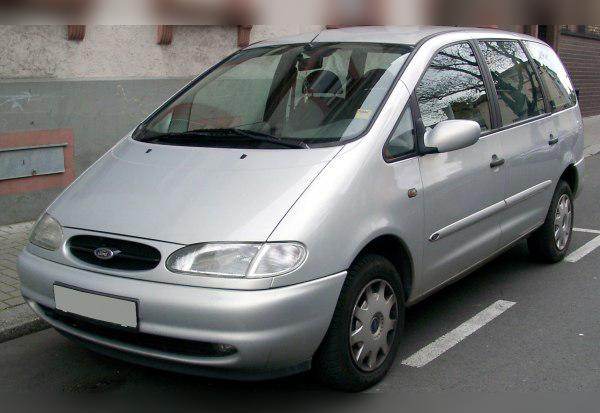
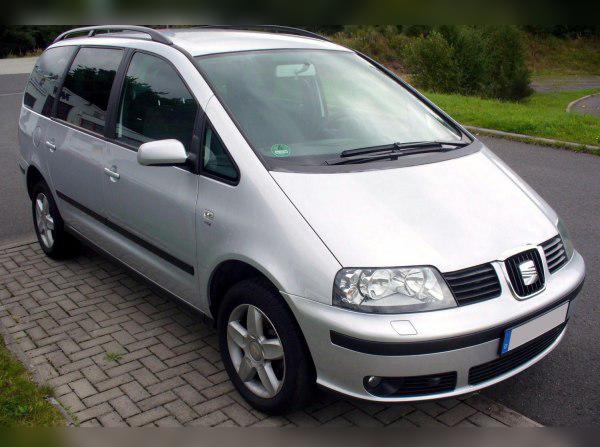
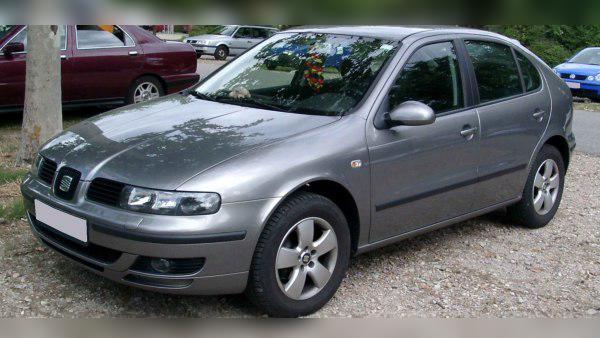
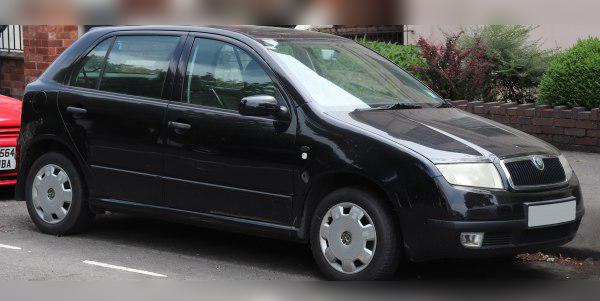
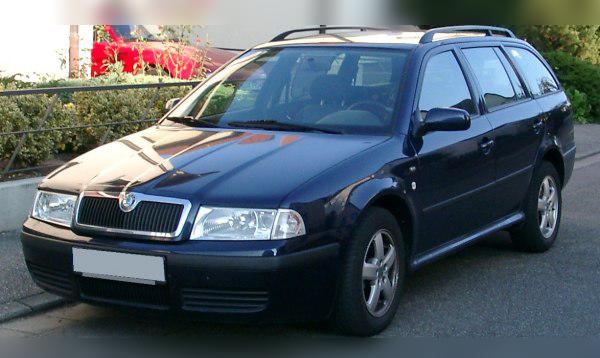
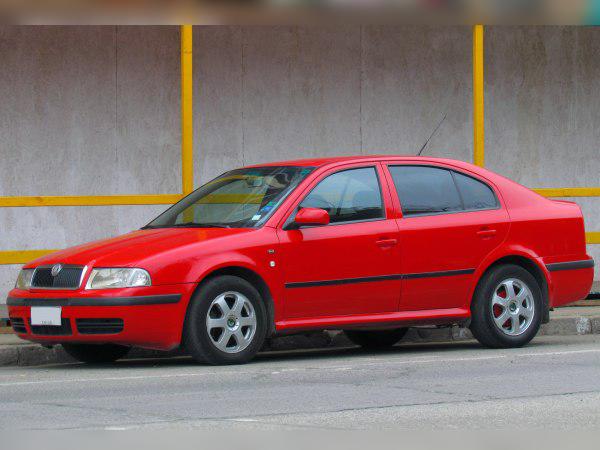
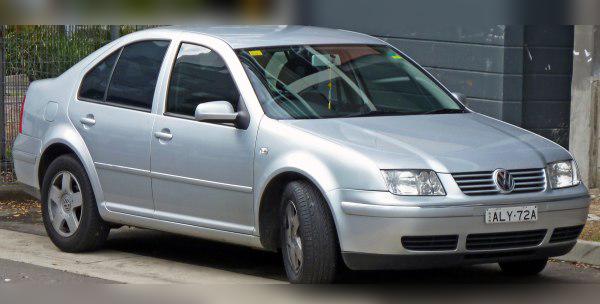
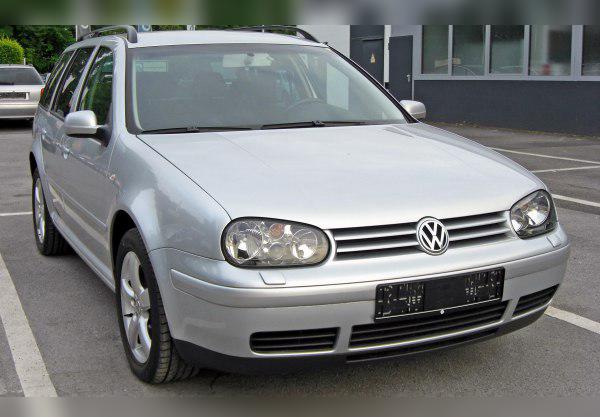
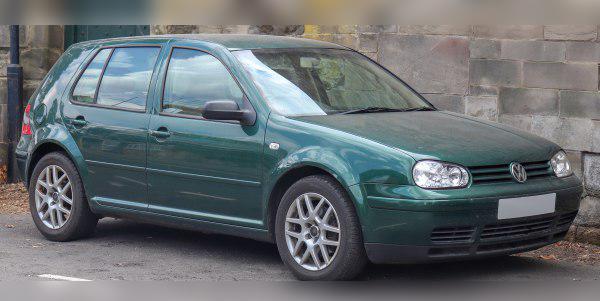
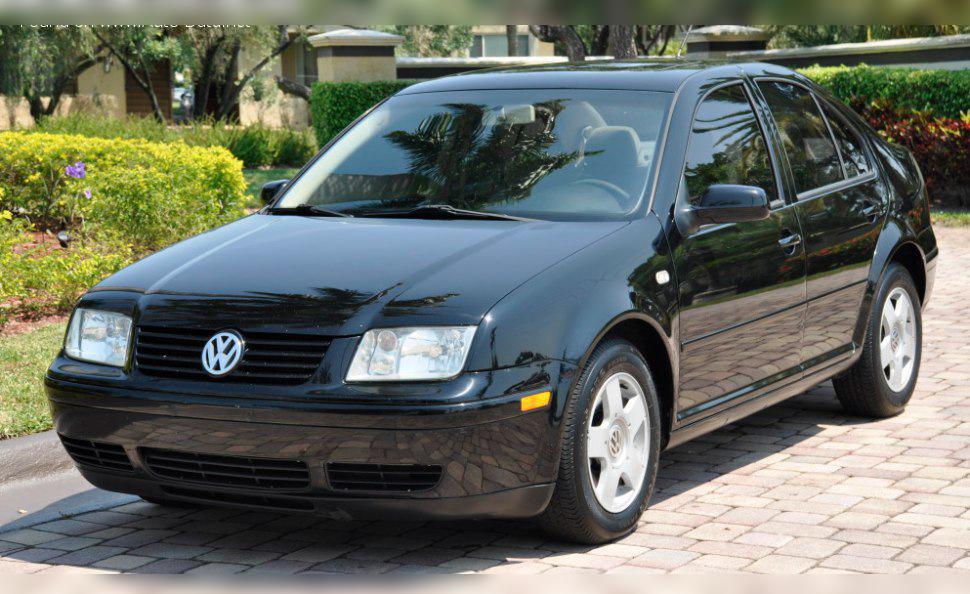
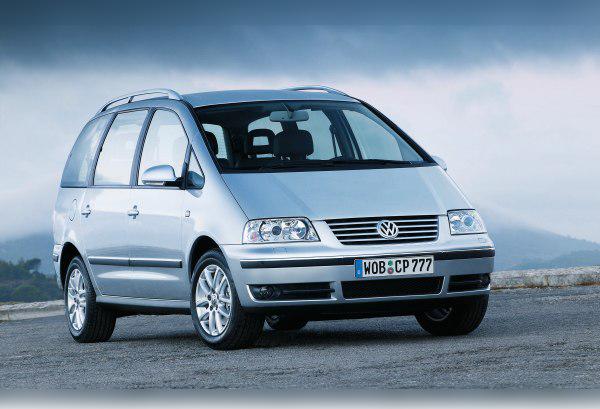
When people in car circles mention the golden era of diesel engines, the code ASZ is spoken with deep respect. It is a 1.9 TDI engine with 130 horsepower, based on Pumpe-Düse (PD) technology. It was installed in the early 2000s in a wide range of vehicles from the VAG group. From compact hot hatches like the Škoda Fabia RS and Seat Leon, through reliable family cars such as the VW Golf IV, Bora and Škoda Octavia, all the way to heavyweights like the Audi A3 and large MPVs VW Sharan, Ford Galaxy and Seat Alhambra.
Its popularity lies in the brutal torque for that era and displacement, the long-lasting engine block and the absence of modern ecological “nooses” that choke newer engines today. However, buying this engine today means buying a vehicle that is at least two decades old with hundreds of thousands of kilometers on the clock, so it is crucial to know what awaits you under the hood.
Technical specifications
| Specification | Data |
|---|---|
| Displacement | 1896 cc |
| Power | 96 kW (130 hp) at 4000 rpm |
| Torque | 310 Nm at 1900 rpm |
| Engine code | ASZ |
| Injection type | Pumpe-Düse (unit injectors) |
| Aspiration | VNT turbocharger with intercooler |
Reliability and maintenance
This engine uses a timing belt, and as with every TDI of this generation, the major service is essential. The factory interval for the major service (replacement of timing belt, tensioners, rollers and water pump) is set at 90,000 km or every 5 years. A snapped belt on this engine leads to catastrophic failure due to valve-to-piston contact, so this is nothing to play with.
As for lubrication, the ASZ engine takes 4.3 to 4.5 liters of oil (depending on filter size). This is where many mechanics make a mistake: it is absolutely necessary to use oil that meets the VW 505.01 specification (usually in 5W-40 grade). Because of the extreme pressures the Pumpe-Düse system puts on the camshaft, regular oil does not protect the lobes sufficiently, which leads to their premature wear. Does it consume oil between services? Yes, and that is completely normal for PD engines. Consumption of 0.5 to 1 liter per 10,000 km is considered normal and is no cause for alarm.
The most common mechanical issues include wear of the camshaft itself and its lifters on very high-mileage engines, as well as problems with the tandem pump, which, due to worn seals, can start mixing engine oil and diesel fuel (symptoms are rising oil level, diesel smell in the oil and hard starting). As for the injectors, they are very robust by themselves and can last 300,000 to 400,000 km. However, copper and rubber injector seals often cause trouble. When they fail, fuel drains back into the tank, so the car is hard to start after sitting for a longer time. Replacing the seals is not expensive, but it does require a skilled mechanic.
Specific parts and failures
Injection system and emissions
The ASZ engine uses exclusively Pumpe-Düse (PD) technology instead of today’s standard common-rail system. Injection pressures of over 2000 bar create a characteristic, somewhat rougher and louder sound, like the classic “hammering” of old TDI engines. Emissions systems are, to the joy of many drivers, kept to a minimum. This engine does NOT have a DPF filter, so short city trips will not result in that annoying warning light and a clogged particulate filter. It also does not have an AdBlue system, which completely eliminates expensive repairs of urea pumps and level sensors.
It has a classic EGR valve, which after a long period of low‑rpm driving can build up a lot of soot. Symptoms of a clogged EGR are black smoke from the exhaust, hesitation under acceleration and loss of performance. Cleaning solves the problem, but many owners opt to have it deleted both in software and hardware.
Turbocharger
Under the hood there is a single turbocharger with variable nozzle turbine (VNT). Its lifespan is impressive – with regular oil changes it easily exceeds 250,000 km. However, the variable vanes can get stuck due to soot deposits (from “lazy” driving). Then the driver notices that under heavy throttle the car suddenly loses power and goes into limp mode (a safety mode without boost) until you switch the engine off and on again. If you hear a loud turbo whine at low revs (a sound similar to a police siren), it is a sign that the shaft or compressor wheel has play and a rebuild is due (depends on the market).
Fuel consumption and performance
Despite its decent power, fuel consumption is very wallet‑friendly. In average city driving in lighter bodies (Golf IV, Audi A3, Fabia RS), real-world consumption is around 7.0–7.5 l/100 km. If the ASZ is in a heavy Sharan or Alhambra with all‑wheel drive, expect about 8.5 to 9.0 l/100 km in the city. On open roads it is content with modest 4.5 l/100 km.
What really characterizes this engine is the complete lack of “laziness”. With 310 Nm of torque available as early as 1900 rpm, it pulls brutally hard, giving the driver a strong shove in the back. The sensation of acceleration is often subjectively stronger than the stopwatch suggests. On the motorway it feels completely at home. Paired with a 6‑speed manual gearbox, at 130 km/h the engine spins at a relaxed 2200–2400 rpm, which reduces cabin noise and brings consumption down to an ideal 5.5 to 6 l/100 km.
Additional options and modifications
The ASZ is an absolutely legendary base for tuning enthusiasts. The crankshaft, connecting rods and the block itself are built so massively and durably that they handle a Stage 1 remap without breaking a sweat. With proper software mapping (without any hardware changes), power can be safely raised to about 165–170 hp, and torque up to 380 Nm. The only bottleneck with such tuning becomes the stock clutch and flywheel, so it is recommended to apply the throttle more gently from low revs to prevent the clutch from slipping.
Transmissions and drivetrain
Most commonly paired with the ASZ engine is the excellent 6‑speed manual gearbox (code 02M), which is massive and over‑engineered to withstand huge torque. Some weaker and older versions were fitted with a 5‑speed manual, while for comfort lovers there was a 5‑speed Tiptronic automatic (often sourced from Jatco). For added stability, many models (Bora, Golf, A3) came with 4MOTION or quattro options using a first‑generation Haldex coupling.
Failures and maintenance
The manual gearboxes are extremely robust, but their weak point is bearing wear in the casing at high mileage (you will notice a slight whine or grinding when shifting). On the other hand, the old Tiptronic automatics are noticeably slower, and above 200,000 km they start to cause serious problems – they jerk, fail to hold pressure in the valve body and require a full overhaul. On automatics, oil and filter changes MUST be done every 60,000 km. For manual gearboxes the factory claims the oil is “lifetime fill”, but any good mechanic will tell you to drain and refill it every 80,000 to 100,000 km to extend bearing life.
Dual-mass flywheel
Yes, this engine has a dual-mass flywheel. And it is a wear item. Given the aggressive nature of PD engines and their power delivery, the flywheel is under heavy load. Symptoms of a worn flywheel are: strong vibrations at idle, metallic rattling or knocking (“clang‑clang”) from the gearbox area at idle, as well as the whole car shaking when you switch the engine off. The cost of a new clutch and dual‑mass flywheel set is rated as medium to high (depends on the market). Do not try to install a solid flywheel – excessive vibrations will eventually destroy the gearbox and in some cases even damage the crankshaft!
Buying used and conclusion
Buying a car with the 1.9 TDI ASZ engine today is a lottery in which you are looking for a well‑preserved example. Here are a few things you must check during inspection:
- Cold start: The engine should start “on half a turn” without long cranking. If after starting it emits white or bluish smoke and misfires for a few seconds, suspect worn injector seals, fuel pressure loss or the injectors themselves.
- Camshaft check (audio test): Remove the plastic intake pipe to the air filter while the engine is running. If you hear a strong, deep “bup‑bup‑bup”, the camshaft and lifters are completely worn out.
- Whistle and power: Press the accelerator while driving (of course, only once the engine has warmed up to 90°C). Acceleration should be smooth up to 4000 rpm. If you feel the car stumbling or suddenly running out of breath on an incline, the turbo is losing boost or the VNT mechanism is stuck.
- Diagnostic scan (VCDS): Read injector correction values at idle. Values within plus or minus (+/‑ 1.0) are acceptable; anything beyond that requires a mechanic’s attention.
Final word: Who is it for? This engine is intended for drivers who need a “workhorse” with top‑class performance and for those who cover serious mileage, both on country roads and motorways. It offers power in the class of 2‑liter diesels, but with technical simplicity and without the extremely expensive emissions gadgets of newer generations. If you find an example with a clean maintenance history (especially regular changes of 505.01 oil), go for it – this is one of the rare engines that will happily outlive the body and see it off to the scrapyard.