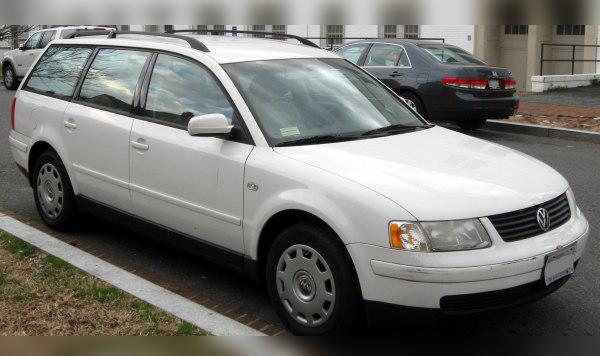
1.9 TDI Engine (AVF, AWX) 130 HP: Ownership impressions, common issues, fuel consumption and used-car buying tips
Most important points (TL;DR)
- Legendary durability: One of the most reliable and respected diesel engines of its generation, capable of covering over 500,000 km with proper maintenance.
- Injection system: Uses the Pumpe-Düse (PD) system. The injectors themselves are long-lasting, but the injector seals often fail and need to be replaced.
- Performance and fuel economy: Excellent balance of power (130 HP) and efficiency. The engine is anything but sluggish and delivers a strong punch of torque.
- Specific sensitivity: Requires strict adherence to the oil specification (VW 505.01) in order to protect the camshaft.
- Eco systems: No DPF filter and no AdBlue system, which means far fewer headaches for the owner compared to more modern diesels.
- Caution when buying: Pay very close attention to Audi models equipped with the Multitronic automatic gearbox – they are extremely prone to expensive failures.
Contents
- Introduction and basic information
- Technical specifications
- Reliability and maintenance
- Specific parts and costs
- Fuel consumption and performance
- Additional options and modifications
- Gearbox and drivetrain
- Buying used and conclusion
Introduction and basic information
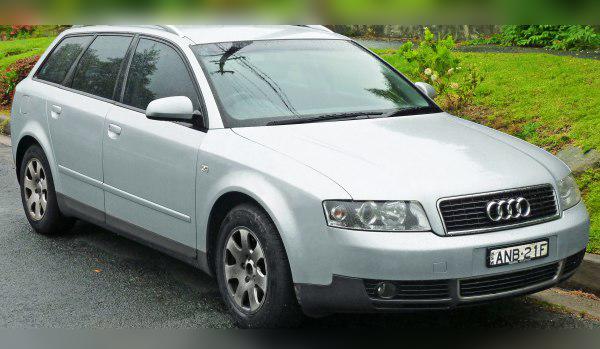
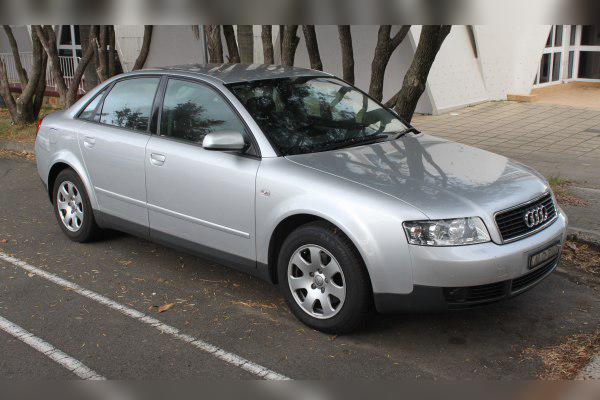
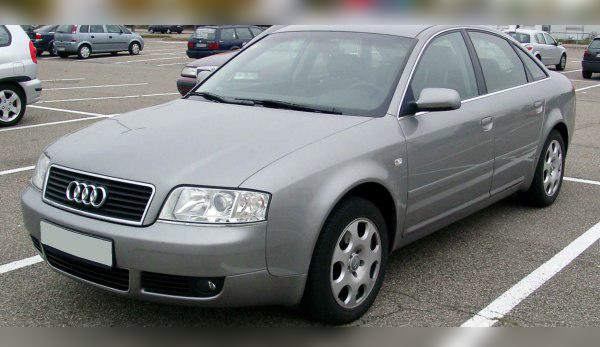
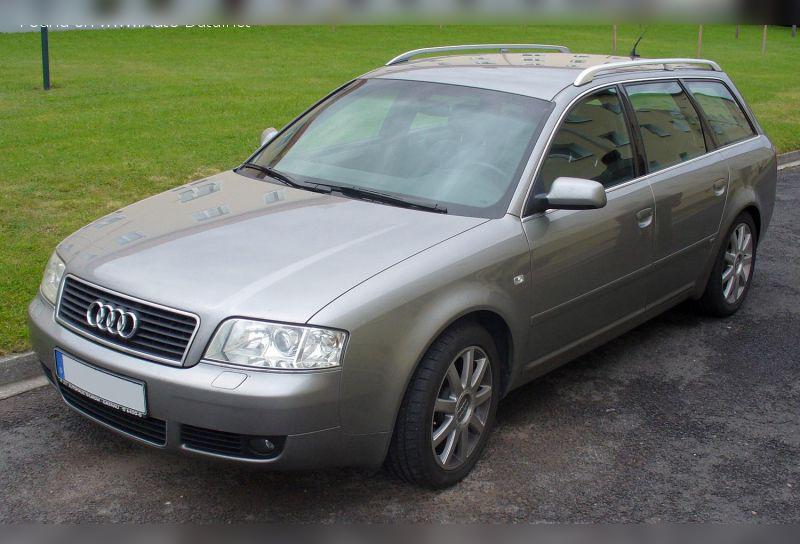
When you mention “1.9 TDI with 130 horses”, most drivers and mechanics will nod their heads with respect. The engine codes AVF and AWX represent the peak of Volkswagen’s Pumpe-Düse (PD) technology before the widespread switch to Common Rail and the introduction of strict emission standards. This engine was installed in D-segment cars across the VW Group in the early 2000s, mainly in the Audi A4 (B6), Audi A6 (C5 facelift) and the indestructible Volkswagen Passat B5.5 (Variant/Syncro/4Motion). It is characterized by a robust cast-iron block and explosive power delivery that still impresses many drivers today.
Technical specifications
| Engine displacement | 1896 cc |
|---|---|
| Power | 96 kW / 130 HP |
| Torque | 310 Nm (AVF) / 285 Nm (AWX) – figures may vary slightly |
| Engine codes | AVF, AWX |
| Injection type | Pumpe-Düse (PD) direct injection system |
| Charging | Turbocharger with variable geometry (VNT), intercooler |
Reliability and maintenance
The 1.9 TDI (AVF/AWX) uses a timing belt to drive the valvetrain. Its design is conventional, but due to the high loads generated by the PD system, it is extremely important to replace it on time. According to factory specifications, the major service is done every 90,000 km or every 5 years (whichever comes first). In practice, many mechanics recommend replacing the timing belt kit, tensioner, rollers and water pump even at 60,000 to 80,000 km if the car is driven mostly in city conditions.
As for lubrication, this engine takes about 3.8 to 4.0 liters of oil. The most important thing every owner must know is that the oil must meet the VW 505.01 specification (most often in 5W-30 or 5W-40 grades). Why does this matter? PD engines put enormous mechanical loads on the camshaft, which directly actuates the injectors. If you use regular oil, the cam lobes will wear out quickly, resulting in loss of power and costly engine repairs.
Oil consumption between services (every 10,000–15,000 km) is absolutely normal for these engines. The manufacturer tolerates up to 0.5 liters per 1000 km, but in reality, a healthy engine will consume around 0.5 to 1 liter from service to service. The most common causes of slight consumption are vapors through the breather, aging valve stem seals, or minor clearances in the turbocharger itself.
Regarding the injection system, the Pumpe-Düse injectors are extremely durable and rarely fail on their own (they can last over 300,000 km). However, the chronic weak point is the injector seals. When they fail, diesel fuel starts mixing with engine oil (the oil level on the dipstick rises), pressure is lost, and the engine becomes hard to start in the morning (it cranks for a long time before it fires). Replacing the seals is a mandatory procedure at higher mileage and the cost is not too high (depends on the market).
Specific parts and costs
In all variants with a manual gearbox, this engine is equipped with a dual-mass flywheel. Its job is to dampen strong vibrations and the sudden hit of torque. Due to age and mileage, the dual-mass flywheel is now a common replacement item. Symptoms include jerking when setting off, vibrations at idle, and a metallic rattle when switching off the engine without pressing the clutch.
The turbocharger features variable geometry (VNT). Its lifespan is long, but it is sensitive to “pensioner-style” driving. Constant low-rev city driving leads to soot buildup on the turbo vanes. When the vanes seize, the engine overboosts and the ECU puts it into the infamous “limp mode”, losing power while driving. The solution is often just cleaning the turbo rather than a complete overhaul.
For reliability enthusiasts, the great news is that AVF and AWX engines have no DPF filter and no AdBlue system, as they belong to the older Euro 3 (or early Euro 4) emission standard. This frees you from very expensive failures related to modern emission systems. However, the engine does have an EGR valve, which regularly gets dirty and clogged with soot deposits. Symptoms of a clogged EGR include black smoke when accelerating and rougher idle. Cleaning the EGR valve is a routine job, and many owners opt to have it disabled in the software as well.
Fuel consumption and performance
If you expect this car to use “three liters” of fuel as in tall tales, you will be disappointed. The cars this engine was installed in (Passat, Audi A4/A6) are heavy vehicles. Real-world fuel consumption in city driving is between 7 and 9 liters per 100 kilometers, depending on how heavy your right foot is and on the type of gearbox (automatic and quattro drive always increase consumption). On the open road the situation is much better, and you can cruise on main roads at about 5 to 5.5 l/100 km.
The engine is never “lazy”. On the contrary, power delivery from the PD system is quite brutal and harsh. The car pulls strongly from as low as 1800–1900 rpm. On the motorway it is an excellent cruiser. Versions with the AVF engine and a 6-speed manual gearbox run at a relaxed ~2200–2400 rpm at 130 km/h in sixth gear, while 5-speed versions rev a bit higher, which slightly increases cabin noise and fuel consumption at high speeds.
Additional options and modifications
When it comes to tuning potential, 1.9 TDI PD engines are probably among the best candidates for modifications ever made. The stock 130 HP can be safely raised to 160 to 170 HP with a simple Stage 1 software remap (chipping), while torque climbs to a serious 380–400 Nm. The engine handles this very well, provided that the turbo, dual-mass flywheel and injectors are in good condition. After this, drivers usually report that the car finally breathes freely and offers safer overtaking, but the more aggressive launch further shortens the lifespan of the clutch kit.
Gearbox and drivetrain
Matching this engine with the gearbox creates the biggest differences between versions. It was paired with:
- Manual gearbox (5 or 6 speeds): The best and safest choice. The gearbox mechanics are robust. Actual gearbox failures are rare. As mentioned, the main expense is consumable parts – the clutch kit with dual-mass flywheel, which is expensive to replace, and very expensive if you insist on premium parts only (depends on the market). It is recommended to change the oil in the manual gearbox at around 100,000 km to preserve smooth shifting.
- Tiptronic (conventional automatic): Mostly fitted to models with quattro/Syncro drive. This is a 5-speed hydraulic automatic. It is very comfortable and reliable, provided that the oil and filter are changed strictly every 60,000 km. It does not tolerate neglect. The most common issues on poorly maintained units are harsh engagement when shifting from P to R or D, and clutch pack slippage. In this setup the flywheel is not dual-mass but a classic torque converter, so you don’t have that specific expense.
- Multitronic (CVT gearbox): By far the weakest point, reserved for Audi models with front-wheel drive only (FWD). Multitronic uses a system of belts and cones and simulates gears. It is extremely prone to failure, repairs of the control unit (TCU) or mechanical parts are eye-wateringly expensive (very expensive, depending on the market), and the gearbox does not tolerate the high torque produced by the TDI. The absolute recommendation from mechanics is that, if you are buying used, you should avoid Multitronic at all costs.
Buying used and conclusion
Buying a 1.9 TDI with 130 HP (AVF/AWX) today means buying a car that is over two decades old. These engines can easily cover up to a million kilometers, so the odometer reading (which is almost always rolled back) is not a reliable indicator of the car’s condition. When inspecting a car, make sure to do the following:
- Cold start: The engine should start “on half a turn” without clouds of white or grey smoke. If it cranks for a long time, the likely culprits are injector seals or the tandem pump.
- Idle: Listen to the engine. If you hear a dull knocking sound in the area of the air filter (a “bubu-bubu” noise), it is a sign that the camshaft lobes are worn or that the hydraulic lifters are damaged due to poor oil.
- Test drive: Floor the throttle in third gear from 1500 rpm upwards. The car must not hesitate or jerk. If you leave a cloud of black smoke behind you that doesn’t stop, the EGR is stuck or there is a boost leak somewhere in the turbo hoses.
- Diagnostics: Using VCDS diagnostics is a must. Check injector corrections (group 13); values should be as close to zero as possible (deviations greater than +/- 1.5 mg/str indicate problems).
Who is this engine for? The AVF and AWX codes are an ideal choice for drivers who want a reliable, spacious workhorse that is cheap to run in terms of not having modern eco-systems. Although the technology is old and a bit noisier (the characteristic rattle of PD injectors), with proper maintenance these engines will outlive the bodywork of the car itself. Just be prepared to sort out small things at the beginning, such as seals, vacuum hoses and EGR cleaning, stay away from the Multitronic gearbox, and this engine will faithfully serve you for hundreds of thousands of kilometers.