1.8T AWT Engine (150 hp) – Experiences, Issues, Fuel Consumption and Used-Car Buying Tips
Key points (TL;DR)
- Great compromise: One of the best older turbo petrol engines, offering excellent performance with robust mechanics.
- Combined timing drive: Uses both a timing belt (main drive) and a small camshaft chain (problematic tensioner).
- Fuel consumption: Quite high in city driving (often over 11 l/100 km).
- LPG: An ideal platform for installing a sequential LPG system, which drastically reduces running costs.
- Weak spots: Sensitive ignition coils, oil leaks from the valve cover gasket, PCV valve issues (crankcase ventilation system).
- Transmissions: Avoid Audi’s Multitronic transmission at all costs; manual and Tiptronic are far more reliable.
- Tuning potential: The engine handles a Stage 1 remap extremely well and safely goes to about 180–190 hp.
Contents
- Introduction: An automotive industry icon
- Technical specifications
- Reliability and maintenance
- Specific parts and costs
- Fuel consumption and performance
- Additional options and modifications
- Transmissions and drivetrain
- Buying used and conclusion
Introduction: An automotive industry icon
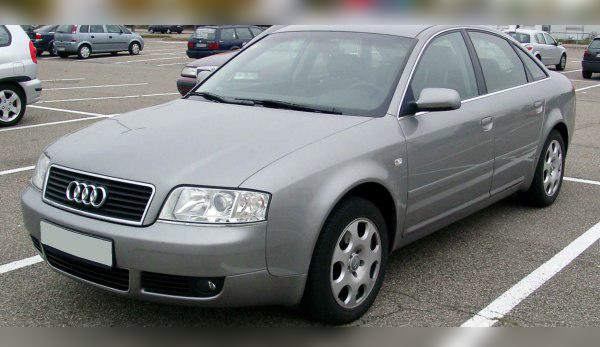
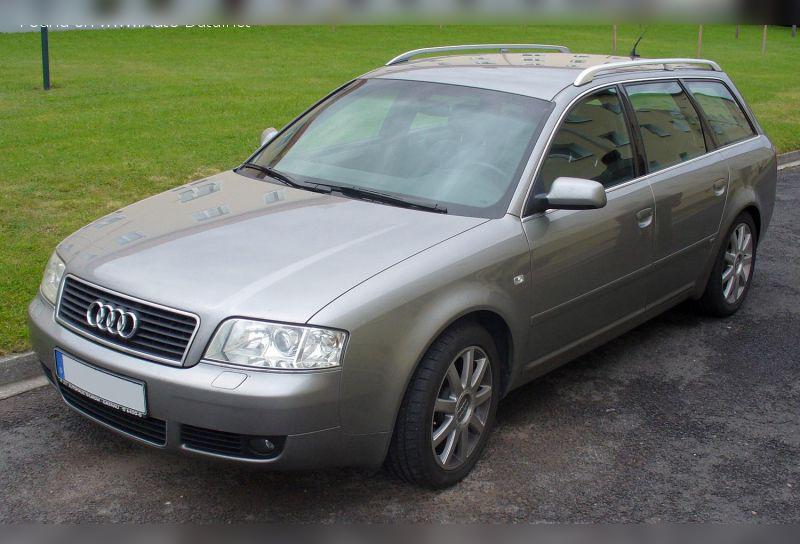
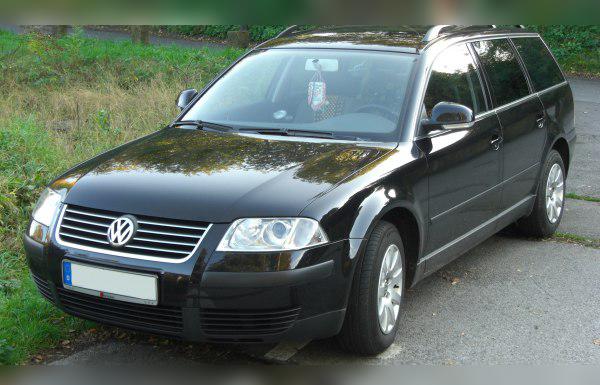
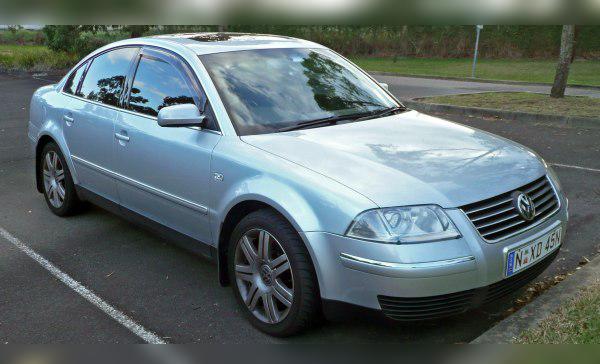
The engine designated as AWT is one of the most recognizable iterations of the legendary Volkswagen/Audi 1.8T 20V unit. Longitudinally mounted, it found its home in large and popular sedans and wagons such as the Volkswagen Passat B5.5 and Audi A6 C5 (after the 2001 facelift). Thanks to its five-valve-per-cylinder design (three intake, two exhaust) and the presence of a turbocharger, this engine offered, in the late nineties and early 2000s, diesel-like flexibility combined with the refinement and peak power typical of petrol engines. Today it is one of the most sought-after “old-school” petrol engines on the used-car market, primarily because of its durability and ease of maintenance compared to the more modern TSI/TFSI engines that replaced it.
Technical specifications
| Parameter | Data |
|---|---|
| Engine displacement | 1781 cc |
| Power | 110 kW (150 hp) at 5700 rpm |
| Torque | 210 Nm at 1750–4600 rpm |
| Engine code | AWT |
| Injection type | MPI (Multi-Point Injection – port fuel injection) |
| Induction | Turbocharger (K03) with intercooler |
| Number of valves per cylinder | 5 (20 valves in total) |
Reliability and maintenance
Hybrid timing drive: Belt and chain
What often confuses owners is the timing setup. The AWT engine uses a timing belt that drives the exhaust camshaft and the water pump. However, at the rear of the cylinder head (towards the firewall) there is a small chain that links the exhaust camshaft to the intake camshaft. This chain is tensioned by a hydraulic tensioner. The major service (replacement of timing belt, rollers, tensioner and water pump) is done preventively at around 90,000 to a maximum of 120,000 km. The small chain and its tensioner, on the other hand, are replaced when they start making noise (rattling on cold start), which usually happens around 200,000 km.
Oil: Capacity, grade and consumption
The AWT takes about 3.7 liters of oil (with filter). For typical Central/Eastern European climate conditions, the best recommendation is a quality full-synthetic 5W-40 oil (meeting VW 502.00), and 5W-30 in extremely cold regions. Since this is an older-generation turbo petrol engine, some oil consumption is normal. The manufacturer tolerates up to 0.5 l/1000 km, but in practice a healthy engine will use around 1 to 1.5 liters between two services (over 10,000 km). If the engine consumes significantly more, the most common causes are hardened valve stem seals, worn piston rings, or worn bearings in the turbocharger.
Most common failures and issues
Overall, the AWT is a real workhorse, but it has its quirks. The ignition coils are extremely sensitive; they often fail without warning, causing the engine to run on three cylinders (it shakes, loses power, and the “Check Engine” light comes on). Experienced owners always keep a spare coil in the trunk. Since this is a turbo petrol engine, spark plugs must be of good quality (platinum or iridium), and it is recommended to replace them every 60,000 km.
The PCV (Positive Crankcase Ventilation) system, i.e. the oil vapor separator, also often cracks or clogs. When that happens, pressure builds up in the crankcase and forces oil out everywhere; most commonly the valve cover gasket fails, so oil leaks directly onto the exhaust manifold (you’ll smell burning oil in the cabin) or fills the spark plug wells.
Specific parts and costs
Turbocharger and fuel injection system
The AWT uses a single turbocharger, the well-known BorgWarner KKK K03. Its lifespan largely depends on the owner. If the oil is changed regularly (every 10,000 km) and the driver has the habit of not switching off a hot engine immediately after highway driving (but letting it idle for about 30 seconds so the oil can cool the turbo), this turbo can easily last over 300,000 km. Symptoms of a failing turbo include bluish smoke from the exhaust (burning oil) and pronounced whistling/howling under acceleration.
The fuel system is classic MPI (port injection into the intake manifold). The injectors are practically indestructible on this engine. There are no issues with carbon buildup on the valves as with modern FSI/TFSI engines, which significantly reduces maintenance costs.
EGR, DPF, AdBlue – forget about them
Since this is an older petrol engine, it does not have a DPF filter, nor does it use AdBlue. It also doesn’t use a traditional EGR valve like diesels do, but instead relies on a “Secondary Air Injection” system (secondary air pump) to quickly heat up the catalytic converter on cold start. This pump can sometimes sound like a vacuum cleaner early in the morning, but repairs are not complex.
Fuel consumption and performance
This is not an engine for those who count every drop of fuel. Due to the high weight of the cars it is fitted to (the Passat B5.5 and Audi A6 are heavy vehicles), real-world city consumption is between 11 and 13 l/100 km. If the car has all-wheel drive (quattro/4Motion) and an automatic transmission, that figure can go up to 15 liters in heavy traffic.
In terms of performance, the engine is anything but sluggish. Thanks to the small K03 turbocharger, the maximum torque of 210 Nm is available from just 1750 rpm. On the road it feels very smooth, pulls strongly from low revs and is excellent for overtaking. It is very comfortable on the motorway, but in versions with the 5-speed manual gearbox, at a cruising speed of 130 km/h the crankshaft spins at a relatively high 3,300 to 3,500 rpm, which can slightly increase cabin noise and fuel consumption, which on the open road is around 7 to 8.5 l/100 km.
Additional options and modifications
LPG – A lifesaver for your wallet
The main reason why the 1.8T AWT is still extremely popular is its perfect compatibility with LPG. Thanks to its port MPI injection, installing a sequential LPG system is quite straightforward and not very expensive (depending on the market). The engine runs smoothly on gas, with no noticeable power loss, and given the high city petrol consumption, the investment in LPG pays off very quickly.
Chiptuning (Stage 1)
The engine block, connecting rods and crankshaft are very robustly engineered. This engine is famous for tolerating a serious power increase. With a basic ECU remap (Stage 1), without any physical modifications, power can be safely raised from 150 hp to 180–190 hp, and torque jumps to around 270–280 Nm. The car becomes noticeably quicker, while fuel consumption under normal driving conditions remains the same.
Transmissions and drivetrain
Manual gearboxes and dual-mass flywheel
This engine is most commonly paired with a 5-speed manual gearbox. These gearboxes are virtually indestructible. The factory calls the oil in the manual gearbox “lifetime fill”, but any good mechanic will recommend changing it every 100,000 km to preserve the synchros. Yes, the AWT combined with a manual gearbox does have a dual-mass flywheel. Replacing it together with the clutch kit falls into the category of expensive repairs (depending on the market). Symptoms of a worn flywheel include strong vibrations when setting off and knocking from the bellhousing area when switching off the engine.
Automatic transmissions: Tiptronic vs Multitronic
When it comes to automatics, things are drastically different depending on what’s under the car:
- Tiptronic (5-speed, made by ZF): Installed in Passat and Audi A6 models (most often with quattro). This is a conventional automatic with a torque converter. It is very reliable if the oil is changed regularly (every 60,000 km). If servicing is neglected, the valve body (hydraulic block) fails.
- Multitronic (CVT transmission): Installed exclusively in Audi A6 (AWT) models with front-wheel drive only. This is the transmission you should avoid at all costs! It is notorious for terrible reliability, chain breakage inside the gearbox and TCM (transmission control module) failures. Repairs are very expensive and often not worth it.
Buying used and conclusion
What to look out for when viewing a car?
When buying a car with the 1.8T AWT engine, insist on starting the engine for the first time when it is completely cold. Listen carefully to the rear of the engine – if you hear a sharp metallic rattle (like a bicycle chain) that lasts a few seconds and then disappears, the cam chain tensioner is due for replacement. Pull out the dipstick while the engine is running; there should be no strong blow-by or oil splatter. Ask someone to rev the engine while you stand behind the car; blue smoke indicates turbo or piston ring issues, black smoke means too much fuel, and white smoke (once the engine is warm) points to coolant loss.
Always hook the car up to VCDS diagnostics, check for coil-related errors (misfires), and ask for a test drive so you can feel whether the turbo pulls smoothly around 2000 rpm without hesitation.
Who is this engine for?
The 1.8T AWT engine is intended for drivers who want a reliable, comfortable and powerful car for long trips and everyday use, and who are not bothered by slightly higher fuel consumption. If you plan to install an LPG system, this engine is an absolute “best buy” in its class. Thanks to cheap parts (with the exception of the dual-mass flywheel and cam chain tensioner) and simple diagnostics, any mechanic will know how to repair it. Avoid Multitronic models, look for well-maintained manuals or Tiptronics, change quality oil regularly, and this engine will serve you for hundreds of thousands of kilometers.