Engine 1.4 16V BBY (75 HP): Experiences, issues, fuel consumption and buying used
Key points (TL;DR)
- Reliable naturally aspirated engine, without expensive components such as a turbocharger and dual-mass flywheel.
- Timing belt drive with a specific two-belt system that requires careful replacement.
- Increased oil consumption at higher mileage is common (piston rings and valve stem seals).
- EGR valve and throttle body often get dirty, causing rough idle.
- Handles LPG (autogas) conversion very well, which drastically reduces running costs.
- Ideal for city driving, but sluggish on the highway due to lack of power in heavier body styles (Combi/Sedan).
Contents
- Introduction: About the 1.4 16V BBY engine
- Technical specifications
- Reliability and maintenance
- Specific components (costs)
- Fuel consumption and performance
- Additional options and modifications
- Gearbox and drivetrain
- Buying used and conclusion
Introduction: About the 1.4 16V BBY engine
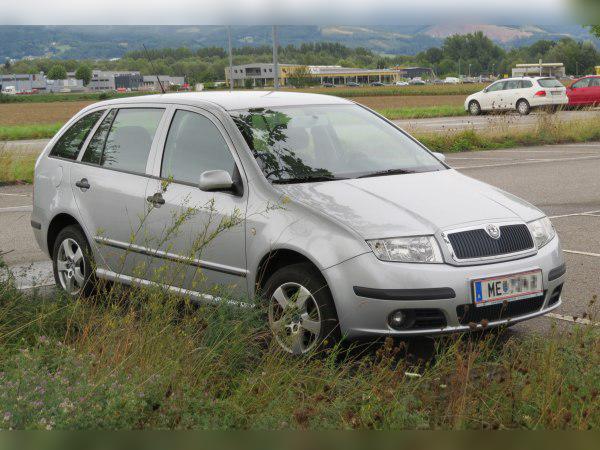
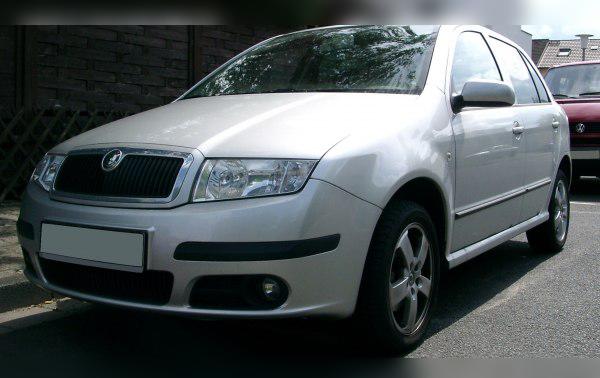
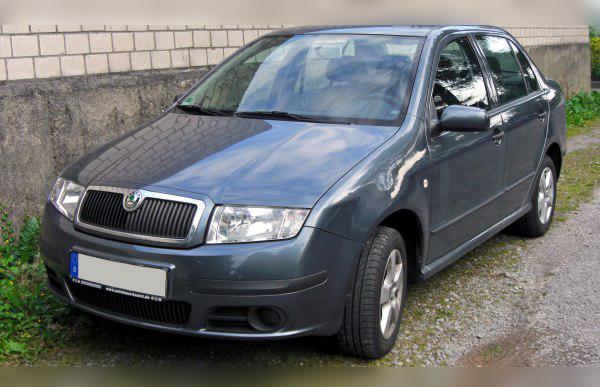
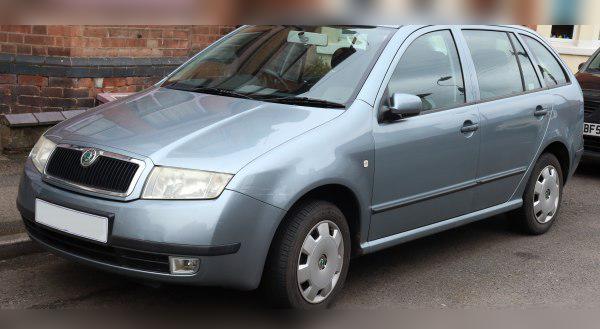
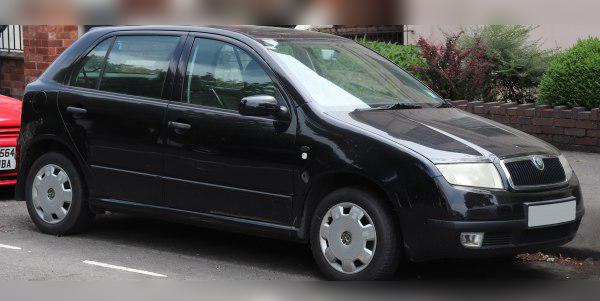
The engine with the code BBY is one of the best-known naturally aspirated petrol engines from the VW Group from the early 2000s. It replaced older engine generations and brought 16 valves, better power delivery and smoother operation. It was widely installed in the Škoda Fabia I (6Y), including the facelifted versions (facelift 2004), as well as in the more practical Combi (estate) and Sedan variants. This unit is considered a “workhorse” – it is intended for drivers who want cheap maintenance, simple engineering and transport from point A to point B, without any sporty ambitions.
Technical specifications
| Engine displacement | 1390 cc |
| Power | 55 kW (75 HP) at 5000 rpm |
| Torque | 126 Nm at 3800 rpm |
| Engine code | BBY |
| Injection type | Multi-Point Injection (MPI) |
| Aspiration | Naturally aspirated |
Reliability and maintenance
Timing belt or chain?
This engine uses a timing belt, with one important peculiarity. Instead of one, the BBY has two timing belts (the main one that runs from the crankshaft and drives the intake camshaft, and a smaller one that connects the intake and exhaust camshafts). If either of these belts snaps, bent valves and serious engine damage are guaranteed. That’s why regular maintenance of this system is an absolute priority.
Major service and most common failures
The major service is typically done at around 90,000 km or every 5 to 6 years (whichever comes first). It is mandatory to replace both belts, all idler pulleys, tensioners and the water pump. The most common failures on this engine are related to the peripherals and ignition system. The ignition coils often fail. Since the engine has one coil per cylinder, when one fails the engine starts to misfire, runs on three cylinders, loses power and turns on the “Check Engine” light. Also, a dirty throttle body is a hallmark of this engine – symptoms are fluctuating idle speed and occasional stalling at traffic lights. Cleaning the throttle body is not expensive (depends on the market), but it does require adaptation with diagnostic equipment.
Oil and spark plugs
The engine takes about 3.2 litres of engine oil. The recommended grade for healthy engines is 5W-40 (meeting VW 502.00 specification), while mechanics often switch to 10W-40 on higher-mileage examples to reduce oil consumption.
Does it burn oil? Yes, absolutely. The BBY engine is known for starting to consume oil over time due to hardened valve stem seals and worn oil control rings. According to the manufacturer, up to 0.5 litres per 1000 km is considered within tolerance, although in practice anything over 0.3 litres is a sign that the engine is ready for a refresh. Checking the dipstick every second refuelling is a must.
Since this is a petrol engine, the spark plugs should be replaced every 60,000 km. If you don’t replace them on time, you significantly increase the risk of coil failure.
Specific components (costs)
The biggest advantage of this engine is what it doesn’t have, which drastically lowers maintenance and repair costs:
- Dual-mass flywheel: This engine does not have a dual-mass flywheel. The clutch uses a conventional (solid) flywheel, which means that replacing the complete kit is very affordable and not expensive (depends on the market).
- Injection system: The MPI (Multi-Point Injection) system is very reliable. Injectors very rarely cause problems. If they do get clogged by dirty fuel, they are easy to remove and clean in an ultrasonic bath.
- Turbocharger: The engine is naturally aspirated, without a turbo. This means you won’t face expensive turbocharger overhauls and repairs.
- DPF filter, EGR and AdBlue: As this is a petrol engine, it has no DPF filter and does not use AdBlue fluid. However, it does have an EGR valve. The EGR on the BBY engine often fails or gets clogged with oil vapours and exhaust deposits. Symptoms are the check engine light, rough running and loss of throttle response. Replacement or mechanical blanking are options that are often used.
Fuel consumption and performance
City driving
In stop-and-go city traffic, real-world consumption is between 8 and 9.5 l/100 km, especially in winter or when driving with the air conditioning on. Do not expect extreme frugality in heavy traffic conditions.
Body weight vs power
With 75 HP and only 126 Nm of torque, the engine is perfectly adequate for a standard Fabia in city driving. But is it “lazy”? Yes, especially in Combi and Sedan versions. An estate loaded with passengers and luggage, with the AC on and going uphill, will require you to rev the engine very high just to get minimum performance. Overtaking requires good judgement and definitely shifting down.
Behaviour on the highway
This is not a highway car. The gearbox is relatively short. At a cruising speed of 130 km/h in fifth gear, the engine spins at about 3800 to 4000 rpm. The result? Cabin noise becomes tiring, and fuel consumption rises to over 8 l/100 km. Its real “comfort zone” on open roads is country roads at speeds of 80 to 100 km/h.
Additional options and modifications
LPG (autogas) conversion
This engine is a perfect candidate for LPG. Thanks to the conventional MPI injection, installing a sequential LPG system is simple, safe and very cost-effective (depends on the market). The engine handles LPG very well, the valves are not prone to rapid burning, and performance does not noticeably change.
Remapping (Stage 1)
Is it worth remapping it? Plain and simple: No. Small-displacement naturally aspirated engines do not have power reserves that can be unlocked by software. A so-called “Stage 1” would, on paper, bring 5 to at most 7 horsepower, which you will not feel in real driving. It is much wiser to invest that money in regular servicing.
Gearbox
With the Fabia and the BBY engine, a classic 5-speed manual gearbox and a 4-speed automatic gearbox (older type with a torque converter) were installed.
- Manual gearbox: Very precise and durable. The most common issues include worn shift linkage guides (the gear lever gets “play”) and difficulty engaging first gear. As mentioned, there is no dual-mass flywheel, so the clutch kit is cheap. It is recommended to change the oil in the manual gearbox (75W-90 specification) at around 100,000 km, even though many claim it is not necessary. It will significantly extend its lifespan.
- Automatic gearbox: The old automatic is robust, but its mere 4 gears make an already sluggish engine even slower and increase fuel consumption by about 1 to 1.5 l/100 km in the city. If you opt for an automatic, be sure to check whether it jerks when shifting (especially from first to second). Changing the oil and filter in the automatic gearbox is mandatory every 60,000 km. Neglecting this service leads to valve body failure, which is a very expensive and often uneconomical repair (depends on the market).
Buying used and conclusion
What to check before buying?
During the test drive and inspection of a car with the BBY engine, pay attention to the following:
- Exhaust smoke: Ask someone to drive behind you. If, under hard acceleration or during gear changes, the car emits “bluish” smoke, the engine is definitely burning larger amounts of oil. A compression test by a mechanic is mandatory in that case.
- Idle behaviour: Start the car and watch the rev counter needle. If it fluctuates up and down or the engine vibrates, the problem is most likely a dirty throttle body or a failing ignition coil.
- Hydraulic lifter noise: On a cold start, listen to the engine. Ticking noises that are heard for the first few seconds are normal, but if the ticking remains when the engine is warm, the hydraulic lifters are due for replacement or the engine has been driven with low oil level.
- Oil filler cap: Unscrew the oil filler cap. In winter, white sludge (“mayonnaise”) often accumulates there due to condensation during short trips, but if there is too much of it and the coolant level in the expansion tank is dropping, it may indicate a head gasket problem.
Who is this engine for?
The 1.4 16V (BBY) engine with 75 HP is an excellent choice for beginner drivers, for everyday city use, commuting to work and back, or as a reliable car for LPG conversion. The mechanics are simple, parts are available everywhere, and maintenance is not expensive (depends on the market). However, if you often drive on motorways, go on long trips with a full boot, or simply like a more dynamic driving style, this engine in a Fabia (especially the Combi version) will disappoint you with its sluggishness and noise at high revs. Carefully check oil consumption and the status of the major service before handing over your money.