Engine 1.4 16V (BCA): Experiences, problems, fuel consumption and used-car buying tips
Key points in short (TL;DR)
- No expensive parts: This engine has no turbocharger and no dual-mass flywheel, which makes basic maintenance cheap.
- Oil consumption: Notorious for increased oil consumption due to poor piston rings and valve stem seals.
- Performance: Extremely “lazy” engine for heavier bodies such as Škoda Octavia, VW Golf V or VW Caddy.
- PCV freezing: During harsh winters, the crankcase ventilation valve (PCV) can freeze, causing oil to be pushed out through the dipstick tube.
- Ideal for LPG: Thanks to simple MPI injection, installing an LPG system is very cost‑effective and highly recommended.
- Not for highway use: At 130 km/h it runs at high revs, cabin noise is significant, and fuel consumption rises sharply.
Contents
- Introduction: Old-school VW engineering
- Technical specifications
- Reliability, failures and maintenance
- Specific parts and fuel injection
- Real-world consumption and performance
- LPG and chip tuning
- Gearbox and clutch
- Buying used and conclusion
Introduction: Old-school VW engineering
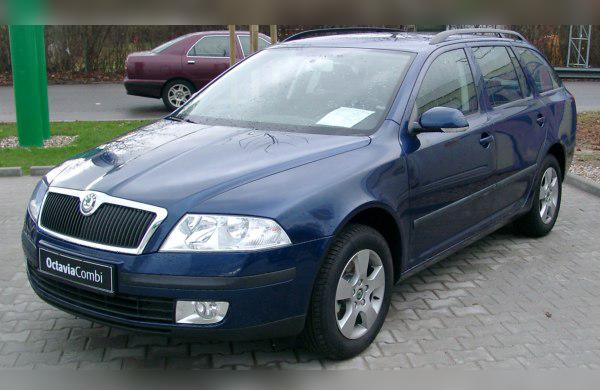
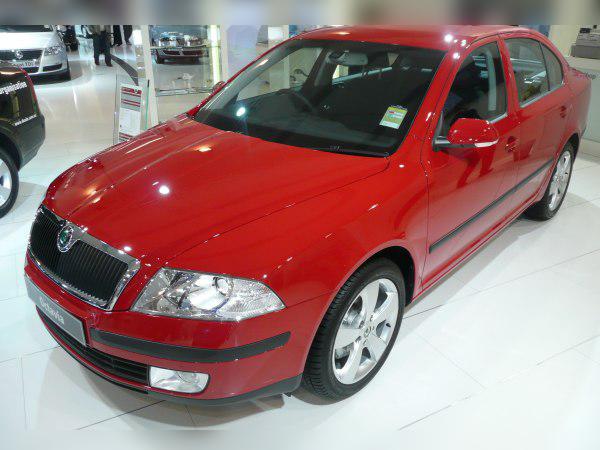
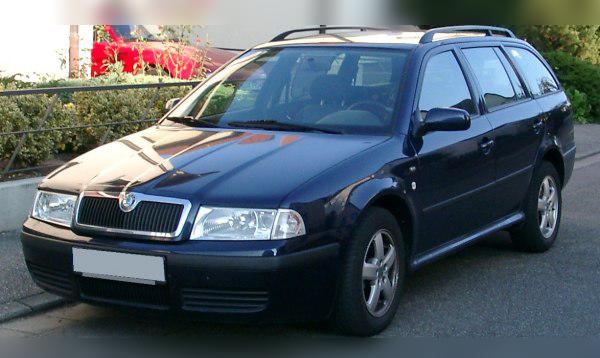
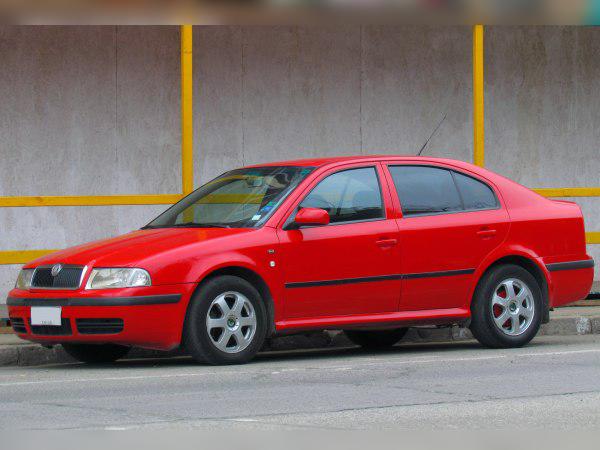
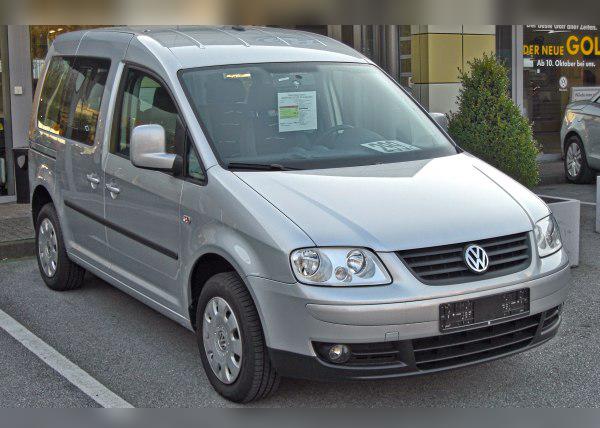
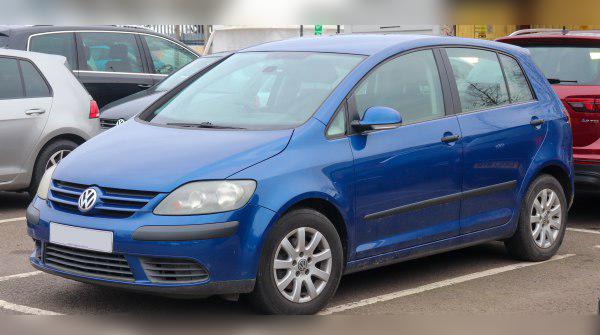
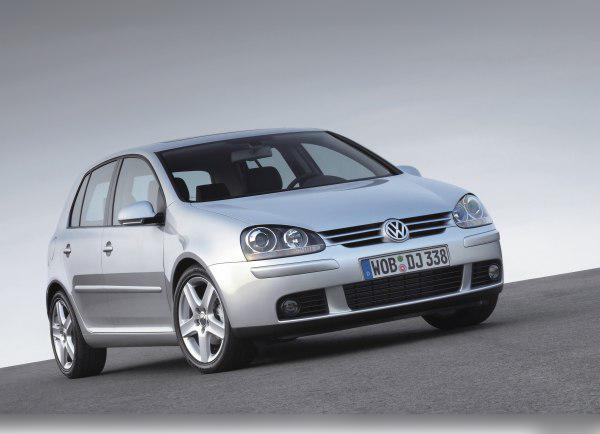
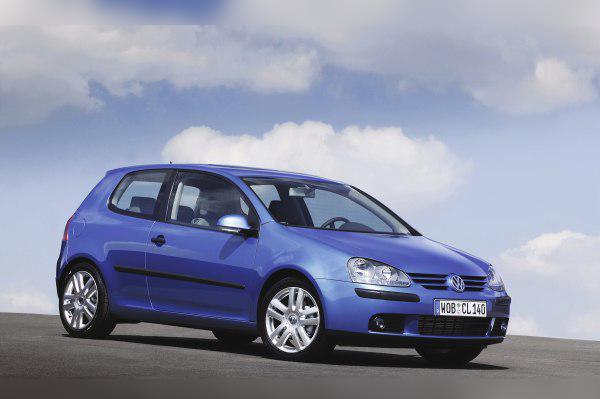
The engine designated BCA represents a transitional generation and one of the most widespread powerplants in the Volkswagen Group in the early and mid‑2000s. It is a naturally aspirated, classic 1.4‑liter petrol engine with 16 valves, delivering a modest 55 kW, i.e. 75 hp. Although on paper it seems like an ideal engine for smaller city cars, the VAG Group installed it on a large scale in heavier C‑segment models and light commercial vehicles such as Škoda Octavia I and II, VW Golf V and even VW Caddy. The mismatch between vehicle weight and the modest 126 Nm of torque has defined drivers’ experiences across Europe – this is a workhorse meant for relaxed driving, not for breaking speed records.
Technical specifications
| Parameter | Value |
|---|---|
| Engine code | BCA |
| Displacement | 1390 cc |
| Power output | 55 kW (75 hp) |
| Torque | 126 Nm |
| Injection type | MPI (Multi-Point Injection) |
| Induction | Naturally aspirated (No turbo) |
| Fuel | Petrol (Gasoline) |
Reliability, failures and maintenance
One of the first questions every mechanic hears is: Does this engine have a timing belt or a chain? The BCA engine has a rather specific timing system with two timing belts. The main belt connects the crankshaft to one camshaft, while a shorter, secondary belt connects the two camshafts to each other. Because of this design, the major service is somewhat more expensive than on simpler engines, and replacement is recommended every 90,000 km or every 5 years. Skipping this interval can lead to the smaller belt snapping and total engine failure.
Most common failures and the “oil flood”
The thing the BCA engine is best known for is its oil consumption. Due to a design flaw in the piston rings and faster wear of the valve stem seals, this engine loses oil into the combustion chamber. Consumption of 0.5 liters per 1000 km is, according to the manufacturer, considered “normal”, but in practice this means that between two minor services the driver may have to top up several liters of oil. Drivers most easily notice this by bluish smoke from the exhaust on cold start or during sudden throttle application.
Besides the rings, a serious issue is the crankcase ventilation system (PCV). During cold winters, condensation in the hoses can freeze. When crankcase pressure rises due to the blockage, the engine literally throws out almost all the oil through the dipstick tube. If this is not noticed in time, the crankshaft runs “dry” and the engine seizes. The solution is to install a PCV heater or to clean the oil separator regularly before winter.
Regular maintenance
The engine holds about 3.2 liters of engine oil. The most commonly recommended grades are 5W‑40 or 10W‑40 (if the engine already has increased oil consumption and higher mileage). Since this is a petrol engine, regular replacement of the spark plugs is crucial for smooth running; replacement is recommended every 60,000 km. Ignition coils (each plug has its own coil) also often fail, which the driver feels as jerking while driving and the engine running on three cylinders (the Check Engine light comes on).
Specific parts and fuel injection
When it comes to components that usually drain the wallets of modern car owners, the BCA engine is a real relief. This engine has no dual-mass flywheel – it uses a classic solid flywheel that practically lasts as long as the car itself. It also has no turbocharger, which eliminates a whole range of potentially expensive failures.
The injection system is the good old MPI (Multi-Point Injection). The petrol injectors mounted in the intake manifold are extremely durable and are not exposed to the huge pressures and temperatures seen in direct‑injection engines (FSI/TSI), and they rarely cause problems. Even if they get dirty due to poor fuel quality, they can be cleaned cheaply in an ultrasonic bath.
Since this is an older‑generation petrol unit, it has no DPF filter and does not use AdBlue. However, it does have an EGR valve, which can be a headache. Because of the aforementioned oil consumption and poorer combustion, the EGR valve often and quickly clogs with soot. Symptoms include rough idle, fluctuating revs and stalling when you press the clutch while approaching a traffic light.
Real-world consumption and performance
To be completely honest: the BCA engine with 75 hp is very sluggish in models such as the Škoda Octavia Combi, VW Golf V Plus or VW Caddy. Overtaking a truck on a country road requires planning your calendar, dropping back into third gear and having plenty of space. The meagre 126 Nm of torque means you will have to use the gearbox very often if you want to keep up with the pace of modern traffic.
As for fuel consumption, do not expect miracles despite the small displacement. Because it struggles with a curb weight of over 1200–1300 kg, real‑world consumption in city driving regularly exceeds 8.5 to 10 l/100 km, especially with the A/C on. On open roads, if you drive smoothly at around 80 km/h, consumption can drop to a decent 6 l/100 km.
The motorway is this engine’s enemy. The gearbox ratios are short. To maintain 130 km/h, the engine spins at a very high 3800 to 4100 rpm (depending on the gearbox in the specific model). Because of this, cabin noise becomes tiring and fuel consumption rises sharply, easily exceeding 8.5 liters per 100 km.
LPG and chip tuning
One of this engine’s biggest strengths is its tolerance for alternative fuels. Is this engine suitable for LPG? Absolutely. Thanks to the MPI injection system and an aluminum head that handles temperatures well, installing a sequential LPG system is simple and very cost‑effective. The investment in an LPG kit is not high (depends on the market) and pays off quickly through savings, and the engine does not noticeably lose in longevity.
When it comes to modifications and increasing power, if you are planning a “Stage 1” remap, save your money. This naturally aspirated engine physically cannot get significantly more air and fuel just by changing the software. In the best case, you can expect a gain of 4 to 6 hp and a few Nm of torque, which you will not really feel in everyday driving. These engines are bought to last at the pace they were set for from the factory.
Gearbox and clutch
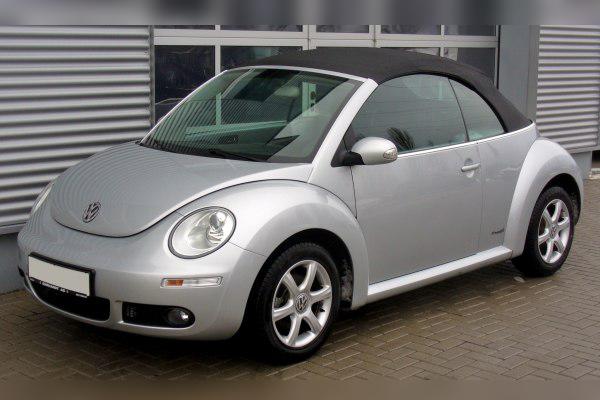
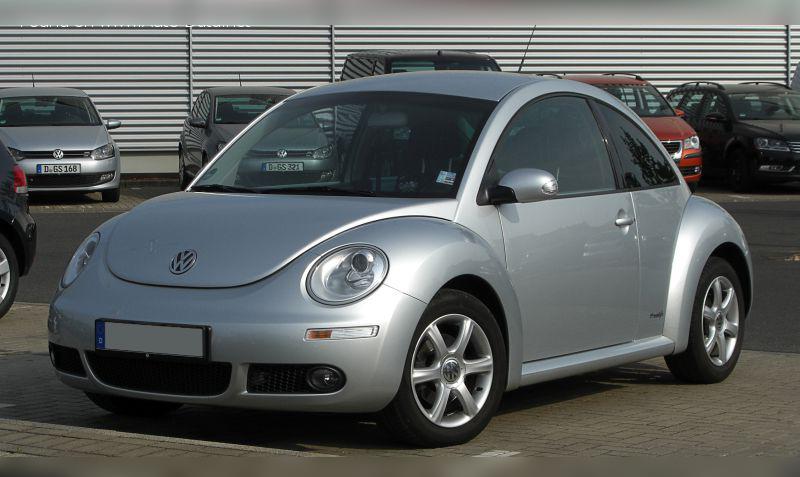
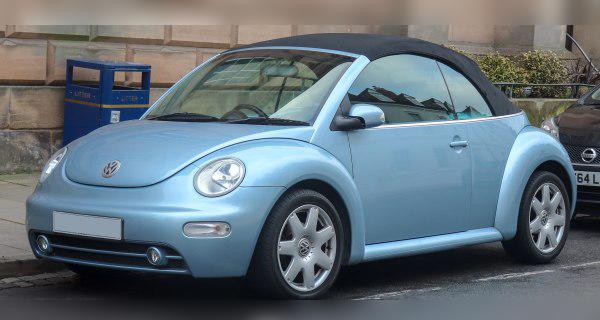
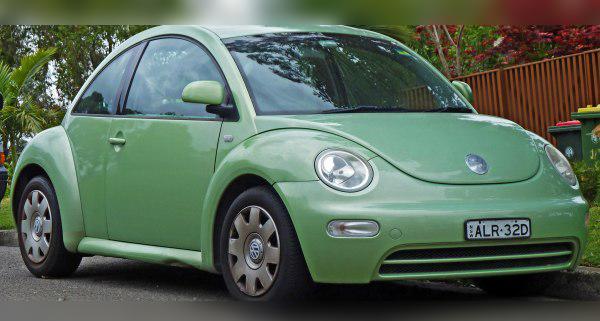
The BCA engine was most commonly paired with a 5‑speed manual gearbox (the well‑known 02K and 02T series). In isolated cases, in models like the VW New Beetle and some versions of the Octavia II, you could pay extra for an automatic gearbox, the old‑school 4‑speed unit with a torque converter (no DSG with this power output).
With the manual gearbox, the most common failures relate to worn input shaft bearings (you hear a characteristic whine while idling that disappears when you press the clutch) and occasional problems with the synchronizers for first and second gear. Older versions of these gearboxes had an issue with differential rivets that could break and punch through the gearbox casing, although with the BCA generation this problem is much rarer than on older 1.4 and 1.6 8‑valve engines.
Automatic gearboxes are durable, but they further “strangle” the already weak performance and noticeably increase fuel consumption in the city. The most common issue is harsh shifting, which is usually solved by regular oil changes.
The cost of clutch replacement is a minor item in the maintenance budget because, as mentioned, this model has no dual‑mass flywheel. Replacing the clutch kit (pressure plate, disc, release bearing) is considered affordable and not expensive (depends on the market). As for service intervals for the gearboxes, good mechanics generally recommend changing the oil in the manual gearbox every 80,000 to 100,000 km, while the oil in the automatic (if you have one) should be changed strictly every 60,000 km.
Buying used and conclusion
When checking out a used car with the 1.4 16V BCA engine at a dealer or from a private seller, it is crucial to pay attention to the following details:
- Cold start sound: Due to shorter pistons and clearances, these engines can sound like diesels for the first minute or two until they warm up (the so‑called “piston slap”). If the noise remains even after the engine reaches operating temperature, walk away from that car.
- Check the exhaust and PCV system: Be sure to remove the oil filler cap while the engine is running and check the PCV hose. If you find a thick layer of “mayonnaise” (white sludge) under the cap in the middle of summer, the crankcase ventilation is clogged. Have someone rev the engine while you watch the exhaust; blue smoke means worn rings.
- On‑the‑spot diagnostics: An OBD scan will easily reveal problems with the EGR valve, lambda sensors or misfire issues caused by bad ignition coils.
Conclusion: Who is a car with the BCA engine intended for? This vehicle is strictly for defensive drivers, family people who mostly drive in urban and suburban conditions, and taxi drivers who recognize a fantastic opportunity to install LPG. If you can live with occasionally topping up oil and forget about fast driving, you will get a robust machine whose maintenance costs are on par with much cheaper lower‑class models. However, if you cover a lot of motorway mileage or carry heavy loads in a VW Caddy, a diesel engine from the same manufacturer is strongly recommended.