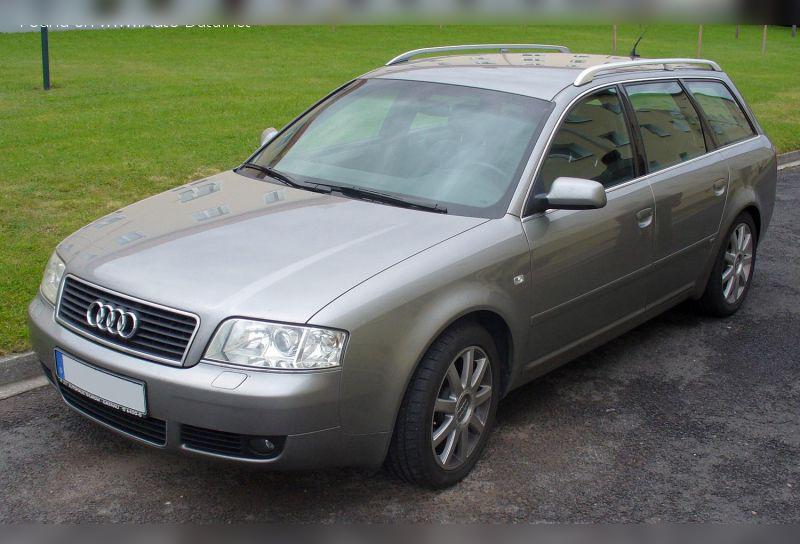
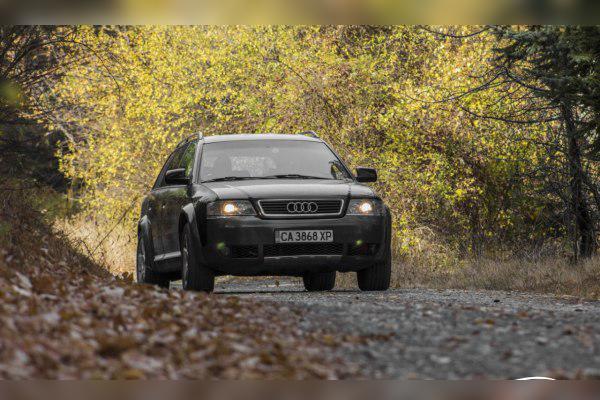
Audi 2.5 TDI V6 (BDG, BFC) 163 HP: Experiences, problems, fuel consumption and used-car buying tips
Most important in short (TL;DR)
- The engine code difference is crucial: The BDG engine has a newer camshaft system (with rollers) and is far more reliable than the BFC engine, which still suffers from camshaft wear.
- Bosch pump: The notorious Bosch VP44 pump is present and remains the most expensive failure point (electronics and mechanics).
- Timing belt: The drive is belt-driven, and the major service is very complex and requires removing the entire front end of the car (“service position”).
- Avoid Multitronic: If you’re buying a front-wheel-drive automatic, you’re getting a CVT (Multitronic) gearbox, which is extremely failure-prone when paired with this much torque.
- Great for cruising: This is not a car for city traffic jams (high fuel consumption, front suspension wear due to the heavy engine), but it is made for swallowing hundreds of highway kilometers.
- Emissions systems: There is no DPF filter or AdBlue system, which drastically reduces potential headaches and maintenance costs.
Contents
- Introduction: The infamous V6 with a repaired reputation
- Technical specifications
- Reliability and maintenance
- Specific parts and costs
- Fuel consumption and performance
- Additional options and modifications
- Gearbox and drivetrain
- Buying used and conclusion
Introduction: The infamous V6 with a repaired reputation
When the Audi 2.5 TDI V6 is mentioned among mechanics, many still get chills because of the first generations of this engine (codes AFB, AKN, AKE) with 150 and 180 HP. Those engines were notorious for catastrophic camshaft wear. However, with the introduction of the Audi A4 (B6) and the facelifted Audi A6 (C5), Audi released a 163 HP (120 kW) version.
This is where we come to the key split: this power output came under engine codes BFC and BDG. Although identical on paper, under the hood they are drastically different. This engine was the backbone of Audi’s upper mid-range lineup in the early 2000s and offered serious torque along with the recognizable, slightly rough sound of a V6 diesel.
Technical specifications
| Specification | Data |
|---|---|
| Displacement | 2496 cc |
| Power | 120 kW (163 HP) |
| Torque | 310 Nm |
| Engine codes | BDG, BFC |
| Injection type | Direct injection (Bosch VP44 rotary pump) |
| Aspiration | Turbocharger (VGT – variable geometry), intercooler |
| Fuel | Diesel |
Reliability and maintenance
Timing belt or chain?
This V6 engine uses a timing belt, and not just one. It has a main timing belt that drives the camshafts and water pump, plus an additional smaller belt that drives the Bosch VP44 high-pressure pump. Replacement is extremely labor-intensive because it requires the so-called “service position” – removing the front bumper, headlights and radiator. Because of this, labor costs are high.
Most common failures: BFC vs BDG
This is the most important part of the text. The BFC engine (mostly older model years) still uses the classic lifter and rocker system, which causes rapid camshaft wear. Symptoms are rougher running, loss of power and increased smoke, and the repair is very expensive (depends on the market).
On the other hand, the BDG engine introduced so‑called “hollow” camshafts with rollers (roller rockers). This permanently solved the camshaft wear issue. However, on BDG engines the hollow camshaft itself can crack if the vacuum pump seizes, although this is rarer. On both engines, oil leaks from valve covers and crankshaft seals are standard due to aging seals.
Service intervals and engine oil
The major service should be done every 90,000 to a maximum of 120,000 km. It is not advisable to postpone it, because a snapped belt leads to total engine destruction. The system holds about 5.3 to 5.5 liters of oil. Fully synthetic 5W-40 (VW 505.00 spec) is recommended, and the minor service should be done every 10,000 to 12,000 km at most, especially to protect the turbo and camshafts.
As for oil consumption, these engines in healthy condition consume very little, but consumption of around 0.5 to 1 liter per 10,000 km is considered completely normal and acceptable, most often due to evaporation through the breather or slight leakage in the turbo.
Injector condition
Unlike modern common-rail systems, this engine uses an older, two-stage injector system. The injectors are extremely robust and rarely fail mechanically. However, the third injector on the right cylinder head has a needle lift sensor (pilot injector). The electronics in this injector often fail, causing the engine to go into “safe mode” (loss of power) and log a fault code. A new pilot injector is expensive (depends on the market).
Specific parts and costs
Bosch VP44 pump: The biggest nightmare
The injection system is based on the notorious Bosch VP44 radial rotary pump. This is the weakest point of both BDG and BFC engines. Most often the electronic module on the pump fails (PSG5 module – the transistor burns out from heat), or there is mechanical wear of the timing advance piston due to poor fuel quality. Symptoms are: the car cranks but won’t start, stalls while driving, or suffers a drastic loss of power with clouds of white smoke. Pump overhaul is very expensive (depends on the market).
Dual-mass flywheel and clutch
Yes, versions with a manual gearbox have a dual-mass flywheel. Due to the high torque (310 Nm), the flywheel is under heavy shock loads. Symptoms of wear are vibrations at idle, thumps when starting and stopping the engine, and jerking when taking off. A clutch kit with dual-mass flywheel is costly (depends on the market).
Turbo and emissions (EGR, DPF, AdBlue)
The engine has a single turbocharger with variable geometry (VGT). The turbo itself has a long service life (over 300,000 km with regular oil changes), but the problem is soot that blocks the variable-geometry vanes. This causes boost spikes (overboost) and puts the car into limp mode at higher revs. Cleaning the geometry solves the problem and is not expensive.
The EGR valve is present and often gets dirty due to poorer combustion in city driving. The symptom is black smoke from the exhaust under acceleration. Many owners opt for software and mechanical EGR delete.
The great news for buyers is that this generation HAS NO DPF filter and NO AdBlue system. Because of that you won’t have issues with regenerations and expensive NOx sensors.
Fuel consumption and performance
City driving: Heavy engine, high consumption
Real-world city consumption is high. The heavy V6 engine and old injection technology mean that in stop‑and‑go city driving it will use between 10.0 and 12.0 l/100 km, especially in heavier bodies like the A6 or Allroad. In addition, the engine weighs over 200 kg and sits ahead of the front axle, which means the front suspension is under huge stress. Control arms and tie rods are often replaced on our roads.
The engine feels somewhat “lazy” at very low revs (below 1,800 rpm) until the turbo spools up, after which it pulls quite strongly.
Highway: Its natural habitat
On open roads and highways, this engine shines. The 163 HP output is more than enough for safe overtaking. At 130 km/h in 6th gear (manual gearbox), the engine cruises at a very relaxed 2,300 to 2,400 rpm. In these conditions, fuel consumption drops drastically to about 6.5 to 7.5 l/100 km. The engine is very quiet in the cabin at these speeds.
Additional options and modifications
When it comes to “chipping” (Stage 1 remap), this engine hides nice potential, but with one big caveat. With a software remap, power can be safely raised from 163 HP to about 190 to 200 HP, and torque to about 380 Nm.
Warning: It is not recommended to squeeze out the maximum. The VP44 pump does not tolerate long-term high loads and increased fuel pressure, while the dual-mass flywheel fails quickly if torque is raised above 400 Nm. Do tuning only if the mechanicals (especially the pump and flywheel) are in perfect condition.
Gearbox and drivetrain
The choice of gearbox drastically changes the ownership experience with this engine.
Types of gearboxes and common failures:
- Manual gearbox (6-speed): By far the best and safest option. It is extremely robust and rarely fails. The only major cost is the aforementioned dual-mass flywheel. The oil should be changed every 100,000 km, even though the manufacturer claims it is “lifetime”.
- Tiptronic (ZF 5HP, 5-speed): Mostly fitted to Quattro versions (all-wheel drive). This is a classic automatic with a torque converter. It is very reliable if regularly maintained. Symptoms of failure are jerks when shifting into “D” or “R”. Oil and filter must be changed every 60,000 km.
- Multitronic (CVT): Installed exclusively in front-wheel-drive versions. This is the gearbox you absolutely need to avoid! CVT technology of that era could not handle the torque of the V6 diesel. The chain inside the gearbox slips, and the transmission control module (TCM) cooks in the oil and fails. Repairs are enormously expensive. Symptoms are jerking while driving, fluctuating revs without a change in vehicle speed, and flashing “PRNDS” indicators on the dash.
Buying used and conclusion
What exactly to check before buying?
- Cold start: The car must be completely cold. Listen for long cranking. If it starts with a cloud of thick white or grey smoke, this points to an incorrectly set VP44 pump timing, bad glow plugs or, in the worst case, loss of compression.
- Engine sound: Open the hood and listen to the top of the engine (under the plastic cover. If you hear a loud, even “clattering”, that is a sign of worn camshafts.
- Diagnostics check (VCDS): Definitely take a mechanic with diagnostics. VP44 pump parameters (TDI Timing checker), turbo operation and whether the third injector with needle lift sensor is giving correct values all need to be checked.
- Engine identification: Don’t take the seller’s word for it. Check the sticker in the trunk near the spare wheel or on the timing belt cover. Buy BDG, avoid BFC unless you are certain the camshafts have already been replaced and upgraded.
Who is this engine for?
The Audi 2.5 TDI V6 (BDG/BFC) 163 HP is today a cheap entry ticket into the world of premium V6 cruisers. It is intended for drivers who live outside big cities, often travel on open roads or highways, and need a comfortable and powerful car while also having a good mechanic (Bosch specialist) in their contacts.
It is not meant for city driving, as it will drain your wallet with fuel consumption and front suspension repairs. If you find a car with a BDG engine, manual gearbox (or a healthy Tiptronic with Quattro drive) and documented VP44 pump overhaul history, you will get an excellent and reliable car. In any other case, you risk buying a bottomless money pit.