Engine 1.4 16V BUD (80 HP): Experiences, problems, fuel consumption and buying used
Key points (TL;DR)
- Old-school design: Reliable naturally aspirated petrol engine with simple MPI injection, without expensive components like a dual-mass flywheel or turbocharger.
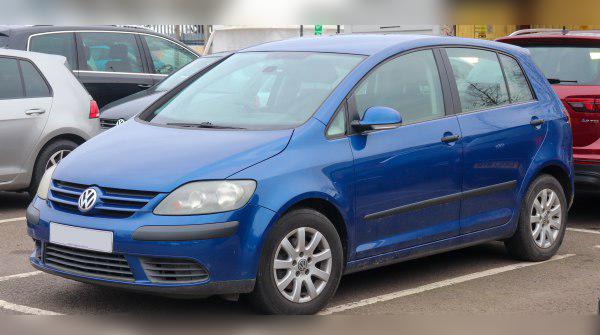
- Performance: Excellent for lighter cars (Polo, Fabia), but quite “sluggish” in heavier models such as the Caddy and Golf V Plus.
- Oil consumption: A common issue with this engine due to valve stem seals and piston rings in the later stages of its life.
- Most common failures: Dirty throttle body, clogged EGR valve and failing ignition coils.
- LPG: One of the best engines for installing a sequential LPG system.
- Maintenance: Generally cheap and straightforward for an average mechanic, with affordable parts prices (Depends on the market).
Contents
- Introduction: About the BUD 1.4 16V engine
- Technical specifications
- Reliability, failures and regular maintenance
- Specific parts and costs
- Fuel consumption and performance
- Tuning and LPG installation
- Gearboxes, clutch and drivetrain
- Buying used and final verdict
Introduction: About the BUD 1.4 16V engine
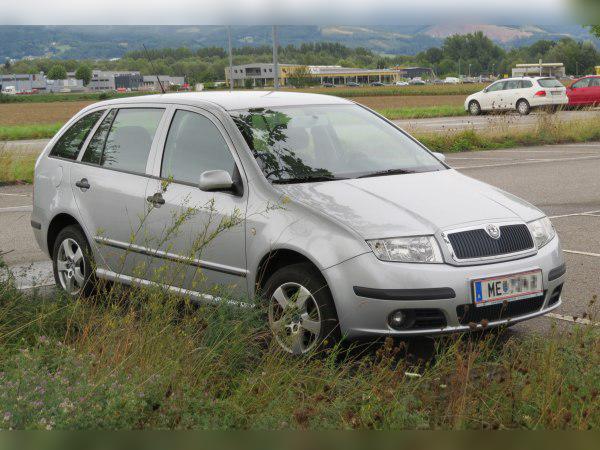
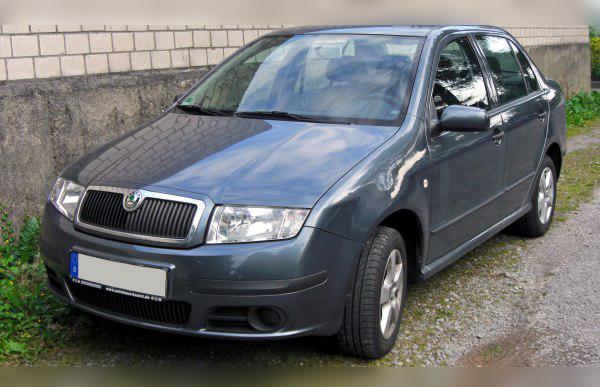
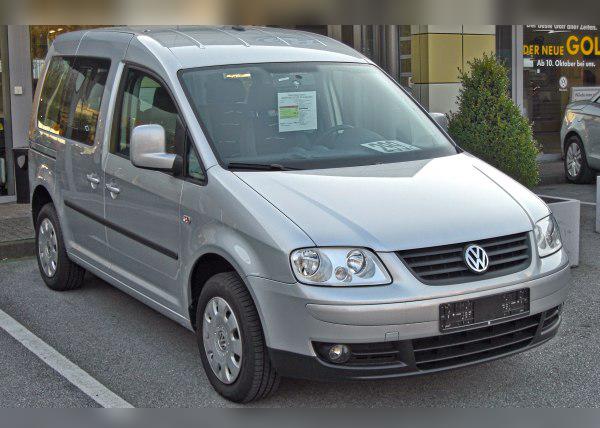
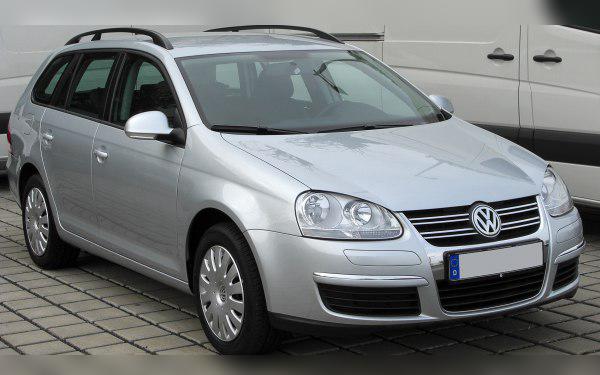
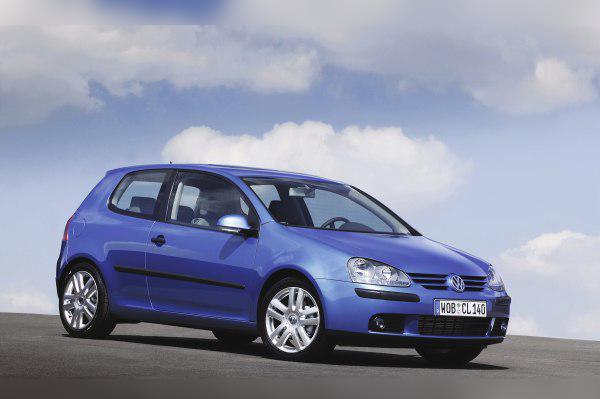
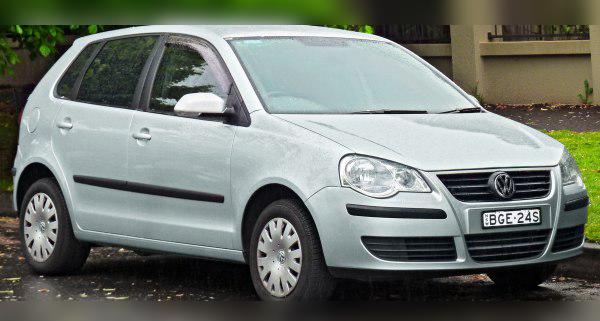
The engine with the code BUD represents the peak of the evolution of Volkswagen’s well-known 1.4 16V unit. Developed as an improved version of the earlier 75 HP engines, this 80 HP (59 kW) naturally aspirated petrol engine was designed to meet stricter emission standards while retaining simplicity. It was installed in a wide range of vehicles, from city runabouts like the Volkswagen Polo (9N) and Škoda Fabia (6Y), all the way to family and workhorses such as the Golf V (including Variant and Plus versions) and Caddy III. Thanks to its mechanical design, it is still considered a safe choice on the used car market, especially for drivers who cover lower mileage in urban conditions.
Technical specifications
| Specification | Data |
|---|---|
| Engine displacement | 1390 cc |
| Power | 59 kW (80 HP) |
| Torque | 132 Nm |
| Engine code | BUD |
| Injection type | Indirect injection – MPI (Multi-Point Injection) |
| Aspiration | Naturally aspirated – No turbo |
Reliability, failures and regular maintenance
Timing belt and major service
This engine uses a timing belt for the valvetrain, with a specific system of two timing belts (a main belt connecting the crankshaft and camshaft, and a smaller one connecting the two camshafts). It is recommended to perform the major service every 90,000 kilometers or every 5 to 6 years, whichever comes first. A snapped belt leads to severe engine damage (bent valves and damaged pistons), so it is not worth saving money on rollers, tensioners and the water pump. The price of a complete timing kit is considered very affordable compared to more modern engines (Depends on the market).
Oil consumption and minor service
The BUD engine holds about 3.2 liters of engine oil. Fully synthetic oil with a viscosity of 5W-40 or 5W-30 that meets the VW 502.00 specification is recommended. As for oil consumption, it is present. Although the manufacturer tolerates up to 0.5 liters per 1000 km, in practice consumption of around 1 to 1.5 liters between two services (at 10,000 km) is considered normal. The causes of increased consumption are usually hardened valve stem seals or stuck piston rings due to irregular oil changes or exclusively city driving. Always do the minor service every 10,000 to 15,000 km; do not wait for the factory 30,000 km (so-called LongLife interval).
Most common failures and spark plugs
This is a petrol engine, so there are no expensive injectors like on diesels, but it does have spark plugs and ignition coils. Spark plugs are typically replaced every 60,000 kilometers. If this is neglected, the coils (each plug has its own coil) will fail. Symptoms of a failing coil include the engine running on three cylinders, loss of power, rough idle and the “Check Engine” light coming on. In addition, the engine suffers from dirt build-up in the throttle body. When it gets dirty with oil vapors, idle becomes unstable and the engine may stall when you press the clutch. Cleaning and adaptation solve the problem and this is not expensive (Depends on the market).
Specific parts and costs
The fuel system is a classic MPI (Multi-Point Injection). Petrol injectors are extremely robust, rarely fail and are not very sensitive to poorer fuel quality, unlike more modern FSI/TSI systems. If they do get clogged, ultrasonic cleaning is usually sufficient.
This engine does not have a turbocharger, which automatically removes a major item from the list of potential expensive failures. It also does not have a DPF filter (because it’s a petrol engine), nor an AdBlue system which is reserved for newer diesels. There is no dual-mass flywheel either; it uses a conventional (solid) flywheel, which makes clutch replacement significantly cheaper.
However, although there is no DPF, it does have an EGR valve (exhaust gas recirculation valve). On BUD engines the EGR valve is prone to soot build-up. Symptoms of a clogged EGR include jerking at low revs, weaker throttle response and, of course, a warning light on the instrument cluster. Replacement can be moderately expensive (Depends on the market), so many owners opt for cleaning instead.
Fuel consumption and performance
Is this engine sluggish?
The answer depends mostly on the body style. With 80 HP and 132 Nm of torque, this engine performs very well in lighter models such as the Volkswagen Polo (3-door or 5-door) and Škoda Fabia. However, in heavier models like the Golf V Plus, Caddy III or Golf V Variant (estate), the engine is distinctly “sluggish”. When overtaking on country roads it requires shifting down and revving high, and under full load it runs out of breath on inclines.
City driving and motorway
In city conditions, real-world fuel consumption is between 8 and 9.5 liters of petrol per 100 kilometers, especially in winter. The gearbox has short ratios to mask the lack of power, which makes the car fairly lively at traffic lights.
On the motorway the situation is not ideal. At a speed of 130 km/h, the engine spins at a rather high 3,800 to 4,000 rpm (in fifth gear). The consequences are increased cabin noise and fuel consumption rising to over 7.5 liters on the open road. The engine is designed for cruising at up to 110–120 km/h; anything above that is a strain for it.
Tuning and LPG installation
LPG installation
Due to its indirect (MPI) injection, aluminium block and steel liners, this engine is a perfect candidate for a sequential LPG system. It handles LPG well, and installation is simple and not expensive (Depends on the market). Driving on LPG drastically reduces running costs; the only recommendation is to check the condition of the spark plugs more often because LPG requires a stronger spark.
Remapping (Stage 1)
This is a naturally aspirated engine. An attempt at ECU remapping (Stage 1) will at best give you a barely noticeable 5 to 7 HP and maybe 10 Nm of torque on paper. In practice, the difference is negligible and that money is better spent on a major service or new tyres. In short: remapping is not worth it.
Gearboxes, clutch and drivetrain
Engines with the BUD code most often come paired with a 5-speed manual gearbox, but in some models (primarily the VW Polo) you can also find the old 4-speed automatic gearbox (hydraulic torque converter).
Gearbox failures and costs
- Manual gearbox: Generally reliable. However, on high-mileage vehicles and those used exclusively in the city, you may hear gearbox bearings (a characteristic “whining” in lower gears). As mentioned, there is no dual-mass flywheel. Replacing the complete clutch kit (disc, pressure plate, release bearing) is not expensive and does not represent a major financial burden (Depends on the market). The manufacturer lists the oil in the manual gearbox as “lifetime fill”, but any serious mechanic will recommend changing it every 60,000 to 80,000 km to preserve the synchros and bearings.
- Automatic gearbox: The old 4-speed automatic is extremely durable if maintained properly. The engine’s “sluggishness” is even more noticeable with this gearbox. The most common issues include harsh gear changes (jerking), which usually indicate that the valve body is causing problems due to dirty oil. Servicing and changing the oil in the automatic gearbox are absolutely mandatory every 60,000 km.
Buying used and conclusion
What to check before buying?
When buying a car with the 1.4 16V BUD engine, pay attention to the following:
- Cold start: Start the car when it is completely cold. Listen for any “ticking” from the top of the engine. Slight ticking in the first few seconds (until the oil pump builds pressure in the hydraulic lifters) is normal, but if it continues for longer, the lifters or camshafts are worn.
- Exhaust check: Ask someone to floor the throttle with the engine at operating temperature. If bluish smoke comes out, the engine is burning a lot of oil (rings/valve stem seals).
- Diagnostics: Read fault codes via the OBD port. Neglected EGR or lambda sensor issues often trigger a warning light that sellers “turn off” before selling, but the diagnostics tool will store the history.
- Idle quality: If the rev counter needle fluctuates and idle is unstable, be prepared to deal with issues related to the throttle body, EGR or unmetered air (vacuum leaks).
Final verdict: Who is it for?
This engine is intended for drivers looking for a safe, mechanically simple and cheap-to-maintain car. If you are buying a Fabia or Polo for everyday city driving, the BUD is one of the most rational choices, especially if you plan to run it on LPG. On the other hand, if you are considering a VW Caddy for carrying loads or a Golf Estate for long family trips on the motorway, it is better to skip this engine because its lack of power and noise at high speeds will annoy you – in those cases, much better choices are more powerful turbocharged petrol engines or a well-maintained diesel.