2.0 TFSI Engine (BWA): Experiences, issues, fuel consumption and tips for buying used
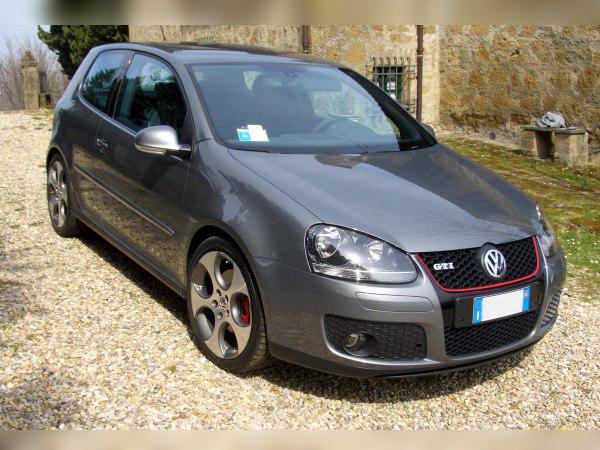
- Legendary status: This is the heart of the famous Golf V GTI and the first generation Škoda Octavia RS models. It offers top-notch performance.
- Oil consumption: Known for its appetite for oil. It’s not uncommon to top up between services.
- Achilles’ heel: The high-pressure fuel pump cam follower and the PCV valve require regular inspection and replacement.
- Combined timing: It has both a timing belt (for the main timing drive) and a small chain with a tensioner (linking the camshafts). Both need attention.
- Excellent for tuning: With just a Stage 1 software tune it easily reaches serious horsepower figures.
- Not for cheap LPG: Due to FSI direct injection technology, LPG conversion is very expensive and complicated.
Contents
- Introduction: An icon of sporty driving
- Technical specifications
- Reliability and maintenance
- Specific parts and costs
- Fuel consumption and performance
- Additional options and modifications
- Gearbox and power delivery
- Buying used and conclusion
Introduction: An icon of sporty driving
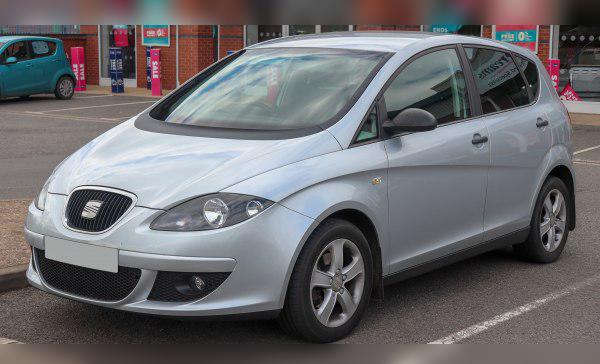
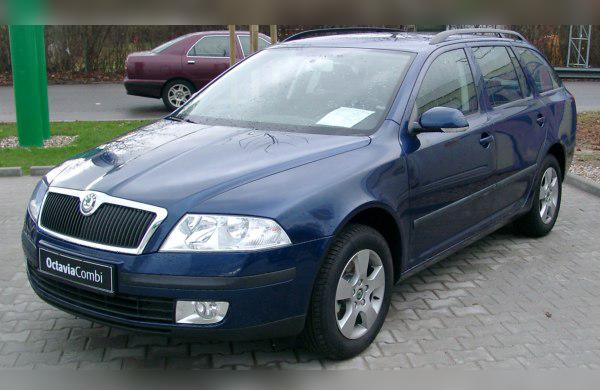
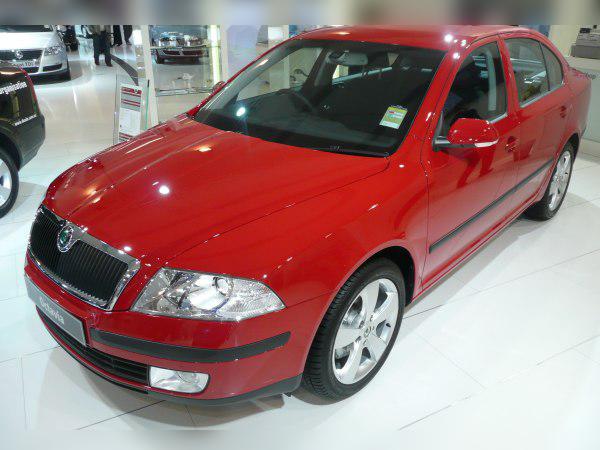
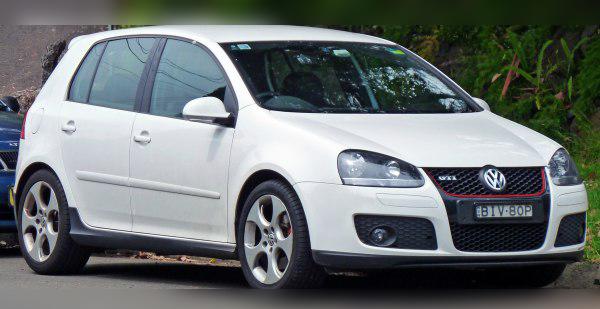
The engine code BWA belongs to the renowned EA113 engine family and represents a turning point in the world of hot hatch cars. With a displacement of two litres, direct injection (TFSI) and a turbocharger, this unit offers a perfect balance between everyday usability and sporty aggression. It was installed in icons such as the Volkswagen Golf V GTI, Škoda Octavia II RS, Seat Leon FR, as well as the more rugged Seat Altea Freetrack. Although it delivers plenty of smiles per kilometre, its engineering requires specific knowledge, meticulous maintenance and awareness of the issues that come with age and mileage.
Technical specifications
| Parameter | Value |
|---|---|
| Displacement | 1984 cc |
| Power | 147 kW (200 hp) |
| Torque | 280 Nm |
| Engine code | BWA |
| Injection type | Direct (FSI) |
| Charging type | Turbocharger (BorgWarner K03) with intercooler |
Reliability and maintenance
Timing belt or chain?
This engine uses a combined system. The main engine timing (linking the crankshaft, exhaust camshaft and water pump) is driven by a timing belt. However, at the rear of the engine there is a small chain with its own hydraulic tensioner that transfers rotation from the exhaust to the intake camshaft. Because of this, when doing a major service it is recommended to replace both systems, as stretching of this small chain leads to a “diesel” sound at idle and potential skipping.
Most common failures
The BWA engine has several characteristic issues. The PCV valve (crankcase ventilation system) often fails, which leads to rough idle, whistling noises and increased oil consumption. The most dangerous weak point is the high-pressure fuel pump cam follower. This small metal component sits between the camshaft and the fuel pump. Over time it wears out, and if it gets punched through, both the camshaft and the pump will be damaged – the repair is very expensive (depends on the market). Due to direct injection, carbon build-up on the intake valves is inevitable, which after 80,000 to 100,000 km requires mechanical cleaning (the so‑called walnut blasting) for the engine to regain its power. Also, the diverter valve with a rubber diaphragm often tears, so the engine loses boost pressure and feels sluggish.
Service intervals and oil
The major service is, according to the factory, done at 120,000 km or 5 years, but due to the age of these vehicles, experienced mechanics recommend replacement at 90,000 km. The engine takes about 4.6 litres of oil. Fully synthetic oil with a viscosity of 5W-30 or 5W-40 is recommended (VW 502.00 or 504.00 standard). Because of the turbo system and direct injection, the oil change interval should be strictly kept to a maximum of 10,000 to 15,000 km.
Oil consumption and spark plugs
Yes, this engine consumes oil. The factory tolerance is up to 1 litre per 1,000 km (which is extreme), but in practice, topping up 1 to 2 litres between two services (at 10,000 km) is considered normal due to evaporation through the PCV system, piston rings and the turbo itself. As for the spark plugs, a full set is replaced every 60,000 km. For cars that are chipped, it is recommended to replace them at 40,000 km due to a stronger spark and higher combustion pressure.
Specific parts and costs
Dual-mass flywheel and clutch
As a unit that delivers a strong 280 Nm, this engine has a dual-mass flywheel in all configurations (both with manual and DSG gearboxes). The price of replacing the clutch kit and dual-mass flywheel for the manual gearbox falls into the “expensive” category (depends on the market). In DSG gearboxes, the flywheel is also sensitive to harsh launches and its replacement is very costly (depends on the market).
Fuel injection system
The injection system is FSI (directly into the cylinder). The injectors themselves are not extremely problematic like on some diesels, but they can suffer from poor fuel quality and carbonisation. A more common issue is the high-pressure fuel pump (HPFP), especially if the aforementioned cam follower is not replaced preventively every 30,000 to 50,000 km.
Turbocharger, DPF, EGR and AdBlue
The BWA uses a single BorgWarner K03 turbocharger. These turbos are very robust and if the engine is not starved of oil, their service life often exceeds 200,000 km. Their downside is rattling of the wastegate lever. Since this is a petrol engine, it DOES NOT have a DPF filter, DOES NOT have a classic EGR valve (the EGR function is performed by variable valve timing), and of course DOES NOT have an AdBlue system, which spares you the headaches typical of modern diesels.
Fuel consumption and performance
City driving and “laziness”
If you expect fuel economy, the BWA is not the engine for you. Real-world city consumption ranges from 10 to 13 l/100 km, and with a heavier right foot it easily goes over 15 litres. Is it lazy? Absolutely not. The maximum torque of 280 Nm is available from as low as 1,800 rpm. The engine pulls strongly from the bottom of the rev range (similar to a diesel) and holds its power all the way to the redline. Even in heavier bodies such as the Seat Altea Freetrack with all-wheel drive, this engine provides serious dynamics.
Motorway driving
On the motorway the BWA engine shines. The bodies it is installed in can easily maintain high cruising speeds. At 130 km/h in sixth gear, the engine spins at an ideal 2,800 to 3,000 rpm (depending on gearbox ratios), with enough power in reserve for overtaking without downshifting. Motorway fuel consumption is around 7.5 to 8.5 l/100 km.
Additional options and modifications
LPG conversion
Installing LPG on the 2.0 TFSI (BWA) engine is technically possible, but economically very questionable. Due to the direct petrol injection system, the petrol injectors are located in the combustion chamber itself. If petrol does not flow through them to cool them, they will melt. That’s why special systems are installed which inject LPG in liquid phase or combine LPG operation with constant petrol injection (e.g. 80% LPG, 20% petrol). These systems are very expensive (depends on the market) and are hard to justify financially for an average driver.
Chipping (Stage 1)
This is one of the strongest sides of the BWA engine. The stock hardware (block, rods, K03 turbo) has serious headroom. Without any mechanical changes, with just a Stage 1 software tune, the engine can be safely raised from 200 hp to 240–250 hp, while torque increases from 280 Nm to an impressive 350–360 Nm. Before any tuning, a revised diverter valve and upgraded ignition coils must be installed (red Audi R8 coils are often used).
Gearbox and power delivery
Types of gearboxes and failures
The BWA was offered with a classic 6-speed manual and a 6-speed DSG dual-clutch automatic (wet clutches – DQ250). The manual gearboxes are virtually indestructible; the most common issue is worn second-gear synchros due to overly “racing-style” shifting. The DSG is fantastically quick and suits this engine perfectly, but it suffers from mechatronics (control unit) failures and wear of the clutch packs inside the gearbox. Symptoms of DSG failure are harsh shifts between gears, jerking when setting off and “thumping” when shifting from 2nd to 1st gear while decelerating.
Gearbox maintenance
Unlike the manual, where the oil is changed at your discretion (recommended at 100,000 km), the DSG gearbox requires strict adherence to service intervals. The oil (about 6 litres of special DSG oil) and the gearbox filter must be changed every 60,000 km without exception. If there is no proof that the DSG has been regularly serviced on a used car, be prepared for an expensive repair (depends on the market).
Buying used and conclusion
What to check before buying?
Buying a used car with a BWA engine is a minefield if you don’t know what to look for. When starting from cold, listen to the engine – if you hear rattling from the rear right side of the engine (viewed from the front), the chain and camshaft tensioner are due for replacement. Be sure to open the oil cap while the engine is idling; it is normal to have a slight vacuum, but if the engine starts to choke and you can’t easily lift the cap, the PCV valve is faulty. Using diagnostics (VCDS), check the operation of the high-pressure fuel pump and misfire codes (which indicate bad coils, spark plugs or dirty intake valves). Blue smoke from the exhaust when you blip the throttle suggests worn piston rings or a turbo problem.
Conclusion
The 2.0 TFSI BWA is not an engine for drivers looking for cheap, point‑A‑to‑point‑B motoring. Maintaining such an engine falls into the “expensive” category (depends on the market). It is intended for enthusiasts who understand how a high‑performance turbo petrol works and are willing to tolerate its thirst for oil and fuel. In return, it offers superb flexibility, a powerful sound and an unforgettable driving experience, especially when paired with a DSG gearbox and installed in the chassis of the legendary Golf V GTI or the practical yet fast Škoda Octavia RS.