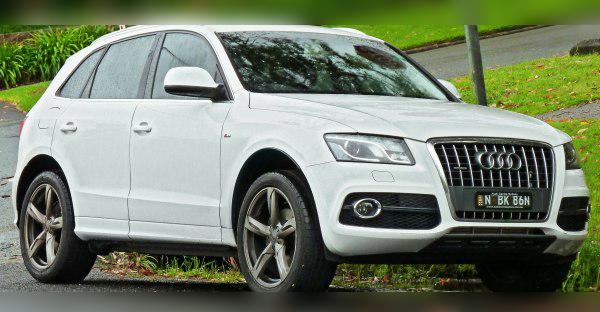
Audi 2.0 TDI CAHA 170 HP: Experiences, problems, fuel consumption and used car buying tips
- Common Rail system: This engine uses a more reliable Common Rail injection system that replaced the older and noisier Pump Düse (PD) system, providing smoother operation and lower fuel consumption.
- Oil pump weakness: The oil pump shaft (the so‑called "Allen shaft") is a well‑known weak point; preventive replacement saves the engine from total failure.
- DPF and EGR issues: Driving exclusively in the city quickly clogs the DPF filter and EGR valve, which leads to forced regenerations or expensive repairs.
- Excellent performance: With 125 kW (170 HP) and 350 Nm, the engine offers a great balance of power and efficiency and easily copes even with heavier vehicles such as the Audi Q5 or A6.
- Dual mass flywheel: Present on both manual and automatic gearboxes, and its replacement is a serious financial expense.
- Automatic gearboxes: Caution is needed with Multitronic CVT gearboxes (frequent failures of the control unit and chain), while S‑Tronic gearboxes are better but require regular oil changes.
Contents
- Introduction: Engine overview and applications
- Technical specifications
- Reliability and maintenance
- Specific parts and costs
- Fuel consumption and performance
- Additional options and modifications
- Transmissions and drivetrain
- Buying used and conclusion
Introduction: Engine overview and applications
The engine designated CAHA is part of VAG’s famous EA189 family of 2.0‑liter diesels, but it represents a serious turning point in technology. Unlike the older and notorious 2.0 TDI engines with the Pump Düse (PD) system, which suffered from injector issues and cracked cylinder heads, the CAHA is equipped with a modern Common Rail (CR) injection system. This engine delivers 125 kW (170 HP) and 350 Nm of torque, which makes it an ideal match for heavier sedans and SUV models.
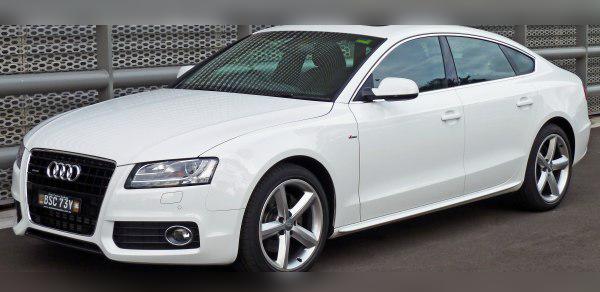
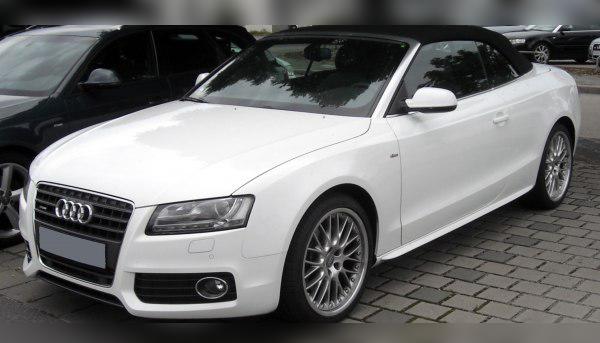
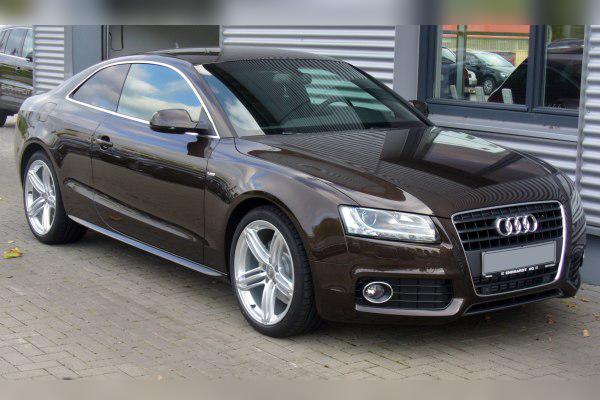
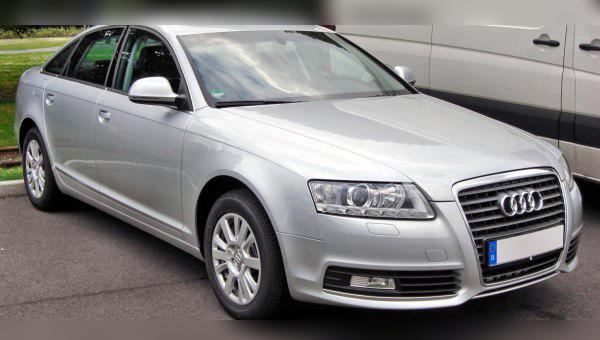
It was installed in many premium models at the end of the 2000s, including the spacious Audi A6 (C6 Facelift), the elegant Audi A5 (in Coupe, Cabriolet and Sportback versions), as well as the popular SUV Audi Q5 (8R). Its purpose is clear: devouring highway miles in complete silence and comfort, with impressive fuel efficiency.
Technical specifications
| Specification | Data |
|---|---|
| Engine code | CAHA (EA189 family) |
| Engine displacement | 1968 cc |
| Power | 125 kW (170 HP) |
| Torque | 350 Nm |
| Fuel type | Diesel (Euro 5) |
| Injection system | Common Rail (piezo injectors) |
| Aspiration | Turbocharger (VGT), intercooler |
Reliability and maintenance
Timing belt or chain?
The CAHA engine uses a timing belt rather than a chain. The belt is quieter and, considering that earlier VAG chain‑driven engines suffered from chain stretch issues, the belt here is a more reliable solution. It is important to note that the oil pump is driven by a short chain or gear (depending on the year), in combination with the small shaft that will be discussed below.
Most common failures and symptoms
Although the Common Rail generation is drastically more reliable, the CAHA has a few known quirks:
- Oil pump shaft (Allen shaft): This is by far the most critical point. The hexagonal shaft of the oil pump module gradually rounds off (gets worn). When that happens, the oil pump stops turning and oil pressure drops to zero. The driver will notice a red oil warning light on the instrument cluster. If the engine is not switched off immediately, the turbocharger will fail first, followed by damage to the crankshaft and eventually complete engine seizure. Preventive replacement of this shaft is mandatory and not expensive (depends on market), while repairing a destroyed engine is very expensive (depends on market).
- EGR valve and EGR cooler: The EGR cooler can crack internally, causing the engine to lose coolant without any visible puddles under the car. The valve itself also clogs up with soot. Symptoms include jerking at low revs, a lit "Check Engine" light and loss of power.
- Flaps in the intake manifold (swirl flaps): The electric motors that operate the swirl flaps in the intake manifold can fail, or the flaps themselves can develop play. Symptoms are a slightly rougher idle and an error code on diagnostics.
Service intervals and oil
The manufacturer specifies that the major service (replacement of timing belt, tensioners, idlers and water pump) should be done at 180,000 to 210,000 km or every 5 to 7 years, depending on operating conditions. Mechanics usually recommend shortening this interval to around 150,000 km for safety.
The engine takes approximately 5 liters of engine oil. Due to the presence of a DPF filter, it is MANDATORY to use oil that meets the VW 507.00 specification, most commonly in 5W‑30 grade (Low SAPS oil that leaves little ash when burned).
As for oil consumption, VAG engines are known to "drink" a bit of oil between services. Consumption of up to 0.5 liters per 1,000 km is considered normal (according to factory tolerances), although a healthy CAHA in practice uses about 1 liter per 10,000 km. If the engine consumes significantly more, the cause may be valve stem seals, piston rings or a worn turbocharger that lets oil into the intake.
Injector condition and longevity
Unlike the old PD injectors, the CAHA uses Common Rail piezo injectors. They have proven to be extremely durable. They usually last over 250,000 to 300,000 km without any issues, provided that quality fuel is used and the fuel filter is changed regularly. They are sensitive to water and dirt in the diesel. Symptoms of bad injectors include hard cold starts, rough ("hammering") idle and increased black smoke from the exhaust if the DPF is not there to trap it.
Specific parts and costs
Dual mass flywheel
Yes, this engine has a dual mass flywheel (DMF), both on models with manual gearboxes and on those with automatic S‑Tronic gearboxes. Its lifespan is usually around 150,000 to 200,000 km. Symptoms of wear include vibrations at idle, metallic rattling when starting and stopping the engine, and jolts when releasing the clutch. The cost of replacing the clutch kit and dual mass flywheel is high (depends on market).
Injection system and turbocharger
The engine is equipped with a single variable geometry turbocharger (VGT). Its lifespan is excellent and it easily exceeds 200,000 km if the engine is regularly serviced with quality oil and, after spirited driving, is left to idle for a couple of minutes to let the turbo cool down before switching off. Symptoms of turbo failure include whining (a "siren" sound), loss of power and increased oil consumption.
DPF filter and EGR valve
The CAHA comes from the factory with a DPF filter and an EGR valve. They only become a problem if the car is used mainly for short city trips, where the system does not reach the temperature needed for passive regeneration. In that case, the filter clogs quickly. You will notice that the car often raises idle speed (to about 1,000 rpm) and turns on the radiator fans – this means it is performing an active regeneration, which you must not interrupt by switching off the engine.
Does it have AdBlue?
Most CAHA engines (which meet the Euro 5 standard) do not have an AdBlue (SCR) system. This is actually great news for potential buyers because it eliminates possible failures of the pump, injector and tank heater for the AdBlue fluid, which are very common and expensive problems on newer Euro 6 diesels. (Note: Certain "Clean Diesel" Q5 variants for specific markets may have an SCR system, so it is recommended to check via the VIN, but the standard CAHA does not have it).
Fuel consumption and performance
Real‑world city consumption
Due to its displacement and the fact that it is installed in heavier vehicles, consumption depends on the body style. In the lighter and more aerodynamic Audi A5, city fuel consumption is around 7.5 to 8.0 l/100 km. In the heavy Audi Q5 with quattro drive, in stop‑and‑go city traffic you can expect real‑world consumption between 8.5 and 9.5 l/100 km.
Is the engine "lazy"?
With 170 HP and an excellent 350 Nm available from just 1,750 rpm, this engine is not lazy at all. It pulls strongly from low revs and provides safe overtaking. Even in the heavy Audi Q5, performance is more than satisfactory for the average driver, while in the Audi A5 or A6 it offers a slightly sporty driving feel.
Behavior on the motorway
The motorway is this engine’s natural habitat. Thanks to excellent sound insulation and 6‑speed gearboxes (or automatics with more gears), cruising is extremely quiet. At a speed of 130 km/h in sixth gear, the engine usually spins at a comfortable 2,100 to 2,300 rpm, and highway fuel consumption drops to around 5.5 to 6.5 l/100 km.
Additional options and modifications
The question of LPG installation is not applicable here because this is a diesel engine.
Remapping (Stage 1 tuning)
The CAHA engine has excellent tuning potential. With a basic software optimization (Stage 1), power can be safely and easily raised from the stock 170 HP to 200 to 210 HP, while torque increases from 350 Nm to about 400 to 420 Nm. If the car is in good technical condition (especially the DPF, turbo and dual mass flywheel), such a remap does not drastically shorten its lifespan and provides noticeably stronger acceleration.
Transmissions and drivetrain
Types of gearboxes and failures
One manual and two completely different automatic gearboxes were used:
- 6‑speed manual: An extremely reliable and robust gearbox. The main and almost only concern is wear of the dual mass flywheel and clutch kit, which is normal wear and tear.
- Multitronic (CVT automatic): Installed exclusively in front‑wheel‑drive models (e.g. Audi A6 FWD). This is the most problematic gearbox. It is based on a variator with a chain and has no conventional gears. The most common failures are transmission control unit failure due to overheating and slipping/breaking of the internal chain. Repairs are very expensive (depends on market), so many mechanics advise avoiding this gearbox unless it has a perfect service history.
- S‑Tronic (DSG dual‑clutch): Installed on "quattro" models (usually designated DL501 with 7 speeds for longitudinal engines). It is much better and faster than the Multitronic, but suffers from issues with the mechatronics unit (valves and electronics that shift gears) and wear of the dual‑clutch plates. Replacing the clutch on an S‑Tronic also requires replacing the specific dual mass flywheel, which is expensive (depends on market).
Gearbox maintenance
On manual gearboxes, checking and topping up (or replacing) the oil is done preventively at around 100,000 km. However, for automatic gearboxes (both Multitronic and S‑Tronic), the rule is ironclad: The gearbox oil and filter must be changed every 60,000 km! Skipping this service is a guaranteed path to premature failure due to metal particles accumulating in the mechatronics.
Buying used and conclusion
What to check before buying?
- Cold start: Listen to the engine during the first start in the morning. If you hear metallic knocking or strong vibrations, the dual mass flywheel is due for replacement. If the car cranks for a long time before starting, suspect low fuel pressure or injector condition.
- Oil pump: Be sure to ask the owner whether the oil pump Allen shaft has been replaced. If there is no proof, plan to do it as soon as you buy the car, as a preventive measure, together with the minor or major service.
- DPF condition (diagnostics): By connecting the car to diagnostics, check the ash mass in the DPF. If it is full, you are facing an expensive cleaning or replacement. Also, on diagnostics, always check injector correction values at idle – large deviations indicate worn piezo injectors.
- Gearbox test: On automatics, shift from "P" to "R" and then to "D" while the car is stationary – there should be no strong jerks. While driving, the S‑Tronic must shift gears lightning‑fast and without hesitation, while the Multitronic must accelerate completely smoothly without any twitching of the rev counter needle.
Final conclusion
The Audi 2.0 TDI CAHA 170 HP is an excellent, mature and powerful diesel engine that has cured most of the childhood diseases of the older PD engines. It is intended for drivers who cover high annual mileages and whose routes consist mainly of open roads or motorways, where it shines with great fuel economy, strong flexibility and durability. If you plan to use this car exclusively for short house‑to‑work city commutes, you will face clogged DPF and EGR systems and issues that cancel out its efficiency. Find a well‑maintained example with a manual or S‑Tronic gearbox, replace the oil pump shaft preventively and you will get an extremely reliable long‑distance companion.