Engine 1.2 TDI (CFWA) 75 HP: Experiences, problems, fuel consumption and buying used
- Brutal economy: Extremely low fuel consumption, ideal for longer suburban commutes.
- No dual-mass flywheel: Standard clutch makes transmission maintenance cheaper.
- Achilles’ heel of the engine: The EGR valve and DPF filter cause huge headaches in city driving.
- Rough running: Three-cylinder architecture brings noticeable vibrations and a harsher idle sound.
- Maintenance: Uses a timing belt, and the injectors (Common Rail) are sensitive to poor-quality fuel.
- Intended use: Not suitable for driving exclusively in the city, nor for long high-speed motorway trips in the fast lane.
Contents
- Introduction: What exactly is the 1.2 TDI CFWA?
- Technical specifications
- Reliability, maintenance and failures
- Specific parts and costs
- Fuel consumption and performance
- Gearbox and drivetrain
- Additional options and remapping
- Buying used and Conclusion
Introduction: What exactly is the 1.2 TDI CFWA?
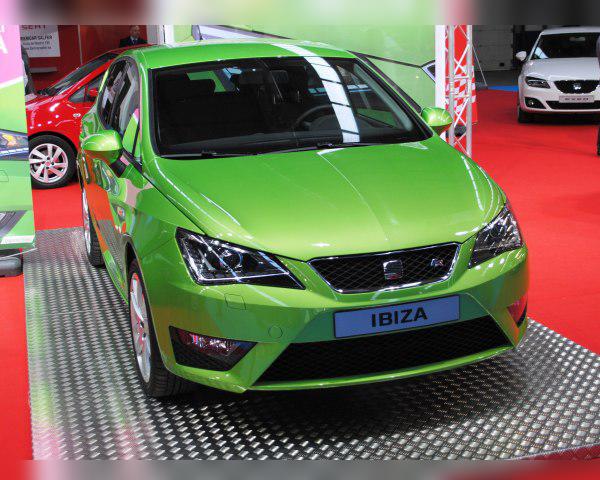
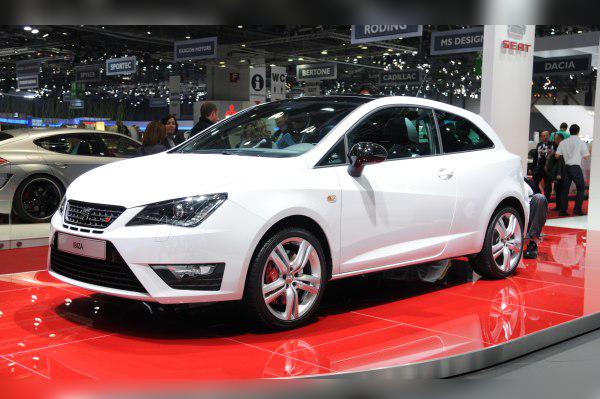
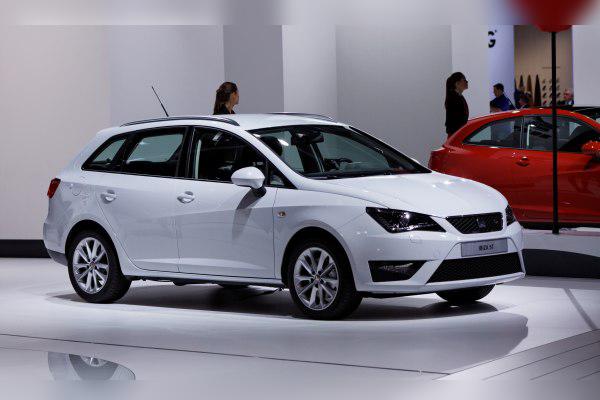
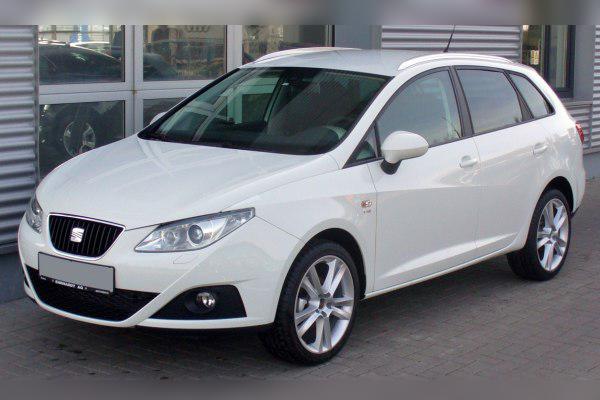
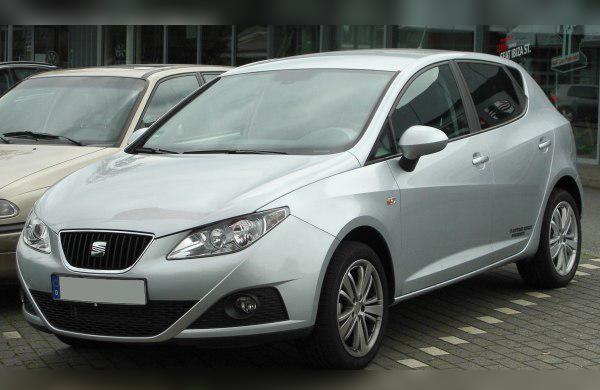
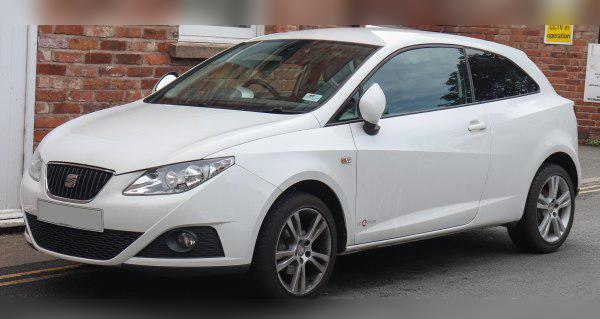
The engine with the code CFWA is actually a three-cylinder derivative of the well-known 1.6 TDI engine. Physically, it is the same block with one cylinder "cut off". It was designed with one clear goal: to break records in low fuel consumption and exhaust emissions. It was installed in smaller VAG group vehicles, and found its main application in the Seat Ibiza IV models (including SC, ST estate and E-Ecomotive versions with Start/Stop system). Due to its specific design, this engine splits drivers into two camps: those who are thrilled with its economy and those who cannot forgive its lack of refinement and its emission-related issues.
Technical specifications
| Characteristic | Data |
|---|---|
| Engine displacement | 1199 cc |
| Engine power | 55 kW (75 HP) |
| Torque | 180 Nm (at 1500–2000 rpm) |
| Engine code | CFWA |
| Injection type | Common Rail (Delphi) |
| Charging system | Turbocharger with variable geometry (VGT), intercooler |
| Number of cylinders | 3 cylinders in-line |
Reliability, maintenance and failures
Timing system and major service
The 1.2 TDI CFWA engine uses a timing belt, not a chain. This is actually good news, as the system is more reliable than the problematic chains from that period. The manufacturer specifies a replacement interval of a very optimistic 210,000 km, but real-world experience and mechanics’ advice say otherwise. The major service should be done at a maximum of 150,000 km or every 5 to 6 years, whichever comes first. Skipping or delaying this service can lead to belt failure and total engine destruction (bent valves and damaged pistons).
Lubrication and oil consumption
This unit holds about 4.3 litres of engine oil. Due to the presence of a DPF filter, it is absolutely mandatory to use fully synthetic oil of grade 5W-30 that meets VW 507.00 (Low SAPS). It is best to do an oil service every 10,000 to a maximum of 15,000 km. As for oil consumption between services, unlike older PD (Pumpe-Düse) engines, this Common Rail is quite tidy. A loss of 0.3 to 0.5 litres per 10,000 km is considered normal. If the engine consumes more than that, the problem should be sought in worn piston rings, valve stem seals or leakage at the turbocharger shaft.
Most common failures and weak points
A three-cylinder diesel engine comes with specific weak points. The injection system uses Delphi injectors which are very precise but extremely sensitive to fuel contamination. Their lifespan is usually between 150,000 and 200,000 km. Symptoms of bad injectors include difficult starting (especially in winter), uneven running, increased vibrations at idle and black or greyish smoke from the exhaust. When the injectors are worn out, repair is expensive and requires professional coding (depends on the market).
Specific parts and costs
DPF filter, EGR valve and AdBlue
Emissions equipment is the biggest enemy of this engine in city conditions. The CFWA meets the Euro 5 standard, which means it does not have an AdBlue system (so you are spared problems with urea pumps and heaters), but it does have a DPF filter and EGR valve.
The EGR valve is an absolute Achilles’ heel. It is located together with the exhaust gas cooler behind the engine, which makes its removal very labour-intensive. It often clogs up with soot, which leads to the Check Engine light coming on, loss of power (Safe Mode) and jerking while driving. Replacement is very expensive (depends on the market).
The DPF filter often clogs if the car is driven on short trips where the engine does not reach the operating temperature of about 90°C needed for passive regeneration. Symptoms of a clogged DPF include raised idle speed (around 1000 rpm), radiator fans running even after the engine is switched off, and noticeably increased fuel consumption.
Turbocharger
The engine has a single turbocharger with variable geometry (VGT). Turbo lifespan is solid and, with regular oil changes, can exceed 200,000 km. If the car "hesitates" during acceleration or suddenly loses power, the problem is often not in the turbo itself, but in sooted-up variable-geometry vanes or a faulty vacuum valve (actuator).
Fuel consumption and performance
When it comes to fuel consumption, the 1.2 TDI dominates. Real-world city consumption ranges from 5.0 to 5.5 l/100 km. On country roads, with a light right foot, consumption can drop dramatically, even below 4.0 l/100 km.
Is the engine "sluggish"? Yes, absolutely. With its 75 HP and 180 Nm, a Seat Ibiza equipped with this engine weighs around 1150 kg. In city conditions it feels lively thanks to the relatively early torque, but any overtaking on open roads requires planning and shifting down. A fully loaded car (air conditioning, four passengers and luggage) really feels the lack of power.
Behaviour on the motorway: At 130 km/h, the engine spins at a relatively high (for a diesel) 2800 to 3000 rpm. That is where its acoustic refinement disappears – cabin noise becomes tiring, aerodynamics take their toll, and fuel consumption jumps to over 6.0 l/100 km. This car simply was not designed for autobahn cruising.
Gearbox and drivetrain
The CFWA engine is most commonly paired with the proven 5-speed manual gearbox (type 02R). Automatic (DSG) gearboxes with this specific version in the Seat Ibiza are practically non-existent in Europe, as they were reserved for more powerful 1.2 TSI or 1.6 TDI units.
Flywheel and clutch: The biggest advantage of this setup is that it does not have a dual-mass flywheel. It uses a classic solid (single-mass) flywheel. Because of this, the cost of replacing the clutch kit (disc, pressure plate, release bearing) is not high compared to stronger diesels (depends on the market). Although the manufacturer does not specify an interval for changing the oil in the manual gearbox, any good mechanic will recommend changing the oil every 100,000 km to preserve the synchros and ensure smooth shifting.
Additional options and modifications (Remapping)
Since this is a diesel-only unit, installing LPG is not an option. However, owners often opt for software power upgrades. A safe Stage 1 remap can raise power from 75 HP to about 95 to 105 HP, and torque from 180 Nm to about 220 to 230 Nm.
This modification drastically changes the character of the car – the Ibiza becomes much more pleasant to drive, with enough power reserve for safe overtaking. Still, it should be kept in mind that higher loads also mean faster wear of the standard clutch, while the turbocharger has to work under higher boost pressures.
Buying used and Conclusion
When looking at a used Ibiza with the 1.2 TDI CFWA engine, a test drive and visual inspection are crucial. What should you definitely check?
- Cold start: Listen to the engine in the morning. A three-cylinder will naturally shake a bit, but it should not sound like it is about to jump out of the engine bay, nor should you hear sharp metallic knocking (a sign of bad injectors).
- Exhaust smoke: Bluish smoke indicates oil consumption (turbo, piston rings), while black smoke suggests injector issues or a clogged DPF.
- Diagnostics (VCDS): Never buy this car without plugging it into a diagnostic tool. Be sure to check DPF saturation (ash content) and injector correction values in milligrams.
- EGR maintenance history: If the owner has no proof that the EGR has been replaced or cleaned recently, count on that cost coming your way soon.
Mechanic’s final verdict: Who is this car for?
The Seat Ibiza 1.2 TDI (CFWA) is a car made for people for whom low registration and fuel costs are an absolute priority. It is not intended for stop-and-go city traffic because the EGR and DPF will drain your wallet. It is also not intended for those who travel a lot on motorways because it is too noisy and too slow.
This is an ideal car for long regional routes (for example, daily commuting from the suburbs to the city over a distance of 20–30 km). In that kind of driving, the DPF has time to regenerate, the engine warms up properly, and fuel consumption drops to a minimum. If you find a well-maintained example with healthy injectors, you will get a robust and extremely economical companion.