Audi 2.0 TDI (CGLC, CMGB) 177 HP: Owner experiences, common issues, fuel consumption and used-car buying tips
- Great balance of power and economy: With 177 HP and 380 Nm, this engine offers serious performance while remaining economical on the open road.
- Timing and drive: The engine uses a proven timing belt, not a chain. The timing system is extremely reliable if serviced regularly.
- Main weak points are emissions equipment and the high-pressure pump: The most common issues involve the EGR valve, clogged DPF filter (especially in city driving) and potentially dangerous metal shavings forming in the Bosch CP4 pump.
- Gearboxes dictate maintenance costs: While the manual gearbox is practically “indestructible”, the automatic S tronic and Multitronic require strict adherence to service intervals and repairs can be very expensive.
- Dual-mass flywheel: Present on all versions (both manual and automatic) and a regular replacement item at higher mileages.
- Not ideal for short city trips: Because of the DPF and EGR, this engine needs regular highway driving to “clear its throat”.
Contents
- Introduction: The sweet spot in Audi’s lineup
- Technical specifications
- Reliability and maintenance
- Specific components (costs)
- Fuel consumption and performance
- Additional options and modifications
- Gearbox: Manual vs S tronic vs Multitronic
- Buying used and conclusion
Introduction: The sweet spot in Audi’s lineup
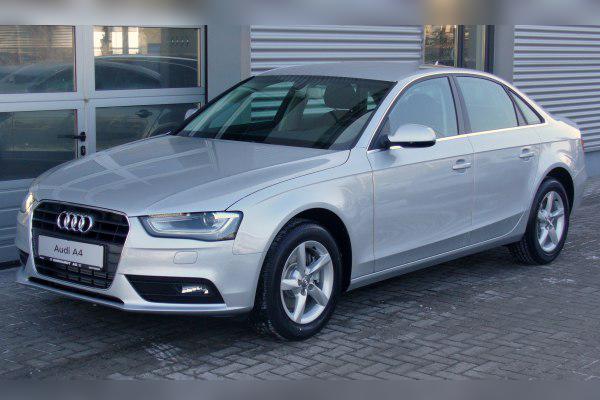
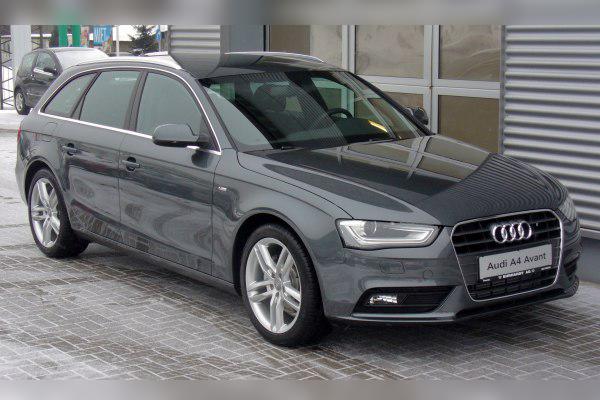
Engines with codes CGLC and CMGB are an evolution of the famous Audi 2.0 TDI unit within the EA189 generation (Common Rail). With 125 kW (177 HP), this unit replaced the older 170 HP version and was mostly installed in facelifted models from 2011 and 2012, including very popular models such as the Audi A4 (B8.5), A4 Avant and Audi Q5 (8R).
This is an engine built to devour miles. Its task was to fix the flaws of earlier “pumpe-düse” engines, offer quieter operation, smoother power delivery and acceptable running costs in the premium segment. If you’re looking for a used A4 or Q5, there’s a good chance you’ll come across this very engine under the hood.
Technical specifications
| Engine displacement | 1968 cc |
|---|---|
| Engine power | 125 kW (177 HP) |
| Torque | 380 Nm |
| Engine codes | CGLC, CMGB |
| Fuel type and injection | Diesel, Common Rail (direct injection) |
| Induction | Turbocharger with variable geometry (VGT), intercooler |
Reliability and maintenance
Does this engine have a timing belt or a chain?
Unlike some rival engines, the 2.0 TDI (CGLC/CMGB) uses a proven timing belt for the valve timing system. This is very good news, as the system is simpler, quieter and doesn’t suffer from chronic chain-stretch issues. Reliability is excellent as long as you follow the service intervals.
Major and minor service (oil and intervals)
The major service (replacement of timing belt, tensioner, idler pulleys and water pump) is officially scheduled at as much as 210,000 km, but every experienced mechanic will recommend shortening that interval to around 180,000 km or every 5 to 7 years, due to material aging. The water pump must be replaced at the same time, as its failure can lead to overheating or timing-system damage.
During a minor service, the engine takes from 4.7 to 5.0 liters of oil (you’ll usually buy a 5L can). You must use fully synthetic 5W-30 oil that meets the VW 507.00 specification (this is crucial because of the DPF filter).
Oil consumption and injectors
This engine does consume a certain amount of oil between services, which is completely normal for this design. A loss of 0.5 to 1 liter per 15,000 km is considered normal and shouldn’t worry you. However, if the engine needs a liter every 2,000 km, that’s a red flag (possible turbo, piston ring or leakage issue).
As for the injectors, the engine uses a modern Common Rail system. The injectors have proven to be very robust, far better than the old Siemens piezo injectors on the 170 HP models. It’s not uncommon for the original injectors to last well over 250,000 to 300,000 km without issues, provided you use quality Euro diesel and change the fuel filter regularly.
Most common failures
Besides normal wear and tear, pay attention to the Bosch CP4 high-pressure fuel pump. In rarer cases, due to poor lubrication (bad fuel), this pump can start to disintegrate internally, creating metal shavings that spread through the entire injection system. Symptoms include stalling while driving and the engine refusing to start, and fixing this is very expensive (depends on the market).
Specific components (costs)
Dual-mass flywheel and turbo
Yes, every model with this engine has a dual-mass flywheel, regardless of whether you’re buying a manual, S tronic or Multitronic version. Its typical lifespan is between 180,000 and 220,000 km. Symptoms of wear include vibrations at idle, metallic rattling when switching the engine off and “clunking” when pulling away. Replacement is expensive (depends on the market).
The engine has a single turbocharger with variable geometry (VGT). Its lifespan usually matches that of the engine (easily over 250,000 km) if you don’t switch the engine off immediately after hard highway driving and if oil changes are done on time. Symptoms of a worn turbo include a whining (siren-like) noise, loss of power and increased black or blue smoke.
DPF filter, EGR valve and AdBlue
These are the main headaches for drivers who use the car exclusively in city conditions.
- DPF filter: It often clogs if regeneration cycles are interrupted. Symptoms include a warning light on the dashboard, increased fuel consumption and the car going into “safe mode” (reduced power).
- EGR valve: The EGR cooler is a known weak point. It often clogs with soot, and the cooler itself can crack, causing coolant (antifreeze) loss within the system without any visible puddles under the car.
- AdBlue system: Most CGLC/CMGB engines meet Euro 5 standards and do not have AdBlue. However, some late versions or specific “Clean Diesel” variants right before the switch to Euro 6 may have it. If fitted, be aware that AdBlue injectors, the tank heater and the pump are known to cause electronic faults that are very expensive to fix.
Fuel consumption and performance
In the city and on the highway
Real-world city consumption is around 7.5 to 8.5 l/100 km for a front-wheel-drive Audi A4. If you’re driving a heavier Audi Q5 quattro with an automatic gearbox, expect that figure in stop-and-go traffic to easily reach 9 to 9.5 l/100 km.
This engine is definitely not “lazy”. With 380 Nm of torque available from around 1,750 rpm, in-gear acceleration is excellent. The Audi A4 body (even the Avant) is handled with ease, and even in the heavier Q5 the engine provides more than enough punch for safe overtaking.
At a 130 km/h highway cruise, the engine spins at a very relaxed 2,100 to 2,200 rpm (depending on the gearbox). In this regime it’s an extremely quiet cruiser, and fuel consumption drops to an excellent 5.5 to 6.5 l/100 km.
Additional options and modifications
This engine is a fantastic base for ECU optimization. A safe remap (Stage 1), without changing any hardware components and assuming the DPF, turbo and clutch are in good condition, will raise power from 177 HP to around 210 to 215 HP, while torque goes from 380 Nm to a strong 420 to 430 Nm.
After a Stage 1 remap, turbo lag is noticeably reduced and acceleration becomes more linear, and with moderate driving on the open road fuel consumption can even drop slightly.
Gearbox: Manual vs S tronic vs Multitronic
This is probably the most important aspect when buying, because your choice of gearbox directly dictates potential repair costs.
Manual gearbox (6-speed)
Fitted to both front-wheel-drive and quattro versions. It’s rock-solid and very reliable. Your only real expense will be the clutch kit and dual-mass flywheel when they wear out. The gearbox oil is officially “lifetime” and not scheduled for replacement, but experienced mechanics recommend changing it every 100,000 km to prolong synchro life.
Multitronic (CVT – continuously variable)
Installed exclusively on models with front-wheel drive. This gearbox offers very smooth, jerk-free driving, but has a bad reputation. The most common failures include a dead control unit (gearbox computer) and stretching or breaking of the internal chain. If the oil is not changed strictly every 60,000 km, major failure is almost guaranteed. Repairs are very expensive (depends on the market). If the car jerks when pulling away from a standstill or the revs flare up uncontrollably, walk away from that example.
S tronic (DL501 – wet-clutch DSG)
Installed in quattro (4x4) versions of the Audi A4 and as standard in the Audi Q5. This 7-speed dual-clutch gearbox is lightning-fast, but comes with its own risks. The main problems are mechatronic unit failures (the hydraulic control block with valves) and wear of the wet clutch pack itself. Symptoms include thumps and jerks when shifting from 2nd to 1st gear while stopping, or delays when shifting from D to R.
Clutch replacement and mechatronic refurbishment are very expensive repairs (depends on the market). For S tronic there is one absolute golden rule: the filter and special gearbox oil must be changed every 60,000 km.
Buying used and conclusion
What exactly should you check on the lot?
- Listen to the idle: Rattling noises around the gearbox area reveal a worn dual-mass flywheel.
- Look under the hood: Check the area around the EGR cooler. If you see whitish-pink traces of dried antifreeze, be prepared for an upcoming repair.
- Test drive the automatic gearbox: It must shift gears smoothly and imperceptibly. Any jerking when pulling away on an incline, or during gentle braking towards a traffic light, points to a worn mechatronic unit.
- VCDS diagnostics: MANDATORY! A mechanic must check injector corrections (they must remain within tolerance) as well as the ash mass level in the DPF filter. If the DPF is near the end of its service life, the system will record it.
Who is this engine for?
The Audi 2.0 TDI with 177 HP (CGLC, CMGB) is an excellent choice for drivers who cover more than 15,000 km per year and spend most of their time on main roads or highways. It offers plenty of torque, reliable mechanics and a prestige factor in the dependable A4 (B8.5) and Q5 bodies.
On the other hand, if you only use the car to take the kids to school, run to the supermarket and fight through morning city traffic jams, skip this engine. You’ll clog the DPF, ruin the EGR and pay the price in the form of expensive repairs that come with modern diesels.