Audi 2.0 TDI CJCB (136 HP) engine – Experiences, issues, fuel consumption and used-car buying tips
- This is a Common Rail engine, significantly more reliable and quieter than the old "pumpe-düse" (PD) units.
- Power is transmitted via a timing belt, whose regular replacement is crucial for longevity.
- The biggest headaches for owners are a clogged EGR valve and DPF filter issues caused by predominantly city driving.
- Fuel consumption is extremely low, which makes it an excellent choice for long journeys and motorway driving.
- Be cautious when buying models with the Multitronic gearbox – it requires strict maintenance and repairs are very expensive.
- The dual-mass flywheel is a wear item and its replacement will come sooner or later.
Contents
- Introduction and basic information
- Technical specifications
- Reliability and maintenance
- Specific parts and costs
- Fuel consumption and performance
- Additional options and modifications
- Gearbox and power transfer
- Buying used and conclusion
Introduction and basic information
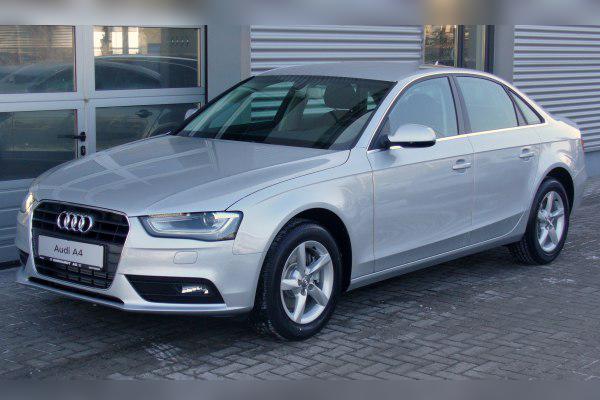
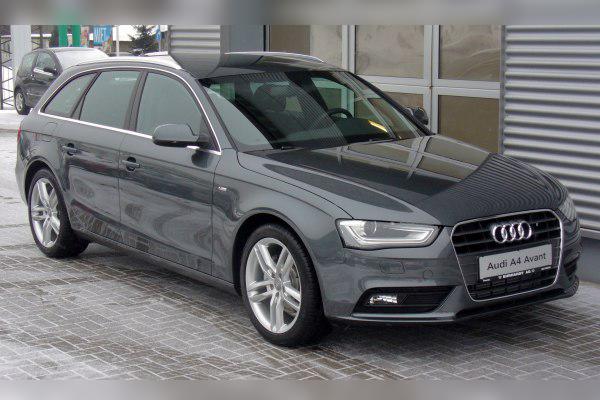
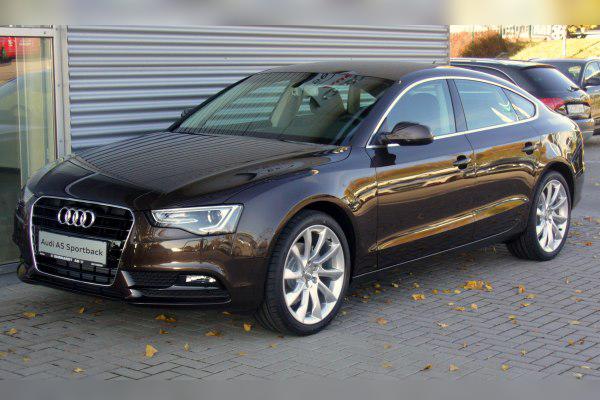
The engine with the code CJCB represents VAG’s (Volkswagen/Audi) generation of 2.0 TDI engines with a Common Rail injection system. With an output of 100 kW (136 HP), this unit is specifically calibrated to provide an optimal balance between solid performance, low exhaust emissions and extremely low fuel consumption. It is most commonly found in Audi A4 (B8 facelift) and A5 (8TA facelift) models, often with TDIe or ultra badges, which further emphasize its ecological and economical purpose. Although it is not the most powerful two‑liter diesel on offer, its 320 Nm of torque makes it very pleasant for everyday use.
Technical specifications
| Feature | Data |
|---|---|
| Engine displacement | 1968 cc |
| Power | 100 kW (136 HP) |
| Torque | 320 Nm |
| Engine code | CJCB |
| Injection type | Direct injection (Common Rail) |
| Charging type | Variable-geometry turbocharger with intercooler |
Reliability and maintenance
Timing belt or chain?
This engine uses a timing belt for valve timing. The factory‑specified interval for the major service (replacement of timing belt, tensioner, idler pulleys and water pump) is as high as 210,000 km. However, experienced mechanics across Europe strongly recommend shortening this interval to 120,000–150,000 km or every 5 to 6 years, in order to avoid belt failure, which leads to total engine destruction (valves hitting the pistons).
Most common failures
The CJCB is a mechanically very reliable engine, but it suffers from the standard "diseases" of modern diesels. The most problematic are the emission control systems. The EGR valve often gets dirty and sticks due to soot build‑up, especially if the car is driven in stop‑and‑go conditions. Symptoms include jerking at low revs, loss of power and the "Check Engine" light coming on. There are also occasional reports of coolant leaks at the water pump, which is why preventive replacement during the major service is mandatory.
Engine oil and intervals
This engine takes about 4.7 to 5.0 liters of engine oil. Due to the presence of a DPF filter, it is absolutely mandatory to use fully synthetic oil that meets the VW 507.00 specification, most commonly in 5W‑30 grade. As for oil consumption, a healthy CJCB engine does not consume it in worrying amounts. Consumption of around 0.5 liters per 10,000 km is considered normal. If the engine consumes significantly more, this is a sign of worn piston rings or oil leakage on the turbocharger shaft.
Injector lifespan
The injectors in this engine’s Common Rail system (usually Bosch) are very durable. With quality fuel and regular fuel filter changes, the injectors can easily last 250,000 to 300,000 km. When they start to fail, the driver may notice rough idle, harder cold starts, increased black or grey smoke from the exhaust and faster DPF clogging (because poorly atomized fuel creates more soot).
Specific parts and costs
Dual-mass flywheel
Yes, this model is equipped with a dual-mass flywheel. Its average lifespan is between 150,000 and 200,000 km, depending on driving style. Symptoms of a worn flywheel include metallic rattling when starting and stopping the engine, vibrations at idle and jerking when moving off from a standstill. The cost of replacing the clutch kit and dual‑mass flywheel varies, but it is considered: expensive, from 500 to 900 euros (depending on the market).
Turbocharger
The engine is equipped with a single variable-geometry turbocharger (VGT). The turbo’s lifespan is generally in line with the life of the engine itself, provided that oil is changed on time and the engine is not switched off abruptly after aggressive driving (to allow the oil in the turbo to cool down). The most common problem is not the turbo bearing itself, but the sticking of the variable-geometry vanes due to soot build‑up, which leads to the so‑called "limp mode" (the engine loses power and does not respond to throttle) due to overboost.
DPF filter and EGR valve
This model is equipped with both a DPF filter and an EGR valve. As mentioned, they are sensitive to city driving. If the car does not often go out on open roads where the DPF can perform passive regeneration (at temperatures above 600°C), the filter will clog quickly. Replacing the DPF is: very expensive (depending on the market), so owners often opt for machine cleaning instead.
AdBlue system
Most CJCB engines that comply with the Euro 5 standard do not have an AdBlue (SCR) system. This is great news for potential buyers, as it avoids costly failures of the pump, injector and heater in the AdBlue tank. However, due to different trim levels (such as "ultra" or later "clean diesel" versions), it is recommended to visually check for the presence of a blue AdBlue cap next to the fuel filler cap.
Fuel consumption and performance
City driving
Real‑world consumption in heavy city traffic ranges between 6.5 and 8.0 l/100 km. Considering that the Audi A4/A5 body is quite heavy (often around 1.6 tons), this is an excellent result for a two‑liter diesel.
Is the engine "lazy"?
Although 136 HP sounds modest for a D‑segment premium car, thanks to the 320 Nm of torque available from low revs (1500–2500 RPM), the engine is not lazy in everyday conditions. It is elastic and pulls nicely. However, if you compare it with the more powerful 170 or 177 HP versions, you will feel the lack of power at high speeds and during uphill overtakes, especially in heavier versions such as the Audi A4 allroad quattro models.
Motorway behaviour
This engine really shines on the motorway. Thanks to good sound insulation and gearbox ratios, at 130 km/h in sixth gear (with the manual gearbox), the engine spins at a comfortable 2100 to 2300 rpm. Fuel consumption on open roads and motorways drops to just 4.8 to 5.5 l/100 km, which allows a range of over 1000 km on a single tank.
Additional options and modifications
Chiptuning (Stage 1 remap)
This unit is a perfect candidate for chiptuning. The CJCB engine is mechanically almost identical to the more powerful versions (such as the 143 HP or 150 HP ones), and is "detuned" in software for the sake of lower taxes, insurance and fleet requirements in certain European countries. With a Stage 1 remap, power can be safely raised to 170 to 185 HP, with torque of around 380 to 400 Nm. After the remap, the car accelerates much better, is more relaxed during overtaking, and with normal driving, fuel consumption can slightly decrease. Of course, remapping requires the turbo, clutch and DPF to be in perfect working order.
Gearbox and power transfer
Two types of gearboxes are most commonly paired with the CJCB engine: a 6‑speed manual gearbox and the Multitronic automatic (on front‑wheel‑drive models).
Manual gearbox issues and maintenance
The manual gearbox is extremely robust and rarely fails. The biggest item here, as already mentioned, is wear of the clutch kit and the dual-mass flywheel. Although the manufacturer claims that the oil in the manual gearbox is "lifetime‑fill", any experienced mechanic will recommend a preventive gearbox oil change at around 100,000 to 120,000 km, which results in smoother shifting and longer synchronizer life.
Problems with the Multitronic gearbox
This is the critical point. Multitronic is a CVT (Continuously Variable Transmission), not a conventional automatic with a torque converter or a dual‑clutch gearbox (like S‑Tronic). It operates via a chain and cones. Although it offers endlessly smooth acceleration, Multitronic is notorious for failures. The most common issues are stretching or breaking of the internal chain, failures of the electronic control unit (TCU) due to overheating, as well as wear of the internal clutch packs.
Failure symptoms: The gearbox jerks when moving off, engine revs rise but the car does not accelerate, or all "PRNDS" letters on the instrument cluster start blinking in red.
Repairing a Multitronic gearbox is: very expensive, from 1500 to 2500 euros (depending on the market).
Maintaining the Multitronic and presence of a flywheel
Yes, even models with the Multitronic gearbox have a specific dual-mass flywheel that absorbs crankshaft vibrations before power enters the gearbox. It is also subject to wear and requires costly replacement. If you are buying such a car, the oil change interval for the Multitronic gearbox is strictly specified at every 60,000 km. If the previous owner did not adhere to this interval, that car should be avoided at all costs.
Buying used and conclusion
What to check before buying?
- Cold start: Listen to the engine during the first start of the day. If you hear a metallic knock or strong rattling from the gearbox area, the dual‑mass flywheel needs replacing.
- Exhaust smoke: A healthy Common Rail engine with a DPF must not emit black smoke even under full throttle. If the inside of the exhaust tips is completely black with soot, the DPF is probably drilled through or removed.
- Condition of EGR and DPF (diagnostics): Before buying, always connect a diagnostic tool (e.g. VCDS). Read the Oil Ash Volume parameter (ash mass in the DPF), which indicates the remaining life of the filter, as well as injector correction values (ideally from -1.0 to +1.0).
- Test drive of the automatic gearbox: Moving off from a standstill on flat ground and on an incline must be perfectly smooth, without any "snatching" or jerking.
Conclusion – Who is this engine for?
An Audi with the 2.0 TDI CJCB (136 HP) engine is a fantastic choice for drivers who cover high mileages on open roads and who prioritize reliability and low fuel consumption over sporty performance. Thanks to the modern Common Rail system, refinement is at a very high level. However, if you plan to drive the car 90% of the time in city traffic, be prepared for expensive interventions on the exhaust after‑treatment systems (DPF, EGR). A definite recommendation goes to models paired with the manual gearbox, while used cars with Multitronic should be bought only if there is a stamped service history proving regular gearbox oil changes every 60,000 km.