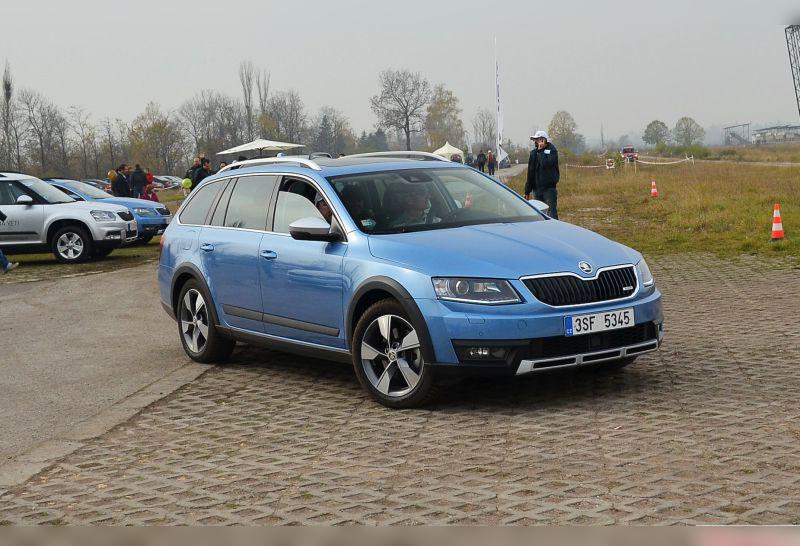
Experiences, issues and fuel consumption: 2.0 TDI (150 HP) CKFC / CRMB – Used car buyer’s guide
Key points in short (TL;DR)
- Belongs to the newer EA288 generation of diesel engines, which is significantly smoother and more reliable than its predecessor.
- Uses a timing belt to drive the camshafts; the major service interval is crucial for long-term durability.
- The power-to-weight ratio of 110 kW (150 HP) in cars like the Škoda Octavia III or Seat Leon III is ideal – the engine is anything but sluggish.
- The biggest weak spot of this engine is the water pump, which can seize and cause overheating, as well as coolant leaks from the EGR cooler.
- The suspension setup depends on power output, but this engine usually comes with robust six-speed manual or DSG automatic gearboxes with wet clutches.
- Dual-mass flywheel and DPF filter are wear items and their lifespan depends directly on driving style (city vs. highway).
Contents
- Introduction: Meet the workhorse of European roads
- Technical specifications
- Reliability and maintenance: What’s hiding under the hood?
- Specific parts and potential costs
- Fuel consumption and performance: City and highway
- Additional options and modifications (Tuning)
- Gearbox: Manual or DSG?
- Buying used and conclusion
Introduction: Meet the workhorse of European roads
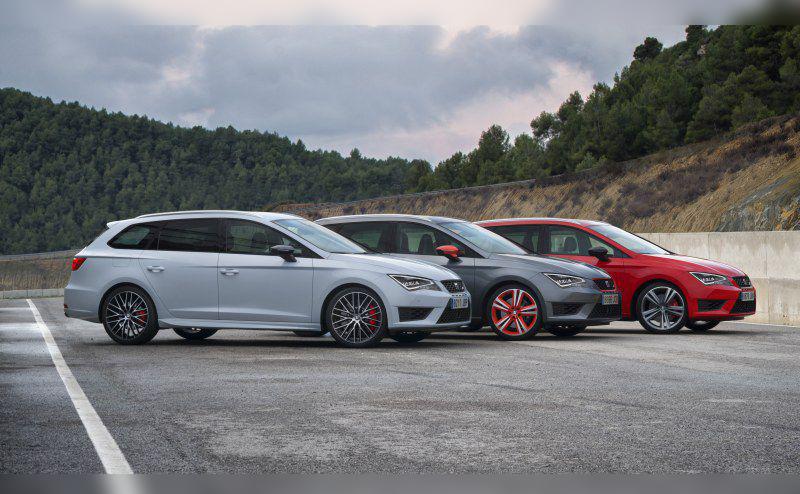
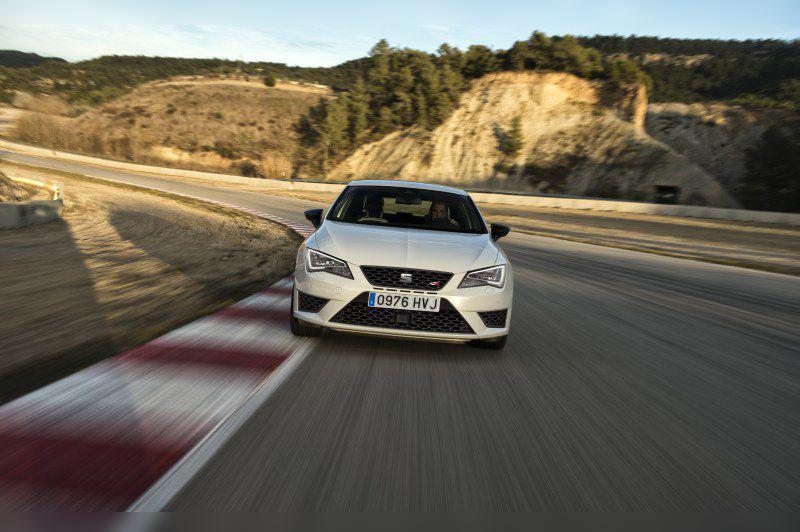
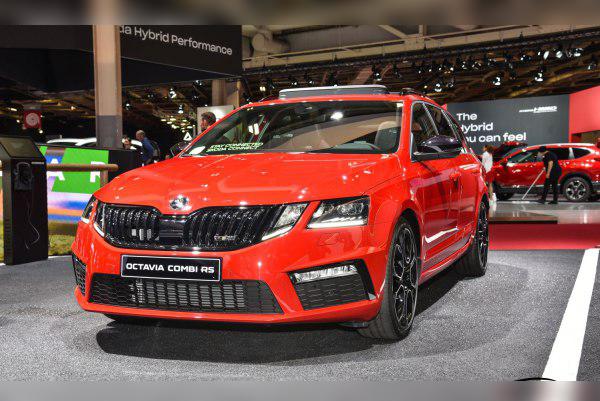
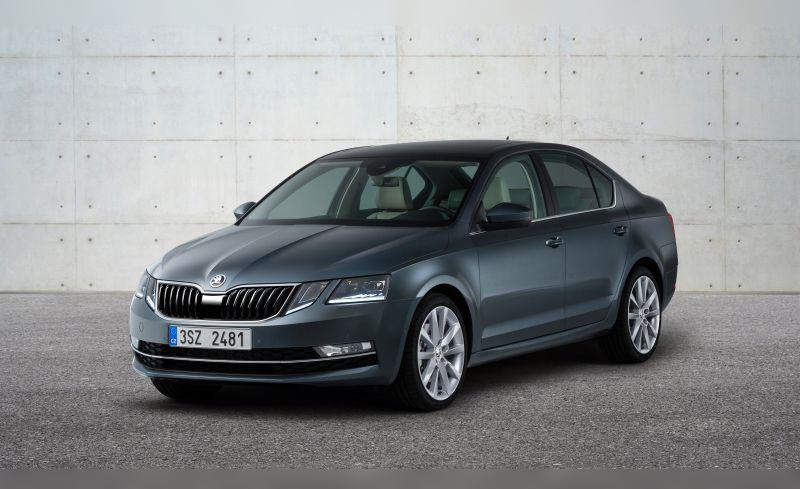
If you’re looking for the optimal balance between performance and fuel consumption in a mid-size car, there’s a good chance you’re looking at the 2.0 TDI engine with 150 HP, most commonly with the codes CKFC or CRMB. This unit belongs to the well-known EA288 family, which replaced the older (and noisier) EA189 series. It was installed in a huge number of models, but is most often found in cars such as the Seat Leon III (including the ST estate and SC FR versions) and the Škoda Octavia III (including the 2017 facelift and Scout variants). Whether it drives the front wheels, the smart 4Drive / 4x4 system, or is paired with a DSG gearbox, this engine is designed to devour miles.
Technical specifications
| Parameter | Data |
|---|---|
| Displacement | 1968 cc |
| Power | 110 kW (150 HP) |
| Torque | 340 Nm |
| Engine codes | CKFC, CRMB |
| Injection type | Common Rail (Direct injection) |
| Intake and charging | Turbocharger (VGT) + Intercooler |
Reliability and maintenance: What’s hiding under the hood?
Timing belt or chain?
To the delight of many owners who are afraid of timing chain stretch, the CKFC and CRMB units use a classic timing belt for the valvetrain. The factory recommendation for the major service on this generation is a rather optimistic 210,000 km, but experienced mechanics strongly advise shortening this interval. In practice, the major service should be done at 120,000 to 150,000 km or every 5 to 6 years, whichever comes first. Skipping or breaking the timing belt leads to total engine failure, valve-to-piston contact, and repairs that often exceed the value of the engine itself.
Most common failures: What to watch out for?
Although the engine is mechanically very robust, its weak point is the cooling system. The most common problem is the water pump, which has variable operation (a so-called flap that moves via vacuum/electric control to help the engine warm up faster). This flap often gets stuck, causing the engine to overheat on the open road or poor cabin heating in winter. The symptom the driver sees is the temperature gauge suddenly climbing above 90 °C. That’s why the water pump must always be replaced with the highest quality part during the major service.
Another frequent issue is so-called “consumption”, i.e. the disappearance of coolant without a visible puddle under the car. This happens due to an internal leak in the EGR cooler, where coolant evaporates into the exhaust system. If you notice white smoke from the exhaust and frequent need to top up coolant, the problem is most likely there.
Oil: Grade, capacity and consumption
This engine takes about 4.6 to 4.7 liters of oil. Due to the sensitive exhaust aftertreatment system (DPF), it is mandatory to use oil with the specification VW 507.00. The most common viscosity is 5W-30, although 0W-30 is increasingly recommended for better lubrication during cold starts. Under ideal conditions (mixed or city driving), an oil change should be done every 15,000 km or once a year.
As for oil consumption, the EA288 is much better than earlier engines, but it’s not completely immune. It is considered perfectly normal for it to consume 0.5 to 1 liter of oil between services. If consumption suddenly increases drastically, the usual culprits are worn valve stem seals, piston rings, or oil passing through the turbocharger shaft.
Injectors: Longevity and failure symptoms
Fuel is delivered via an advanced Common Rail system. The injectors on this engine have proven to be extremely durable. With good-quality fuel and regular fuel filter changes, their average lifespan exceeds 250,000 to 300,000 km. When injectors start to fail, the driver will notice rough idle (shaking), hard cold starts, increased smoke under sudden acceleration, and a rising oil level in the sump (due to diesel leaking past the injectors and washing the cylinder walls).
Specific parts and potential costs
Dual-mass flywheel
Yes, this model does have a dual-mass flywheel, regardless of whether it is paired with a manual or DSG gearbox. Its job is to absorb the strong torque pulses (340 Nm) and reduce vibrations. Its typical lifespan is around 200,000 km, but predominantly city driving and aggressive starts from traffic lights can wear it out much sooner. Symptoms of wear include metallic “clattering” at idle that disappears when you press the clutch, as well as jerks when pulling away. The cost of replacing the complete clutch and flywheel set is usually between 600 and 1,000 EUR (depending on the market).
Turbocharger
The CKFC and CRMB use a single variable-geometry turbocharger (VGT). Its lifespan is usually over 250,000 km. Problems arise due to infrequent oil changes or if the engine is switched off immediately after hard highway driving, which leads to oil “coking” on the turbo shaft and eventual failure. Whistling noises and loss of power are the first signs that the turbo needs a rebuild, which is fortunately quite affordable nowadays.
DPF, EGR and AdBlue system
This model, being Euro 5 / Euro 6 (depending on exact year and market), is equipped with a closely integrated DPF filter and EGR valve. The DPF clogs relatively slowly if the car regularly “stretches its legs” on the highway. On the other hand, strictly stop-and-go city driving guarantees that the EGR valve will clog with soot and DPF regeneration will be interrupted. Replacing the DPF with a new one is extremely expensive, so owners usually opt for professional cleaning.
As for the AdBlue system (SCR catalyst), most earlier models (up to 2017) do not have it. However, newer Octavias and heavier 4x4 models may be equipped with this system (depending on market and VIN). Where it is present, common failures include the AdBlue pump and the tank heater. If the system fails, a warning appears on the instrument cluster and the driver is given a limited remaining range (e.g. 1,000 km) before the electronics completely prevent the engine from starting.
Fuel consumption and performance: City and highway
This engine really hits the sweet spot. With 150 HP and 340 Nm of torque available from just 1,750 rpm, it easily moves the bodies of the Seat Leon and Škoda Octavia, including 4x4 variants. The engine is absolutely not lazy; overtaking on country roads is safe and done with plenty of power in reserve.
Fuel consumption:
- City driving: Real-world consumption ranges from 6.5 to 8.0 l/100km. In harsh winter conditions on short trips with frequent starts and with a DSG gearbox, it can reach up to about 8.5 l/100km.
- Open road / Country roads: This is where the TDI shines, with consumption often dropping below 4.5 l/100km.
- Highway: At a cruising speed of 130 km/h, the engine spins at a very relaxed 2,100–2,200 rpm (in sixth gear). Consumption in this mode is around 5.0 to 5.5 l/100km, while sound insulation is excellent, without the noise typical of the old “TDI pump–nozzle” engines.
Additional options and modifications (Tuning)
The CKFC/CRMB units respond very well to remapping (chipping). Without any mechanical changes, just by software adjustment of parameters (Stage 1), this engine can safely reach 185 to 190 HP, with torque rising to around 400 to 420 Nm.
After this, the car becomes noticeably quicker and more responsive to throttle input. However, keep in mind that the increased torque puts additional stress on the dual-mass flywheel and clutch. If you do a Stage 1 remap on a car that already has 200,000 km on the original flywheel, be prepared to replace it soon.
Gearbox: Manual or DSG?
This 2.0-liter diesel most commonly comes with two types of gearboxes: a reliable six-speed manual and a DSG dual-clutch automatic.
Manual gearbox
The manual gearboxes in these cars are very robust. Failures inside the transmission itself are rare. The biggest and only serious expense here is the clutch kit and dual-mass flywheel. As mentioned, replacement is usually needed every roughly 200,000 km, and costs range from 600 to 1,000 EUR (depending on the market).
Automatic DSG gearbox
This is where things get more specific. In 2.0 TDI models you will mostly find the DQ250 (six-speed) or, in newer 4x4 versions, the DQ381 (seven-speed) gearbox. Unlike the notorious dry-clutch DSG (DQ200) used with lower-powered engines, these gearboxes use wet clutches (immersed in oil) and are far more durable.
Servicing: This is something that must not be skipped. The oil in the DSG gearbox and the corresponding filter must be changed every 60,000 km. If this is not done regularly, microscopic particles from the clutches will damage the mechatronics – the brain of the gearbox. Mechatronics failure is recognized by harsh jerks when shifting from 1st to 2nd gear or when slowing down and coming to a stop. Repairing the mechatronics and replacing the clutch pack is extremely expensive.
Buying used and conclusion
What to check before you hand over the money?
When buying a used Seat Leon or Škoda Octavia with the 2.0 TDI (150 HP) engine, a visit to a good mechanic is mandatory. During the inspection, insist on the following:
- Coolant check: If the coolant level in the expansion tank is low, or it smells like exhaust gases, the car probably has an issue with the EGR cooler or the water pump.
- Cold start: Start the car when it is completely cold. Listen for smooth running and pay attention to any metallic knocking from the gearbox area – this is a sign that the dual-mass flywheel is worn out.
- DPF status via diagnostics: Be sure to connect VCDS or suitable diagnostics and check the Oil Ash Mass inside the filter, as well as injector deviation values.
- DSG service history: If you’re buying an automatic, insist on invoices proving oil changes in the gearbox at 60k, 120k and 180k km. Without that, you’re taking on a huge risk.
Conclusion: Who is this engine for?
The 2.0 TDI 150 HP (CKFC/CRMB) engine represents the golden middle ground and probably the most rational choice offered by the VW Group. It is perfect for families, sales reps and drivers who cover high mileages on open roads every month.
If, on the other hand, you’re buying a car for short everyday trips to work, kindergarten and the supermarket, a diesel with modern DPF and EGR systems is not for you. Constant city stop-and-go will quickly drag you into expensive repairs. For open roads and highways, however, this remains an unbeatable machine that offers excellent performance with microscopic fuel consumption.