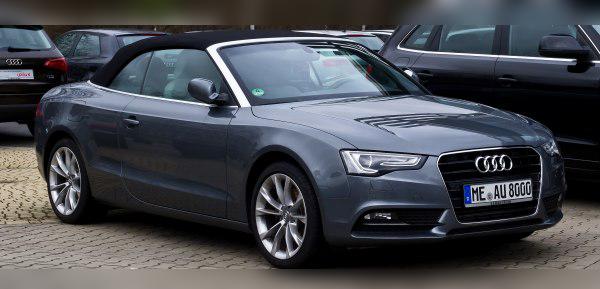
Audi 3.0 TDI V6 CLAB (204 hp) – Experiences, issues, fuel consumption and used-car buying tips
- Excellent refinement: The V6 configuration provides an exceptionally smooth operation, far more refined than four-cylinder alternatives.
- Fuel consumption: Very economical for a 3.0-liter engine, especially on the highway.
- Timing system: Uses a chain located at the rear of the engine towards the gearbox; replacement is very expensive (depends on the market).
- Weak point – Gearbox: Often paired with the Multitronic (CVT) gearbox, which is sensitive to high torque and prone to failures at higher mileage.
- EGR cooler: A typical problem with coolant leaking into the engine’s "V" section.
- Tuning potential: The engine is factory “detuned”, so it can easily be uprated, but caution is mandatory due to gearbox limits.
Contents
- Introduction: The golden middle ground for sedans
- Technical specifications
- Reliability and maintenance
- Specific parts (costs and weak spots)
- Fuel consumption and performance
- Additional options and modifications
- Gearbox: The most important factor when buying
- Buying used and conclusion
Introduction: The golden middle ground for sedans
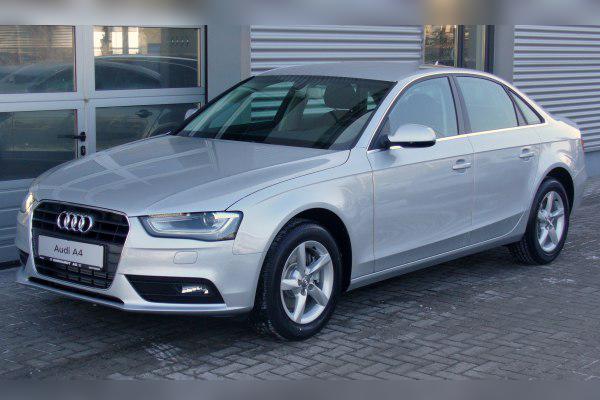
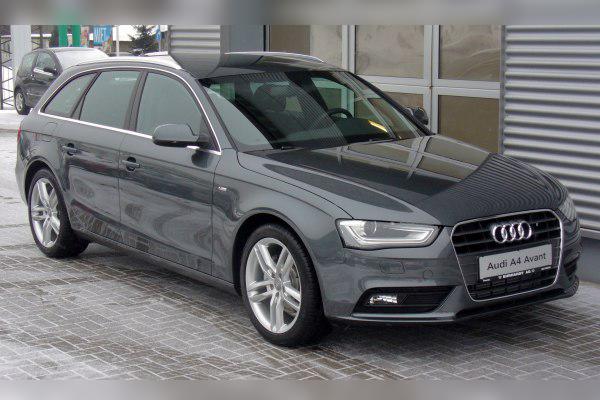
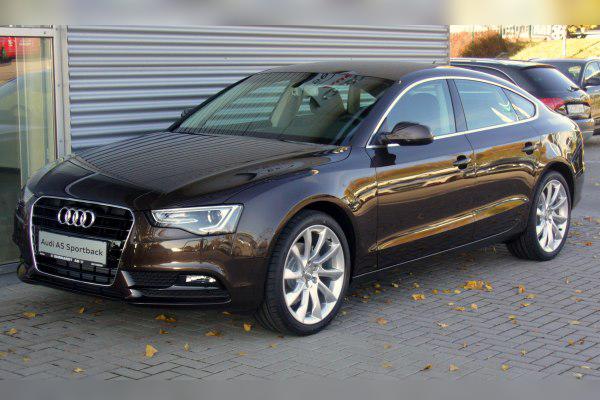
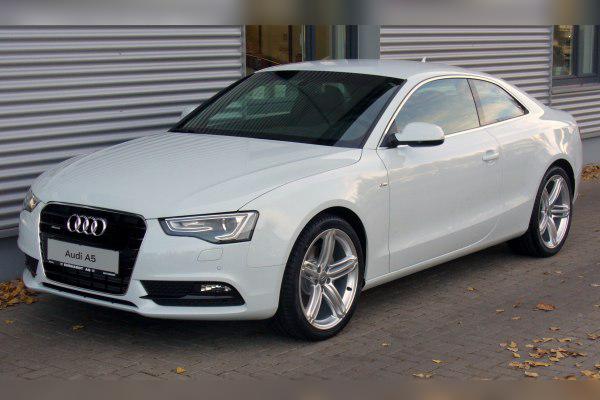
The engine code CLAB denotes a three-liter V6 diesel engine that was mainly installed in the facelift generations of the Audi A4 (B8) and Audi A5 (8T/8F) starting from 2011. Audi offered this engine as an entry point into the world of V6 diesels, combining exceptional refinement with fuel consumption that defies its displacement. Because it is limited to 150 kW (204 hp) and 400 Nm, it most often comes in a front-wheel-drive configuration, which makes it lighter and more efficient than the more powerful Quattro versions. It is important because it represents the perfect compromise for drivers who want the longevity of a “six-cylinder” but do not want to pay the fuel consumption penalty in everyday driving.
Technical specifications
| Specification | Data |
|---|---|
| Engine displacement | 2967 cc |
| Engine power | 150 kW (204 hp) |
| Torque | 400 Nm |
| Engine code | CLAB |
| Injection type | Common Rail (Direct) |
| Charging system | Single turbocharger with intercooler |
Reliability and maintenance
When you open the hood of this V6 unit, the first thing you need to know is that it has a timing chain, not a timing belt. The problem (from a maintenance perspective) is that the system of chains, tensioners and guides is positioned at the rear of the engine, right by the firewall, towards the gearbox. Because of this configuration, the so‑called “major service” that includes timing replacement is not done at a fixed mileage according to the book, but when the chain starts to rattle at cold start – usually between 200,000 and 250,000 km. To do the job properly, the engine has to be removed or the gearbox dropped, which makes labor very expensive, and the total cost ranges from 1000 to 2000 euros (depends on the market).
As for regular maintenance, this engine takes about 6.4 liters of oil. It is necessary to use only synthetic oil of grade 5W-30 that meets the VW 507.00 specification. Every experienced mechanic will recommend shortening the service interval from the factory 30,000 km to a maximum of 15,000 km. The CLAB engine is generally not known as an “oil burner”. Due to the design of the rings and the high-quality cylinder finish, consumption of around 0.5 liters between services (over 10,000 km) is considered completely normal and is no cause for concern.
The most common failures are related to the engine’s peripheral components. Along with the chain tensioner issue, high on the list of problems is coolant leakage in the space between the two cylinder heads (the V-section). This happens due to failure of valves, pipes or the housing of the EGR valve cooler. The driver will notice a drop in coolant level in the expansion tank, and under the hood a sweet smell of vapors can be sensed at the normal operating temperature of 90 °C.
The injection system uses piezo injectors. The durability of the injectors largely depends on fuel quality, but in practice they usually cover more than 250,000 km without major issues. When they start to fail, symptoms include slight fluctuation of idle speed, increased white or black smoke under heavy throttle, rougher running and harder starting. Overhauling piezo injectors is problematic, so people often resort to buying new or tested used ones, which falls into the category of – very expensive (depends on the market).
Specific parts (costs and weak spots)
This model, regardless of whether it is paired with a manual or automatic gearbox, is equipped with a dual-mass flywheel. Its function is to smooth out the torsional vibrations of the massive six-cylinder engine. Replacing the dual-mass flywheel is a significant financial hit and usually costs between 800 and 1200 euros (depends on the market).
Unlike the BiTDI versions, the CLAB uses a single variable-geometry turbocharger made by BorgWarner. The turbo is extremely durable and it is rare for the original unit to fail first, provided the oil has not degraded due to overly long service intervals. Its lifespan often exceeds 300,000 km without any noticeable play in the rotor shaft.
Material fatigue is nevertheless inevitable when it comes to emissions systems. The DPF filter and EGR valve are standard equipment. The DPF often clogs if the vehicle is mostly used in stop-and-go city traffic. When the DPF is at the end of its life, the engine electronics enter limp mode (protective mode). As for the AdBlue system (SCR catalyst), the vast majority of CLAB engines meet Euro 5 standards without the need for urea injection. However, due to variations towards the end of production, the presence of an AdBlue system must be checked by VIN.
Fuel consumption and performance
Where the CLAB really shines is in the balance of performance and fuel consumption. In heavy city driving conditions, real-world fuel consumption ranges between 8.5 and 10.5 l/100 km, depending on how heavy the driver’s right foot is and on the gearbox. Some may wonder whether 204 hp and 400 Nm is “lazy” for a C-segment sedan that weighs over 1600 kg empty. The answer is absolutely not. This engine delivers power in an extremely linear fashion, without the “turbo lag” that plagues smaller two-liter diesels.
The natural habitat for this car is the highway. Thanks to long gear ratios (especially in the Multitronic version), at a cruising speed of 130 km/h the engine spins at barely 1800 to 2000 rpm. Fuel consumption on the open road can drop to a fantastic 5.5 to 6.5 l/100 km, with minimal cabin noise, which makes it an excellent long-distance cruiser.
Additional options and modifications
Since this is an electronically “detuned” version of the three-liter engine in the VAG group (more powerful versions go up to 245 hp with similar hardware), the CLAB is a phenomenal base for a so‑called Stage 1 remap. With a simple ECU map change, this engine can safely produce between 260 hp and 280 hp, with torque jumping to over 500 Nm.
However, this brings us to a critical note – the engine power can be safely increased, but this does not apply to the gearbox. If you have a Multitronic, extreme torque increases can literally shred the gearbox components. Tuning is advisable only with a strict torque limit at lower revs or if you have a manual gearbox in excellent condition.
Gearbox: The most important factor when buying
This is where we come to the most sensitive part of this car. The CLAB was most often installed with front-wheel drive and was available with a 6-speed manual or a stepless CVT Multitronic automatic gearbox (simulating 8 speeds).
The manual gearbox is practically indestructible. All failures generally come down to wear of consumable parts – the clutch kit and the dual-mass flywheel. Replacing the clutch and flywheel is quite expensive and you should budget around 1000 euros including labor (depends on the market).
On the other hand, the Multitronic (CVT) is considered Audi’s Achilles’ heel from this period. Although it is a comfortable gearbox that keeps the engine at optimal revs and reduces fuel consumption, the chain-and-cone transmission technology has a very limited service life. The most common failures include: jerking when moving off from a standstill, fluctuating revs at a constant speed (a symptom of damaged cones), and failure of the TCM (Transmission Control Module). Repairing a damaged Multitronic gearbox ranges from very expensive to not cost-effective (depends on the market).
Because of this, oil change intervals are critical for the automatic gearbox. The manufacturer requires, and experienced mechanics insist, that high-quality CVT oil be changed at least every 60,000 km. Skipping this service guarantees a catastrophic failure.
Buying used and conclusion
Before you hand over your money for a used A4 or A5 with the 3.0 TDI CLAB engine, do the following:
- Cold start: Let the car sit overnight and be present at the first morning start. Any metal-on-metal rattling that lasts longer than 1–2 seconds at the rear of the engine means a timing chain job is due immediately.
- Check the V-section: Shine a flashlight under the plastic engine cover towards the center. If you see dried pink/red traces of coolant, be prepared to fix a leak around the EGR cooler.
- Gearbox test: If it’s a Multitronic, stop the car on an incline. Release the brake – the car should not roll backwards. Then gently apply throttle. Take-off must be completely smooth, without any jerks.
- Diagnostics (VCDS): Reading the DPF saturation level and injector correction values is a mandatory step at the workshop before buying.
Who is this engine for?
An Audi with the CLAB engine is a dream come true for people who spend hours on the highway cruising at high speeds and want the acoustic comfort of a V6, but do not want the higher registration costs and more complex maintenance of the more powerful Quattro BiTDI setups. If you are looking for a car solely for city-center traffic jams and short trips to the store, skip it – DPF issues and potential costs related to injectors and the Multitronic gearbox will quickly wipe the smile off your face. The ideal buying scenario is a model with a manual gearbox from an owner who can prove that the timing chain has been replaced recently.