Audi 2.0 TDI 190 HP (CNHA, CZJA, DDDA) – Experiences, problems, fuel consumption and used-car buying tips
Key points (TL;DR)
- Reliable mechanics: Belongs to the improved EA288 engine generation, has no problematic timing chain but uses a timing belt.
- Excellent balance: With 190 HP and 400 Nm, this engine offers great performance with very reasonable fuel consumption. It’s not “lazy” at all, even for a large body.
- AdBlue system: The weakest point of this model. The pump and heater in the tank often fail, and repairs are expensive.
- S tronic gearbox: Fast and efficient, but requires strict oil change intervals every 60,000 km. Otherwise, the mechatronics unit and clutch pack will fail.
- Dual-mass flywheel: Present in all versions (both manual and automatic), and replacement is a serious financial expense.
- Not for city driving: DPF and EGR systems suffer if the car is driven mostly on short urban trips.
Contents
- Introduction: Get to know the 2.0 TDI with 190 HP
- Technical specifications
- Reliability and maintenance
- Specific parts and costs
- Fuel consumption and performance
- Additional options and modifications
- Gearbox and drivetrain
- Buying used and conclusion
Introduction: Get to know the 2.0 TDI with 190 HP
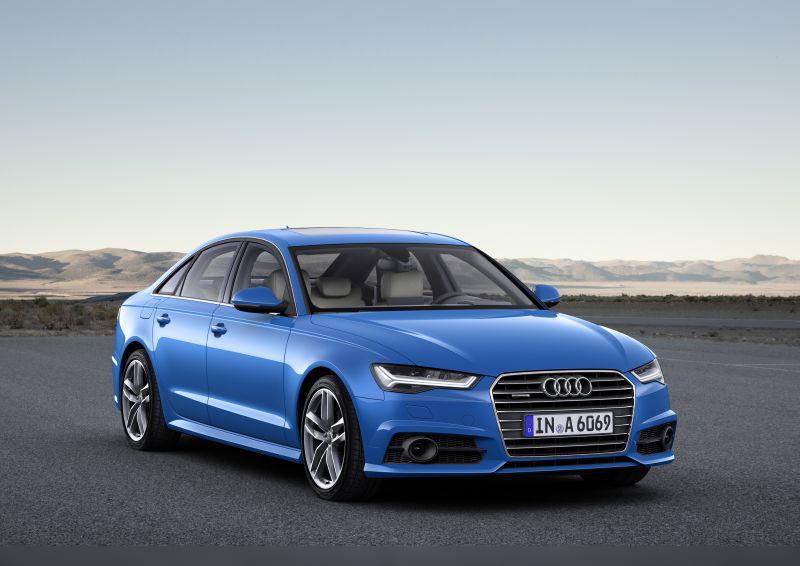
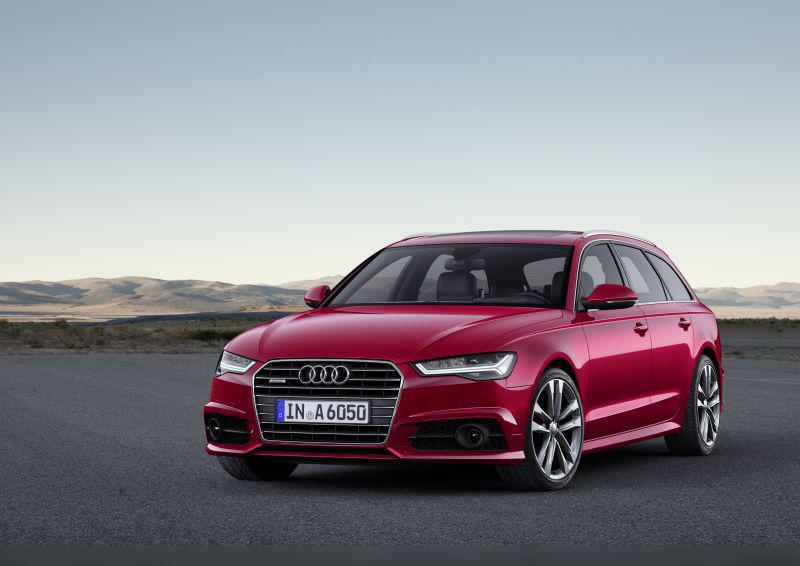
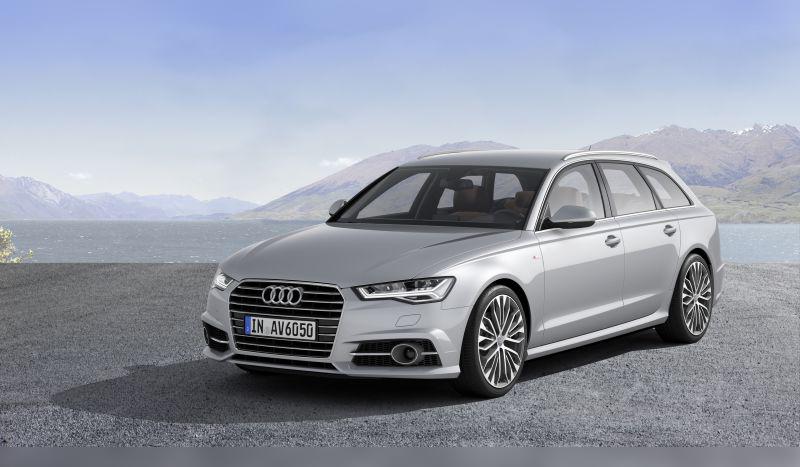
When someone mentions the Audi A6 (C7 generation, especially the facelift from 2014 to 2018), many immediately think of the powerful 3.0 V6 TDI engines. However, the 2‑liter block with 190 HP and 400 Nm (engine codes CNHA, CZJA, DDDA) is probably the most rational choice for the average driver in Europe. These engines belong to the modern EA288 family, which brought Euro 6 compliance and fixed many of the teething problems of previous generations. You will often see the “ultra” badge with this engine, which denotes versions with front-wheel drive, optimized aerodynamics and gearboxes tuned for maximum fuel savings. On the other hand, when paired with quattro drive, this engine offers top-notch traction in all conditions.
Technical specifications
| Specification | Data |
|---|---|
| Displacement | 1968 cc |
| Power | 140 kW (190 HP) |
| Torque | 400 Nm |
| Engine codes | CNHA, CZJA, DDDA |
| Injection type | Common Rail (Piezo injectors) |
| Charging | Variable-geometry turbocharger (VGT) with intercooler |
| Emission standard | Euro 6 (equipped with DPF, EGR and SCR/AdBlue) |
Reliability and maintenance
Belt or chain?
This engine uses a timing belt to drive the camshafts. This is good news, because replacement costs are predictable and the engine runs more smoothly compared to older chain-driven generations. Inside the block there is also a small belt that drives the oil pump, which should also be taken into account during major services.
Most common failures
In general, EA288 engines are extremely reliable, but they do have their weak spots. The most common issue is coolant (antifreeze) leakage at the water pump. The water pump on this model has an electronically controlled flap that can get stuck. There are also frequent problems with the EGR cooler, which over time can start leaking, causing the engine to consume coolant or to log errors due to a clogged EGR valve from soot buildup. The biggest financial headache is definitely the AdBlue system, which will be covered in more detail later.
Major service
The manufacturer specifies a timing belt replacement interval of an optimistic 210,000 km. However, real-world experience and seasoned mechanics suggest doing the major service at 150,000 km or every 5 to 6 years (whichever comes first). Tensioners and the water pump rarely survive the factory interval without issues.
Oil: Quantity, grade and consumption
The engine takes about 4.7 liters of oil. Fully synthetic oil of grade 0W-30 or 5W-30 that meets VW specification 507.00 is strictly recommended (so‑called Low SAPS oil, necessary because of the DPF filter). As for oil consumption, these engines are not known as big “oil drinkers” like some petrol units, but consumption of about 0.5 to 1 liter per 15,000 km is considered completely normal. If the engine consumes significantly more, the problem may lie in the turbocharger or worn piston rings.
Injectors
The injection system uses advanced Piezo injectors. They have proven to be extremely durable and reliable. With quality Euro diesel and regular fuel filter changes, they easily cover 250,000 to over 300,000 km. When they start to fail, symptoms include rough idle, increased exhaust smoke, “clicking” noises under load and harder cold starts. Rebuilding or replacing injectors is expensive to very expensive (depending on the market).
Specific parts and costs
Dual-mass flywheel
Yes, the engine has a dual-mass flywheel, regardless of whether it is paired with a manual or S tronic (automatic) gearbox. Its lifespan is usually between 150,000 and 200,000 km, depending on driving style (frequent city driving and hard acceleration from low revs wear it out faster). Symptoms of a worn flywheel include strong vibrations at idle, a metallic rattling noise when switching the engine off, and juddering when setting off. Replacing the dual-mass flywheel, especially on S tronic cars, is very expensive (depending on the market).
Turbocharger
The engine has a single variable-geometry turbocharger (VGT). Its service life is excellent and often exceeds 250,000 km if the oil is changed regularly and the engine is not switched off immediately after aggressive driving (to allow the turbo to cool down). If you hear a pronounced “whistling” sound like a police siren, or the car goes into limp mode (loses power) under acceleration, these are early signs of problems with the geometry or turbo bearings.
DPF and EGR systems
Since this is a Euro 6 engine, DPF (diesel particulate filter) and EGR are mandatory. They often clog if the car is driven exclusively in city conditions. The DPF requires regular highway runs to perform passive or active regeneration. A clogged DPF will raise the oil level in the sump (due to unburned diesel mixing with the oil when regenerations are interrupted), while a dirty EGR will cause jerking at low revs.
AdBlue system (SCR)
This is also the most common headache for owners of these cars. To meet Euro 6 standards, the engine uses AdBlue fluid to reduce NOx emissions. The problem is that the module in the tank (which contains the pump, heater and level sensors) often fails. The first symptom is a warning on the dashboard: “AdBlue fault – No engine start in 1000 km”. The repair involves replacing the complete tank with the pump, which is very expensive (depending on the market). In addition, the NOx sensors in the exhaust also have a limited lifespan and are not cheap.
Fuel consumption and performance
City driving
The Audi A6 C7 weighs around 1.7 to 1.8 tons. In stop‑and‑go city traffic, real-world fuel consumption is between 7.5 and 9 l/100 km. In winter, until the engine reaches its operating temperature of 90°C, consumption can exceed 9.5 liters.
Is the engine “lazy”?
Short answer: No. Many people are prejudiced that a 2.0 engine is too weak for the A6, but 190 HP and an impressive 400 Nm of torque (available from as low as 1750 rpm) make this car very agile. In everyday driving and overtaking on country roads you won’t feel a lack of power. The difference compared to the 3.0 V6 is noticeable only at speeds above 160 km/h or under full load on steep climbs.
Highway cruising
The highway is this engine’s natural habitat. Sound insulation in the A6 is excellent, and when paired with the 7‑speed S tronic gearbox, the engine cruises at 130 km/h at a very low around 1800 to 2000 rpm (depending on gear ratios; ultra models have slightly longer gearing). Fuel consumption on the highway at 130 km/h is impressively low, at around 5.5 to 6.5 l/100 km.
Additional options and modifications
Chiptuning (Stage 1 remap)
The engine block, injectors and turbo are quite robust, so this engine responds very well to remapping (Stage 1). Without any mechanical modifications, the engine can be safely raised to about 220 to 235 HP and around 460 to 480 Nm of torque. This gives the car noticeably stronger acceleration, and with normal driving fuel consumption can even drop slightly. Warning: If you tune the engine, it is essential to adapt the S tronic gearbox software as well, so that the mechatronics unit and clutches can withstand the increased torque without slipping.
Gearbox and drivetrain
Which gearboxes are fitted?
With this engine you can find:
- 6‑speed manual gearbox: Very robust and reliable.
- 7‑speed S tronic (DSG dual‑clutch): The gearbox code is usually DL382. This gearbox offers speed and comfort, but carries certain risks if not maintained properly.
Most common gearbox failures
With the manual gearbox, the only real issue at higher mileage is wear of the clutch kit and dual-mass flywheel.
With the S tronic gearbox, the sensitive point is the mechatronics unit (the electro‑hydraulic control block). If you feel jerks when moving off, harsh downshifts from 2nd to 1st when slowing down, or you get a “Gearbox malfunction” error, it’s a sign that the clutches or mechatronics have failed. Overhauling an S tronic gearbox is very expensive (depending on the market).
Gearbox servicing
For the S tronic to last, changing the oil (ATF) and filter every 60,000 km is absolutely mandatory. If the previous owner ignored this, you risk a failure that can cost thousands of euros. For manual gearboxes, it is recommended to change the oil at around 100,000 km for smoother shifting, even though the manufacturer often doesn’t list it as mandatory.
Buying used and conclusion
What must be checked before buying?
- Cold start: Ask the seller not to start the car before you arrive. Listen carefully. If you hear metallic knocking or strong vibrations, the dual-mass flywheel is near the end of its life. If you hear rattling in the first few seconds, the belt tensioners may be bad.
- DPF condition (diagnostics): Connecting to a quality diagnostic tool (such as VCDS) is a must. Check the ash mass (Oil Ash Volume) in the DPF. If it is close to the maximum limit, you are looking at a DPF cleaning or replacement.
- Injector deviation: Use diagnostics to check injection values at idle. If the correction on any cylinder is too high, that injector is clogged or damaged.
- Coolant traces: Inspect the area around the water pump and EGR cooler. Pink or purple crystals (dried coolant) indicate a leak.
- Gearbox test drive: The S tronic must shift imperceptibly, both under gentle acceleration and under kick‑down. There should be no jerks when coming to a stop.
Who is this engine for?
The Audi A6 2.0 TDI (190 HP, CNHA/CZJA/DDDA) is an ideal choice for business users and families who need a comfortable, safe and economical car for open roads and long journeys. The combination of 400 Nm and the excellent S tronic gearbox offers a premium driving feel without excessively high registration and fuel costs.
On the other hand, if you are buying the car to drive it 90% of the time on short city commutes to work and back, avoid it. All modern Euro 6 diesels (DPF, EGR, AdBlue) will be a pain in such conditions, and any fuel savings will be wiped out by expensive visits to the workshop.