CY 1.6 TD Engine (70 hp): Experiences, Problems, Fuel Consumption and Used-Car Buying Tips
- Old-school diesel: Fully mechanical engine, with no electronics whatsoever, which means excellent reliability and cheap maintenance.
- No expensive parts: Forget about dual-mass flywheels, DPF filters, EGR valves and complicated injectors.
- Main weak point: Thermal sensitivity of the cylinder head – overheating often leads to head cracking.
- Oil consumption: A natural occurrence for this engine; it often requires topping up between services due to worn piston rings or valve stem seals.
- Performance: By today’s standards extremely slow and noisy, especially on the highway.
- Buying used: The biggest problem today is finding a well-preserved example, considering that the engine is over 40 years old.
Contents
- Introduction: An icon of older generations of Volkswagens and Audis
- Technical specifications
- Reliability and maintenance
- Specific parts (costs)
- Fuel consumption and performance
- Additional options and modifications
- Gearbox: Manual and automatic
- Buying used and conclusion
Introduction: An icon of older generations of Volkswagens and Audis
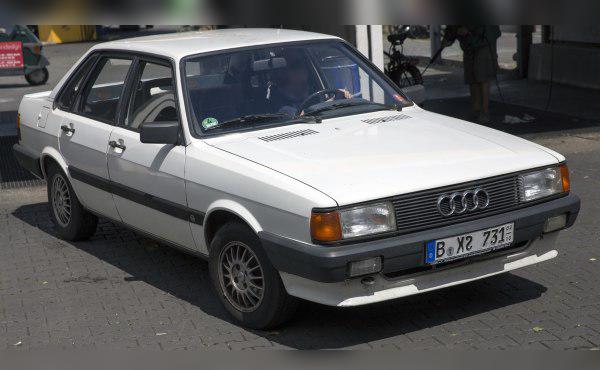
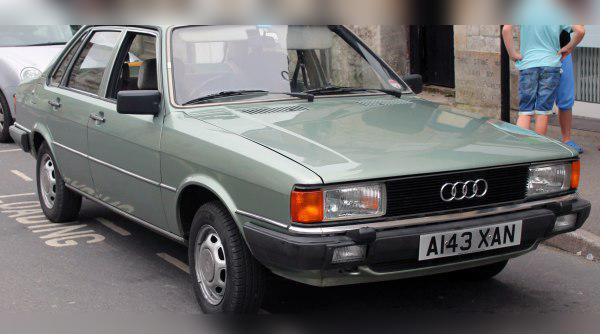
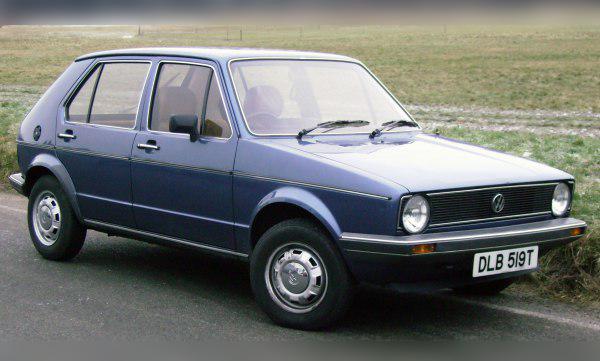
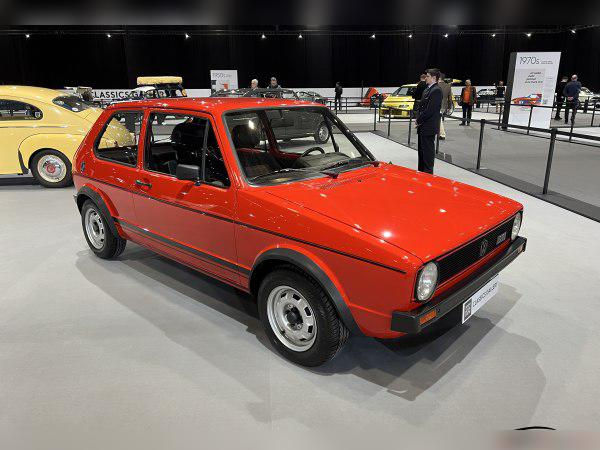
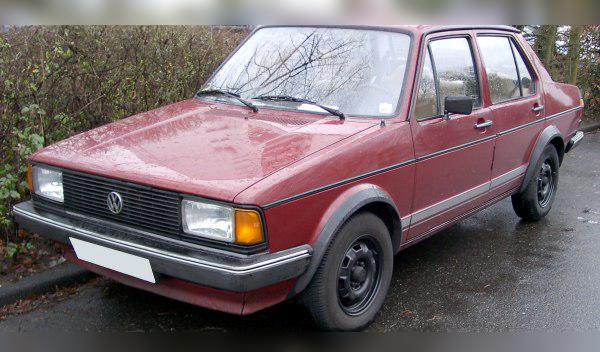
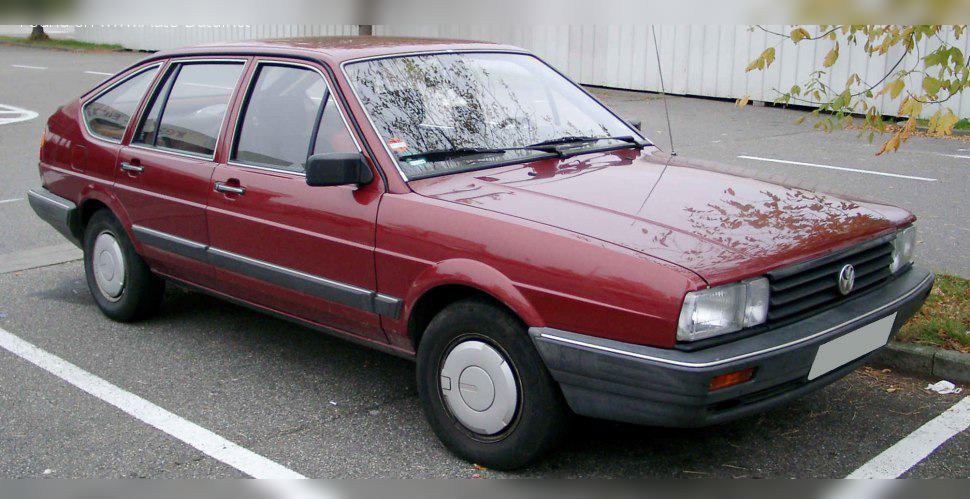
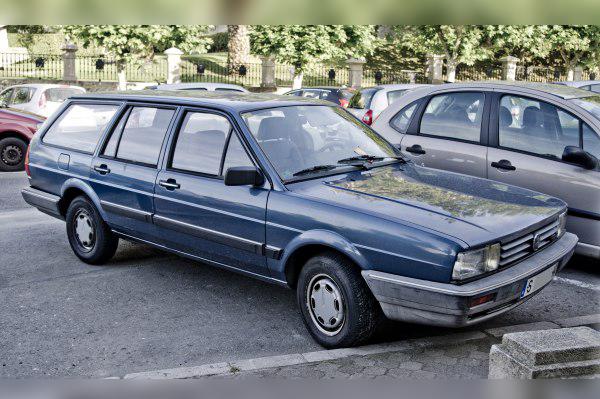
Before TDI became a global phenomenon, Volkswagen and Audi dominated the diesel market thanks to indirect injection engines. The engine with the CY code is an early 1.6‑liter turbo diesel unit (1.6 TD) that produces 51 kW (70 hp). This engine became legendary because it was installed in cult models such as the first generation Volkswagen Golf and Jetta, as well as in the robust bodies of the Audi 80 (B2) and Passat B2 (“kockica” and “suza” body styles). Today the CY engine is a relic of the past, but for oldtimer and classic car enthusiasts it is still a prime example of mechanical simplicity that is easy and cheap to maintain.
Technical specifications
| Parameter | Value |
|---|---|
| Displacement | 1588 cc |
| Power | 51 kW (70 hp) |
| Torque | 133 Nm |
| Engine codes | CY |
| Injection type | Indirect, mechanical rotary Bosch pump (Bosch VE) |
| Turbo/Naturally aspirated | Turbocharger (usually KKK or Garrett) without intercooler |
Reliability and maintenance
Timing system: Timing belt
This engine uses a timing belt to synchronize the crankshaft, camshaft and high-pressure pump (Bosch pump). Since this is older technology, the belt is under significant load. A major service (replacement of timing belt, tensioner, idler pulleys and water pump) is strictly recommended every 60,000 km or at the latest every 5 years. A snapped belt on the CY engine will definitely cause catastrophic damage – the valves hit the pistons, the camshaft bends and the cylinder head is destroyed.
Oil and service intervals
The engine takes approximately 3.5 to 4 liters of oil (depending on the filter and sump design for the specific model). The recommended grade according to the factory specs of the time is 15W-40 (mineral) or 10W-40 (semi-synthetic) for colder climates. Oil changes are done more frequently than on modern cars – ideally every 7,500 to 10,000 km. Regular oil changes are crucial for lubricating the old turbocharger.
Oil consumption
Yes, this engine consumes oil between two services. For engines of this type and age, consumption of 0.5 to 1 liter per 1000 km was, according to the factory specs of that era, considered somewhat “normal”. However, if the engine is in good condition, consumption should be around 1 to 1.5 liters from one service to the next. Increased consumption is most often caused by worn piston rings, tired valve stem seals or leaks from old gaskets and seals.
Most common failures
The main weak point of the CY engine is the cylinder head. Due to the pre-chamber design and the lack of an intercooler, the engine runs very hot under heavy load on climbs (it often exceeds 100 °C coolant temperature). Symptoms: overheating leads to cracking of the cylinder head between the valves, which results in oil and coolant mixing, white smoke from the exhaust and swollen coolant hoses (excessive pressure in the expansion tank). The head gasket is also a wear item on this engine. Other problems are mostly cosmetic: oil leaks from the valve cover and oil pan.
Glow plugs and injectors (since it’s a diesel)
Since the CY is a diesel, it has no spark plugs, but uses glow plugs. If the engine is “hard” to start in winter and throws out a cloud of grey smoke until it settles into a smooth idle, the glow plugs are the first suspects. The injectors are fully mechanical and extremely durable. When the injector nozzles wear out due to poor fuel quality, the engine starts to “knock” (a loud metallic sound at idle), shakes and emits black smoke. Reconditioning (replacing nozzles and calibrating opening pressure) is very cheap (depends on the market).
Specific parts (costs)
Dual-mass flywheel and clutch
Good news: this engine does not have a dual-mass flywheel. It uses a classic, heavy solid flywheel. The clutch is very simple and a clutch kit (pressure plate, disc and release bearing) is not expensive (depends on the market). Transmission maintenance costs are minimal.
Injection system
The engine uses the legendary mechanical Bosch VE rotary high-pressure pump. There is no electronics. The only problem that appears is the aging of rubber seals in the pump due to decades of use and aggressive additives in modern Euro diesel. When the pump starts leaking, you can smell diesel fuel and see air bubbles in the fuel lines, which makes cold starting difficult. Resealing the Bosch pump is a straightforward job for any Bosch specialist and is not expensive (depends on the market).
Turbocharger and emissions
The engine has a single turbocharger, usually a KKK or early Garrett unit. These turbochargers are primitive, without variable geometry (VNT), with a simple wastegate valve for pressure relief. Their lifespan is long if you change the oil regularly and let the engine idle for a minute before shutting it off, so the oil in the turbo doesn’t burn and leave deposits. When the turbo starts to fail, the car loses power and emits blue smoke. Turbocharger overhauls are affordable. As for emissions: this engine has no DPF filter, no EGR valve and of course no AdBlue system. Because of that, you won’t suffer from the expensive emissions-related failures that plague owners of modern diesels.
Fuel consumption and performance
Fuel consumption
Real-world fuel consumption in city driving is around 6.5 to 8.0 l/100 km. This depends on which car the engine is installed in – the Mk1 Golf is significantly lighter and uses less fuel, while in a Passat B2 estate (Variant) in heavy traffic it can exceed 8 liters.
Performance in the city and on the highway
Is the engine sluggish? By today’s standards – absolutely yes. Power of 70 hp and only 133 Nm of torque means that overtaking must be carefully planned. In the Golf I the engine still gives a certain sense of agility, but in the Audi 80 or Passat, acceleration is sluggish. The engine needs more revs to pull away than modern TDI units.
On the highway, the CY engine shows its age. At 130 km/h, depending on the gear ratios (whether it has a 4‑speed or 5‑speed gearbox), the engine is spinning very high, often over 3200–3500 rpm. Driving is then extremely noisy, and fuel consumption rises. Its optimal cruising speed is around 90–100 km/h.
Additional options and modifications
LPG conversion and chip tuning
Since this is a diesel engine, installing LPG is not feasible in the usual way and nobody does it on these vehicles.
As for so‑called “chip tuning” (Stage 1), this engine has no ECU (engine computer), so it cannot be remapped via software. Power increases are done the old-school way – mechanically. Mechanics increase the fuel quantity on the Bosch pump (turning the fuel screw) and mechanically raise the boost pressure on the turbo’s wastegate. This can yield 10–15 hp more, but it is not safe in the long run. Due to the lack of an intercooler, adding more fuel drastically raises exhaust gas temperatures (EGT), which accelerates cylinder head cracking and piston damage. The stock 70 hp is the sweet spot for reliability.
Gearbox: Manual and automatic
Gearbox characteristics
The CY 1.6 TD was paired with classic manual gearboxes with 4 and 5 speeds. 4‑speed units are more common on older model years, while 5‑speed gearboxes are preferable because they drastically reduce noise at higher speeds. Early 3‑speed automatic gearboxes were also installed (especially in Audi 80 and Passat models).
Most common issues and maintenance
Manual gearbox: Very reliable. The most common problems are not in the gearbox itself but in the shift linkage. Due to worn Teflon bushings and rubber parts, the shifter becomes imprecise and “mushy” – it feels like stirring soup, and it becomes hard to find first or reverse. Synchros can grind when shifting quickly into second gear, considering the mileage on these cars. The oil (usually 75W-90, GL-4 spec) should be changed every 60,000 km to extend synchro life.
Automatic gearbox: The 3‑speed automatic is a hydraulic unit and “kills” what little performance the engine has, while increasing fuel consumption by more than 1.5 liters. Failures include oil leaks and harsh shifts (jerking) due to contamination in the valve body. Servicing (ATF and filter change) is recommended every 40,000 km. Today it is hard to find one in good condition, so many owners convert their cars to manual.
Buying used and conclusion
What to check when buying?
The biggest enemies of this engine are poor maintenance and age. When you’re looking at a car with a CY engine, make sure to check the following:
- Cold start: Ask the seller to keep the car completely cold. The engine should start as soon as the glow plug light goes out, without excessive cranking. If it cranks for a long time, it is losing compression or drawing air into the fuel system.
- Exhaust smoke: Blue smoke when you press the accelerator means it is burning oil (turbo or piston rings). Thick black smoke indicates bad injectors or an “over-fueled” Bosch pump. A distinct sweet smell with thick white smoke (while the engine is warm) is a sign of a failing head gasket or cracked head.
- Cooling system: While the engine is running (at operating temperature), gently loosen the cap on the coolant expansion tank. If it blows out air strongly (makes bubbles, “boils”), the cylinder head is most likely cracked.
- Oil leaks: Check the oil pan, the junction between engine and gearbox (rear crankshaft seal) and the valve cover.
Who is this engine for?
The Volkswagen and Audi 1.6 TD (CY) with 70 hp is an engine for enthusiasts. It is not for the modern businessperson nor for people who want a comfortable and fast highway cruiser for everyday use. It was made for farmers, hobbyists, restorers of old models (Golf Mk1, Audi 80) and lovers of analog mechanics who want a car they can fix “with a hammer and a piece of wire” by the roadside. Its maintenance costs are laughable compared to modern common-rail diesels, but you pay for that with a lack of comfort, noise and a slower pace. If you find a healthy example that has not been overheated, you will get a reliable and almost indestructible machine to take you from point A to point B.