1.4 TSI / TFSI Engine (CZEA) 150 HP: Experiences, problems, fuel consumption and used-car buying tips
- Key points in short (TL;DR)
- Introduction and basic information
- Technical specifications
- Reliability and maintenance
- Specific parts and costs
- Fuel consumption and performance
- Additional options and modifications
- Gearbox and drivetrain
- Buying used and conclusion
Key points in short (TL;DR)
- The CZEA engine belongs to the reliable EA211 generation and uses a timing belt, which solved the timing chain stretching issues from previous generations.
- It is equipped with ACT/COD technology (deactivation of two cylinders under low load), which significantly reduces fuel consumption on open roads.
- The direct injection system requires regular maintenance and high-quality fuel; carbon buildup on intake valves is inevitable at higher mileage.
- It is not recommended for conventional LPG installation due to the high cost of special systems for direct injection.
- Automatic DSG gearboxes with dry clutches (DQ200) in front-wheel-drive versions can be sensitive and require a thorough check before purchase.
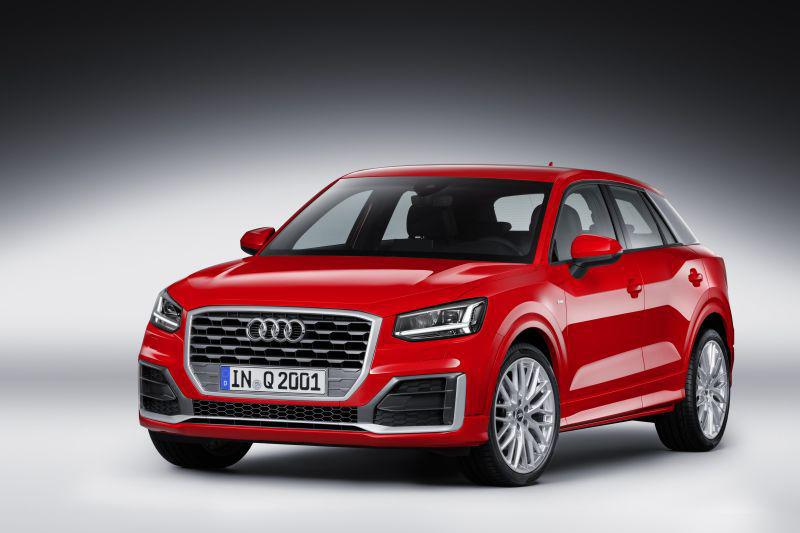
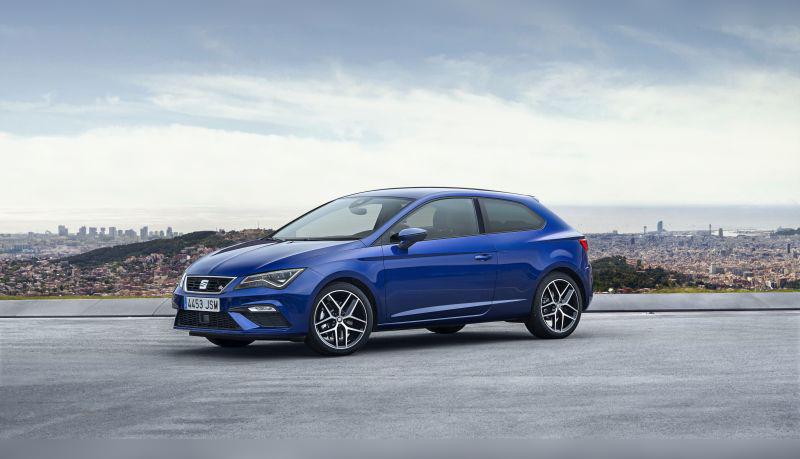
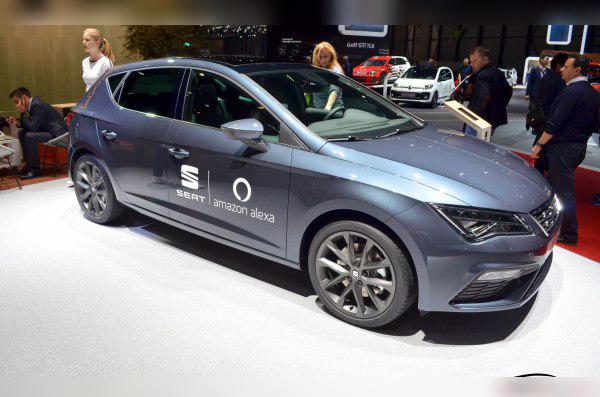
- Excellent balance between performance (150 HP / 250 Nm) and efficiency, ideal for body styles such as the Seat Leon, but also crossovers like the Audi Q2 and Seat Ateca.
Introduction and basic information
The 1.4 TSI engine (known in Audi as 1.4 TFSI) with the code CZEA represents the peak of development of the EA211 engine family before the transition to the newer 1.5 TSI generation. This unit delivers 110 kW (150 HP) and was designed to provide the driving feel of a larger-displacement engine while keeping fuel consumption and exhaust emissions low.
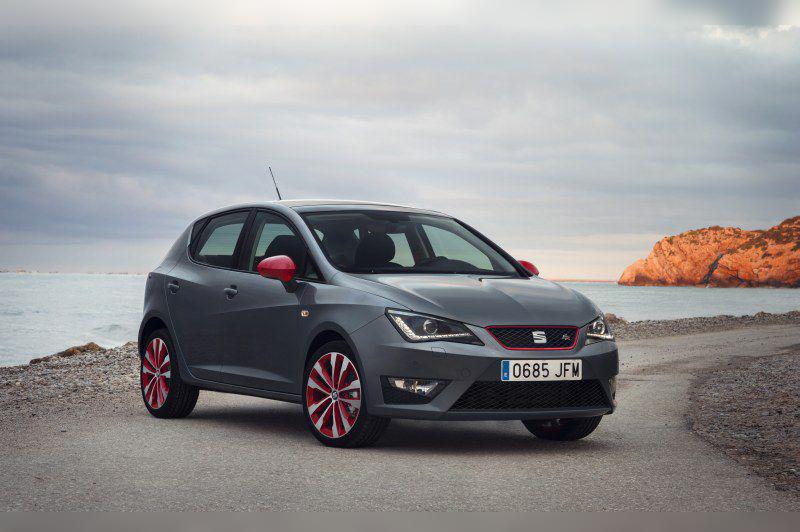
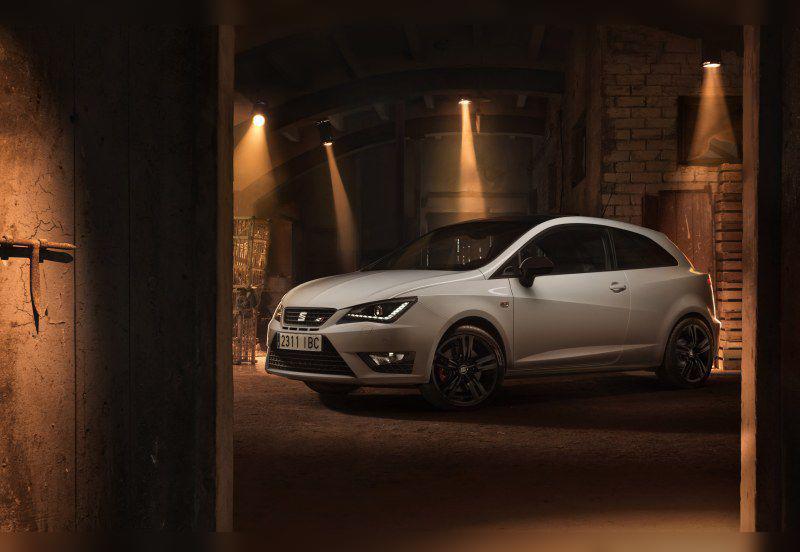
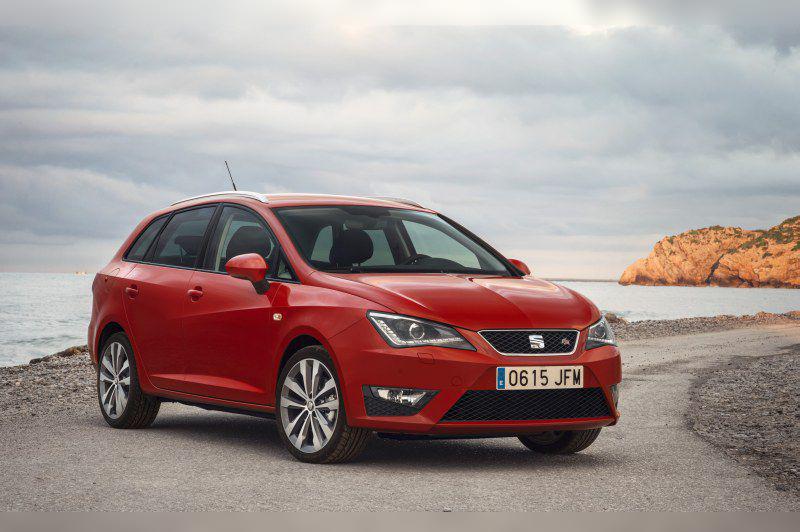
What sets this engine apart is the ACT (Active Cylinder Technology), also known as the COD (Cylinder on Demand) system. Under low and medium load (usually between 1400 and 4000 rpm), the engine deactivates the second and third cylinders. The driver notices this only via a message on the instrument cluster, while mechanically the transition happens almost imperceptibly. This engine was an extremely popular choice in VW Group vehicles, being installed in compact hatchbacks (Seat Leon, Ibiza) as well as in heavier crossovers (Seat Ateca, Audi Q2).
Technical specifications
| Parameter | Data |
|---|---|
| Engine displacement | 1395 cc |
| Engine power | 110 kW (150 HP) |
| Torque | 250 Nm (from 1500 rpm) |
| Engine code | CZEA (EA211 family) |
| Injection type | Direct petrol injection |
| Charging | Turbocharger with intercooler |
Reliability and maintenance
Timing system: Belt or chain?
Unlike the notorious older EA111 generation of 1.4 TSI engines that plagued owners with timing chain stretching, the CZEA engine uses a timing belt. This dramatically increased reliability and reduced owner stress. VW specifies a very long replacement interval, but experienced mechanics recommend doing the major service every 120,000 to 150,000 km, or every 5 to 7 years, whichever comes first.
Oil and regular servicing
This engine takes approximately 4.0 liters of engine oil. Fully synthetic oil of grade 5W-30 (VW 504.00 spec) is most commonly recommended, or in newer series 0W-20 (VW 508.00) to reduce friction and emissions. Although the manufacturer declares "LongLife" intervals of up to 30,000 km, any serious mechanic will tell you that an oil service must be done every 10,000 to a maximum of 15,000 km to keep the turbocharger and variable valve timing units healthy.
As for oil consumption, these engines are not notorious oil-burners like the older 1.8 or 2.0 TSI units. Still, mild consumption is normal due to the turbocharger and thin piston rings. The factory tolerance is up to 0.5 l per 1,000 km, although in practice a healthy CZEA engine should not consume more than 0.5 to 1 liter of oil between two services (over 10,000 km).
Spark plugs and ignition system
Since this is a petrol engine with direct injection and a turbocharger, the ignition system is under high stress. Spark plugs are replaced every 60,000 km. If this interval is ignored, coil packs can fail and combustion can become irregular, which in the long run destroys the catalytic converter.
Most common failures
The engine is generally very reliable, but it suffers from the typical issues of modern petrol engines:
- Carbon buildup on intake valves: Due to direct injection, petrol does not wash the valves. After 100,000+ km there may be a loss of power, rough idle and hesitation. This is resolved by mechanical cleaning (so-called "walnut blasting").
- Coolant leaks: The thermostat housing and water pump are known weak points. Over time, the plastic becomes brittle due to heating and cooling cycles and starts to seep coolant.
- Turbo actuator gear: Sometimes there is a problem with the turbo actuator (wastegate) which can stick, putting the engine into "limp mode" (safety mode).
Specific parts and costs
Dual-mass flywheel
Yes, versions of this engine equipped with manual gearboxes, as well as DSG gearboxes, have a dual-mass flywheel to dampen the vibrations of the strong 250 Nm torque, especially when the start-stop system turns the engine on and off, and when switching to two-cylinder mode. Replacing the clutch kit together with the dual-mass flywheel is an expensive job (depends on the market).
Injection system, turbo and emissions
The injectors are piezoelectric and located directly in the cylinder. They are not problematic by themselves, but they are very sensitive to dirty (poor-quality) petrol. It is recommended to occasionally use premium petrol or injector cleaning additives.
The turbocharger is integrated with the exhaust manifold and is water-cooled. This allows it to reach operating temperature quickly. The turbo’s service life is excellent and it easily goes beyond 200,000 km, provided you do not switch the engine off immediately after aggressive highway driving, but let it idle for a couple of minutes to cool the oil.
As a petrol engine, this model does not have a DPF filter or AdBlue system, which is a huge relief compared to TDI engines. It also does not have a classic external EGR valve that clogs up; instead, exhaust gas recirculation is handled internally via variable valve timing. (Note: Models from late 2018 onwards may have a GPF petrol particulate filter due to stricter regulations; this should be checked by VIN.)
Fuel consumption and performance
City driving and performance
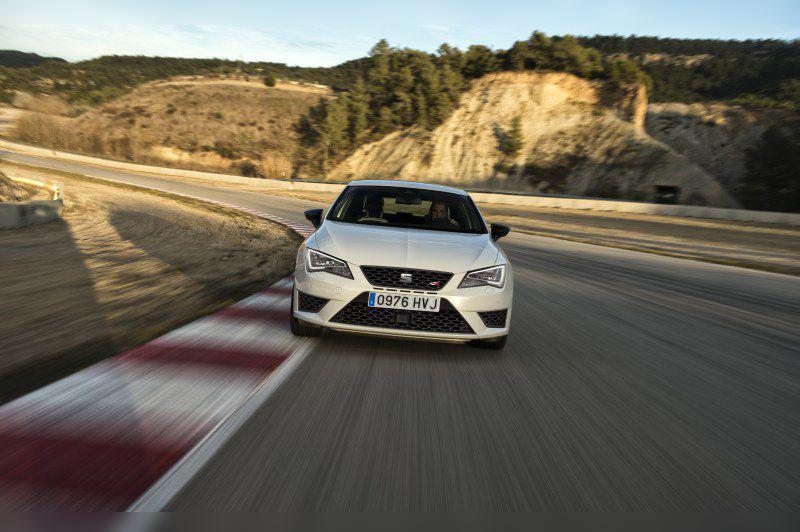
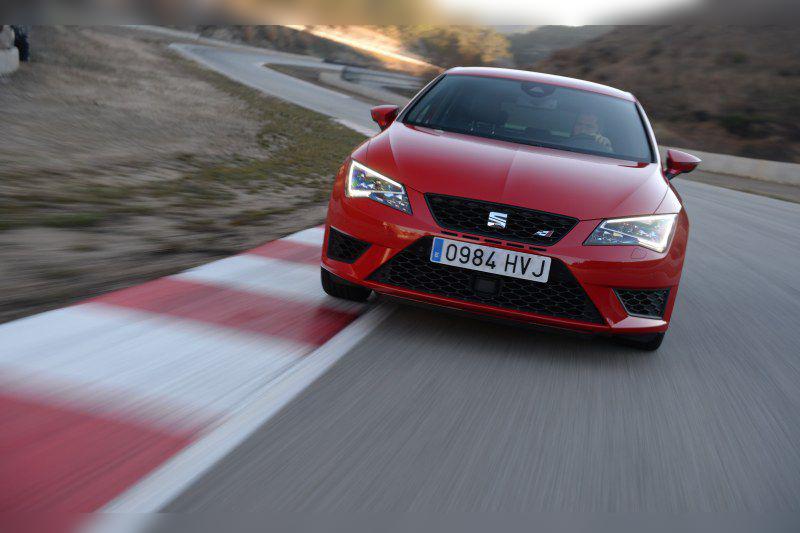
The CZEA engine is definitely not "lazy". With 250 Nm of torque available from just 1500 rpm, it drives with the ease of a diesel. Even in heavier bodies such as the Seat Ateca or Audi Q2, acceleration is smooth and convincing. In lighter models (Seat Ibiza, Leon) this is a particularly agile engine.
Real-world fuel consumption in city driving ranges from 7.5 to 9.0 l/100 km, depending on vehicle weight, traffic congestion and whether the start-stop system is used.
Behavior on the highway
On open roads this engine really shines, mainly thanks to the ACT (cylinder deactivation) system and the six-speed manual or seven-speed DSG gearbox. At a speed of 130 km/h, the engine cruises in sixth/seventh gear at a relaxed 2500 to 2800 rpm. Noise is minimal, and average fuel consumption on the highway is around 6.5 to 7.0 l/100 km, while on secondary roads it easily drops below 5.5 liters.
Additional options and modifications
LPG installation
Installing LPG on the CZEA engine is not recommended for the average driver. Since it has direct injection, a classic sequential LPG system is not an option because the in-cylinder injectors would melt without petrol. It is necessary to install expensive systems that either inject liquid gas through the factory injectors or constantly inject a certain percentage of petrol for cooling. Due to the engine’s low factory fuel consumption, the cost-effectiveness of installing such expensive LPG systems (depends on the market) is highly questionable.
Chiptuning (Stage 1 remap)
The engine block and turbocharger have excellent potential. A safe "Stage 1" remap can increase power from 150 HP to 175 - 185 HP, and torque to an impressive 300 - 320 Nm. If the modification is done by a reputable tuner, the engine can handle it without issues, but keep in mind that this increases stress on the dual-mass flywheel and clutch (especially with the dry-clutch DSG DQ200, which is factory-rated for a maximum of 250 Nm).
Gearbox and drivetrain
Manual and automatic gearboxes
The CZEA engine is paired with 6-speed manual gearboxes and 7-speed DSG automatic dual-clutch gearboxes.
There is an important difference with DSG gearboxes:
- Models with front-wheel drive usually use the DQ200 DSG with dry clutches.
- Models with all-wheel drive (Quattro on the Audi Q2, 4Drive on the Ateca) always use more robust DSG gearboxes with wet clutches (DQ250 or the newer DQ381) that run in oil.
Most common gearbox issues and maintenance
Manual gearboxes are robust, and their most common high-mileage issues are worn bearings if the car has been driven hard, as well as the inevitable replacement of the clutch kit and dual-mass flywheel. It is recommended to change the oil in the manual gearbox at around 100,000 km, even though the manufacturer does not require it.
Automatic DSG gearbox failures (DQ200): This gearbox (dry clutch) is known for somewhat harsher shifts from first to second gear at low speeds. In stop-and-go city driving, the clutch plates heat up and wear quickly. Failure of the "mechatronics" unit (the hydraulic-electronic brain of the gearbox) is the most expensive issue. The cost of replacing the dry clutch set or overhauling the mechatronics is very high (depends on the market).
DSG gearbox servicing: For DSG gearboxes with wet clutches (4x4 models), oil and filter must be STRICTLY changed every 60,000 km. For the DQ200 (dry), the manufacturer claims the oil is lifetime, but experienced mechanics advise changing the oil in the gearbox section and in the mechatronics every 60,000 to 80,000 km to prolong service life.
Buying used and conclusion
What to check before buying?
When buying a used car with the 1.4 TSI CZEA engine, pay attention to the following:
- Cold start: The engine should start smoothly. A light "ticking" from the direct injectors and high-pressure pump is normal, but harsh metal-on-metal rattling is not and may indicate problems with the camshafts or variable valve timing units.
- Coolant level: Check the coolant reservoir and look for traces of pink fluid around the engine (sign of a leaking water pump/thermostat).
- DSG test drive: Be sure to drive the car in stop-and-go city traffic. Shifts from 1st to 2nd gear and from 3rd to 2nd when slowing down must be smooth, without jerks, hesitation or vibrations in the floor and steering wheel.
- Idling at operating temperature (°C): If the car jerks or slightly shudders at 90 °C while idling, the intake valves are probably clogged with carbon and will need walnut-shell blasting.
Who is this engine for?
The 1.4 TSI CZEA (150 HP) is probably one of the best petrol options in the recent history of the VAG Group. It combines serious performance with fuel consumption that often rivals diesels on open roads. It is not a pain to maintain because it has no DPF, AdBlue or expensive diesel components, and the timing belt has solved the old TSI engine issues.
It is intended for drivers who cover up to 20,000 km per year, combine city and highway driving, and want comfort and power without a tractor-like sound under the bonnet. The only real risk with used examples is an unserviced DSG DQ200 gearbox, so a manual gearbox or a thoroughly checked automatic remains the safest choice.