Engine 1.6 TDI DDYA (116 HP): Experiences, problems, fuel consumption and used-car buying tips
Key points in short (TL;DR)
- Extremely economical engine, made for covering high mileage on open roads.
- Sensitive emissions system: the EGR valve and DPF filter often fail due to predominantly city driving.
- Requires high-quality diesel fuel for long life of the Common Rail injectors.
- The engine uses a timing belt, but the water pump is a weak point and can start leaking before the scheduled major service interval.
- Often paired with the seven-speed DSG gearbox (DQ200) with dry clutches, which requires careful diagnostics when buying.
- Has excellent potential for a Stage 1 remap, where extra power is easily gained.
Contents
- Introduction and basic information
- Technical specifications
- Reliability, maintenance and failures
- Specific components and emissions systems (DPF, EGR, AdBlue)
- Real-world fuel consumption and performance
- Tuning and modifications
- Gearbox and power delivery
- Buying used and final verdict
Introduction and basic information
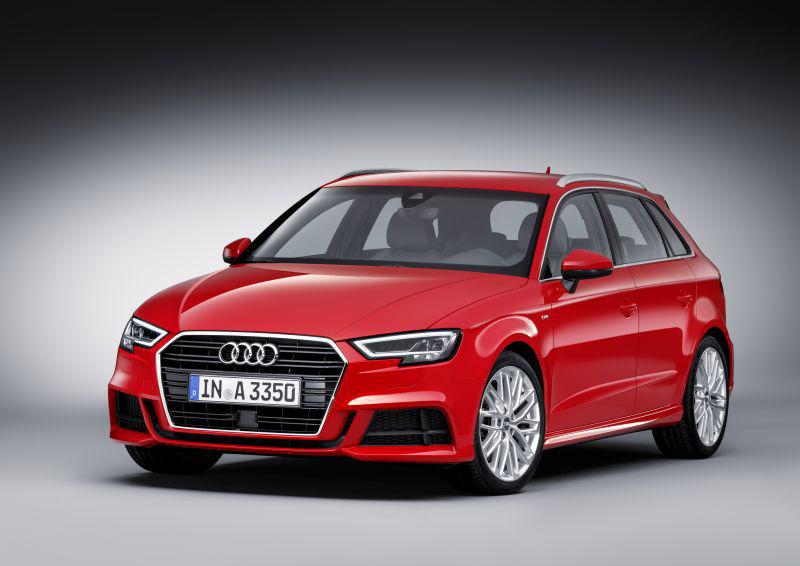
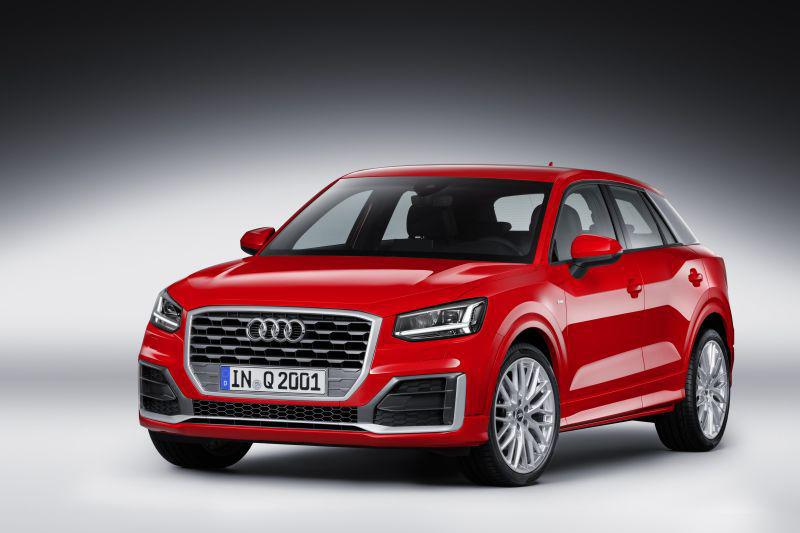
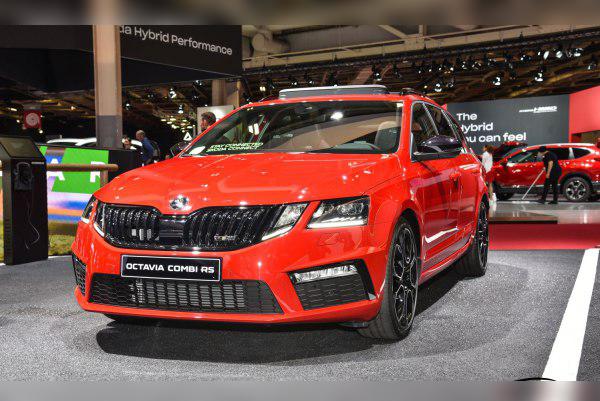
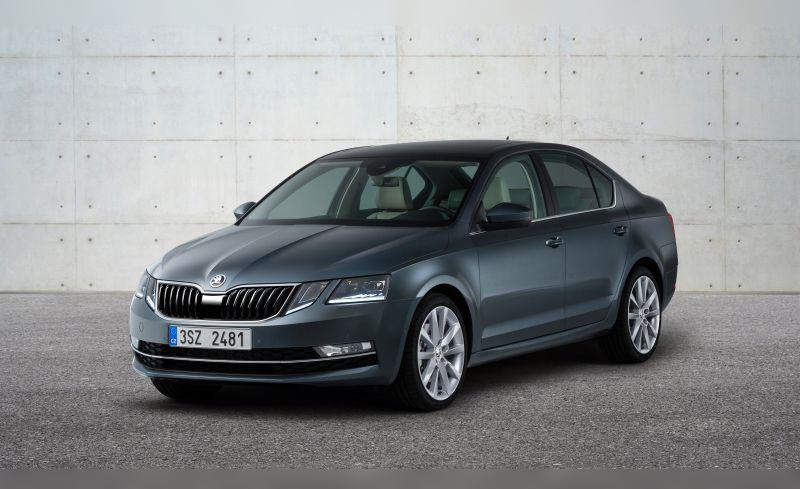
When talking about reliable workhorses across Europe, the VAG group still leads the way with its TDI engines. The engine code DDYA represents an evolution of the well-known 1.6 TDI, adapted to strict Euro 6 standards. With an output of 116 HP (85 kW), this engine was installed from 2016 and 2017 in popular models such as the Audi A3 (facelift), Audi Q2, and Škoda Octavia III. It was designed to offer the perfect compromise between low fuel consumption, adequate performance and low emissions, which made it a favorite choice for fleet vehicles as well as family users.
Technical specifications
| Displacement | 1598 cc |
| Power | 85 kW (116 HP) |
| Torque | 250 Nm |
| Engine code | DDYA |
| Injection type | Common Rail (Direct injection) |
| Aspiration | Turbocharger (VGT), Intercooler |
Reliability, maintenance and failures
The mechanical base of this engine is quite robust, but it does require discipline. Unlike older generations that had a chain on the camshafts, the DDYA uses a timing belt. The factory-specified interval for the major service is as high as 210,000 km, but in practice it is advisable to shorten this to around 150,000 km or at the latest 6 years. The reason lies in the water pump, which on VAG engines of this generation often starts leaking or losing efficiency well before the factory replacement interval, which can lead to overheating and serious damage.
As for lubrication, the engine takes about 4.6 to 4.7 liters of engine oil. Fully synthetic 5W-30 oil that meets the VW 507.00 specification is mandatory (so‑called “Low SAPS” oil, due to the DPF filter). Oil consumption between services is generally not an issue with this engine; it is normal for the engine to consume up to 0.5 liters per 10,000 km, especially if driven more aggressively on the motorway. Still, perform regular oil changes every 10,000 to 15,000 km, regardless of the factory “LongLife” recommendations.
The most common failures are mostly related to the emissions systems (covered in more detail below) and coolant leaks caused by the aforementioned water pump. This model uses a modern and reliable Bosch Common Rail injection system. The injectors’ service life easily exceeds 250,000 km, provided that quality fuel is used and the fuel filter is changed regularly. If the injectors start to fail, the driver will notice rough idle, metallic rattling on cold start and increased smoke.
Specific components and emissions systems (DPF, EGR, AdBlue)
Dual-mass flywheel and turbocharger
If you are wondering whether this engine has a dual-mass flywheel – the answer is yes. It is present on most versions with a manual gearbox, and on absolutely all DSG automatic gearboxes. Replacing this component is classified as very expensive (depends on the market). The engine has a single turbocharger with variable geometry (VGT). Its lifespan is excellent and it usually lasts well over 250,000 km, provided the engine is not switched off immediately after hard driving and the oil is changed regularly.
Emissions systems: DPF, EGR and AdBlue – A nightmare in city traffic
Since this is a Euro 6 engine, it is equipped with advanced (and complex) exhaust after-treatment systems. The engine has a DPF filter and a complex EGR valve system (often dual, high and low pressure). If the car is driven exclusively on short city trips, the EGR valve will clog up with soot and the DPF will not have the conditions needed for regeneration. Symptoms include loss of power, entering limp mode (safety mode) and the Check Engine light coming on. Replacing the EGR valve on this engine is tricky and expensive due to its position on the engine block.
A significant number of models equipped with this engine (especially after 2017, depending on exact production date and market) use AdBlue fluid (SCR system) to reduce NOx emissions. This system is prone to failures. The most common issues are failure of the AdBlue pump inside the tank, failure of the fluid heater or the NOx sensor on the exhaust. When the system fails, a warning appears on the dashboard stating that after a certain number of kilometers the engine will not be able to start. Repairing these components is very expensive (depends on the market). There is no real prevention, other than using fresh and good-quality AdBlue fluid.
Real-world fuel consumption and performance
The main trump card of the 1.6 TDI DDYA engine is its efficiency. In pure city driving, real-world fuel consumption is around 5.5 to 6.5 l/100 km, depending on driving style and traffic. On the open road, that figure can drop below 4.5 l/100 km.
As for performance, with 116 HP and 250 Nm, the engine offers perfectly acceptable acceleration for lighter cars such as the Audi A3 or Audi Q2. However, in a heavier body like the Škoda Octavia III Combi (estate), the engine can feel slightly “lazy” if the car is loaded with four passengers and a full boot. When overtaking on country roads, you will need to shift down.
On the motorway this engine behaves smoothly. At a speed of 130 km/h in sixth gear (or seventh with DSG), the engine cruises at a relaxed 2,100 to 2,300 rpm, which ensures very low cabin noise and a pleasant driving experience.
Tuning and modifications
Since it is electronically limited in order to leave room for the more powerful 2.0 TDI, the 1.6 TDI is an excellent candidate for a software power increase. A safe Stage 1 remap usually raises power from 116 HP to a solid 140 to 150 HP, while torque goes up to around 300 to 320 Nm. This change radically alters the character of the car, especially in models like the Octavia, making them much more agile when overtaking. It is important, however, that after remapping the driver does not abuse the clutch (especially DSG) with aggressive launches, in order to preserve the dual-mass flywheel.
Gearbox and power delivery
This engine most often comes paired with a precise 5- or 6-speed manual gearbox (depending on market and trim), or with a 7-speed DSG automatic gearbox. The manual gearboxes are extremely reliable and robust, and the only major long-term expense is replacing the clutch kit with the dual-mass flywheel, which is an expensive job (depends on the market).
When it comes to the automatic, this is where a potential “landmine” lies. With a 250 Nm engine, the well-known DQ200 DSG gearbox with dry clutches is usually fitted. Unlike the stronger DSG gearboxes whose clutches run in oil, the DQ200 is more sensitive to stop‑and‑go city driving. The most common failures include rapid wear of the clutches themselves (often not lasting even 150,000 km in city use) and failure of the mechatronics unit (the hydraulic‑electronic control unit), whose repair is very expensive (depends on the market). Although the manufacturer often states that the oil in this gearbox is “lifetime fill”, real‑world experience proves the opposite: we strongly recommend changing the oil in the gearbox section and in the mechatronics every 60,000 km to prevent costly failures.
Buying used and final verdict
When buying a used Audi or Škoda with the 1.6 TDI DDYA engine, the most important things to look at are the condition of the emissions systems and the gearbox operation. What exactly should you pay attention to?
- Cold start: The engine should start smoothly. Metallic rattling coming from the gearbox area indicates a worn dual-mass flywheel. An unstable tachometer reading points to injector or EGR valve issues.
- Diagnostics (VCDS): Before buying, always read out the DPF filter saturation level (Oil Ash Volume) and check the intervals of the last successful regenerations.
- DSG test: During the test drive of a model with the DQ200 gearbox, the gearbox must not jerk when shifting from 1st to 2nd gear, nor when decelerating. Any “hesitation” is a sign that the clutches or the mechatronics are on their last legs.
Conclusion: Who is this engine for? The 1.6 TDI DDYA (116 HP) is a perfect choice for regional commuters, sales reps and drivers who cover more than 20,000 kilometers a year, mostly on open roads and highways. For such users, this is one of the most reliable and most economical engines on the market today. On the other hand, if your driving profile involves 90% city driving, the DPF, EGR and potential AdBlue issues will turn this otherwise excellent engine into a serious hit to your wallet. In that case, a petrol engine is a far less painful option.