Audi 2.0 TDI DETA (190 hp) – Experiences, problems, fuel consumption and used car buying tips
In short (TL;DR)
- Performance and efficiency: Great balance of power (190 hp, 400 Nm) and low fuel consumption, ideal for highway driving.
- Timing system: The engine uses a timing belt which is reliable, but the water pump can be problematic.
- AdBlue system: A frequent source of headaches and expensive repairs (pump and heater failures).
- Dual-mass flywheel: It is present and is heavily stressed due to the high torque.
- Transmissions: The S tronic automatic is excellent, but requires rigorous maintenance (oil change every 60,000 km).
- Recommendation: An excellent choice for drivers who cover high mileage on motorways, not recommended for exclusively city driving.
Contents
- Introduction: About the DETA engine
- Technical specifications
- Reliability and maintenance
- Specific parts and costs
- Fuel consumption and performance
- Additional options and modifications
- Gearbox and drivetrain
- Buying used and conclusion
Introduction: About the DETA engine
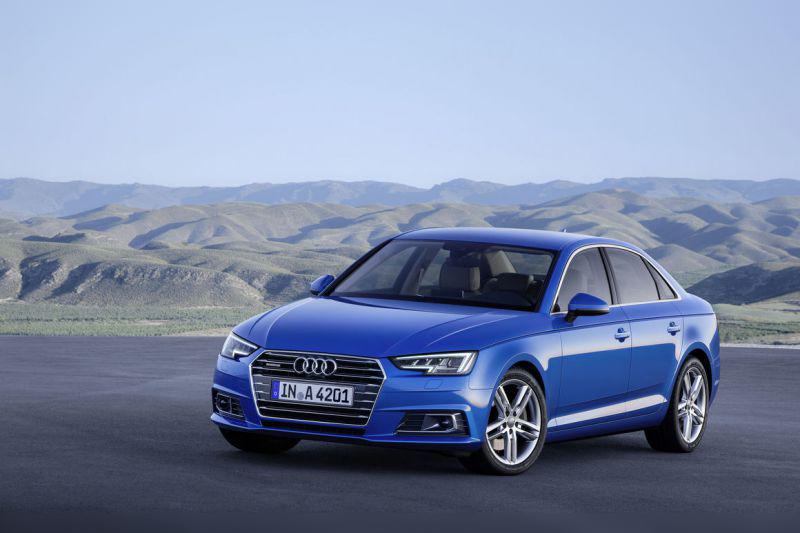
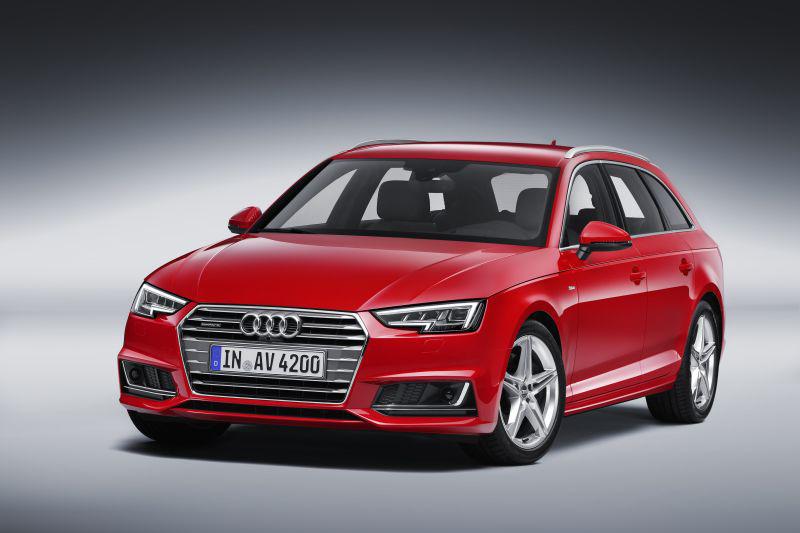
The DETA engine is the well-known 2.0 TDI from the newer EA288 generation of the Volkswagen Group. It is specifically tuned to deliver an impressive 190 hp and torque of as much as 400 Nm. This unit is primarily designed for longitudinal installation, which is why it became the backbone of the Audi A4 (B9 generation), including sedan, Avant (wagon) and rugged Allroad versions. Its main advantage over older generations lies in significantly quieter operation, smoother power delivery and better thermal efficiency. If you are looking for a car that easily handles high cruising speeds without emptying your wallet at the fuel station, the DETA engine should be high on your priority list.
Technical specifications
| Feature | Data |
|---|---|
| Displacement | 1968 cc |
| Power | 140 kW (190 hp) |
| Torque | 400 Nm |
| Engine code | DETA |
| Injection type | Common Rail |
| Intake type | Turbocharger with variable geometry, intercooler |
| Fuel type | Diesel (Euro 6 standard) |
Reliability and maintenance
Belt or chain?
Unlike the older problematic V6 engines, this 2.0 TDI uses a timing belt to drive the camshafts. In practice, the belt has proven to be extremely reliable and rarely fails before the scheduled replacement interval, provided quality parts are used.
Most common failures
The basic engine block itself (crankshaft, pistons, rings) is extremely durable. However, the peripheral components can cause issues. The most well-known weak point of this engine is the active water pump (with a sliding ring). Its role is to warm up the engine faster by blocking coolant flow while the engine is cold. Due to dirt build-up or material defects, the ring can get stuck, which leads to coolant leaks or, in the worst case, engine overheating. The driver will notice this as a drop in coolant level in the expansion tank or the red temperature warning light coming on.
Another common problem is the glow plugs with an integrated cylinder pressure sensor. When such a glow plug fails, the diagnostics will show an error, and the repair is quite expensive compared to regular glow plugs (depends on the market).
Service intervals and oil
The factory interval for the major service is an optimistic 210,000 km, but any experienced mechanic will tell you to do it at around 150,000 to 180,000 km (or every 5 to 7 years). Because of the aforementioned water pump, it is not wise to wait for the factory limit.
The engine takes about 4.7 to 5.0 liters of oil. You must use synthetic oil of grade 0W-30 or 5W-30 that meets the VW 507.00 specification (this is crucial because of the DPF filter). As for oil consumption, these engines are very well sealed. Normal consumption ranges from 0.3 to a maximum of 0.5 liters per 10,000 km. If the engine consumes significantly more, the problem is usually not in the engine block itself, but in the valve stem seals, the PCV valve (oil separator) or the turbocharger shaft.
Injectors
The engine uses a sophisticated Bosch Common Rail injection system. The injectors are piezoelectric and generally prove to be very reliable. Their service life often exceeds 250,000 to 300,000 km, provided you use quality fuel and regularly replace the fuel filter. Symptoms of worn injectors include rough idling (the engine "knocks" when cold), harder starting and the presence of thick smoke (if the DPF is no longer able to filter it).
Specific parts and costs
Dual-mass flywheel
Yes, this engine has a dual-mass flywheel, regardless of whether it is paired with a manual or automatic gearbox. Since the engine delivers a massive 400 Nm already at low revs, the flywheel is subjected to heavy shocks. Its typical lifespan is around 150,000 to 200,000 km. Replacement is expensive (depends on the market).
Turbocharger and intake
The DETA engine has a single turbocharger with variable geometry (VGT). It is very durable, but its longevity directly depends on oil quality and driving style (you should let the turbo cool down for a couple of minutes at idle after hard highway driving). The intercooler system is integrated into the intake manifold (water-cooled), which reduces turbo lag and allows faster throttle response, but in case of failure (coolant leaking into the intake), repairs are very expensive.
DPF, EGR and AdBlue systems
This is where the biggest cost battles are fought on modern diesels:
- DPF filter: From the factory it is positioned very close to the engine so it can quickly reach operating temperature (around 600 °C for regeneration). It does not clog often if the car is driven on open roads, but exclusively city driving can "choke" it already below 150,000 km.
- EGR valve: The system has low- and high-pressure pipes. The EGR cooler can gradually accumulate soot deposits, which leads to engine hesitation at low revs or loss of coolant.
- AdBlue (SCR system): Yes, this model has AdBlue and it is probably the most sensitive point of the vehicle. The in-tank pump, the fluid heater (which prevents freezing in winter) or the NOx sensors on the exhaust often fail. Repairs are very expensive (depends on the market). A typical symptom is a warning on the instrument cluster that the car will not be able to start after a certain number of kilometers (usually 1000 km) if the problem is not resolved.
Fuel consumption and performance
City and highway driving
For a car weighing over 1.5 tons (especially Allroad and quattro versions), fuel consumption in city stop-and-go conditions ranges between 7.0 and 8.5 l/100km. On the motorway the situation becomes impressive. At 130 km/h in top gear, the engine cruises at a relaxed 1800–2000 rpm. In that case, fuel consumption drops to an excellent 5.5 to 6.5 l/100km.
On-road behavior
If you are wondering whether this engine is "lazy" for the Audi A4 body – the answer is absolutely not. The 400 Nm of torque (available very early) provides strong in-gear acceleration. Overtaking on country roads is safe and quick, without the need to rev the engine high.
Additional options and modifications
Chip tuning (Stage 1)
This unit is an excellent platform for software power increase (Stage 1). Since the components are thermally and mechanically very robust, power can safely be raised via remapping from 190 hp to about 220 to 235 hp, while torque increases to an impressive 460 to 480 Nm. The driver will notice a much sharper throttle response and more relaxed operation at higher speeds. An important note: If the car has an automatic transmission, it is often necessary to adapt the gearbox software as well, so it can safely handle the higher torque without clutch slip.
Gearbox and drivetrain
Types of gearboxes and common failures
With the DETA engine, either a 6-speed manual gearbox or the much more popular 7-speed S tronic (DSG) automatic with dual clutch (code DL382, designed for longitudinal engines) was installed.
- Manual gearbox: The gearbox itself is mechanically almost indestructible, but drivers often damage the clutch and dual-mass flywheel through poor use at traffic lights or when starting uphill with full throttle. A complete clutch and flywheel kit is a fairly expensive cost (depends on the market).
- S tronic (DL382): This gearbox shifts extremely quickly and smoothly, which reduces fuel consumption and improves performance. The most common failures relate to the mechatronics unit (electro-hydraulic control unit) and the clutch packs. Symptoms of failure include jerking when starting off (especially in reverse or uphill), harsh downshifts from second to first gear, and metallic knocks when suddenly applying throttle. Repairing the mechatronics or replacing the clutch packs is very expensive (depends on the market).
Automatic transmission maintenance
For the S tronic to last over 250,000 km, there is only one rule: regular oil and filter changes in the gearbox every 60,000 km. This is a strict rule you must not skimp on. Old oil loses viscosity, which leads to clutch wear and destruction of valves in the mechatronics by fine metal particles.
Buying used and conclusion
What to check before buying?
- Cold start: Start the engine when it is completely cold. Listen for rattling from the bell housing area – this is the first sign of a worn dual-mass flywheel.
- Water pump: Visually inspect the engine bay around the timing belt. Traces of whitish-pink dust or fluid indicate a leaking water pump.
- Diagnostics (OBD2): Do not buy the car without this. Live data must be checked: DPF filter saturation level (ash mass), injector corrections (indicating injector condition), as well as the history of pressures in the gearbox mechatronics.
- AdBlue system: Check the AdBlue range in the car menu and via diagnostics. If the error "No restart in 1000km" has been logged, there is a high chance you are facing high costs for the pump and sensors.
Who is this engine for?
An Audi with the 2.0 TDI DETA engine is a top-class highway cruiser. It is intended for drivers who travel a lot, cruise on motorways and cover more than 20,000 km per year. Under such conditions, the engine will not suffer frequent failures, the DPF will regenerate itself smoothly, and fuel consumption will be ridiculously low compared to the performance it offers. On the other hand, if you need a car for short commutes to work, taking kids to kindergarten in city traffic jams (stop-and-go), you should avoid this engine. The complex emission systems (EGR, DPF, AdBlue) will quickly clog up, and maintenance costs will kill any driving pleasure.