Engine 2.0 TDI DEUA (150 HP): Experiences, issues, fuel consumption and used car buying tips
- Excellent balance of power and fuel economy: With 110 kW (150 HP) and 320 Nm, this engine is the golden middle ground for most drivers, especially in models like the Audi A4.
- Timing belt drive: Unlike older generations, here the drive is handled by a timing belt, which is reliable but requires regular major servicing.
- AdBlue system as a weak point: One of the most common headaches for owners relates to the sensors, injector and pump of the SCR (AdBlue) system.
- S-Tronic gearbox requires attention: The seven-speed dual-clutch automatic is quick and comfortable, but strictly requires an oil change every 60,000 km.
- Dual-mass flywheel present: Whether you choose a manual or automatic gearbox, be prepared for the cost of replacing the dual-mass flywheel once the car reaches higher mileage.
- DPF and city driving don’t mix: Like any modern diesel, the DEUA engine needs regular drives on open roads to regenerate the particulate filter.
Contents
- Introduction: Get to know the 2.0 TDI DEUA engine
- Technical specifications
- Reliability and maintenance
- Specific components and potential costs
- Fuel consumption and performance
- Additional options and modifications (Chiptuning)
- Gearbox: Manual vs S-Tronic
- Buying used and conclusion
Introduction: Get to know the 2.0 TDI DEUA engine
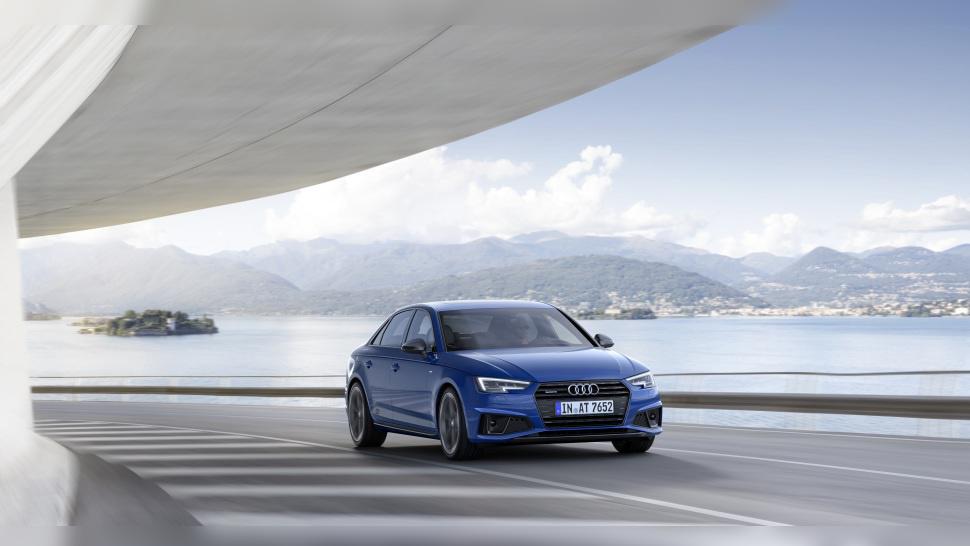
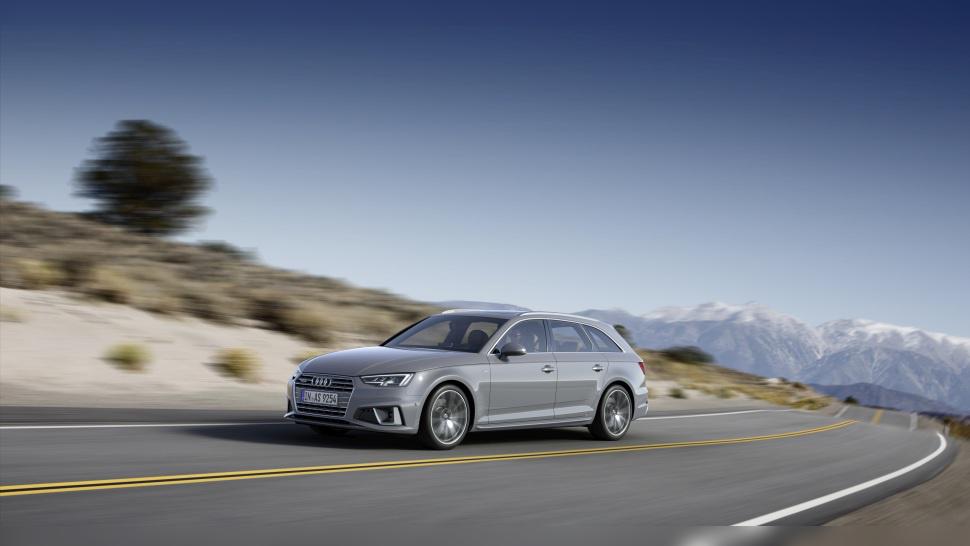
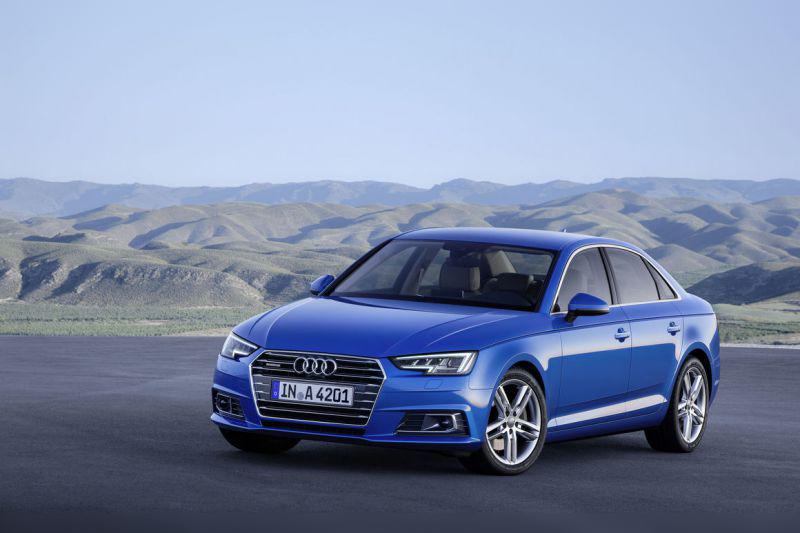
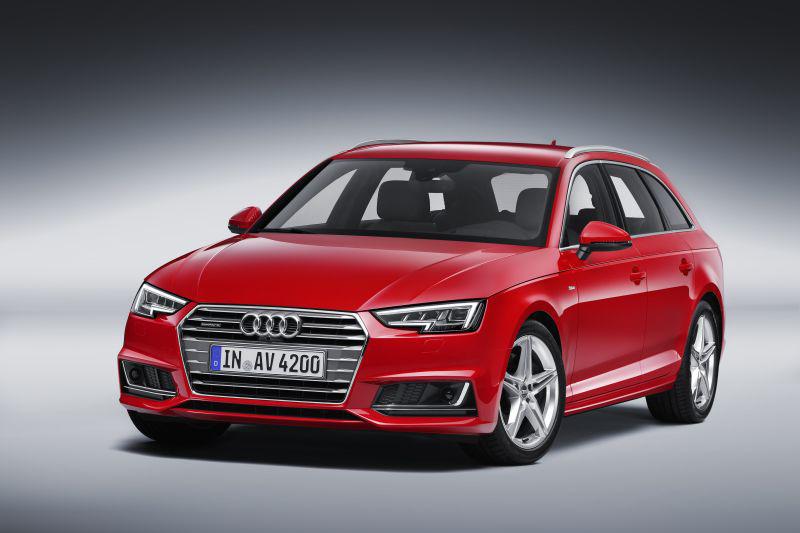
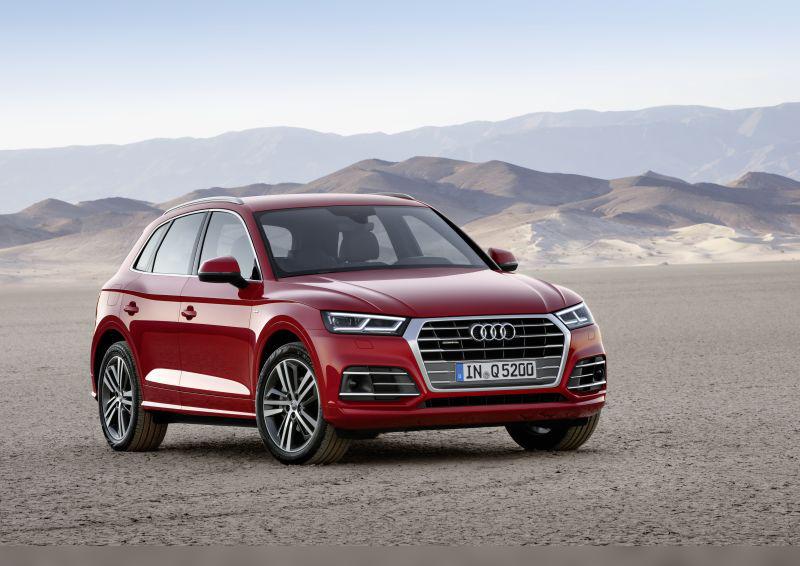
When talking about modern diesel engines, the 2.0 TDI with the code DEUA is one of the most common solutions within the Volkswagen Group range, and it is particularly tailored to Audi vehicles with longitudinally mounted engines. It was installed in the extremely popular Audi A4 (B9 generation, both pre- and post-facelift in 2018), its Avant and Allroad versions, as well as in the larger SUV model Audi Q5 II (FY). The reason for its widespread use is simple: it offers refined operation, extremely low fuel consumption on the open road and enough torque for comfortable journeys, while at the same time meeting strict Euro emission standards.
Technical specifications
| Parameter | Data |
|---|---|
| Displacement | 1968 cc |
| Power | 110 kW (150 HP) |
| Torque | 320 Nm |
| Engine code | DEUA |
| Injection type | Common Rail Direct Injection |
| Charging type | Turbocharger (VGT), Intercooler |
| Fuel type | Diesel |
Reliability and maintenance
Timing belt and major service
Unlike some problematic engines from the past, the DEUA engine uses a timing belt, not a chain. This system has proven to be very reliable if service intervals are respected. The manufacturer often specifies very high mileage for the major service (sometimes up to 210,000 km), but practice and mechanics’ experience suggest that the major service should be done at around 150,000 km or every 5 to 6 years. At that time, the timing belt kit, tensioners, idler pulleys and water pump must be replaced. The water pump is known as one of the few mechanical weak points – it often has an electronic flap that can get stuck, or the pump starts leaking before the scheduled interval, which leads to coolant loss or overheating.
Oil: Capacity, grade and consumption
For the regular (minor) service, this engine takes between 4.7 and 5.0 liters of engine oil. It is mandatory to use synthetic oil that meets the VW 507.00 specification (most commonly grades 0W-30 or 5W-30). Oil consumption between services is not alarming as with earlier TFSI petrol engines, but the DEUA engine can consume up to 0.5 liters per 10,000 km, which is considered completely normal, especially if you drive more aggressively on the motorway. It is recommended to perform the minor service at a maximum of every 15,000 km or once a year, in order to extend the life of the turbocharger and crankshaft bearings.
Injection system and injectors
As a modern diesel, it uses a sophisticated Common Rail system with high injection pressure. The injectors are extremely durable and, with the use of quality Euro diesel, can last over 250,000 to 300,000 km before showing signs of wear. Symptoms of worn injectors include rough idle, increased smoke on cold start in the morning, and knocking (the so‑called “hammering”) of the engine under load.
Specific components and potential costs
Turbocharger
This power unit is equipped with a single turbocharger with variable geometry (VGT). Its lifespan directly depends on driving style and regularity of minor services. It generally runs for over 200,000 km without issues. To extend its life, it is crucial not to switch off the engine immediately after long and hard motorway driving, but to let it idle for a minute or two so that the turbo can cool down and the oil does not burn onto the bearings.
DPF, EGR and AdBlue system
This is the section that worries potential buyers the most. Yes, the engine is equipped with a DPF filter, EGR valve, as well as an SCR catalyst (AdBlue system) in order to meet strict Euro standards.
The EGR valve tends to get dirty and stick if the car is mostly driven in the city at low revs. Symptoms include jerking while driving and the “Check Engine” light coming on. It’s similar with the DPF filter – exclusively city driving without a chance for regeneration will eventually lead to permanent clogging.
The AdBlue system is the most common weak point of this model. Level sensors in the tank, AdBlue fluid heaters or the pump often fail, as well as NOx sensors on the exhaust. Repairing this system ranges from expensive to very expensive (depending on the market), and this is something you absolutely must check before buying.
Fuel consumption and performance
Thanks to efficient Common Rail injection, real-world fuel consumption in city driving is around 6.5 to 7.5 l/100 km for the Audi A4, while in the larger and less aerodynamic Audi Q5 this average rises to 7.5 to 8.5 l/100 km.
Is the engine “lazy”? In the Audi A4, 150 HP and 320 Nm provide very decent, even agile performance for everyday use and overtaking. However, in the Audi Q5 (which is heavier and has quattro all-wheel drive), this engine is at “the lower limit” of what you would consider comfortable. It is not slow, but it will require more throttle when overtaking uphill compared to the more powerful 190 HP 2.0 TDI versions.
This engine really shines on the motorway. Thanks to long gear ratios, especially in combination with the 7-speed S-Tronic gearbox, at a cruising speed of 130 km/h the engine runs at a very low and relaxed 2,000 to 2,200 rpm. The cabin is very quiet, and fuel consumption drops to a fantastic 5.0 to 5.8 l/100 km.
Additional options and modifications (Chiptuning)
Since the DEUA is structurally very similar to more powerful versions (such as the 190 HP ones, although there are differences in the turbo and injectors), it is an excellent base for chiptuning. A safe Stage 1 remap increases the power of this engine from 150 HP to about 185 to 190 HP, while torque jumps from 320 Nm to nearly 400 Nm. If the modification is done by professionals, the engine hardware is capable of handling this without compromising longevity. However, you must be careful with the gearbox and dual-mass flywheel, which will be under greater stress due to the higher torque. Aggressive acceleration from a standstill and from very low revs is not recommended.
Gearbox: Manual vs S-Tronic
This engine was most commonly paired with a 6-speed manual gearbox or with a modern 7-speed dual-clutch automatic gearbox (S-Tronic).
Dual-mass flywheel and clutch
Important fact: Both gearbox types use a dual-mass flywheel. Its lifespan is usually around 180,000 to 250,000 km, depending on driving style. With the manual gearbox, symptoms of wear include knocking and vibrations on the clutch pedal, especially mid‑travel, as well as a metallic rattle when switching off the engine. The cost of replacing the clutch kit with the dual-mass flywheel on a manual gearbox is expensive (depending on the market).
With the S-Tronic gearbox, the dual-mass flywheel also fails, and its replacement is very expensive (depending on the market).
Maintaining the S-Tronic gearbox
The S-Tronic is fantastically quick and comfortable, but does not tolerate neglect. The oil and filter in this gearbox MUST BY RULE be changed every 60,000 km. If the previous owner has not done this, avoid that particular car. The most common S-Tronic failures include malfunction of the “mechatronics” unit (the electro-hydraulic unit that controls the gears) and wear of the dual-clutch pack itself (symptoms: jerking when setting off, unpleasant jolts when shifting from 2nd to 1st gear as you come to a stop at traffic lights).
Buying used and conclusion
Before you hand over your money for a used Audi with the 2.0 TDI DEUA engine, here is what you absolutely must pay attention to:
- Cold start: Start the car when it is completely cold. Listen for any metallic rattle from the gearbox area (dual-mass flywheel) and check whether the engine runs smoothly without bluish smoke from the exhaust.
- Diagnostics (VCDS/OBD): Plugging into diagnostics is mandatory. Check DPF saturation (values in grams or percent) and be sure to read whether there are any stored faults related to the SCR (AdBlue) system.
- Coolant check: Check the coolant level; if it is low, this is a clear indicator that the water pump is leaking.
- S-Tronic service history: Ask for documentation showing that the gearbox has been serviced on time every 60,000 km.
Conclusion: Who is this engine for?
The 2.0 TDI DEUA (150 HP) engine is an ideal choice for families, business travelers and anyone who covers more than 15,000 km per year, mainly on open roads. If you plan to use the car exclusively for short city commutes to work and back, be aware that the DPF, EGR and AdBlue systems will sooner or later force you to visit a mechanic. In good condition and with verified mileage, this is one of the most rational and economical powertrains on the used car market.