2.0 TDI (DEZE) 163 HP Engine – Experiences, Issues, Fuel Consumption and Used Car Buying Tips
- Most important in short (TL;DR):
- Belongs to the newer EA288 evo generation of diesel engines, extremely refined and quiet in operation.
- Often paired with a 12V Mild Hybrid (MHEV) system that reduces fuel consumption and improves the operation of the start-stop system.
- Uses a timing belt, not a chain, which makes regular maintenance cheaper.
- Emission systems (DPF, EGR, AdBlue) are highly complex and sensitive to predominantly city-only driving.
- The automatic S tronic gearbox requires strictly regular oil changes every 60,000 km.
- Fuel consumption is surprisingly low, and the 380 Nm of torque makes it very agile despite the vehicle’s weight.
- Has excellent and safe potential for software tuning (Stage 1).
Contents
- Introduction: About the engine and its application
- Technical specifications
- Reliability and maintenance
- Specific components and emissions systems
- Fuel consumption and performance
- Additional options and modifications
- Gearbox and drivetrain
- Buying used and conclusion
Introduction: About the engine and its application
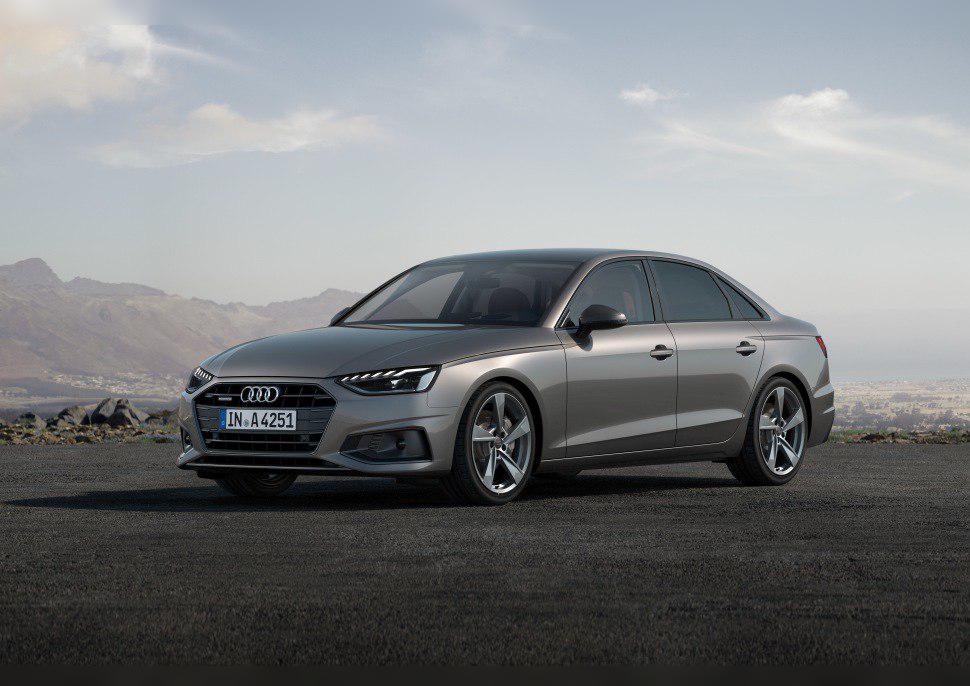
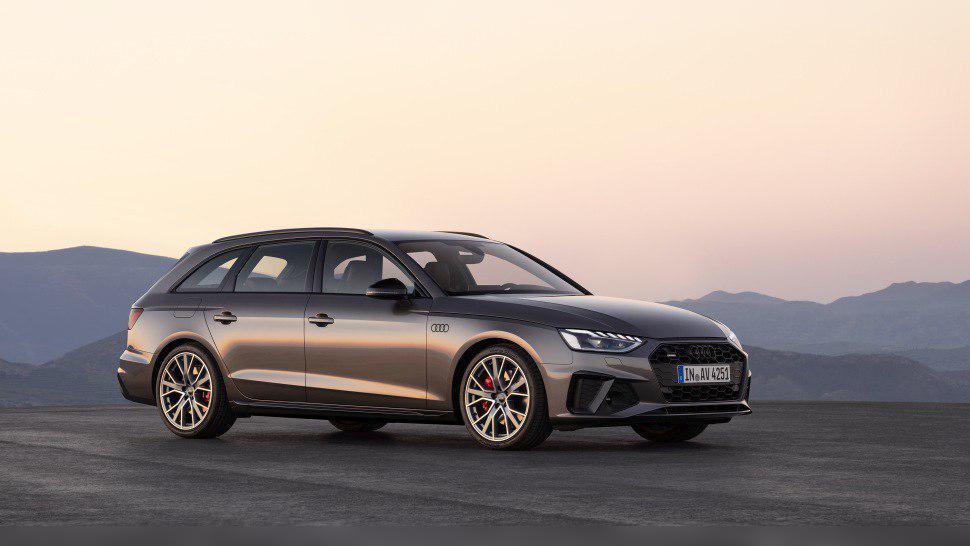
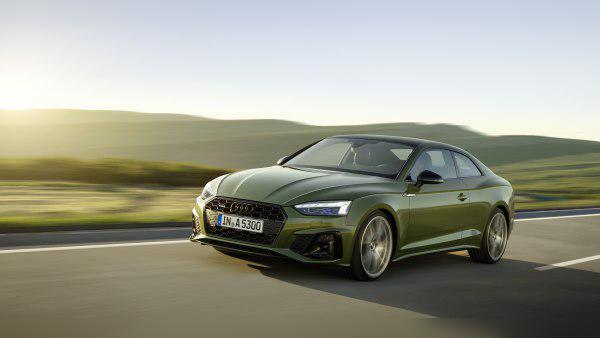
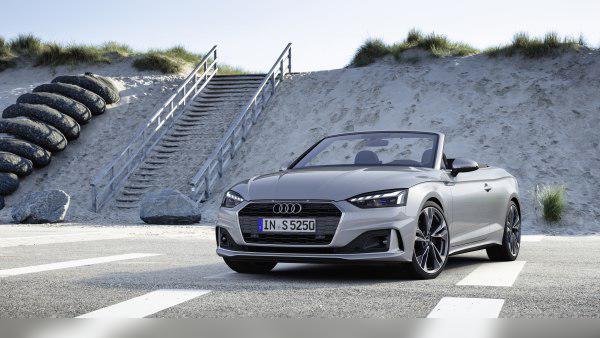
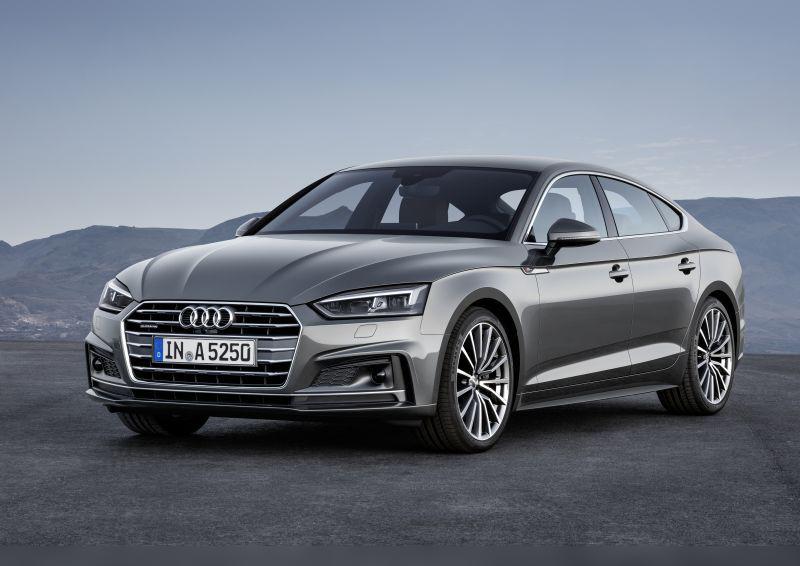
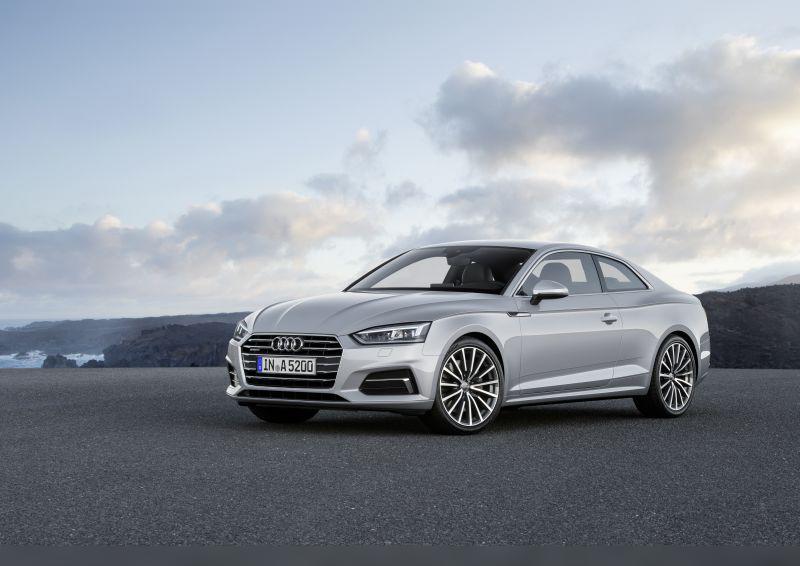
The engine code DEZE denotes a modern evolution of the well-known 2.0 TDI engine (from the EA288 evo family). It was introduced mainly with the “facelift” of the Audi A4 (B9) and Audi A5 (F5) models around 2019. It carries the commercial badge 35 TDI. A key innovation with this engine is the integration of a 12‑volt Mild Hybrid (MHEV) system. This system uses a belt-driven alternator-starter to recuperate energy during braking and to enable coasting with the engine switched off, directly reducing fuel consumption. Although 163 HP (120 kW) sounds like a “golden middle ground”, this engine actually targets drivers who want maximum efficiency without sacrificing comfort and with enough power in reserve for safe overtaking.
Technical specifications
| Engine displacement | 1968 cc |
| Power | 120 kW (163 HP) |
| Torque | 380 Nm |
| Engine code | DEZE |
| Injection type | Common Rail (Direct) |
| Charging | Turbocharger (VGT) + Intercooler |
Reliability and maintenance
Timing system: Belt or chain?
Unlike older generations or larger V6 diesels, the 2.0 TDI DEZE uses a timing belt to drive the camshafts. This is good news because the engine runs more quietly and replacement is predictable. The factory often specifies a major service interval of up to 210,000 km, but experienced mechanics generally recommend doing the major service at around 150,000 km or every 6 to 7 years. The reason is aging of the belt material, as well as the water pump, which may start leaking coolant earlier.
Oil and regular servicing
This engine takes about 4.7 to 5.0 liters of engine oil. Given the strict Euro standards and narrow oil passages, only the latest-generation fully synthetic oil is recommended, most commonly in grades 0W-20 or 0W-30 (mandatory VW 509.00 / 507.00 approval depending on the exact manufacturer specification, which should be checked by VIN). Thinner oils reduce friction and harmful emissions.
As for oil consumption, these engines are quite well sealed. It is normal for them to consume from 0.5 to 1 liter of oil between two services (over 15,000 km). If the engine consumes significantly more, this may indicate a problem with the turbocharger or oil control rings due to overly long service intervals (avoid the factory “LongLife” interval of 30,000 km).
Injectors and Common Rail system
As a modern diesel, this engine uses a high-pressure Common Rail system. The injectors have proven to be extremely durable. With quality Euro diesel and regular fuel filter changes (every 30,000 km), the injectors can easily last for over 250,000 km. When they wear out, symptoms include rough idle, harder cold starts in the morning, a metallic “rattling” sound under acceleration, and black or grey smoke from the exhaust.
Specific components and emissions systems
Dual mass flywheel
Yes, this model is always equipped with a dual mass flywheel (DMF). Its purpose is to absorb the strong vibrations produced by the 380 Nm of torque and thus protect the gearbox and crankshaft. Its typical lifespan is between 150,000 and 200,000 km. Replacement is expensive (depends on market). Symptoms of wear include knocks and jerks when starting/stopping the engine, as well as metallic rattling noises from the gearbox area at idle.
Turbocharger
The engine has a single turbocharger with variable geometry (VGT). It is very robust, but its lifespan depends entirely on regular oil changes and driving style. The driver may notice issues through loss of power (“safe mode”) or a whistling noise from the turbo. After hard driving on the motorway, it is recommended to let the engine idle for about 30 seconds so the turbo can cool down before switching off.
Emission systems: DPF, EGR and AdBlue
This is the sorest point of any modern diesel designed for Western European markets with strict emission standards:
- DPF (Diesel Particulate Filter) and EGR valve: This model has a very complex exhaust aftertreatment system. If the car is driven mostly in stop‑and‑go city traffic, the DPF will not be able to perform passive regeneration. The EGR valve will clog with soot, leading to loss of power and an illuminated “Check Engine” light. Cleaning the EGR and flushing the DPF become inevitable if the car never “sees” open roads.
- AdBlue (SCR system): Yes, this engine uses an AdBlue system. While it effectively reduces NOx emissions, in practice it often causes serious problems. AdBlue fluid tends to crystallize at low temperatures or if it sits in the tank for a long time. This leads to failure of the tank heater, pump, or the AdBlue injector itself. Repairing these modules is very expensive (depends on market) and is one of the most common reasons for workshop visits.
Fuel consumption and performance
Thanks to the MHEV system and improved aerodynamics of the A4 and A5 models, real-world city fuel consumption ranges between 6.5 and 8.0 l/100 km, which is an excellent result for vehicles weighing over 1500 kg. The MHEV system allows the engine to switch off even before a complete stop at traffic lights, saving fuel.
The question whether the engine feels “sluggish” is common. Although 163 HP doesn’t sound sporty, the crucial figure is the 380 Nm of torque available from low revs. The engine moves the body with ease. It’s not a racer, but acceleration and in‑gear pull are smooth and strong.
On the motorway this engine truly shines. Sound insulation is fantastic, and at 130 km/h in seventh gear with the automatic gearbox, the engine cruises at a very low around 1900–2000 rpm. At these speeds, fuel consumption on the open road rarely exceeds 5.5 l/100 km.
Additional options and modifications
The 163 HP version of the EA288 evo engine is mechanically very similar to the more powerful variants (190 or 204 HP). The engine block, crankshaft and pistons are very robust. Because of this, the engine responds very well to software tuning (Stage 1).
Without any mechanical modifications, it is safe to increase power to around 190 to 200 HP, with torque rising to 420–440 Nm. If you decide to remap the engine, it is crucial that the tuning shop also optimizes the software for the S tronic gearbox, so that the clutches do not slip under the higher torque. Poorly written maps can also cause the DPF to clog more quickly, so choose reputable specialists.
Gearbox and drivetrain
With this engine and these models, manual gearboxes have become a real rarity on the European market and have been almost completely removed from the offer. The standard and most common option is the 7‑speed S tronic automatic gearbox with dual clutch (code DL382 for longitudinal engines).
S tronic failures and maintenance
This gearbox offers lightning‑fast gear changes but requires rigorous maintenance. The most common failures relate to the mechatronics unit (the electro‑hydraulic unit that controls the gears) and wear of the dual‑clutch pack itself. Symptoms include jerking when moving off from a standstill, a “kick” in the back when shifting from first to second gear, or a delay when shifting from D to R (drive to reverse).
To prevent these costly failures (replacement of the clutch pack and mechatronics is very expensive (depends on market)), it is essential to perform regular gearbox servicing (oil and filter change) every 60,000 km. This rule must not be ignored.
Buying used and conclusion
What to check before buying?
- Cold start: Ask the seller to keep the engine completely cold before you arrive. Listen to it at first start. The sound must be even, without harsh knocking from the dual mass flywheel or whining from the MHEV alternator-starter.
- Condition of the DPF and injectors: You must not buy this car “blind”, without professional diagnostics (e.g. VCDS). A mechanic should read the “ash mass” in the DPF and check injector correction values in real time.
- AdBlue system history: Check the service book to see whether any AdBlue modules have already been replaced. If not, at mileages over 150,000 km be prepared for that expense.
- S tronic test: Drive gently uphill without using the throttle. The car must not jerk. Test shifting from Drive to Reverse several times in a row – the transition must be smooth, without thumps from the rear axle.
Conclusion: Is this the right engine for you?
The Audi A4 and A5 with the 2.0 TDI (DEZE) 163 HP engine are top‑class engineering products intended primarily for open roads and long journeys. This engine offers an incredible balance between decent performance and extremely low motorway fuel consumption.
However, if your workplace is 5 km away and you plan to drive the car 90% of the time in stop‑and‑go city traffic, this is not the car for you. The emission systems (DPF, EGR, AdBlue) will quickly force you into expensive repairs. For drivers who cover higher annual mileages and frequently use country roads and motorways, this is one of the smoothest and most rational choices in the D‑segment.