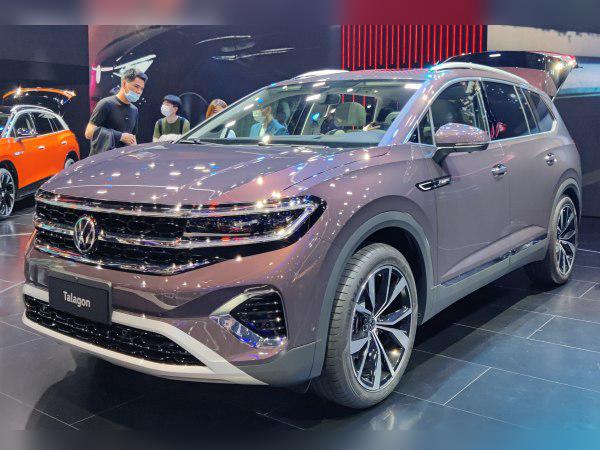
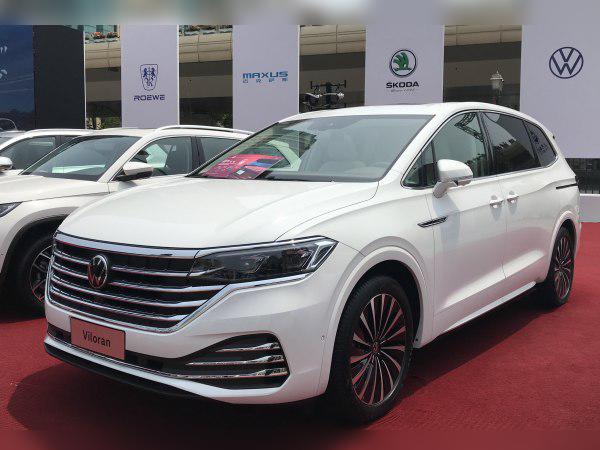
2.0 TSI (DPL) – Experiences, issues, fuel consumption and maintenance: Is 186 hp enough for giants?
Key points (TL;DR)
- Reliability: The engine belongs to the modern EA888 generation (Gen 3B/Gen 4) and has solved most of the oil consumption issues that plagued older TSI engines.
- Power vs. Weight: With 186 hp and 320 Nm, this engine is the lower limit of acceptability for heavy models such as the Talagon and Viloran. Expect it to “break a sweat” during overtakes.
- Critical weak point: Thermostat and water pump module. The plastic housing often cracks and leads to coolant loss.
- Gearbox: DSG only. It requires strict maintenance (oil changes) every 60,000 km or you risk expensive mechatronic failures.
- Fuel consumption: In large bodies, city consumption is high. It is not an economical engine in stop‑and‑go traffic.
- Recommendation: A good choice for calm drivers who value comfort. If you’re in a hurry, look for a more powerful version (380 TSI).
Contents
- Introduction: About the DPL engine and its application
- Technical specifications
- Reliability and maintenance
- Specific parts and costs
- Fuel consumption and performance
- Additional options and modifications
- Gearbox: DSG experiences
- Used‑car tips and conclusion
Introduction: About the DPL engine and its application
The DPL engine is a two‑liter turbocharged petrol unit from Volkswagen’s stable, belonging to the well‑known EA888 family. Specifically, this is a variant with the Miller combustion cycle (often referred to as the B‑cycle), optimized for efficiency rather than outright performance. With 186 horsepower, it represents the “entry‑level” engine for massive models such as the VW Talagon and VW Viloran.
These cars are true giants on the road (often over 5 meters long and weighing around 2 tons), so the role of this engine is specific: it has to move a lot of mass while meeting strict emissions standards and keeping fuel consumption within reasonable limits. Although it is fitted primarily in models for the Asian market (and a few selected others), the technology under the hood is identical to what we see in newer European Passats or Tiguans.
Technical specifications
| Parameter | Data |
|---|---|
| Engine displacement | 1984 cc (2.0 L) |
| Configuration | Inline, 4 cylinders |
| Power | 137 kW / 186 hp |
| Torque | 320 Nm (typically from 1500 to 4000 rpm) |
| Injection type | Direct injection (TSI/FSI) |
| Induction | Turbocharger + intercooler |
| Engine code | DPL (EA888 Gen 3B/4) |
Reliability and maintenance
EA888 engines have come a long way from the notorious early series that burned oil like fuel. The DPL version is a mature, modern product, but it has its specifics that every owner needs to be aware of.
Timing system: Chain or belt?
This engine uses a timing chain to drive the valves. In this generation, the chain has been significantly improved and is no longer a “consumable” item like on the old 1.8 or 1.2 TSI engines. With regular oil changes, the chain should last over 200,000 km. Still, a “cold start” is the best diagnostic tool – if you hear metal‑on‑metal rattling for the first few seconds after starting, the hydraulic tensioner or the chain itself is nearing the end of its life.
Most common failures
Although the engine’s core (pistons, rings, crankshaft) is very robust, the peripherals can cause trouble:
- Thermostat and water pump module: This is the “Achilles’ heel” of modern TSI engines. The housing is plastic and deforms over time from heat, which leads to coolant leaks. Symptoms include disappearing coolant from the reservoir without visible puddles under the car (it evaporates on the block) or engine overheating.
- PCV valve (oil vapor separator): If the membrane tears, the engine may start consuming oil, idle roughly, or produce a whistling sound.
- Carbon buildup: Due to direct injection, the valves are not “washed” by fuel. Over time, carbon deposits build up on the intake valves, which can reduce power and increase fuel consumption.
Service intervals and oil
The manufacturer often specifies “Long Life” intervals of 30,000 km, but that is death for this engine, especially in city driving. Do the minor service every 10,000 to 12,000 km at most, or once a year.
The engine takes approximately 5.7 liters of oil. The recommended grade for DPL engines is often 0W‑20 (VW 508.00 specification) due to fuel economy and tight tolerances. 5W‑30 (VW 504.00) can also be used if the manufacturer allows it for your climate, which provides better protection at high temperatures.
Oil consumption
Does it consume oil? Yes, but within normal limits. Modern TSI engines are designed to use a small amount of oil to lubricate the upper part of the cylinders. Consumption of 0.5 liters per 3,000–5,000 km is considered acceptable, especially if you drive aggressively. If you have to top up a liter every 1,000 km, there is a problem (rings or PCV valve).
Spark plugs
On turbocharged direct‑injection petrol engines, spark plugs are under heavy stress. Although the factory interval is often 60,000 km, in practice it is best to replace them every 40,000 to 50,000 km. Worn spark plugs can overload the ignition coils (which then fail) and cause engine knock.
Specific parts and costs
Maintaining a Talagon or Viloran is not cheap, primarily due to the class of vehicle, and engine parts are in line with the VW Group – readily available, but prices vary.
- Dual‑mass flywheel: Yes, this engine does have a dual‑mass flywheel. It is necessary for the DSG gearbox to operate smoothly and to neutralize the vibrations of the four‑cylinder engine. Its lifespan is usually around 150,000–200,000 km, depending on driving style. Replacement is expensive (varies by market, but expect a serious bill).
- Fuel injection system: It uses high‑pressure injectors. They are generally reliable but sensitive to poor fuel quality. Symptoms of failure include hard starting, black smoke and loss of power. A single injector is costly.
- Turbocharger: The engine has one turbocharger (usually an IHI IS20 or similar, a smaller unit for quicker response). Service life is long with regular oil changes and if you don’t switch the engine off immediately after hard driving on the motorway. Rebuilding is possible and moderately priced.
- DPF / GPF and EGR: Being a petrol engine, it has no DPF, but newer models do have a GPF (Gasoline Particulate Filter) or OPF. It rarely clogs because petrol exhaust gases are hotter. An EGR valve is present, but it causes nowhere near as many issues as on diesels because there is no soot.
- AdBlue: This engine DOES NOT have an AdBlue system; that is reserved for diesel engines.
Fuel consumption and performance
This is where we get to the most important aspect for the Talagon and Viloran. These cars are heavy, boxy and have a large frontal area.
City driving: Be prepared for reality. In heavy traffic, this engine in a heavy body will use between 11 and 14 liters per 100 km. If you have a heavy right foot, the figure goes even higher. A small engine has to work hard to move a large mass from a standstill.
Is the engine “lazy”? For 186 hp, the answer is – it depends on what you expect. For normal family driving, the engine is perfectly adequate. It has enough torque (320 Nm) to get going. However, when overtaking on country roads or motorways with a full load of passengers, you will feel a lack of power. You will have to plan your overtakes in advance. Relative to the vehicle’s weight (over 2 tons), this engine is the “bare minimum”.
Motorway: On the motorway, the situation is better. Once up to speed, the engine maintains it nicely. At 130 km/h, thanks to 7th gear in the DSG gearbox, the engine runs at relatively low revs (around 2,200–2,500 rpm), which contributes to cabin quietness. Fuel consumption on the open road is around 8 to 9 liters per 100 km, depending on wind and terrain.
Additional options and modifications
LPG conversion:
Technically possible, but often not financially worthwhile. Due to direct injection, a special (expensive) system is needed that either injects liquid gas directly through the petrol injectors, or a system that uses a mixture of gas and petrol (to cool the petrol injectors). The savings are smaller than on older engines, and the risk of complications is higher. It is not recommended for this type of engine unless you cover very high mileages.
Chiptuning (Stage 1):
This engine is an excellent candidate for remapping. Why? Because the DPL version is often just a software‑“detuned” version of more powerful engines. With a safe Stage 1 remap, power can easily be raised from 186 hp to 220–240 hp, and torque to over 400 Nm. This drastically changes the character of the vehicle and makes it much more agile, especially in heavy models such as the Talagon. However, keep in mind that higher torque puts additional stress on the gearbox.
Gearbox: DSG experiences
With the DPL engine in these models you get exclusively a 7‑speed DSG automatic gearbox (Direct Shift Gearbox) with a dual clutch. It is most often the DQ381 or DQ500 (for heavier vehicles), both with “wet” clutches (the clutches are bathed in oil).
- Reliability: These are very durable gearboxes, far better than the old “dry” 7‑speed units (DQ200). They can handle high torque.
- Most common failures: The biggest enemy is old oil. If the oil is not changed, the solenoids in the mechatronics (the gearbox’s brain) fail, which leads to jerks when moving off, harsh shifts or loss of gears. Mechatronics repair is very expensive. Also, as mentioned, the dual‑mass flywheel is a wear item in the system.
- Maintenance: Oil and filter changes in the DSG gearbox are mandatory every 60,000 km (or earlier if you drive only in the city). Do not believe in “lifetime oil”.
- Clutch cost: The clutch pack is long‑lasting and usually survives over 200,000 km, but if it wears out, replacement is complex and expensive (the gearbox has to be removed).
Used‑car purchase and conclusion
If you are looking at a Talagon or Viloran with the DPL engine, here is what to check before buying:
- Cold start: Listen to the engine when it is completely cold. Chain rattle lasting longer than 2–3 seconds is a red flag.
- Coolant leaks: Check the coolant level and look for white traces (dried coolant) around the thermostat housing on the front of the engine.
- Gearbox test: The DSG should shift imperceptibly. Put it in “D” and release the brake – the car should start moving gently right away, without jerks or hesitation. Also test hill starts.
Conclusion:
The 2.0 TSI (DPL) is a technologically advanced and fairly reliable engine. Its biggest “issue” in this context is not reliability, but the power‑to‑weight ratio. For the Talagon and Viloran, this is an engine for calm drivers, taxi operators or family people who cruise on the motorway. It offers comfort and quietness, but don’t expect sporty performance. Maintenance requires discipline (engine and gearbox oil), but in return you get a modern powerplant that can cover a lot of kilometers.