Audi 2.0 TDI DTPA 204 HP (EA288 Evo): Real-world experience, issues, fuel consumption and used-car buying tips
Key points in short (TL;DR)
- Engine generation: DTPA belongs to the updated EA288 Evo family with an integrated Mild Hybrid (MHEV) system, which provides smoother start-stop operation and lower fuel consumption.
- Mechanically reliable, environmentally complex: The block, crankshaft and cylinder head are extremely durable, but AdBlue and DPF/EGR systems can cause headaches in pure city driving.
- Timing belt: The engine uses a belt, not a chain. The factory interval is optimistic; earlier replacement is recommended.
- Gearbox: It is mostly paired with the 7-speed S tronic gearbox, which requires strictly regular maintenance (oil every 60,000 km) for the mechatronics to survive.
- Performance: With 204 HP and 400 Nm, this is an ideal balance for heavier cars like the Audi Q5 or A5, without any feeling of “sluggishness”.
- Maintenance costs: Replacing the dual-mass flywheel and solving emissions-related issues are expensive to very expensive (depends on the market).
Contents
- Introduction: About the engine and models
- Technical specifications
- Reliability and maintenance
- Specific components and costs
- Fuel consumption and performance
- Additional options and modifications
- Transmissions and drivetrain
- Buying used and conclusion
Introduction: About the engine and models
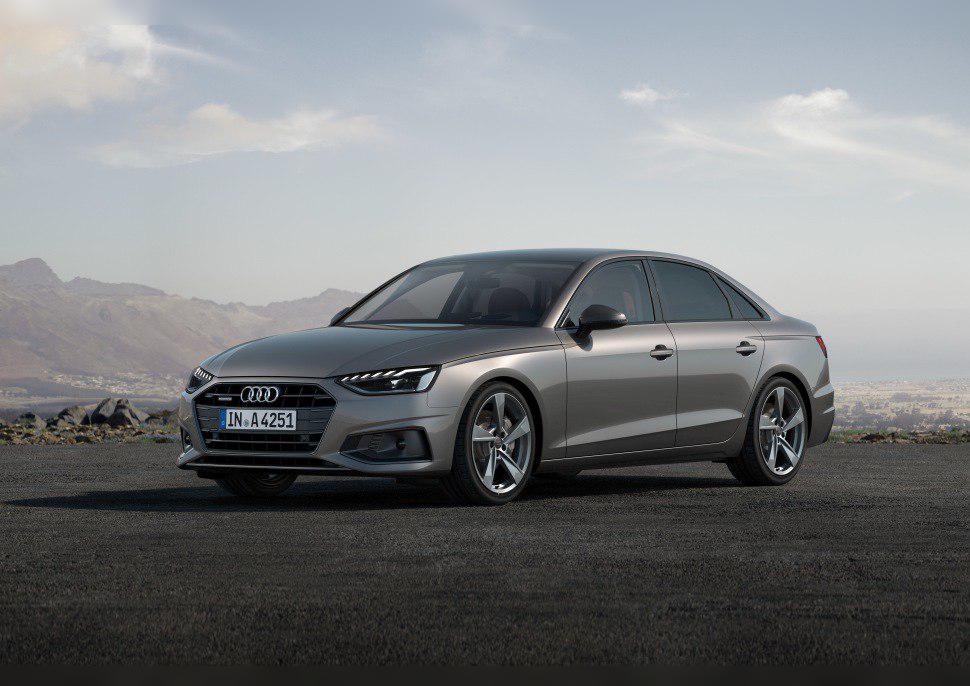
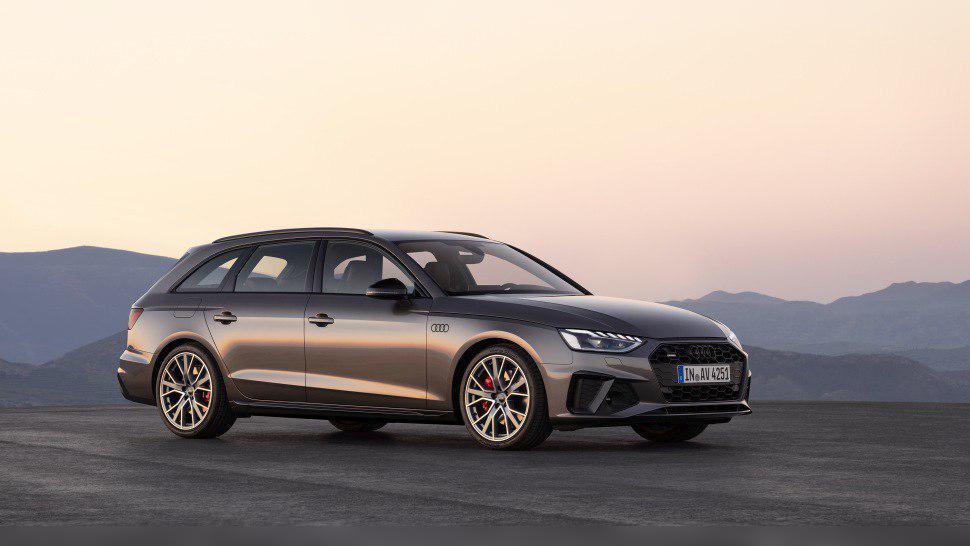
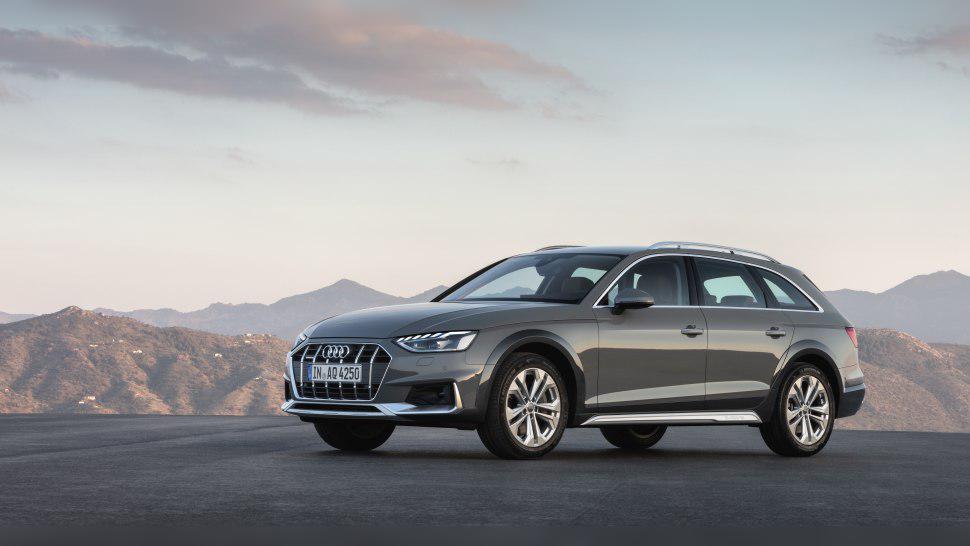
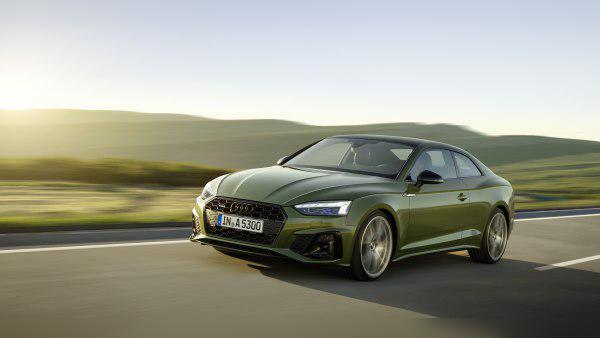
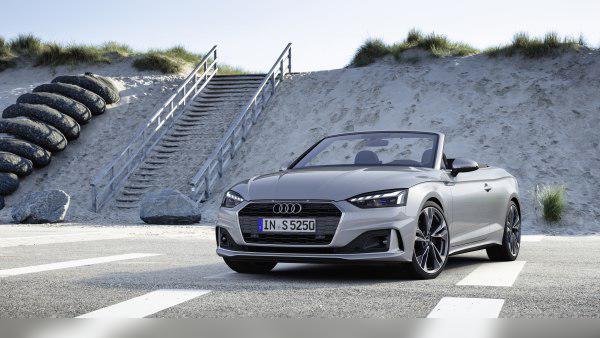
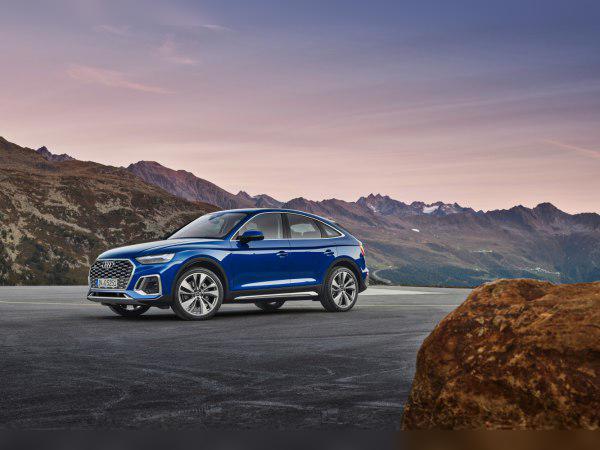
The DTPA code hides one of the most mature diesel engines from the Volkswagen Group in recent years. It is a 2.0 TDI unit from the EA288 Evo generation, delivering a serious 150 kW (204 HP) and 400 Nm of torque. It debuted in facelifted models from 2019 and 2020, and is most commonly found under the bonnet of the Audi A4 (B9), A5 (F5) and Q5 (FY).
What sets this engine apart is the Mild Hybrid (MHEV) technology. It is not a classic hybrid that can drive on electricity alone, but a system with a belt-driven starter-generator and a small lithium-ion battery. This system enables almost imperceptible engine shutdown and restart (Start-Stop) and so-called “coasting” with the engine off on open roads to save fuel.
Technical specifications
| Characteristic | Data |
|---|---|
| Engine code | DTPA (EA288 Evo) |
| Displacement | 1968 cc (2.0 L) |
| Power | 150 kW (204 HP) |
| Torque | 400 Nm (available from ~1750 rpm) |
| Fuel / Injection | Diesel / Common Rail direct injection |
| Aspiration | Variable-geometry turbocharger (VGT) with intercooler |
| Electrification | Mild Hybrid (MHEV) |
Reliability and maintenance
When it comes to basic mechanics, the DTPA is a very durable engine. The block and crankshaft rarely cause issues, but like every modern diesel it is sensitive to owner neglect.
Timing belt or chain and major service
This engine uses a timing belt, not a chain. The timing system is generally reliable, but the major service is crucial. The factory often specifies an optimistic interval of 210,000 km; however, real-world experience and seasoned mechanics suggest doing the major service (replacement of timing belt, tensioner, idler pulleys and water pump) at 120,000 to 150,000 km, or every 5 to 7 years. The reason lies in the water pump, which can start leaking earlier, or in the MHEV belt, which is heavily stressed by constant engine starts and stops.
Oil and oil consumption
The engine takes about 4.7 to 5.0 litres of oil, depending on the exact filter and sump design. Fully synthetic oil of grade 0W-30 or 5W-30 that meets VW 507.00 or 509.00 specification (because of the DPF) is strongly recommended. As for oil consumption, these engines are not known as “oil burners” (unlike some older TFSI engines). Normal consumption between services (every 15,000 km) is around 0.5 to 1 litre. If you notice the car using significantly more, the problem may be in the turbo seals or, less commonly, in the oil control rings due to carbon buildup and overly long oil change intervals.
Injectors
The injection system uses high-pressure Common Rail injectors. Their service life is excellent – with good-quality fuel and regular fuel filter changes, they easily exceed 250,000 km. Symptoms of failing injectors include rough idle, hesitation in the rev range, increased fuel consumption and more smoke (which the DPF will try to hide until it clogs). Reconditioning or replacing injectors is expensive (depends on the market).
Specific components and costs
Dual-mass flywheel
Yes, this engine has a dual-mass flywheel. Since it delivers a strong 400 Nm of torque, the flywheel is under heavy load. Its typical lifespan is between 150,000 and 200,000 km, depending on driving style. Symptoms of wear are metallic rattling when starting/stopping the engine, vibrations at idle and thumps when changing gears. Replacing the kit with the dual-mass flywheel is very expensive (depends on the market).
Turbocharger
The engine has a single variable-geometry turbocharger (VGT) with water cooling (integrated intercooler). The turbo is very reliable. Failures usually occur only after 200,000 km, and the most common cause is infrequent oil changes, which clog the lubrication passages for the turbo shaft. Whistling under load and loss of power (“safe mode”) are the main symptoms.
DPF, EGR and the notorious AdBlue
This is where most of the common failures occur. Due to strict Euro 6d standards, the engine uses a “twin-dosing” system for injecting AdBlue fluid, as well as a complex EGR valve and DPF filter.
- DPF and EGR: If the car is driven mostly in the city, the EGR fills up with soot deposits, which chokes the engine. The DPF filter clogs due to frequent interrupted regenerations. Symptoms: increased oil level (due to diesel mixing with oil after failed regenerations), illuminated “Check Engine” light. Cleaning or replacing these parts is expensive (depends on the market).
- AdBlue: The system is prone to failure. The most common issues are failed NOx sensors, the heater in the AdBlue tank or the pump. When the system reports a fault, the dashboard starts counting down the remaining mileage after which you will not be able to start the engine. Repairing the entire module at an authorised service centre is very expensive (depends on the market).
Fuel consumption and performance
Is it sluggish?
An engine with 204 HP and 400 Nm is anything but sluggish. In the Audi A4 and A5 (Sportback/Coupé) it offers almost sports-car-like acceleration. Even in a heavier and less aerodynamic SUV like the Audi Q5, this engine pulls uphill effortlessly and handles quick overtakes on country roads with ease.
Fuel consumption (city and motorway)
Thanks to the MHEV system and coasting function, fuel consumption is very reasonable:
- City driving: Real-world consumption ranges between 6.5 and 8.5 l/100 km, depending on vehicle weight (the Q5 uses more than the A4) and traffic conditions.
- Motorway: This is where the engine really shines. Thanks to the long gearing of the S tronic gearbox, at 130 km/h the engine cruises at very low revs (around 1,800–2,000 rpm). Consumption then is a modest 5.5 to 6.5 l/100 km. Wind noise in the cabin is minimal and the engine is almost inaudible.
Additional options and modifications
Remapping (Stage 1)
This unit has excellent potential for a safe software power increase. A so-called Stage 1 remap without touching the hardware (stock turbo, injectors and DPF remain) raises power from 204 HP to about 240 to 250 HP, while torque climbs to a brutal 460 to 480 Nm. Acceleration becomes noticeably better, and the MHEV system integrates without issues. However, you should be careful with torque levels due to the limitations of the automatic gearbox.
Transmissions and drivetrain
In the mentioned facelift models from 2019/2020, the DTPA engine is paired exclusively with an automatic gearbox. It is a 7-speed S tronic dual-clutch transmission in an oil bath (usually the wet DSG, code DL382), and the drive can be front-wheel or quattro ultra (where the rear axle engages when needed).
Gearbox maintenance and failures
This S tronic is quick, efficient and very well matched to the diesel engine, but it demands strict discipline:
- Service interval: Regular oil and filter changes in the gearbox are absolutely mandatory every 60,000 km. If the car is driven a lot in the city, mechanics recommend shortening this to 50,000 km.
- Most common failures: If the oil is not changed, tiny metal particles destroy the mechatronics (the valve control unit), which leads to jerks when setting off, thumps when downshifting and oil leaks. Also, the clutch pack wears out – jerking and slipping under hard acceleration indicate that the friction plates are worn. Repairing the mechatronics and replacing the clutch is very expensive (depends on the market).
Buying used and conclusion
What exactly to check before buying?
When looking at a used A4, A5 or Q5 with the DTPA engine, make sure to pay attention to the following:
- Cold start: Open the bonnet and listen to the engine. The sound must be even. Metallic rattling or strong vibrations indicate a worn dual-mass flywheel.
- Test drive (gearbox): Shifting from R to D and back must be smooth. If the car jerks, lunges when stopping or hesitates before moving off, the gearbox mechatronics or clutches are on their last legs.
- Diagnostics (mandatory!) The engine must be connected to VCDS or factory diagnostics. Check the DPF filter saturation parameters (ash mass) and EGR valve operation. Also ask for the fault history of the AdBlue system – sellers sometimes clear the fault codes just before showing the car, but proper diagnostics will still have them stored.
- Inspection from underneath: Check the rear of the gearbox and the suspension. On models with quattro ultra, check whether the system engages the rear axle smoothly when there is wheel slip (if possible, test on a slippery surface).
Conclusion: Who is this engine for?
The Audi 2.0 TDI DTPA with 204 HP is a fantastic choice for people who spend most of their time on open roads and motorways. It is smooth, very economical for its power, and its performance will satisfy 95% of drivers.
However, if you want a car only for short stop‑and‑go city trips, skip it. The combination of DPF, EGR, AdBlue system and MHEV technology will generate high costs if the car does not have the opportunity to reach operating temperature and complete regenerations. For long journeys, this is a masterpiece of diesel engineering; for pure urban traffic jams, it is a potential money pit.