1.9 TDI Engine (EA188 / BLS): Experiences, Problems, Fuel Consumption and Used Car Buying Tips
Key points (TL;DR)
- The BLS code is the "black sheep" of the famous 1.9 TDI family, because it carries specific and expensive risks.
- The biggest weakness of this engine is connecting rod failure and engine block damage due to poor lubrication and the material of the big-end bearings.
- This is the first generation of 1.9 TDI engines that uses a DPF filter as standard, which causes major headaches in city driving.
- Wear of the camshaft and hydraulic lifters is a common issue, directly related to oil dilution caused by frequent DPF regenerations.
- Despite its flaws, fuel consumption is very low, and the mid-range torque provides a pleasant driving feel.
- A dual-mass flywheel is installed, regardless of whether it is paired with a manual or DSG gearbox.
- Buying one requires serious diagnostics and a detailed check of the service history.
Contents
- Introduction: The myth of the indestructible 1.9 TDI engine
- Technical specifications
- Reliability, maintenance and common failures
- Specific components: Turbo, injectors, DPF and flywheel
- Real-world fuel consumption and performance
- Tuning and modifications
- Transmissions: Manual vs DSG
- Buying used and Conclusion
Introduction: The myth of the indestructible 1.9 TDI engine
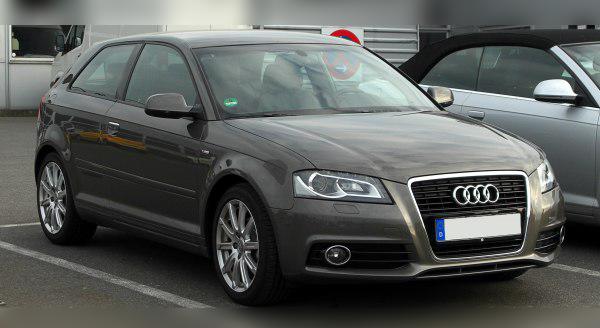
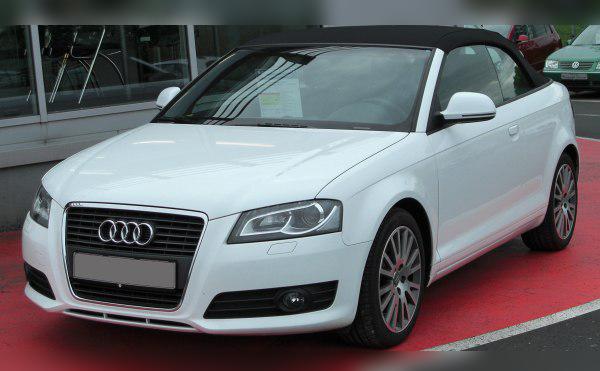
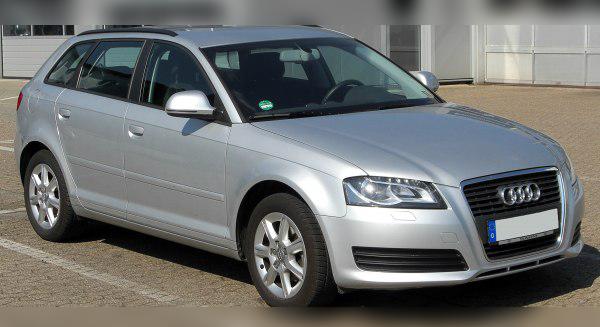
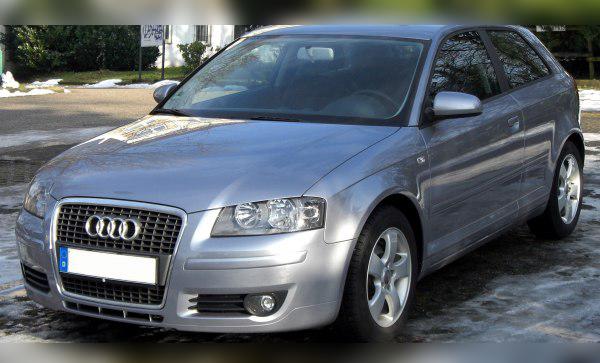
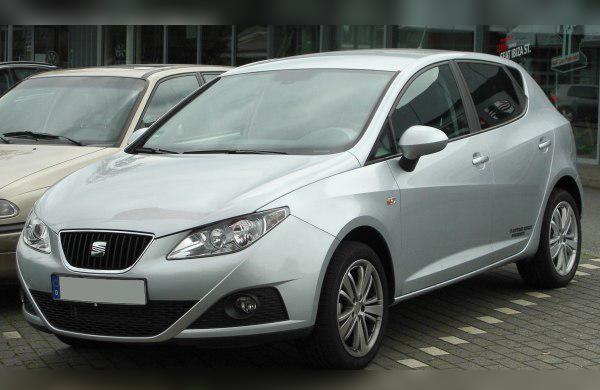
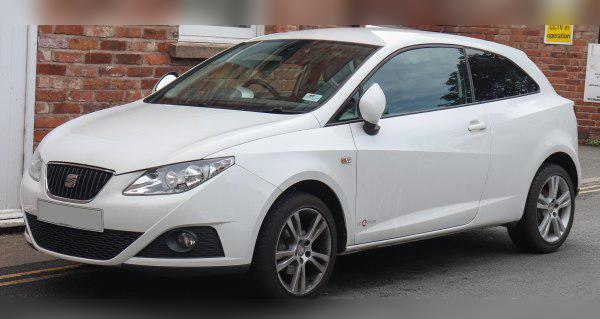
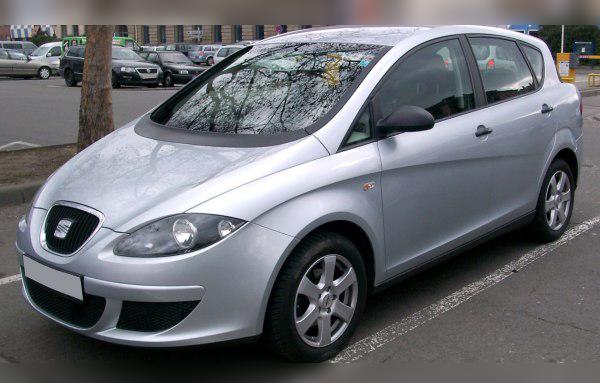
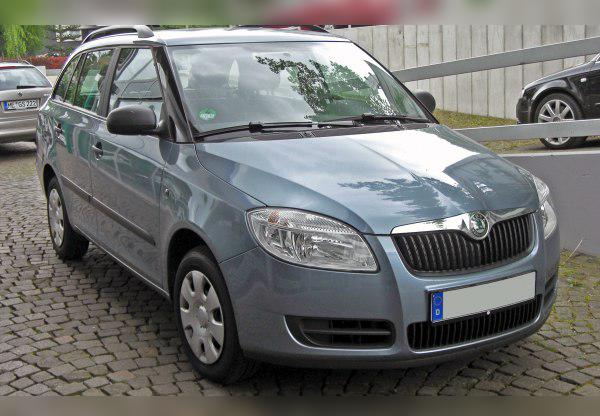
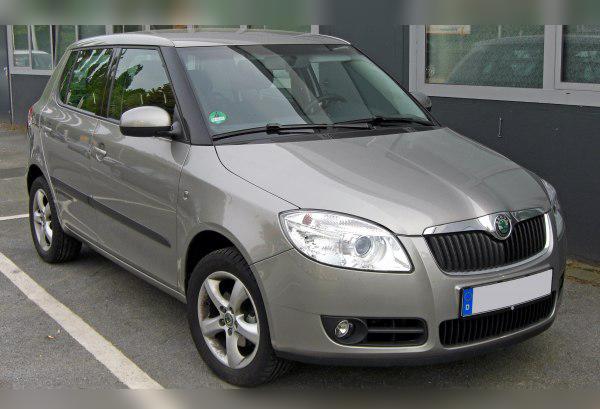
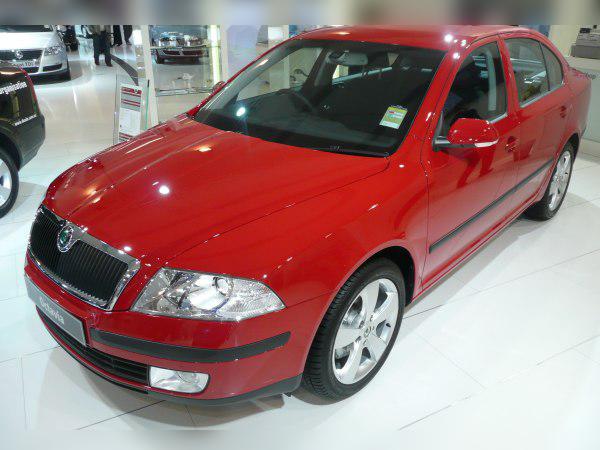
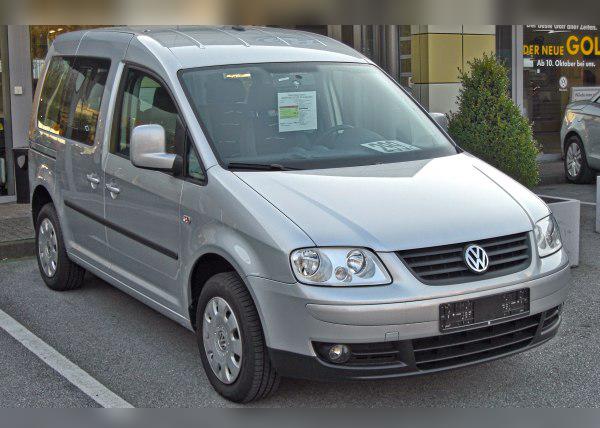
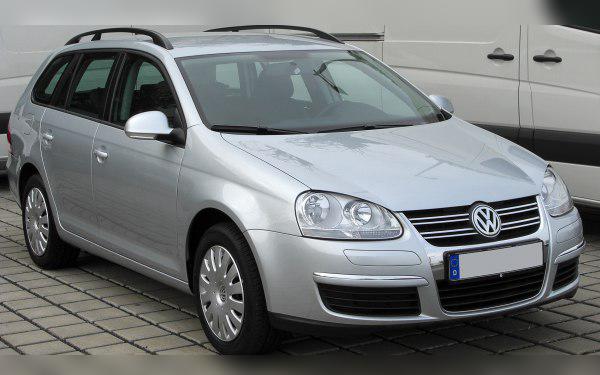
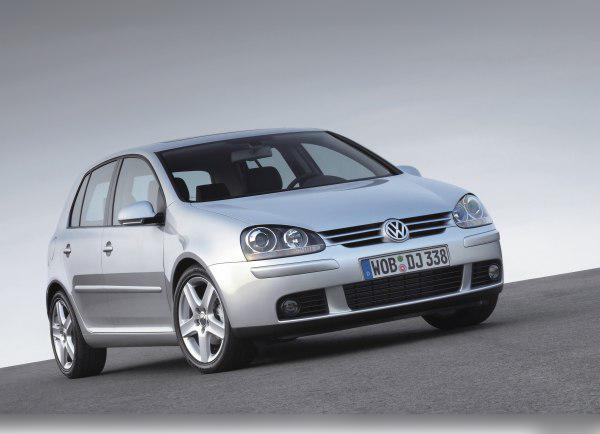
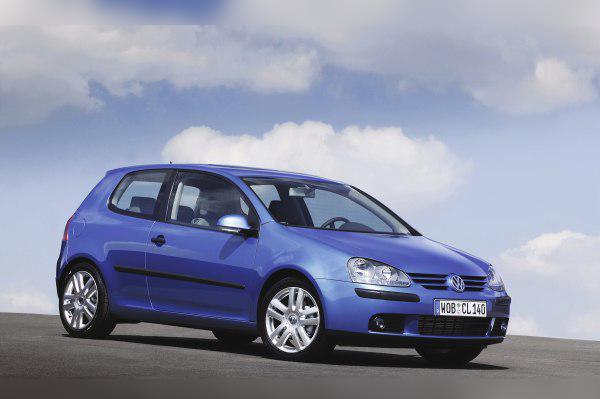
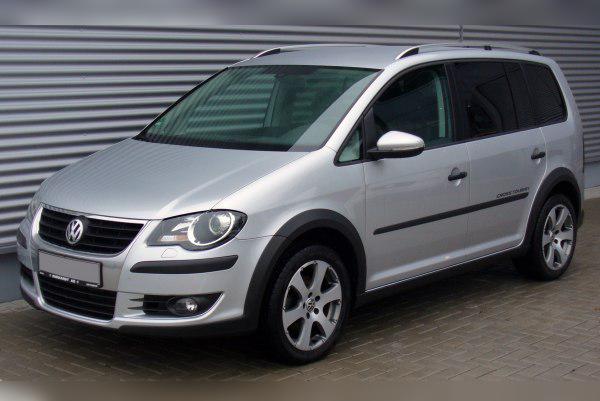
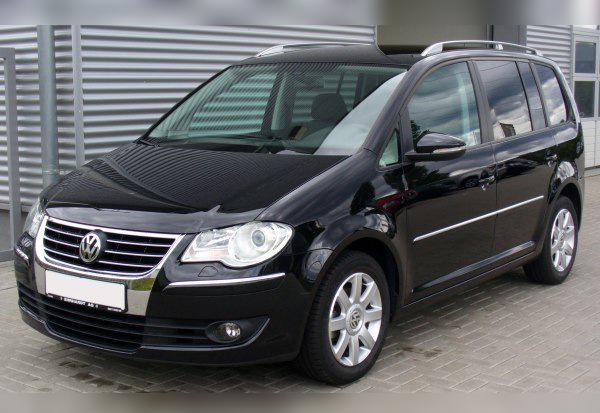
When someone mentions the 1.9 TDI, the first association is a workhorse that easily covers half a million kilometers. However, the switch to stricter Euro 4 standards brought major changes. The engine with the code BLS (from the EA188 generation) was developed to integrate a DPF (diesel particulate filter). It was installed in a wide range of VW Group vehicles, including the Audi A3 (8P), Seat Ibiza and Toledo, Škoda Fabia and Octavia, as well as workhorses like the VW Caddy and family cars such as the Touran and fifth-generation Golf.
Although on paper it offers a solid 77 kW (105 hp), the engineering compromises made for the sake of emissions turned this particular engine code into one of the riskiest used-car purchases on the market.
Technical specifications
| Specification | Data |
|---|---|
| Engine displacement | 1896 cc |
| Power | 77 kW (105 hp) |
| Torque | 250 Nm |
| Engine code | BLS (EA188 family) |
| Injection type | Pumpe-Düse (PD, unit injectors) |
| Aspiration | Turbocharger (VGT) + intercooler |
Reliability, maintenance and common failures
Unlike the older rotary Bosch pumps, this engine uses a Pumpe-Düse (PD) system and has a timing belt. The camshaft and water pump are driven by the belt, and the major service, according to factory specs, is done at around 120,000 km or every 5 years. Skipping this interval leads to inevitable belt failure and total engine destruction.
Biggest issue: Connecting rod failure
The main reason mechanics raise an eyebrow at the BLS engine is the problem with the bottom end. Due to its specific design, extended service intervals (LongLife) and the material of the bolts on the big-end bearings, these bolts stretch over time, creating play and eventually leading to a connecting rod snapping and punching a hole in the engine block. Before the catastrophe, symptoms include dull metallic knocking from the lower part of the engine when you apply throttle. Experienced mechanics proactively replace the big-end bearings and connecting rod bolts immediately after purchase.
Camshaft and oil
The second major failure is wear of the lobes on the camshaft and damage to the hydraulic lifters. The cause lies in poor lubrication. Because of the DPF, the car often injects extra fuel to raise exhaust temperatures. Part of that fuel ends up in the sump, diluting the oil and causing it to lose viscosity. Symptoms include rougher engine operation, more pronounced "ticking" under the valve cover and loss of power.
This engine takes about 4.3 liters of oil. Due to the DPF, you must strictly use oil with the specification VW 507.00 (most commonly 5W-30). As for oil consumption, PD engines are known to burn some oil under load. Consumption of 0.5 to 1 liter between two minor services (every 10,000 to 15,000 km) is considered completely normal and within factory tolerance.
Specific components: Turbo, injectors, DPF and flywheel
The injection system is based on Pumpe-Düse elements. The injectors themselves (most often Bosch) are extremely durable and rarely fail on their own. However, the injector seals are a known issue. Over time they harden and lose their seal, allowing diesel and oil to mix, or air to enter the fuel system, which results in difficult cold starts and smoke from the exhaust.
This model is equipped with a single variable-geometry turbocharger (VGT). Its service life is typically over 200,000 km with proper cooldown after hard driving and regular oil changes. The problem usually doesn’t arise in the turbo bearings, but in the vanes of the variable geometry, which get stuck due to soot build-up. The driver notices this when the car at higher revs goes into limp mode (loses power) and the glow plug warning light comes on.
The DPF filter and EGR valve are the Achilles’ heel of the BLS engine. The EGR valve quickly clogs with soot if the car is predominantly used in city traffic, which leads to engine choking and jerking. On this early DPF setup, regenerations are often unsuccessful on short trips, which causes warning lights to come on and the aforementioned fuel–oil dilution. This engine does not have an AdBlue system, which is a plus because there are no urea pump or heater failures to worry about.
Real-world fuel consumption and performance
Where the 1.9 TDI really shines is efficiency. In city driving, real-world consumption is between 6.5 and 8 l/100 km, depending on vehicle weight and traffic. On open roads and highways, consumption easily drops to 4.5 l/100 km.
Performance and feel depend on the body style. In lighter models such as the Seat Ibiza, three-door Audi A3 or Golf V, the engine offers sharp response and pins you to the seat in second and third gear. However, if this unit is in a Škoda Octavia Combi, VW Touran or a VW Caddy loaded with tools, it can feel quite "lazy". When overtaking uphill, it will demand a lower gear.
On the motorway at a cruising speed of 130 km/h, models with a 5-speed manual gearbox run at higher revs (around 2600–2800 rpm). That’s when the classic PD clatter in the cabin becomes noticeable, and fuel consumption rises to about 6–6.5 l/100 km. Models with a 6-speed gearbox (DSG or 4MOTION) are quieter at speeds above 120 km/h.
Tuning and modifications
Many owners want to "chip" their 1.9 TDI. With a safe Stage 1 remap, the engine can be taken from the stock 105 hp and 250 Nm up to around 135–140 hp and 310–320 Nm of torque. The difference in driving feel is dramatic.
However, with the BLS code, tuning comes with a huge warning. Because of the already mentioned inherent weakness with the big-end bearings and connecting rods, increasing torque dramatically raises the load on the bottom end. Without preventive bearing replacement and a thorough check of the engine’s condition, chipping a BLS engine is a direct path to engine destruction.
Transmissions: Manual vs DSG
The BLS engine was paired with reliable 5-speed manual gearboxes and (less often, mostly in 4MOTION versions) with 6-speed manuals. Failures of the manual gearbox itself are very rare, apart from second-gear synchro issues on cars that have been driven aggressively in city traffic.
As for automatic options, VW offered a 6-speed DSG (DQ250 – wet clutch), and in later series and models like the Cross Touran, a 7-speed DSG (DQ200 – dry clutch).
- DSG 6: A very robust gearbox. It is essential to do regular servicing and change the gearbox oil at a maximum of 60,000 km. If this is neglected, mechatronic failures, jerks when shifting from P to D or R, and clutch slip will occur.
- DSG 7: Less tolerant of high torque, prone to clutch overheating in stop-and-go city driving and earlier mechatronic failure. Repairing this gearbox can be very expensive.
What applies to all variants is that the engine uses a dual-mass flywheel. Whether you buy a manual or a DSG, there is a dual-mass flywheel, and its replacement (together with the clutch kit and release bearing on a manual) is quite expensive (depending on the market). Signs that the dual-mass flywheel is at the end of its life include strong shuddering when starting and stopping the engine, as well as metallic rattling or knocking at idle (which disappears when you press the clutch pedal).
Buying used and Conclusion
If you are considering a car with the BLS engine, you should definitely take a specialist and a diagnostic tool (such as VCDS) with you when viewing it. When buying, check:
- DPF saturation: Diagnostics will show the "ash mass". If it is full, you are facing problems or an expensive replacement/cleaning.
- Injector corrections: The values should be as close to zero as possible. Large deviations indicate worn components or poor compression in that cylinder.
- Engine noise: Listen to the lower part of the engine block. Any dull metallic knocking means you should walk away from that car immediately.
- Cold start: The car should not crank for long and must not emit a cloud of thick blue or grey smoke that smells of unburnt diesel.
Conclusion
Who is the EA188 / BLS for? This is not an engine for drivers who want a "just fill up and drive" car for short city commutes. City driving literally suffocates it, destroys the DPF and, consequently, the engine itself. This is a car for those who regularly drive on open roads and motorways, who are disciplined enough to do oil changes every 10,000 km and who are aware of the potential costs of preventive mechanical work (big-end bearings). If you come across a poorly maintained imported example, the BLS can very easily drain your wallet.