1.4 TSI / TFSI EA211 (CZCA) 125 HP Engine – Experiences, problems, fuel consumption and used-car buying tips
Key points in short (TL;DR)
- No problematic timing chain: The EA211 generation uses a timing belt, which solves the biggest flaw of older TSI engines.
- Oil consumption reduced to a minimum: Unlike its predecessor, this engine rarely requires topping up between services.
- Wide range of applications: In lighter cars (Audi A1, Škoda Rapid) it feels very lively, while in heavier ones (Kodiaq, Superb) it is adequate, but not meant for sporty acceleration.
- Sensitivity to carbon buildup: Due to direct injection, the valves can accumulate carbon deposits after higher mileage.
- Caution with the automatic gearbox: It is paired with a DSG gearbox with dry clutches (DQ200), which can be expensive to repair if the car is driven exclusively in heavy city traffic.
- Maintenance cost-effectiveness: Regular servicing is not too expensive, but potential failures of the turbocharger or dual-mass flywheel can require larger investments.
Contents
- Introduction: What does the EA211 generation bring?
- Technical specifications
- Reliability, maintenance and failures
- Specific components and costs
- Real-world fuel consumption and performance
- LPG conversion and remapping
- Gearbox: Manual vs DSG
- Buying used and conclusion
Introduction: What does the EA211 generation bring?
When someone mentions the 1.4 TSI badge, many drivers immediately think of stretched timing chains, timing jumping out of phase and enormous oil consumption. However, it is important to know that with the EA211 generation (which includes the CZCA 125 HP code), the Volkswagen Group turned a new page. This engine was completely redesigned compared to the notorious EA111. It is lighter, more efficient and, most importantly, far more reliable.
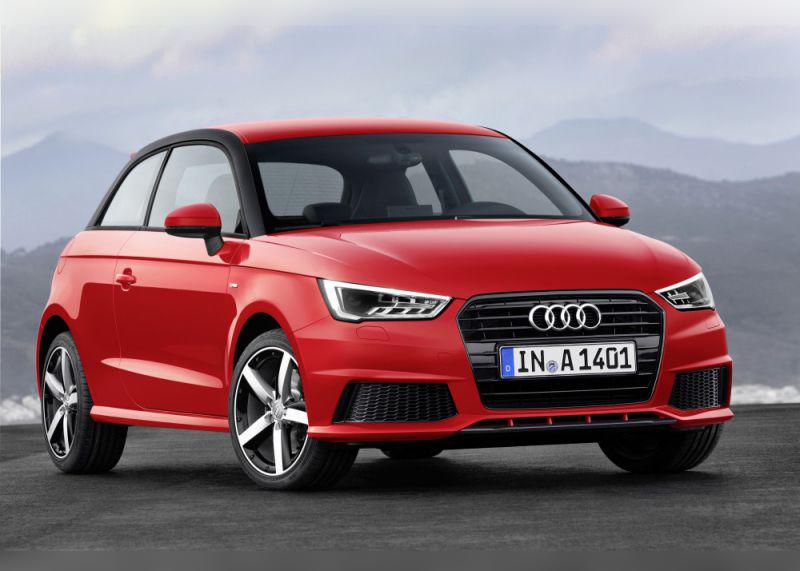
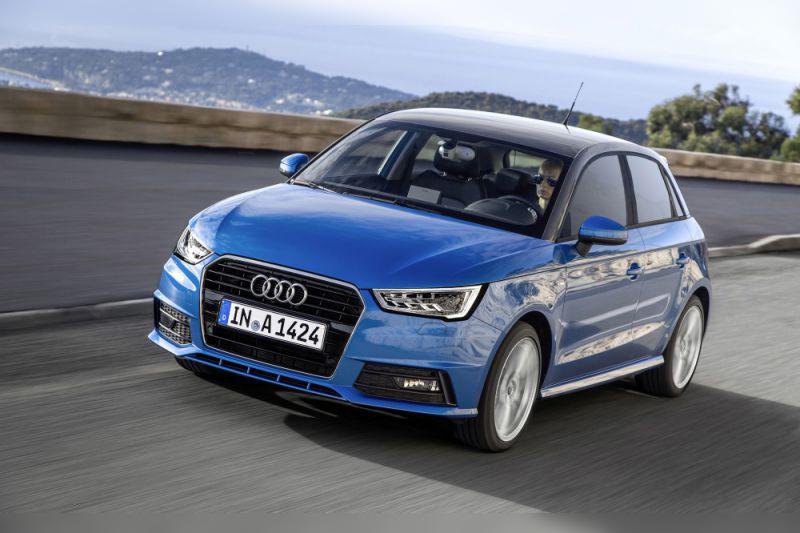
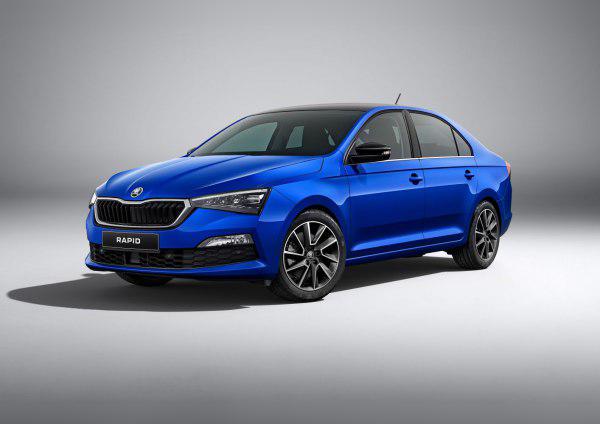
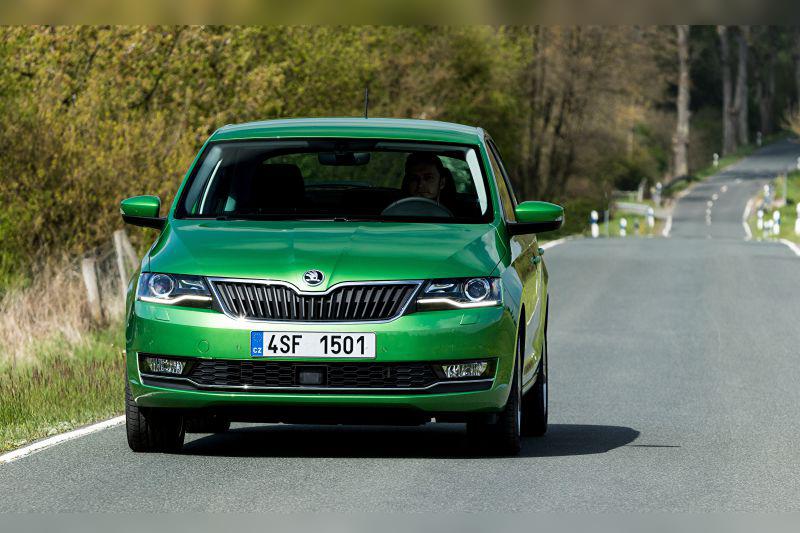
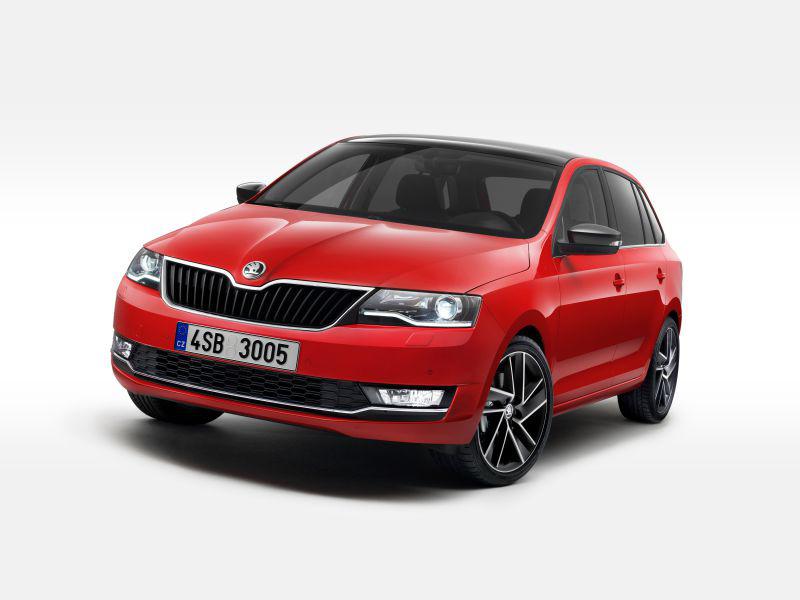
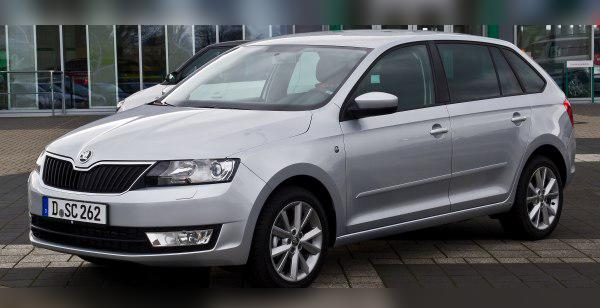
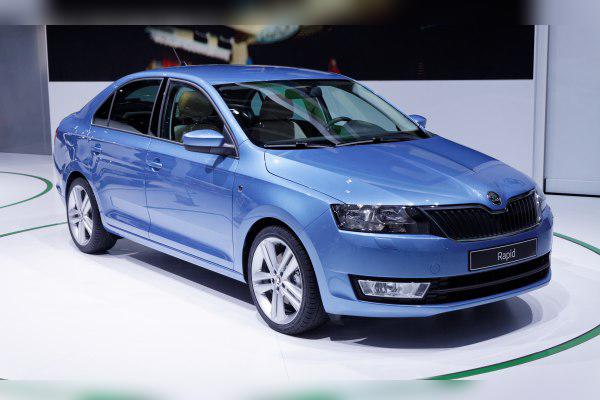
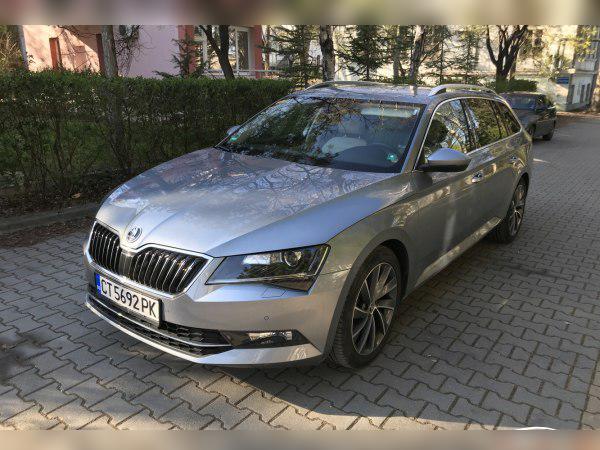
The 125 HP version has proven to be the “golden middle ground”. It was installed in a huge number of models across Europe – from small city cars such as the Audi A1, through family sedans like the Škoda Superb and Rapid, all the way to large SUVs such as the Škoda Yeti and Kodiaq. Thanks to such wide use, there is plenty of real-world experience with this engine, giving us a clear picture of what to expect from it in the long run.
Technical specifications
| Parameter | Specification |
|---|---|
| Engine displacement | 1395 cc |
| Engine power | 92 kW (125 HP) |
| Torque | 200 Nm (from 1400 to 4000 rpm) |
| Engine codes | EA211 / CZCA |
| Fuel type | Petrol (Direct injection – TSI/TFSI) |
| Induction type | Turbocharger with intercooler |
Reliability, maintenance and failures
Timing belt instead of chain
The biggest change – and a huge relief for both mechanics and owners – is the return to a timing belt. The EA211 engine does not use the stretching chain anymore. The belt is very durable and the manufacturer often states replacement intervals of up to 210,000 km. However, workshop practice across Europe suggests doing the major service at around 120,000 to 150,000 km, or every 5 to 7 years, to avoid belt failure due to material aging. The price of the major service falls into the category: not expensive (depends on the market).
Oil and regular servicing
The oil sump capacity is about 4.0 to 4.2 liters of oil. It is recommended to use high-quality synthetic oil with a 5W-30 grade (VW 504.00/507.00 specification). On newer model years you may also see a recommendation for thinner 0W-20 oil (VW 508.00) for ecological reasons.
As for oil consumption, the piston ring issues from the previous generation are a thing of the past. Under normal operating conditions, the engine may consume between 0.1 and 0.3 liters per 1,000 km, which usually means just one small top-up (or none) between two regular services (which I recommend at a maximum of 15,000 km, never at 30,000 km as the “LongLife” interval suggests). The spark plugs on this petrol engine should be replaced every 60,000 km to avoid overloading the ignition coils.
Most common failures
Although very reliable, the EA211 has a few specific weak points. The most common issue is the wastegate actuator on the turbocharger. Drivers usually notice a rattling noise under the bonnet when pressing the accelerator or a slight loss of power. There are also occasional cases of coolant leakage from the water pump, which is an excellent reason to replace it during the major service.
Specific components and costs
Injection system and carbon buildup
The engine uses a direct fuel injection (TSI) system into the cylinders. Petrol injectors are very reliable and rarely fail, but the very principle of direct injection brings one unavoidable drawback: carbon buildup on the intake valves. Since petrol does not wash over the intake valves, after 100,000 to 150,000 km the valves can become coated with soot. Symptoms include rough idle (shuddering) and a slight drop in performance. The solution is so-called “decarbonisation” of the intake using walnut shell blasting, with a price range: not expensive (depends on the market).
Turbocharger and flywheel
The system has a single turbocharger with an intercooler (integrated into the intake manifold). The turbo itself is extremely durable; with regular oil changes it can easily last over 200,000 km. Interestingly, the exhaust manifold integrated into the cylinder head allows the engine to reach its 90°C operating temperature very quickly, which protects it during cold winter starts.
Does this petrol engine have a dual-mass flywheel? Yes, most versions (especially those with higher-spec manual gearboxes and all with DSG) are equipped with a dual-mass flywheel to reduce crankshaft vibrations. However, it is exposed to far fewer shocks than on diesels, so it lasts noticeably longer. Also, it does not have typical diesel components such as an EGR valve prone to clogging, there is no DPF (later 1.5 engines received a GPF/OPF, but the 1.4 CZCA generally does not have it), and of course – there is no AdBlue system because this is a petrol engine.
Real-world fuel consumption and performance
The engine delivers 125 HP and a very decent 200 Nm of torque, available from as low as 1400 rpm, which makes it feel diesel-like in everyday driving. You do not need to rev it high to get it to pull.
Is the engine “lazy”? It all depends on the body style. In models such as the Audi A1 or Škoda Rapid, this engine is quite quick, responsive and elastic. However, when you put the same unit into a Škoda Kodiaq with seven seats, things change. In large SUVs, the lack of power is noticeable during strong acceleration, on serious uphill sections or under full load when overtaking. For big vehicles, the engine is just “sufficient”.
Fuel consumption: In pure city driving, with a lot of stop-and-go traffic, real consumption is around 7.5 to 8.5 l/100 km. On the motorway, the situation is much better. At 130 km/h in the highest gear (6th with the manual, 7th with the DSG), the engine cruises at a very relaxed 2,500 to 2,800 rpm. Motorway consumption stays at about 6.0 to 6.5 l/100 km, except in aerodynamically worse Kodiaq or Yeti models where it can exceed 7.5 liters.
LPG conversion and remapping
Is LPG (autogas) worth it?
Although it is technically possible to install an LPG system on the 1.4 TSI, it is not a simple process. Due to direct injection, the injectors are located in the combustion chamber. To prevent them from burning due to heat, the system must constantly inject a small percentage of petrol (around 10–20%) together with the gas. LPG systems adapted for direct injection fall into the category: expensive (depends on the market). Therefore, LPG conversion is only worthwhile for drivers who cover serious annual mileage.
Remap potential (chip tuning)
The EA211 engine is a fantastic candidate for software modification (Stage 1). Thanks to its strong factory base and high-quality turbocharger, power can be safely increased from 125 HP to 150–160 HP, while torque rises to an impressive 250 Nm. After this, the car becomes noticeably more eager, and with normal driving the engine’s lifespan is not compromised.
Gearbox: Manual vs DSG
The 1.4 TSI 125 HP engine most commonly comes paired with a 6-speed manual gearbox or a 7-speed DSG automatic gearbox (code DQ200).
The manual gearbox is mechanically “bulletproof”. Problems are minimal, while replacement of the clutch kit and dual-mass flywheel is: expensive (depends on the market). The manufacturer does not officially prescribe oil changes in the manual gearbox, but in practice it is advisable to change it at around 100,000 km for longevity.
On the other hand, the DSG DQ200 uses dry clutches. Its advantages are fast and economical driving. However, its biggest weakness is heavy city traffic (creeping in queues), where the electronics constantly hesitate between first and second gear, causing the clutch plates to wear out quickly. The most common failures are worn clutch kits (symptom: jerking when setting off or shifting from 1st to 2nd gear) and mechatronic unit failures. Repairing this falls into the category: very expensive (depends on the market).
DSG servicing: Although the clutches are dry, there is oil in the mechatronics and gear section that should be preventively changed every 60,000 km to avoid overheating and valve failures.
Buying used and conclusion
What to check when buying?
When test-driving a used car equipped with the 1.4 TSI (CZCA) engine, pay attention to the following:
- Cold start: Ask the seller not to start the car before you arrive. When you crank it, listen carefully. A slight rustling is normal, but a sharp metallic sound from the turbo area may indicate a problem with the wastegate lever. A high-pitched whine can reveal a failing water pump.
- Idle behaviour: Once the engine warms up a bit, it should idle perfectly smoothly. Any noticeable vibration in the cabin points to bad spark plugs, faulty coils or carbon buildup on the valves.
- Gearbox check (DSG): Start off on a slight incline without pressing the accelerator. The car should creep smoothly. Any jerking, clunking noises (“clack” sound) or hesitation from the automatic gearbox means that the dry clutch set is probably due for replacement.
Who is this engine for?
The 1.4 TSI EA211 with 125 HP is one of the best small-displacement petrol engines on the used-car market in its class. It is free from the old “demons” of a stretching timing chain and excessive oil burning. It is an ideal choice for drivers who want the quietness of a petrol engine, low fuel consumption and lively performance, but do not cover enough mileage to justify the higher maintenance costs of diesel engines and DPF systems. If you prioritise reliability and mostly drive in the city, the manual gearbox is a safer and cheaper option than the DSG with dry clutches. For larger cars such as the Kodiaq, always do a test drive with several passengers on board to assess whether 125 HP is really enough for your needs.