1.4 TSI EA211 (CZEA) 150 HP Engine: Real-world experience, issues, fuel consumption and used-car buying tips
Key points in short (TL;DR)
- Timing belt instead of chain: The EA211 generation solved the notorious timing chain stretch issues by going back to a more reliable belt.
- ACT technology: Many versions of this engine deactivate two cylinders while driving to save fuel (Active Cylinder Technology).
- Prone to carbon buildup: Due to direct injection, intake valves gradually accumulate carbon deposits over time.
- Coolant leaks: The thermostat housing and water pump are the most common weak spots.
- Caution with automatic gearboxes: Front-wheel-drive versions use the DQ200 DSG with dry clutches, which is sensitive to stop-and-go city driving.
- Huge differences between body types: In the light Audi A1 this is a sporty engine, while in the massive Škoda Kodiaq it is intended for moderate, family-oriented driving.
Contents
- Introduction: Restoring trust in TSI technology
- Technical specifications
- Reliability, maintenance and common failures
- Specific components and fuel injection
- Real-world fuel consumption and performance
- Modifications: LPG and remapping
- Gearboxes, dual-mass flywheel and clutch
- Buying used and final verdict
Introduction: Restoring trust in TSI technology
When the 1.4 TSI engine is mentioned, many drivers immediately think of rattling timing chains and high oil consumption. However, it is important to clarify right away: the EA211 designation (in this case the specific code CZEA with 150 HP) refers to a completely new engine architecture that replaced the old, problematic EA111 generation. This engine is an engineering turning point. It was developed to be lighter, more efficient and, most importantly, incomparably more reliable.
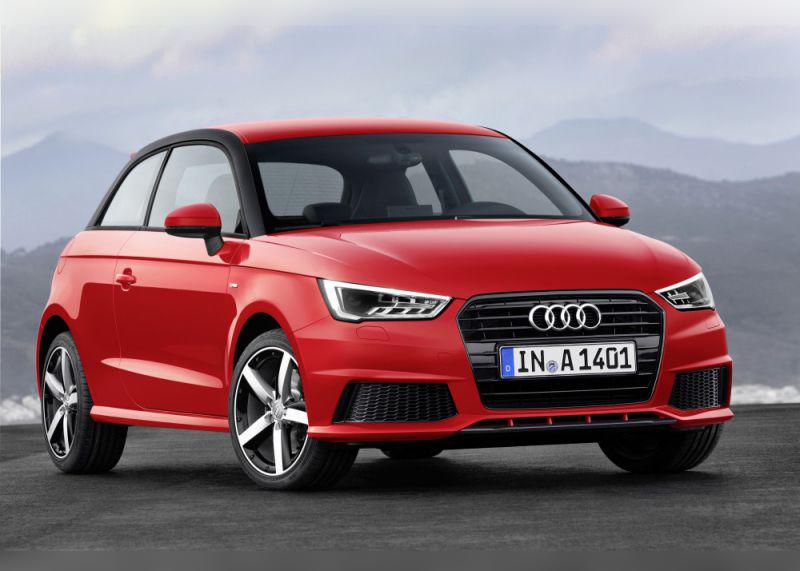
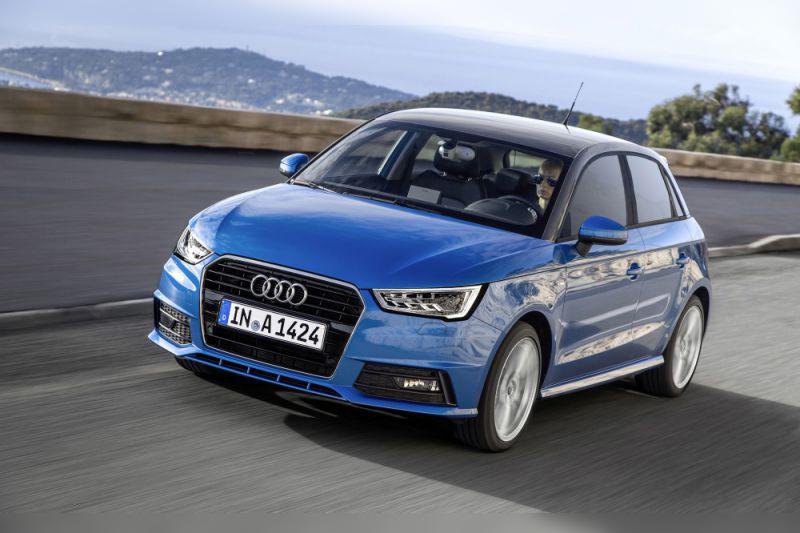
This turbocharged unit has been widely used across the VW Group. It was installed in true city runabouts like the Audi A1 (8X facelift), but also in large family SUVs such as the Škoda Kodiaq (including 7‑seater and 4x4 versions). That range of applications shows how flexible this engine is, but at the same time it imposes different maintenance requirements.
Technical specifications
| Engine displacement | 1395 cc |
| Engine power | 110 kW (150 HP) |
| Torque | 250 Nm |
| Engine codes | CZEA (EA211 generation) |
| Injection type | Direct injection (TSI / TFSI) |
| Induction | Turbocharger + intercooler |
| Fuel | Petrol (Gasoline) |
Reliability, maintenance and common failures
Timing belt replaces the notorious chain
Let’s clear up the main concern right away: this engine uses a timing belt, not a chain. The factory often specifies a very long replacement interval (in some manuals even over 200,000 km), but real-world experience and advice from seasoned mechanics say otherwise. It is best to do the major service at 100,000 to 120,000 km or every 5 to 7 years. Along with the belt, you should always replace the tensioners, idler pulleys and water pump.
Most common issues and weak points
Although the engine is generally very reliable, it is not perfect. Its biggest weakness is the water pump module with thermostat housing. Small coolant leaks around the gasket of this plastic housing are quite common. If you notice the coolant level in the expansion tank dropping, and there is no white smoke from the exhaust, this is the first place to check.
The second specific feature is the ACT system (Active Cylinder Technology). This system shuts down the second and third cylinders under low load. Over time, the mechanical actuators on the camshafts can become noisy (you may hear a slight rattle when switching modes), and in rare cases they may need to be replaced.
Since this is a direct-injection engine, carbon deposits on the intake valves are inevitable after around 100,000 km. Fuel is injected directly into the cylinder and does not “wash” the valves. Symptoms include rough idle (especially on cold start), a slight loss of power and increased fuel consumption. The solution is periodic intake cleaning (most commonly by walnut shell blasting).
Oil and spark plugs
The sump holds about 4.0 litres of oil. The recommended grades are 5W-30 or 0W-20 (VW 504.00 or 508.00 specification). Because of the turbocharger and high temperatures, change the oil at a maximum of 15,000 km, and in heavy city use even at 10,000 km. There is some oil consumption between services, but it is minimal – topping up 0.5 to 1 litre per 10,000 km is considered completely normal. As for the spark plugs, the factory replacement interval is 60,000 km, which is very important to follow in order to avoid damaging the ignition coils.
Specific components and fuel injection
This is a petrol engine, so some of the headaches diesel owners face are avoided here. The engine has no AdBlue system, nor does it have a traditional DPF that clogs up in city driving. (Note: the very latest generations after 2018 have an OPF/GPF petrol particulate filter, but it operates at higher temperatures and causes problems far less often than a diesel DPF.) There is no classic EGR valve like on diesels; exhaust gases are managed via variable valve timing (VVT).
The injection system is direct. Petrol injectors are very reliable and rarely fail, but they are sensitive to poor-quality fuel. Replacement is not cheap, but still nowhere near as expensive as on modern diesels.
The turbocharger is integrated into the exhaust manifold, which allows the engine to warm up quickly in winter. Its service life is excellent – with regular oil changes it rarely fails before 200,000 to 250,000 km. Symptoms of a worn turbo include a louder whistle and loss of pulling power.
Real-world fuel consumption and performance
Your expectations from this engine must depend on the vehicle it is installed in.
Fuel consumption: In the light Audi A1, real-world city consumption is around 7 to 8 l/100 km. On the open road it can drop to about 5 l/100 km. However, in the heavy Škoda Kodiaq, especially with 4x4 and the aerodynamics of a wardrobe, city consumption easily exceeds 9.5 to 10 l/100 km. The ACT system helps on country roads, but has no effect in stop-and-go traffic.
Performance: In the Audi A1 (where the car weighs just over 1100 kg), 150 HP and 250 Nm deliver the performance of a serious sports car. There is no turbo lag; the car really bites the tarmac. On the other hand, in the Kodiaq the engine is absolutely not sluggish for everyday driving, because the turbo delivers torque early. Still, if you load the Kodiaq with 7 passengers, luggage and turn on the A/C on an uphill stretch, you will feel that this is ultimately a 1.4‑litre engine and it will need to rev higher.
On the motorway at 130 km/h the engine cruises smoothly. Depending on the gearbox (longer ratios with DSG), revs stay around 2500–2800 RPM, which ensures a quiet cabin and moderate fuel consumption.
Modifications: LPG and remapping
LPG conversion: Is it suitable? The answer is: technically yes, but financially questionable. Due to direct injection, you need special LPG systems that inject liquid gas, or systems that simultaneously use a certain amount of petrol to cool the petrol injectors. The price of such setups is very high (depends on the market), so the investment only pays off for those who cover huge mileages, which is rarely the case with this engine.
Remapping (Remap / Stage 1): This engine loves a good remap. Without any mechanical modifications (software only), power can be safely and easily raised from 150 HP to about 180 to 185 HP, while torque climbs close to 300 Nm. The engine remains highly reliable if service intervals are respected, but pay attention to the gearbox (especially the DQ200 DSG), which from the factory has a torque limit right around 250–280 Nm.
Gearboxes, dual-mass flywheel and clutch
This engine is paired with precise 6‑speed manual gearboxes and DSG dual-clutch automatics.
Manual gearbox
Extremely durable. Failures are rare. Yes, versions of this engine, especially in heavier bodies like the Kodiaq (and often in the A1 with this power level), come with a dual-mass flywheel. Its role is to dampen the vibrations of the strong torque from the petrol engine. A clutch kit with a dual-mass flywheel is expensive (depends on the market). Symptoms of a worn flywheel include judder when setting off, thumps when switching the engine off and rattling at idle.
Automatic gearbox (DSG) – important warning!
The type of DSG depends on the drivetrain and vehicle:
- Front-wheel drive (A1, Kodiaq FWD): Equipped with the DQ200 (7‑speed, dry clutches). This is the Achilles’ heel. In stop-and-go city driving the clutches overheat and wear quickly. The mechatronics unit (the gearbox computer and hydraulics) is also prone to failure due to pressure loss or electronic faults. Replacing the dry clutch pack and overhauling the mechatronics is very expensive (depends on the market). These gearboxes require timely inspection and only rarely need an oil change (they are often declared “lifetime” for the clutches, but the oil in the mechatronics should still be checked/changed).
- 4x4 (Kodiaq AWD): Fitted with stronger gearboxes with wet clutches (DQ250 6‑speed or DQ381 7‑speed). They are incomparably more durable. However, they ABSOLUTELY require an oil and filter change every 60,000 km. If this is skipped, clutch wear and hydraulic block failure will follow. DSG gearboxes also use a dual-mass flywheel.
Buying used and final verdict
When buying a used car with the 1.4 TSI (CZEA) engine, always insist that the engine be completely cold before you inspect the vehicle. Listen carefully on a cold start. The engine should fire up smoothly. If you hear loud and prolonged metallic rattling (possible damage to the tensioner, variator or actuators), be cautious. Immediately check the coolant level and look for white dried coolant traces on the right-hand side of the engine (viewed from the front) – a sign that the thermostat housing is leaking.
If you are buying a DSG automatic (especially FWD with DQ200), during the test drive the car must pull away smoothly from a standstill, without jerking, and it must shift from first to second and third gear imperceptibly. Any thumping or hesitation is a sign to walk away or negotiate a serious price reduction.
Conclusion: Who is it for?
The 1.4 TSI EA211 150 HP engine is probably one of the best mid-displacement petrol engines on the used market. It has outgrown the teething problems of its predecessor. In the Audi A1 this is an engine for enthusiasts who want serious performance. In the Škoda Kodiaq it is a rational choice for calmer drivers who do not exceed about 15,000 km per year and want an extremely quiet, refined and usable alternative to complex and more expensive diesels. With regular servicing, clean oil and a sensible approach to throttle use while the engine is cold, this is a powerplant that will serve you reliably and for a long time.