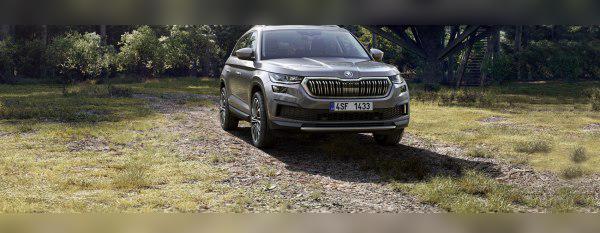
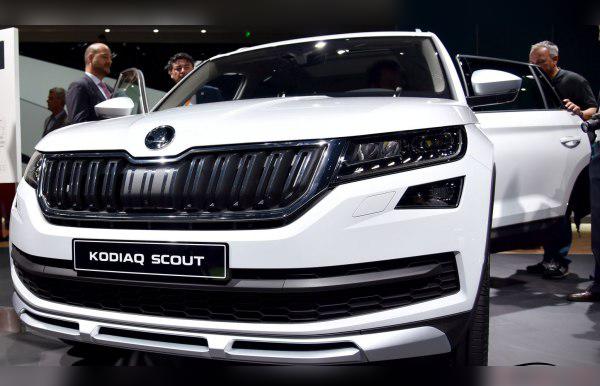
2.0 TDI EA288 / DFGA Engine (150 HP): Experiences, Problems, Fuel Consumption and Used-Car Buying Tips
Key points in short (TL;DR)
- High reliability: The EA288 generation has solved the teething problems of its predecessor, making this engine one of the most reliable diesels on the market.
- Timing belt: The engine uses a timing belt for the valvetrain; the factory interval is long, but mechanics recommend earlier replacement as a precaution.
- Emissions systems are the biggest downside: The DPF filter, EGR valve and AdBlue system require regular driving on open roads; city driving clogs them quickly.
- Decent performance: Although the Škoda Kodiaq is a heavy car, 150 HP and 340 Nm are quite sufficient for normal family driving, although it runs out of breath under maximum load on steep climbs.
- Gearbox needs attention: The DSG (automatic gearbox) requires mandatory oil changes every 60,000 km, otherwise very expensive failures follow.
- Maintenance costs: Regular servicing is not overly expensive, but replacing the dual-mass flywheel or AdBlue system sensors falls into the more costly repairs (depends on the market).
Contents
- Introduction: The heart of modern SUVs
- Technical specifications
- Reliability and maintenance
- Specific components and costs
- Fuel consumption and performance
- Additional options and modifications
- Gearbox and drivetrain
- Buying used and conclusion
Introduction: The heart of modern SUVs
The 2.0 TDI engine with DFGA code belongs to the well-known EA288 family of Volkswagen powerplants. It was designed to meet strict Euro 6 standards while offering smoother operation and better reliability compared to the older EA189 engines (known for the Dieselgate scandal and oil pump issues). It was installed in many models across the VW Group, but it faced its real test in heavy SUVs such as the Škoda Kodiaq (including Scout versions, 7‑seater models and 4x4 variants). The question every potential buyer asks is: is 150 horsepower enough for such a big car, and what hides under the bonnet once it passes the “magic” 150,000 km mark?
Technical specifications
| Parameter | Specification |
|---|---|
| Engine displacement | 1968 cc |
| Engine power | 110 kW (150 HP) |
| Torque | 340 Nm |
| Engine codes | EA288 (family), DFGA |
| Injection type | Common Rail (direct injection) |
| Charging system | Turbocharger (VGT) + intercooler (water-cooled in the intake manifold) |
Reliability and maintenance
Timing belt or chain?
The 2.0 TDI DFGA uses a timing belt to drive the camshafts, not a chain. However, a specific feature of EA288 engines is that the oil pump is driven by a separate small belt that runs in oil (a “wet belt”). The timing system itself is extremely reliable, provided that replacement intervals are respected.
At what mileage should the major service be done?
The factory recommendation for the major service (replacement of timing belt, tensioner, idler pulleys and water pump) is often set at an extremely optimistic 210,000 km. In reality, any experienced mechanic will tell you this is too big a risk. Practice has shown that the major service should be done between 120,000 and 150,000 km, or every 5 to 7 years. The water pump on these engines has a movable shutter for faster engine warm‑up, which can get stuck, causing engine overheating or coolant leaks, so you should not wait for the factory limit.
What are the most common failures?
The core mechanics (block, pistons, crankshaft) are virtually indestructible, but the engine peripherals suffer. The most common failure is the aforementioned water pump, followed by the exhaust aftertreatment system (DPF, EGR and AdBlue), as well as exhaust pressure sensors. Oil leaks sometimes occur at the crankshaft seal on the gearbox side.
How many liters of oil does it take and which grade?
Depending on the shape of the oil sump, this engine takes between 4.7 and 5.5 liters of engine oil. Fully synthetic oil that meets the VW 507.00 specification is mandatory (so‑called “Low SAPS” oil, crucial for preserving the DPF filter). The recommended viscosity is 5W‑30 or the newer 0W‑30, which provides better lubrication during cold starts.
Does it consume oil?
Like any turbo diesel, this engine has a certain tolerance. It is normal that between two minor services (which should be done at a maximum of 15,000 km, not 30,000 km as the “LongLife” recommendation suggests) it consumes around 0.5 to 1 liter of oil. If consumption exceeds this, the problem usually lies in worn turbocharger seals or, less commonly, in the oil control rings.
Injector and fuel system longevity
The Common Rail system is usually supplied by Bosch or Delphi. The injectors are very reliable and can easily last 250,000 km or even over 300,000 km. They are sensitive only to poor fuel quality and the presence of water in the tank. Symptoms of failing injectors include rough idle, “knocking” under load and increased fuel consumption.
Specific components and costs
Does the engine have a dual-mass flywheel?
Yes, without exception, regardless of whether it is paired with a manual or DSG gearbox, the engine uses a dual‑mass flywheel. The weight of the Kodiaq (which easily exceeds 1.7 tons) puts additional stress on this assembly. Symptoms of wear include vibration of the whole car at idle, metallic rattling when switching off the engine, and jolts when setting off. Replacing the complete set (dual‑mass flywheel, clutch, release bearing) is very expensive (depends on the market).
Turbocharger: Service life
The engine has a single turbocharger with variable turbine geometry (VGT). It is very durable; if the owner changes the oil regularly and lets the engine idle for a couple of minutes after hard driving (to cool the turbo), it can outlive the car itself. Failures are usually related to the geometry vanes sticking due to soot buildup from city driving.
DPF filter and EGR valve
This is the sore point for all owners who use their SUV exclusively for short city trips to daycare and work. The engine has a sophisticated dual‑flow EGR system (low and high pressure) and a DPF filter mounted close to the engine for faster warm‑up. If a DPF regeneration is interrupted (idle speed sits at 1000 rpm and the radiator fan is running), unburned fuel can enter the sump and dilute the engine oil, which is disastrous for lubrication. Cleaning or replacing the DPF is an expensive job (depends on the market).
AdBlue system (SCR)
All DFGA engines use AdBlue fluid to reduce NOx emissions. This system is notorious for failures of the level sensor, heater inside the tank, or the injector that sprays urea. The fluid tends to crystallize if it sits for a long time. When the infamous “Engine won't start in 1000 km” message appears on the dashboard, the repair (often involving replacement of the entire tank with pump) can be extremely expensive (depends on the market).
Fuel consumption and performance
Real-world city fuel consumption
Despite modern technology, the laws of physics cannot be cheated. Getting a Kodiaq moving in stop‑and‑go traffic with the air conditioning on requires energy. Expect consumption between 7.5 and 9.0 l/100 km in the city. 4x4 models use about half a liter more on average.
Is this engine “lazy” for such a heavy body?
With its 150 HP and 340 Nm (available from just 1750 rpm), the engine is anything but sporty, but it is far from sluggish in normal driving. Up to 100 km/h it pulls quite convincingly. However, when a family of five with luggage gets in and the A/C is on, on mountain passes or when overtaking trucks on single‑carriageway roads you will notice the lack of power compared to the stronger 190 HP or 200 HP versions.
Behavior on the motorway
The motorway is this engine’s natural habitat. That’s where the DPF regenerates properly and fuel consumption drops. At a cruising speed of 130 km/h in 7th gear of the DSG gearbox, the engine runs relaxed at a quiet 2000 to 2150 rpm. Motorway consumption ranges between 6.0 and 7.0 l/100 km, depending on aerodynamics, roof box and wind.
Additional options and modifications
Chip tuning (Stage 1)
This engine has huge potential and many drivers opt for so‑called Stage 1 software tuning. Without any mechanical modifications, it can easily and safely reach around 185 to 195 HP and over 400 Nm of torque. The difference in throttle response and the ease with which it moves the Kodiaq is very noticeable. However, you must be careful because of the limits of the gearbox and dual‑mass flywheel. That’s why it is important to have the remap done in professional workshops that will also adjust oil pressure and the gearbox software.
Gearbox and drivetrain
Types of gearboxes
This engine was paired with a conventional 6‑speed manual gearbox and a 7‑speed DSG dual‑clutch automatic gearbox. In newer Kodiaq models and 4x4 versions, the well‑known DQ381 gearbox with wet clutches is used, which is significantly better and more reliable than older DSG generations.
Most common gearbox issues and maintenance
On the manual gearbox, usually only the clutch kits and dual‑mass flywheel fail, mainly due to improper driving style.
DSG gearboxes are fantastically quick, but they require strict discipline: changing the gearbox oil and filter is MANDATORY every 60,000 km. If this is neglected, metal particles accumulate in the oil and damage the mechatronics (the electronic “brain” of the gearbox that controls the valves). Mechatronics failure causes harsh shifting, jerking when setting off and dropping into “safe mode”, and repairs are very expensive (depends on the market).
Buying used and conclusion
What to check before buying?
When buying a used Kodiaq with this engine, pay attention to the following details:
- Sound on cold start: Listen for any uneven running or metallic noises from the gearbox side (dual‑mass flywheel).
- Exhaust pipes: Run your finger along the inside of the tailpipe. It should be completely clean and dry. If there is greasy black soot, the DPF filter is punctured, physically removed, or the engine is burning a lot of oil.
- DSG gearbox behavior: During the test drive, pay attention to how the gearbox downshifts from 3rd to 2nd and 1st when stopping at traffic lights. There should be no knocks or jerks.
- Diagnostics (VCDS / ODIS): Connect the car to diagnostics and check the Ash Mass in the DPF, injector correction values in milliseconds, as well as the fault history in the AdBlue system.
Conclusion: Who is the EA288 2.0 TDI 150 HP for?
This engine is the “golden middle ground” for drivers looking for a durable, relatively economical and reliable partner for family trips. It is not built for traffic‑light drag races, nor does it tolerate constant stop‑and‑go city driving well (because of the emissions systems). If you cover most of your mileage on open roads and service the engine regularly and properly (minor service every max. 15,000 km, major at 120,000 km, DSG every 60,000 km), this engine will faithfully serve you for hundreds of thousands of kilometers without opening the bonnet outside of scheduled maintenance.