2.0 TDI EA288 evo (DTUA) 200 HP Engine: Experiences, Problems, Fuel Consumption and Used Car Buying Tips
- Evolution of a classic: This is an upgraded generation of the well-known two‑liter diesel (EA288 evo), with an aluminum block and an impressive 200 horsepower.
- Engine drive: Uses a timing belt. It is reliable, but requires respecting service intervals, with extra attention to the variable water pump.
- Complex emissions system: Equipped with a "Twin Dosing" SCR system (two AdBlue catalysts) and a complex DPF/EGR setup. Not suitable for short city trips.
- Gearbox: Mostly paired with a 7‑speed DSG gearbox with wet clutches (DQ381), which requires strict oil changes every 60,000 km.
- Fuel consumption: Extremely economical on the highway considering the power, but in heavy bodies (Kodiaq 4x4) it can be thirstier in city driving.
- Maintenance costs: Regular services are affordable, but unexpected failures in the injection, emissions and gearbox systems are very expensive (Depends on the market).
Contents
- Introduction: Get to know the 2.0 TDI EA288 evo
- Technical specifications
- Reliability and maintenance
- Specific parts and costs
- Fuel consumption and performance
- Additional options and modifications
- Gearbox and drivetrain
- Buying used and conclusion
Introduction: Get to know the 2.0 TDI EA288 evo (DTUA)
When talking about modern diesel engines, the 2.0 TDI designation is unavoidable. The version with the code name EA288 evo and engine code DTUA represents the peak of this block’s evolution. With 200 HP (147 kW), this engine replaced the earlier 190 HP versions, offering better performance, quieter operation and compliance with the strictest Euro 6d emissions standards. To reduce weight, engineers went back to an aluminum engine block.
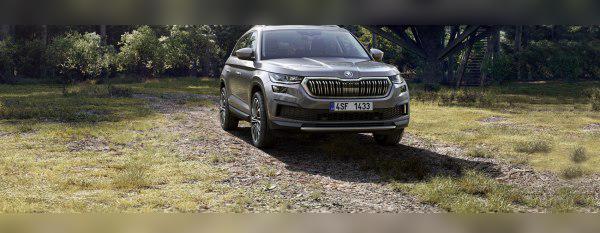
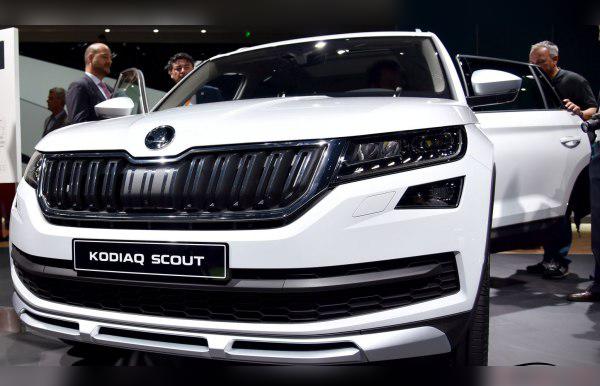
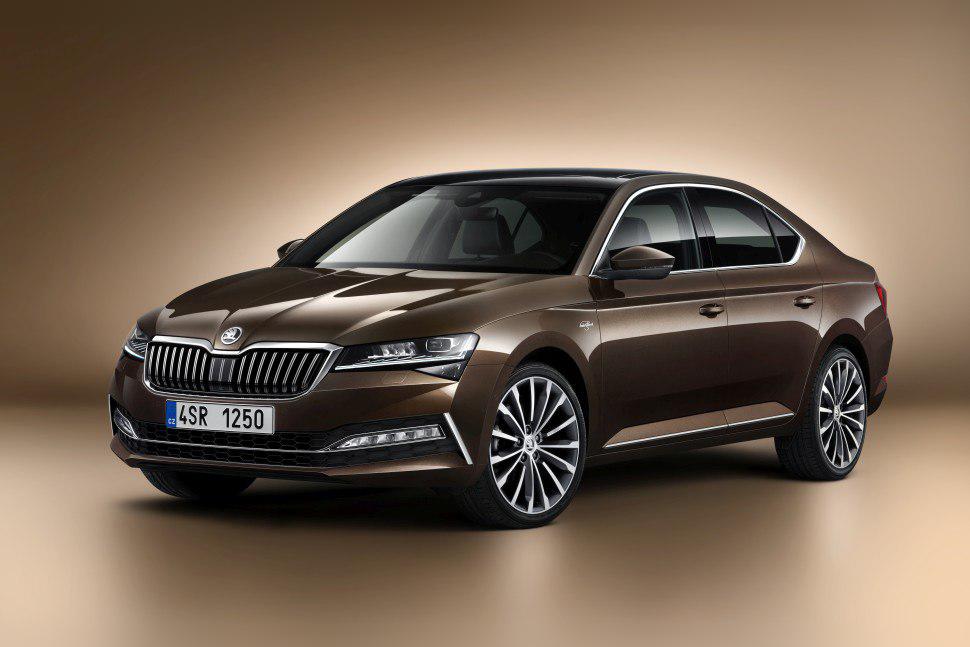
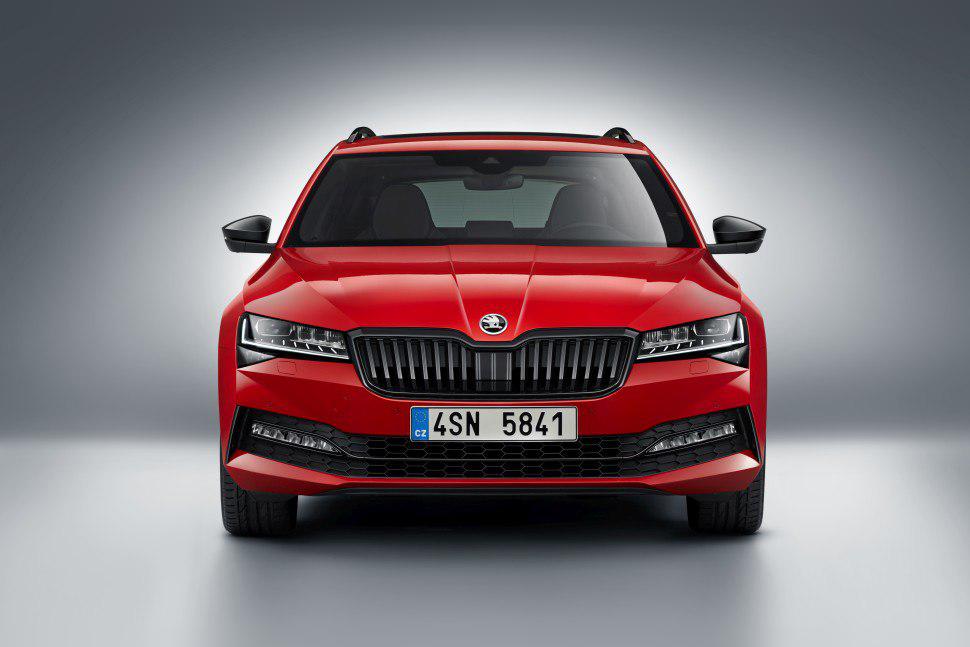
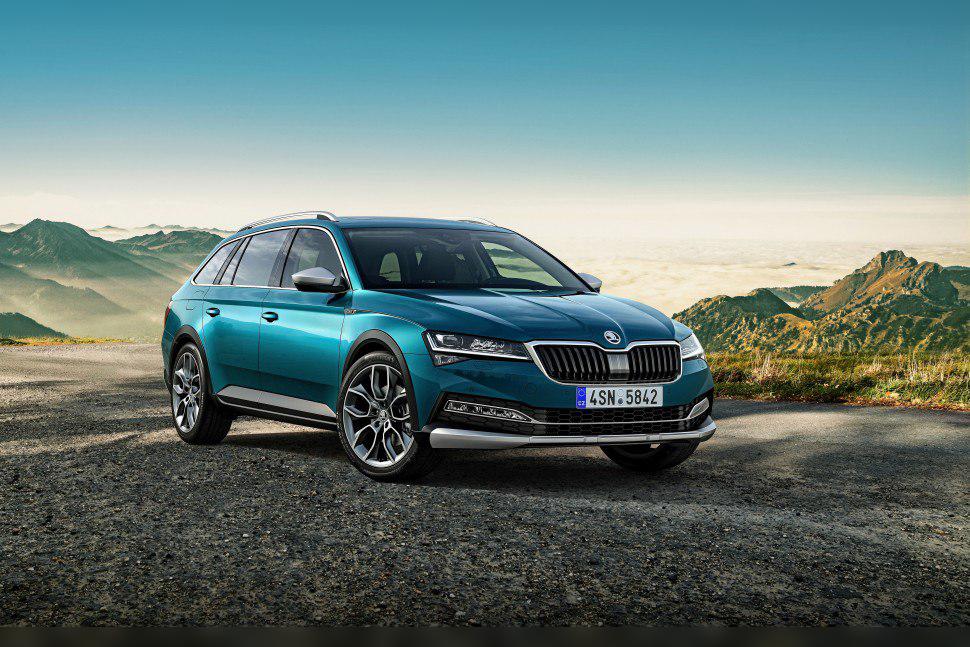
This power unit is the heart of heavier and more premium models. It is most commonly found in models such as the Škoda Kodiaq I (including Scout and 7‑seater versions) and the Škoda Superb III (including Combi and Scout). Thanks to its high torque of 400 Nm, it is ideal for towing, long journeys and heavy bodies, and is almost always paired with 4x4 drive and an automatic DSG gearbox.
Technical specifications
| Specification | Data |
|---|---|
| Displacement | 1968 cc |
| Power | 147 kW (200 HP) |
| Torque | 400 Nm |
| Engine codes | DTUA |
| Injection type | Common Rail (Direct high‑pressure injection) |
| Charging method | Turbocharger (VGT – variable geometry), Intercooler |
Reliability and maintenance
Timing belt or chain?
This engine uses a timing belt for the valve train, not a chain. The timing belt has proven to be an extremely quiet and reliable solution, without the issues that plagued early generations of TSI chains. However, a high‑quality timing belt kit is essential.
Most common failures
Like any modern diesel, the “hardware” itself (pistons, crankshaft, block) is extremely durable. Problems come from the peripherals. The most common failures include leaks or sticking of the variable water pump. This pump has a special ring that regulates coolant flow for faster engine warm‑up. When that ring sticks, the engine can overheat or the cabin heater can stop working. Also, the electronics of the NOx sensors and the DPF pressure sensor tend to fail.
Service intervals
The manufacturer specifies that the major service (replacement of timing belt, tensioner, idlers and water pump) should be done at a huge 210,000 km. However, in practice, any experienced mechanic will recommend doing the major service at 150,000 km or every 6 to 7 years. Minor service (oil and filters) should be done every 15,000 km, even though the factory allows flexible “LongLife” intervals up to 30,000 km – which is a recipe for accelerated engine wear.
Oil: Capacity and consumption
The DTUA engine takes about 5.5 liters of oil (Depends/Can’t be 100% sure without the exact engine code and oil pan shape, always check on the dipstick). Due to strict standards and the DPF filter, it is mandatory to use synthetic oil with the specification VW 507.00 (usually 0W‑30 or 5W‑30) or the latest VW 509.00 (0W‑20). The 0W‑20 grade is used to reduce friction and emissions. Does it consume oil? Yes. It is completely normal for this engine to consume 0.5 to 1 liter of oil between two services over 15,000 km. The piston rings are designed with lower pressure on the cylinder wall.
Injectors on the 2.0 TDI evo engine
The injectors are piezoelectric in a Common Rail system and are extremely durable. With regular fuel filter changes (every 30,000 km) and using quality Euro diesel, they easily last over 250,000 km. When they start to fail, symptoms include rough idle, “hammering” under sudden throttle and increased smoke (which the DPF masks until it clogs).
Specific parts and costs
Dual‑mass flywheel
Yes, this engine definitely has a dual‑mass flywheel, even though it is paired with an automatic DSG gearbox. Its job is to absorb the destructive vibrations generated by 400 Nm of torque. Its lifespan is between 150,000 and 200,000 km. Symptoms of failure are metallic rattling when starting and stopping the engine, as well as vibrations at idle. The price of replacing the complete kit with flywheel is high (Depends on the market).
Turbocharger
The engine has a single large turbocharger with variable geometry (VGT). There are no two turbines (it is not a BiTDI), which is good news for maintenance. The turbo’s lifespan usually matches the engine’s lifespan, over 250,000 km, provided you don’t shut it off red‑hot right after highway driving and that you change the oil regularly.
DPF, EGR and AdBlue system
This is the sorest point. The engine has a complex DPF filter and EGR system (low‑ and high‑pressure). If you drive the car exclusively in the city (stop‑and‑go traffic), the DPF will clog quickly, because the engine cannot reach the temperature needed for regeneration. Symptoms are elevated idle speed (around 1000 rpm) and radiator fans running even after the engine is switched off.
As for the AdBlue system, it uses “Twin Dosing” technology (double urea injection into two SCR catalysts). Although extremely clean, the system is sensitive. Pump failures in the AdBlue tank, heater failures or level sensor issues are common. Repairing these modules is very expensive (Depends on the market). Maintenance means regularly topping up clean AdBlue and avoiding letting the tank run completely dry, because the fluid then crystallizes and destroys the pump.
Fuel consumption and performance
Real‑world city consumption
It depends on which model it is installed in. The Škoda Kodiaq 4x4 is a heavy car, and in city traffic (stop‑and‑go) it will realistically use 8.0 to 9.5 l/100 km. On the other hand, the more aerodynamic and somewhat lighter Škoda Superb can manage with 7.0 to 8.5 l/100 km. This is not a city car.
Is the engine “lazy”?
Absolutely not. With 400 Nm of torque available already at low revs (around 1750 rpm), this engine plays with the heavy Kodiaq body. In‑gear acceleration is excellent, and overtaking on country roads is done without breaking a sweat.
Behavior on the highway
This engine was made for the highway (Autobahn). It feels confident and stable. Thanks to the 7‑speed DSG gearbox, at 130 km/h the engine “cruises” in 7th gear at a relaxed 1900 to 2100 rpm. In this driving mode, fuel consumption drops to an excellent 6.0 to 7.0 l/100 km, depending on tire profile, roof box and wind direction.
Additional options and modifications
Chiptuning (Stage 1 remap)
The two‑liter TDI is known for handling software power increases very well. A quality Stage 1 remap can safely raise power from 200 HP to about 230 to 240 HP, and torque from 400 Nm to 450 to 480 Nm. An important warning: excessive torque increase can destroy the clutches in the DSG gearbox (which has a factory limit of around 450–500 Nm) and significantly shorten the DPF’s lifespan due to higher soot production.
Gearbox and drivetrain
Types of gearboxes
The 200 HP (DTUA) version in modern Škoda models is fitted exclusively with a 7‑speed automatic DSG gearbox (code DQ381) with wet clutches. A manual gearbox is not an option at this power level.
DSG failures and maintenance
The DQ381 is an excellent gearbox, much more robust than the older dry‑clutch DSG units. However, the mechatronics (the gearbox’s hydraulic “brain”) and the wet clutch pack are the key components. The most common symptoms of failure are “jerking” when taking off, delay when shifting from D to R, and harsh downshifts from 2nd to 1st gear when stopping.
For this gearbox to last, there is one single golden rule: Gearbox service and oil change MUST be done every 60,000 km. The gearbox takes about 6 liters of special oil, and the filter mounted on the housing is also replaced. If this is neglected, metal particles from the clutches will clog the valves in the mechatronics, leading to a breakdown whose repair is very expensive (Depends on the market).
Buying used and conclusion
What must you check before buying?
- Cold start: The engine should start “on half a turn”. Listen around the front right wheel area (where the belts are). If you hear a steady “squeal” or metallic rattle, the water pump is on its last legs. Also listen for metallic rattling that indicates a worn dual‑mass flywheel.
- Test drive: Focus on the gearbox. It must shift smoothly through all gears, without the slightest jolt. Check whether the car pulls equally strongly from low revs.
- VCDS / OBD diagnostics (Most important): Read the ash mass in the DPF. Read injector deviations at idle. Check when the last DPF regeneration was performed. Read fault codes related to the AdBlue system – sellers often “erase” them just before showing the car.
- Physical inspection: Look for reddish/pinkish traces of coolant on the engine block (water pump leak). Inspect the suspension and differential, especially on 4x4 models with a Haldex clutch (Haldex oil is also changed every 60,000 km!).
Conclusion: Who is this engine for?
The 2.0 TDI EA288 evo (200 HP) engine is a top‑class cruising machine. If you drive more than 25,000 km per year, often use highways, carry a lot of luggage, passengers or tow a trailer (caravan), a Kodiaq or Superb with this engine is a perfect choice.
However, if you use your car just to drive the kids 3 kilometers to school every morning and to go to the supermarket, stay away from this engine. The complex emissions systems (DPF, dual EGR and “Twin Dosing” AdBlue) will choke up and drain your wallet faster than you expect. For that kind of use, a petrol engine is a far better solution.