Volkswagen Golf II 1.6 D (JP) engine: Experiences, problems, fuel consumption and used car buying tips
- Extremely durable and long-lasting engine, known for being able to cover huge mileages with minimal maintenance.
- Extremely simple mechanics: no dual-mass flywheel, turbocharger, DPF filter or advanced electronics.
- Very sluggish and "lazy" to drive with its 54 hp; not intended for overtaking or fast driving.
- Fuel consumption is surprisingly low, even by today’s standards.
- Main issues come down to oil and diesel leaks caused by worn-out gaskets and seals (due to age, not design flaws).
- Sensitive to overheating if the cooling system is not in good condition, which can lead to a cracked cylinder head.
Contents
- Introduction: A legend that never dies
- Technical specifications
- Reliability and maintenance
- Specific parts and costs
- Fuel consumption and performance
- Additional options and modifications
- Gearbox: Manual and automatic
- Buying used and conclusion
Introduction: A legend that never dies
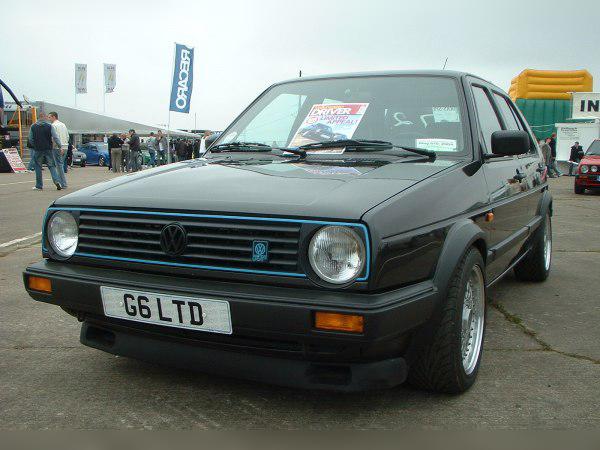
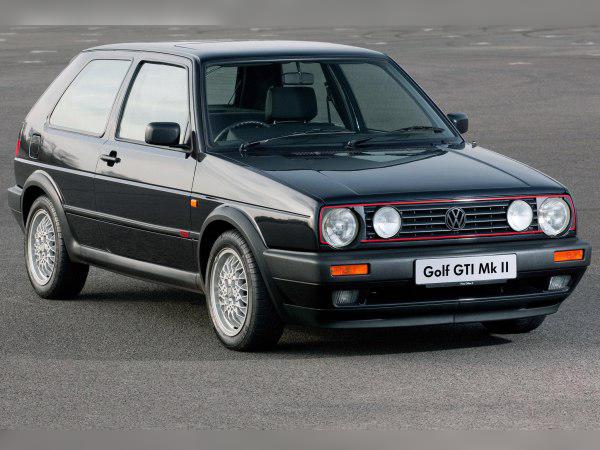
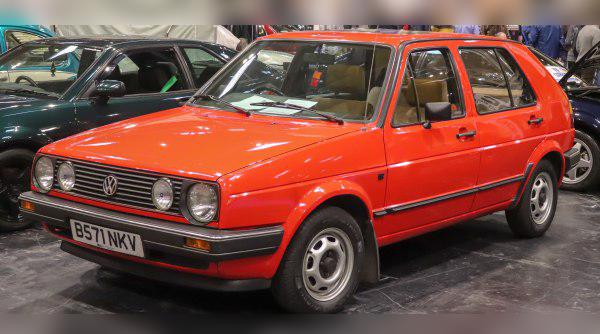
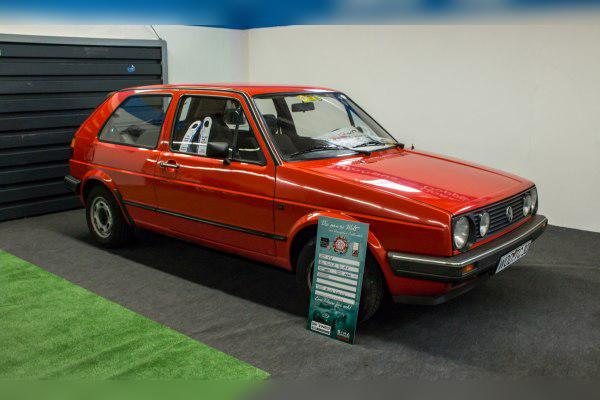
When you mention a reliable diesel engine, many experienced mechanics first think of the 1.6 D engine with the JP code. Installed in the Volkswagen Golf II (both pre- and post-facelift in 1987), this naturally aspirated diesel became synonymous with indestructibility. It was offered in 3- and 5-door versions and could be paired with 4- or 5-speed manual gearboxes, as well as a 3-speed automatic.
Although it has long been technologically outdated, this engine is important because it represents the pinnacle of simplicity. No ECU, no sensors that leave you stranded, it’s pure mechanics. Today it is mostly sought after by enthusiasts, classic car lovers or people who need a cheap workhorse for local driving.
Technical specifications
| Parameter | Value |
|---|---|
| Displacement | 1588 cc |
| Power | 40 kW (54 hp) |
| Torque | 100 Nm |
| Engine code | JP |
| Injection type | Indirect injection (pre-chamber), rotary Bosch pump |
| Turbo / NA | Naturally aspirated |
Reliability and maintenance
Timing belt or chain?
This engine uses a timing belt to drive the camshaft and Bosch pump. The system is very simple, but regular belt replacement is crucial. If the belt snaps, it causes severe catastrophic engine damage (valves hitting pistons).
Most common failures
The "JP" engine is incredibly reliable, but due to its age it does show certain weaknesses:
- Cracked cylinder head: This is the most serious failure. It usually happens due to overheating (faulty thermostat, coolant leak or faulty radiator fan). Symptoms include oil and coolant mixing (mayonnaise on the filler cap), rock-hard coolant hoses under pressure and loss of coolant.
- Fuel leaks on the Bosch pump: Due to age, the rubber seals in the rotary Bosch VE pump become hard and start leaking diesel. The driver will notice a diesel smell in the cabin, a damp pump and harder cold starts because the system draws in air.
- Worn glow plugs: As a pre-chamber engine, it heavily depends on glow plugs for cold starts. If one or two glow plugs fail, the engine will crank for a long time in winter, shake on startup and emit a cloud of white-grey smoke until it warms up.
- Oil leaks: Crankshaft and camshaft seals, as well as the valve cover gasket, often seep. This rarely leaves you stranded, but it does require topping up.
Major service interval
The major service (replacement of timing belt, tensioner and water pump) on these engines is typically done every 60,000 km or every 5 years. Parts for the major service fall into the not expensive category (depends on the market).
Engine oil: Quantity and grade
The engine takes about 3.5 litres of oil (including the filter). Considering the clearances and age of the design, mineral or semi-synthetic oil of grade 15W-40 or 10W-40 is recommended. Thinner oils (such as 5W-40) will be burned too quickly by this engine or will leak out through worn seals.
Oil consumption
Yes, this engine is allowed to consume some oil from the factory, and given that these engines have usually covered well over 400,000 km by now, consumption is to be expected. Oil consumption of around 0.2 to 0.5 litres per 1000 km is considered normal. If it uses more than 1 litre per 1000 km, the problem lies in worn piston rings or valve stem seals (the engine then emits bluish smoke from the exhaust, especially when accelerating after a downhill coast).
Injector lifespan and reliability
The injectors on this engine are mechanical and extremely simple (injectors with replaceable nozzles). They are incomparable to modern common-rail injectors. Their service life often exceeds 300,000 km. When the nozzles wear out, symptoms include "nailing" (a sharp metallic engine sound), black smoke under acceleration and reduced pulling power. Overhaul involves only replacing the injector nozzle, which is very cheap (depends on the market).
Specific parts and costs
Dual-mass flywheel
Good news: This engine does NOT have a dual-mass flywheel. It uses a conventional (solid) flywheel, which completely eliminates one of the most expensive maintenance items on modern diesels.
Injection system
The injection system is indirect, with fuel injected into a pre-chamber by a Bosch VE rotary high-pressure pump. The system is "indestructible" and extremely tolerant of poor fuel quality, and even of running on various alternative mixtures (which is not recommended, but shows how robust it is). The pumps are not mechanically problematic; as mentioned, they only suffer from hardening of the seals.
Turbocharger, DPF, EGR and AdBlue
This engine is a dream come true for anyone who hates modern emission systems:
- Turbocharger: None. This is a purely naturally aspirated engine.
- DPF filter: Not fitted.
- EGR valve: Not fitted on this model.
- AdBlue system: Not fitted.
Fuel consumption and performance
Real-world city consumption
Thanks to the low weight of the Golf II (around 900–950 kg) and the efficiency of the diesel cycle, city fuel consumption is between 5.5 and 6.5 l/100 km. This is a result that many modern hybrids would envy.
Is the engine "lazy"?
Absolutely. With only 54 hp (40 kW) and 100 Nm of torque, 0–100 km/h takes almost 19 seconds. The engine may be indestructible, but it is extremely "lazy". Every overtaking manoeuvre has to be carefully planned. If four people get into the car, uphill sections become a serious challenge where you often have to drop to second or third gear.
Behaviour on the motorway
This car is not meant for motorways. Although its top speed is around 145 km/h, driving at 130 km/h is pure torture. In that situation the engine is spinning at very high revs, cabin noise is deafening (you hear that characteristic diesel roar), and oil and fuel consumption increase dramatically. If you have the 4-speed version, at 130 km/h the engine is practically at the redline. A realistic and comfortable cruising speed for this engine is between 80 and 90 km/h (or around 100 km/h with the 5-speed gearbox).
Additional options and modifications
Chipping (Stage 1)
"Chip tuning" is not possible on this engine because it does not have an ECU. Injection is 100% mechanical. The only way to "tune" it is to mechanically turn the screw on the Bosch pump to increase the fuel quantity. This can give a slightly better throttle response (maybe 3–4 hp in subjective feel), but the car will leave a massive smoke screen (black smoke) behind it, and operating temperatures will be higher. Not recommended.
Gearbox: Manual and automatic
Types of gearboxes
The 1.6 D was offered with:
- 4-speed manual: The most basic variant. Reliable, but lacks a gear for relaxed open-road driving.
- 5-speed manual (gearboxes with designations like 4T): The most desirable option, significantly reduces noise and fuel consumption on the open road.
- Automatic (3-speed): A traditional hydraulic automatic. Reliable if maintained, but kills what little performance the engine has and drastically increases consumption (over 7.5 litres in the city).
Most common gearbox issues
With manual gearboxes, the gears themselves rarely fail, but the most common problem is the gear linkage (rods and joints). Plastic ball joints and bushings wear out, so the gear lever develops a huge amount of play (the driver has to "fish" for gears, especially first and reverse). Synchros on second gear also often fail, which manifests as grinding when shifting from first to second at higher revs. With the automatic gearbox, the main issue is lack of maintenance – if the oil has not been changed, the clutches inside the gearbox start to slip and gear changes become slow.
Clutch and costs
The clutch kit (pressure plate, disc, release bearing) is fitted on a solid flywheel. The price of the parts and replacement is in the very cheap range (depends on the market).
Gearbox servicing
For manual gearboxes, it is recommended to check the oil level and replace it (about 2 litres of 75W-90 oil) every 60,000 km. For the automatic gearbox, ATF oil and filter must strictly be replaced every 40,000 to 60,000 km to preserve the valve body and clutches.
Buying used and conclusion
What exactly should you check before buying?
Since these cars are several decades old, inspection requires a sharp eye and ear:
- Cold start (first start of the day): This is the most important test. The engine must be completely cold before starting. A healthy engine will fire up "on half a turn" after the glow plug light goes out, without long cranking and without a massive white smoke cloud. If it cranks for a long time and shakes, compression is poor or the system is drawing air.
- Coolant hoses: While the engine is at operating temperature, squeeze the upper thick hose going to the radiator. If it’s hard as a rock, the engine is building excessive pressure in the cooling system (blown head gasket or cracked head).
- Sound: Listen to how it runs. You should hear an even, rhythmic "clatter" of an old diesel. Any uneven knocking or misfiring is a sign of injector or valve problems.
- Bodywork (suspension mounts and structure): Forget diagnostics, there is no OBD port here. The biggest enemy of this car is rust. Carefully inspect the sills, floor, wheel arches and rear shock absorber mounts (they often rot through, so the shock absorber ends up in the boot).
Conclusion: Who is it for?
The Volkswagen Golf II 1.6 D (JP) is not for people who cover large motorway mileages, nor for those who seek comfort and safety in modern traffic. This is a car (and engine) made for people who need an indestructible, extremely cheap machine to get from point A to point B on local and rural roads, or for enthusiasts who want to restore an icon of the automotive industry. If you find an example with solid bodywork and a well-maintained engine, it will serve you for years with maintenance costs comparable to those of a bicycle.