Volvo 2.0 T6 B4204T29 (310 hp) – Experiences, issues, fuel consumption and used-car buying tips
- Extremely complex engine: uses both a supercharger and a turbocharger to eliminate turbo lag.
- Maintenance is very expensive (Depends on the market), as it requires strict adherence to service intervals and highly specific oil (0W-20).
- No dual-mass flywheel or manual gearbox – it is paired exclusively with the reliable Aisin 8-speed automatic.
- The timing belt, not a chain, drives the valvetrain, which requires regular major services.
- LPG (autogas) conversion is absolutely not recommended due to direct injection and the complex forced-induction system.
- Excellent performance even in heavy SUV models (XC90), but with higher fuel consumption in city driving.
Contents
- Introduction: Four cylinders replacing a V6
- Technical specifications
- Reliability and maintenance
- Specific parts and costs
- Fuel consumption and performance
- Extras: LPG and remapping
- Gearbox and drivetrain
- Buying used and conclusion
Introduction: Four cylinders replacing a V6
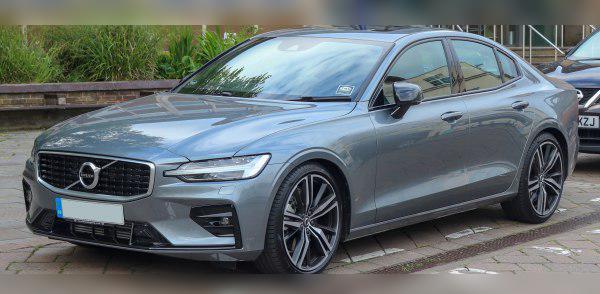
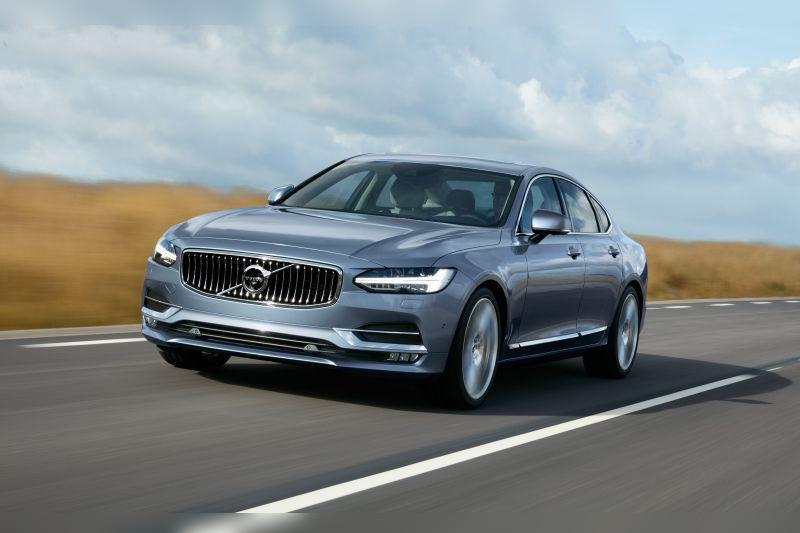
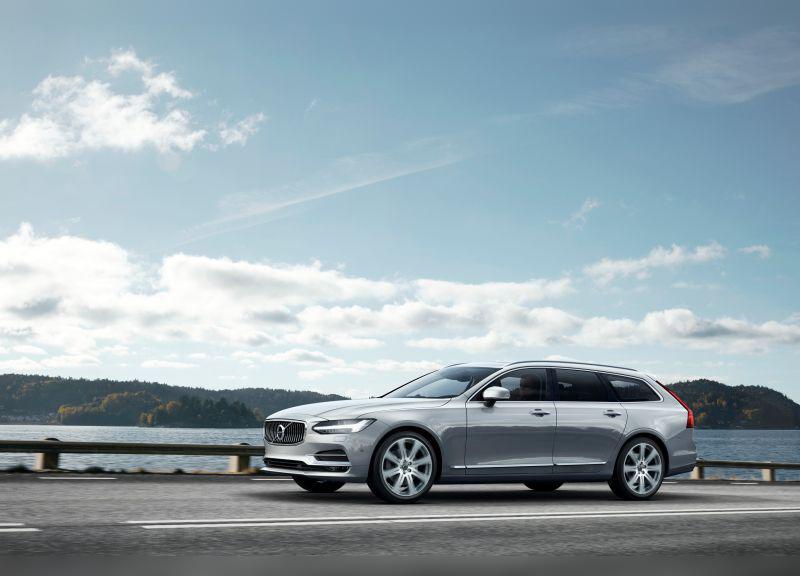
The engine designated B4204T29 is part of Volvo’s renowned VEA (Volvo Engine Architecture) family, also known as the Drive-E generation. When Volvo decided to discontinue its inline five- and six-cylinder engines, engineers had to extract over 300 horsepower from a displacement of just under two liters in order to power heavy flagships like the XC90 and V90 Cross Country.
The result is the T6 powertrain that combines the best of both worlds: a mechanical supercharger that pushes air at low revs and a conventional turbocharger that takes over at higher revs. This technical masterpiece offers linear acceleration similar to large naturally aspirated engines, but it also brings a serious dose of complexity under the hood.
Technical specifications
| Parameter | Data |
|---|---|
| Displacement | 1969 cc (2.0L) |
| Power | 228 kW (310 hp) |
| Torque | 400 Nm (at 2200 - 5100 rpm) |
| Engine code | B4204T29 |
| Injection type | Direct injection (GDI) |
| Charging system | Twincharged (Mechanical supercharger + Turbocharger), Intercooler |
Reliability and maintenance
Timing belt or chain?
Unlike many competitors (BMW, Mercedes) that use timing chains in their two-liter engines, this Volvo engine has a timing belt. The factory replacement interval is often set optimistically (around 150,000 km), but real-world experience and mechanics’ advice say that the major timing service should be done at 100,000 to a maximum of 120,000 km or every 5 to 7 years. A snapped belt leads to total engine failure (valves hitting pistons), and repairs are very expensive (Depends on the market).
Most common faults and weak points
Although the engine block itself is extremely robust, the peripherals can cause headaches. The most common issues include:
- PCV system (crankcase ventilation): The oil separator membrane can tear, leading to increased oil consumption, rough idle and a whistling noise from the engine area.
- Supercharger clutch: The supercharger is engaged via an electromagnetic clutch (similar to an A/C compressor). Over time, the bearings can fail, which manifests as whining or grinding noises when you apply throttle from low revs.
- Spark plug porcelain cracking: Due to the enormous pressure in the combustion chamber, if spark plugs are not replaced on time or are over-tightened, the porcelain can crack and fall into the cylinder, causing catastrophic damage to cylinder walls and pistons.
Engine oil and consumption
This engine takes about 5.9 liters of oil. The manufacturer strictly specifies synthetic oil of grade 0W-20 (standard VCC RBS0-2AE). Do not experiment with thicker oils (such as 5W-30) because the lubrication channels for the turbo and supercharger are extremely narrow. Normal oil consumption is considered to be around 0.3 to 0.5 liters per 10,000 km, especially if you often drive aggressively or spend long periods at high revs on the motorway. If it uses more than a liter over a few thousand kilometers, the problem is most likely in the PCV valve or, more rarely on this engine revision, in the oil control rings.
Spark plugs and ignition
Since this is a petrol engine, the spark plugs are under huge stress. The rule is to replace them strictly at 60,000 km, and if you drive hard, it is advisable to shorten the interval to 45,000 km. Use only original (OEM) Volvo plugs or top-quality NGK/Denso equivalents specified by VIN.
Specific parts and costs
Dual-mass flywheel and injection system
The good news is that this engine, given that it comes exclusively with an automatic gearbox, does not have a conventional dual-mass flywheel and clutch. Power is transmitted via a hydraulic torque converter, which is a much more durable solution.
The injection system is direct (GDI). Injectors rarely fail mechanically, but due to direct injection, carbon buildup on the intake valves forms over time. Symptoms include reduced performance, slight hesitation on cold start and increased fuel consumption. Intake de-carbonization (walnut blasting) is recommended every 80,000 to 100,000 km. The cost of this service is moderately high (Depends on the market).
Turbocharger and supercharger (twincharged system)
As mentioned, the engine has both. Their service life is generally excellent if you change the oil regularly. The turbocharger easily exceeds 200,000+ km, while the supercharger occasionally requires belt replacement and inspection of the aforementioned electromagnetic clutch. Failures of the forced-induction hardware itself are rare, but when they do occur, repairs are very expensive (Depends on the market) due to difficult access and the large number of pipes and sensors that must be removed.
EGR, DPF and AdBlue
Since this is a petrol engine, it does not have an AdBlue system or a conventional diesel DPF filter. It does have an EGR valve, but it rarely causes problems compared to diesels. However, models produced after 2018 (to meet Euro 6d-TEMP standards) are equipped with a GPF (Gasoline Particulate Filter). GPFs clog far less often than DPFs, because petrol engines run at much higher exhaust gas temperatures, so passive regeneration occurs automatically during normal driving.
Fuel consumption and performance
City driving
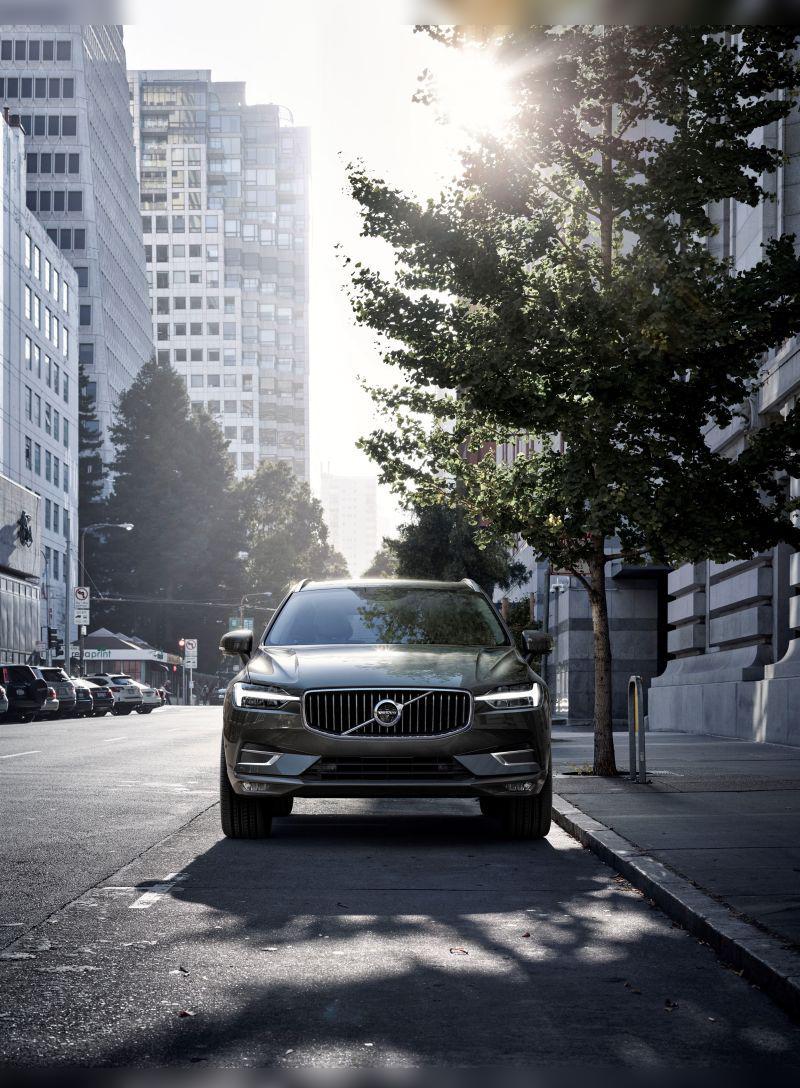
With 310 hp and 400 Nm, this engine is anything but sluggish, even in the mammoth Volvo XC90 that weighs over two tons. The supercharger eliminates turbo lag from a standstill, so the car launches hard off the line. However, that weight and power come at a price. Real-world consumption in stop-and-go city traffic ranges between 11 and 14 l/100 km. In lighter models such as the S60 or V60, consumption is about one to two liters lower.
Motorway cruising
On the open road this powertrain shines. Thanks to the 8-speed gearbox, at 130 km/h the engine is “sleeping” at a comfortable and quiet around 2,000 to 2,200 rpm. Motorway consumption ranges from 7.5 l/100 km (S60) to about 9.5 l/100 km (XC90 due to its shape and aerodynamics). Overtaking on country roads is instant and safe.
Extras: LPG and remapping
LPG (autogas) conversion
Short and clear answer: Not recommended. This is an engine with direct injection, variable valve timing, a supercharger and a turbo. Yes, there are expensive liquid LPG injection systems on the market, but the risk of melting pistons, damaging petrol injectors (which must occasionally inject petrol so they don’t overheat) and software glitches is simply too high. If you want to save on fuel, buy a Volvo with a D4 engine, not a T6.
Remapping (Stage 1)
Mechanically, the engine can handle an increase in power. A Stage 1 remap usually yields 330 - 340 hp and around 440 Nm of torque. Software optimization often provides smoother operation. However, you must be careful because of the gearbox. The Aisin TG-81SC is rated at approximately 450 to 480 Nm. Anything above that will dramatically shorten the service life of the torque converter and the friction clutches in the gearbox.
Gearbox and drivetrain
The B4204T29 engine comes exclusively with the Aisin AW TG-81SC 8-speed automatic gearbox, paired with a Haldex AWD all-wheel-drive system. A manual gearbox was not offered in any market.
Automatic gearbox issues and maintenance
Aisin gearboxes are world-renowned for their longevity, but only if they are maintained. The most common problem is harsh shifting (jerking) when engaging from “P” into “D” or “R”, as well as a harsh shift from second to third gear. In 90% of cases this is caused by dirty oil clogging the valves in the valve body. Replacing the valve body is a costly repair (Depends on the market).
To prevent this, gearbox servicing and oil changes must be done every 60,000 to 80,000 km. Volvo dealers often claim that the gearbox oil lasts for the “lifetime” of the car, which experienced mechanics and Aisin engineers strongly deny. As for the Haldex all-wheel-drive system, oil replacement and cleaning of the pump filter on the rear differential should be carried out every 60,000 km.
Buying used and conclusion
What to check when buying?
- Cold start: The engine should fire up instantly and run smoothly at a slightly elevated idle. Any rattling or rough running indicates a problem with fuel pressure or deposits on the valves.
- Supercharger noise: Press the accelerator sharply while the car is stationary. There should be no metal scraping or loud whining at low revs.
- Oil condition: Pull out the dipstick (on newer models it is checked electronically, but you can visually inspect it under the hood) and look for traces of soot and a petrol smell in the oil.
- Service history: This is the most important point. A car without meticulously documented maintenance, especially engine oil changes (every max 15,000 km, not the prescribed 30,000 km) and gearbox services, is a ticking time bomb.
Final conclusion
The 2.0 T6 (310 hp) engine with the B4204T29 code is not for those looking for cheap transportation. It is intended for drivers who want impressive performance and top-notch safety of Scandinavian saloons and SUVs, along with cabin quietness that a diesel simply cannot offer. There will be fewer breakdowns than with some German competitors, but only if you treat the mechanicals with respect. If you find an example with a clear maintenance history and factor in the cost of regular gearbox services, timing belt replacement and de-carbonization, you will get a fascinatingly fast and safe car.