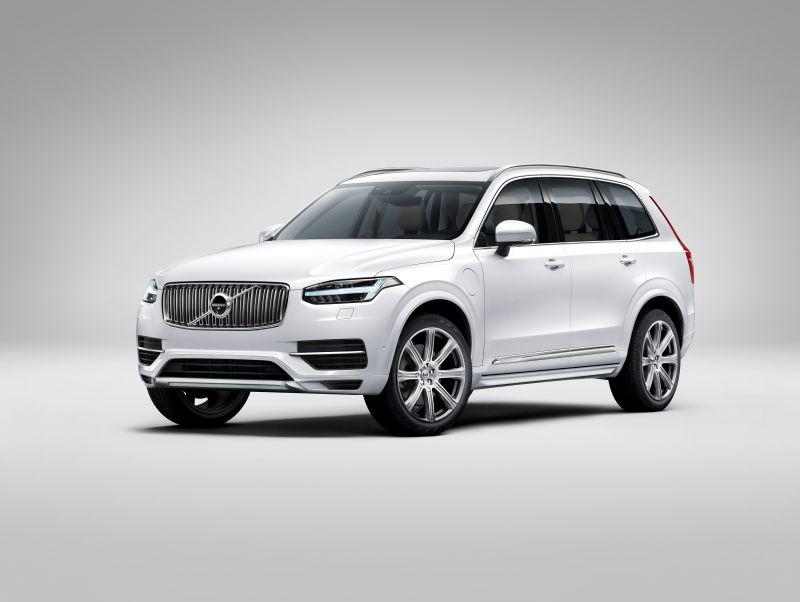
Volvo B4204T34 2.0 T8 PHEV (303 hp): Experiences, issues, fuel consumption and used car buying tips
- System complexity: The engine uses both a supercharger and a turbocharger, plus an electric motor. Excellent performance, but potentially very expensive maintenance once out of warranty.
- Regular maintenance: Extremely sensitive to oil quality. Requires exclusively 0W-20 grade oil and frequent services.
- Fuel consumption: Brilliantly low in the city if you charge the battery, but quite high on the open road with an empty battery, considering the weight of the body.
- Specific failures: Supercharger clutch play, carbon buildup on intake valves and software issues when switching from electric to petrol drive.
- Buying used: Buying without a thorough inspection at an authorized or specialized Volvo service using original VIDA diagnostics is absolutely not recommended.
Contents
- Introduction: The heart of Volvo Recharge and T8 Twin Engine models
- Technical specifications
- Reliability and maintenance
- Specific parts and costs
- Fuel consumption and performance
- Additional options and modifications
- Transmission and drivetrain
- Buying used and conclusion
Introduction: The heart of Volvo Recharge and T8 Twin Engine models
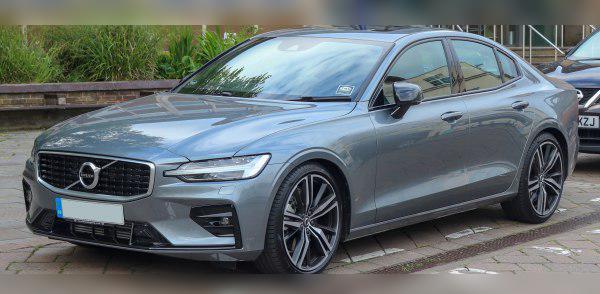
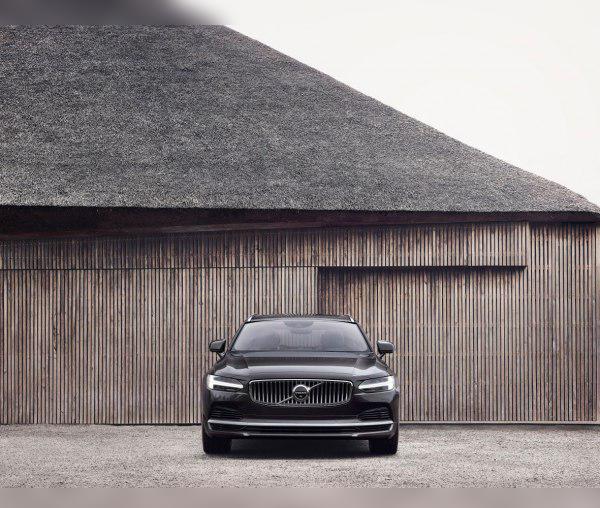
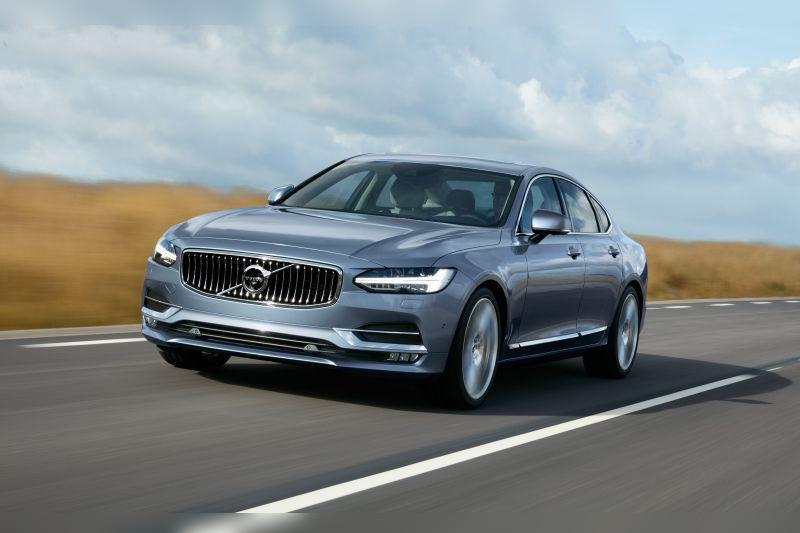
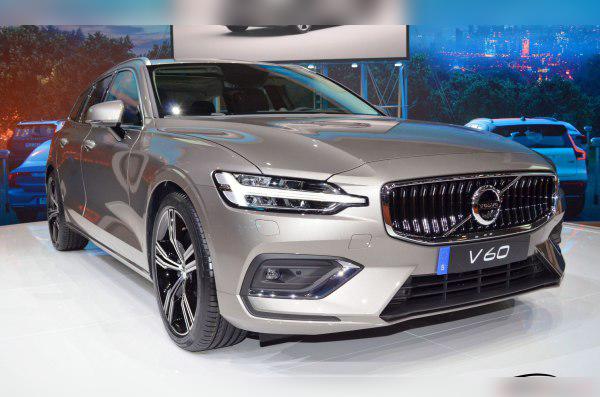
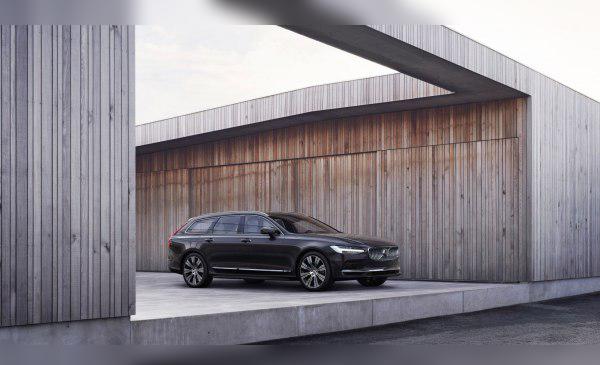
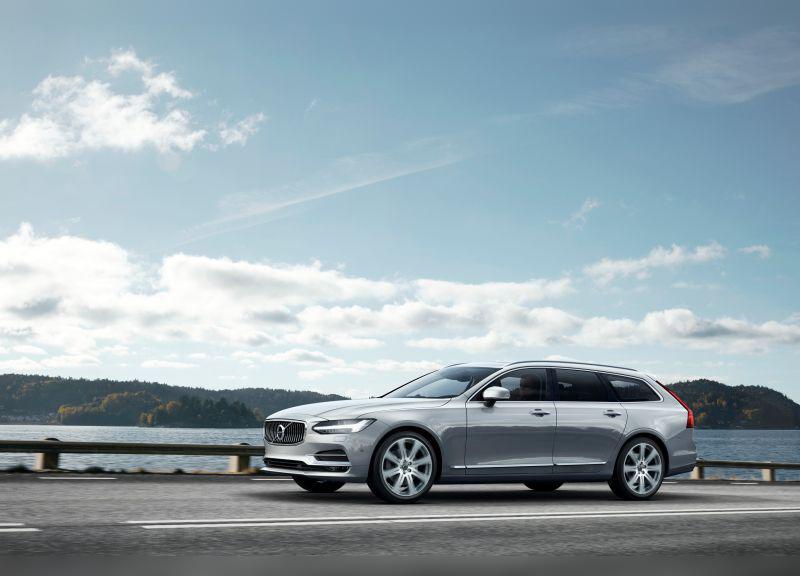
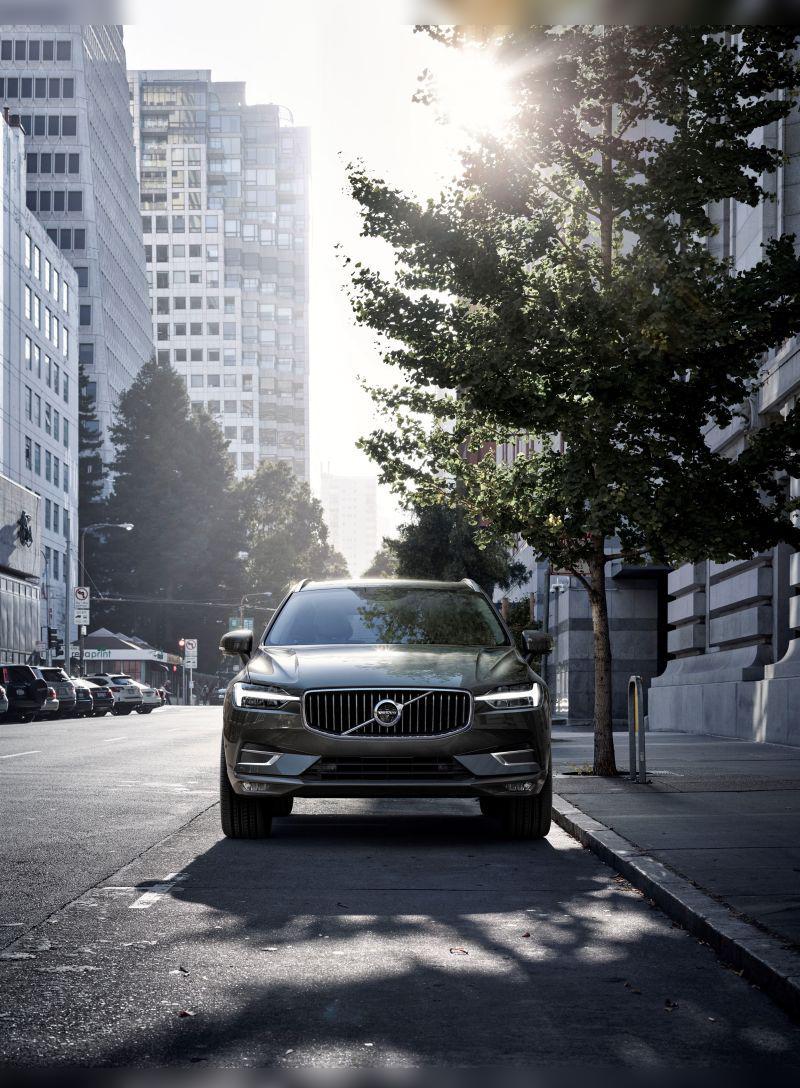
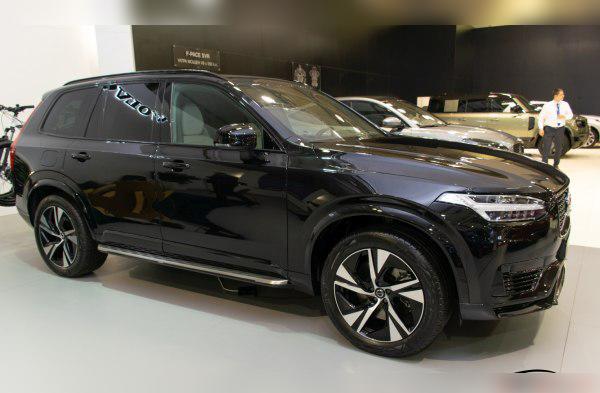
The engine designated as B4204T34 represents the pinnacle of Volvo’s Drive-E architecture. It is a 2.0-liter four-cylinder petrol engine that delivers 303 hp (223 kW), but its real strength lies in synergy with the electric motor, forming the well-known T8 Twin Engine (or in newer generations Recharge) plug-in hybrid system with a combined output of around 390 hp. This powertrain is installed in heavyweights and high-class sedans: from the S60 and V60, through the S90 and V90, all the way to the most popular SUV models, the XC60 and XC90.
Why is this engine important? Volvo boldly phased out 5- and 6-cylinder engines, replacing them exclusively with 2.0-liter four-cylinders. To compensate for the smaller displacement and still offer performance worthy of the premium segment, engineers bolted absolutely everything onto this block: a supercharger for low revs, a classic turbocharger for high revs, plus the hybrid system. The result is a technological marvel, but for mechanics and used car owners it is a system that demands enormous attention.
Technical specifications
| Specification | Data |
|---|---|
| Engine displacement | 1969 cc |
| Power (ICE engine) | 223 kW (303 hp) |
| Torque (ICE engine) | 400 Nm |
| Engine code | B4204T34 |
| Injection type | Direct injection (GDI) |
| Charging system | Supercharger + turbocharger with intercooler |
| Fuel type | Petrol / Plug-in Hybrid (PHEV) |
Reliability and maintenance
When you open the hood of a model with this engine, the first thing you’ll notice is the lack of space. The engine architecture relies on a timing belt. Although the manufacturer states a replacement interval of up to 150,000 km in some manuals, any experienced mechanic will tell you that the major service should be done at a maximum of 100,000 to 120,000 km, or every 5 years. A snapped belt leads to valve-to-piston contact, which on an engine like this means extremely expensive damage (depends on the market).
This unit takes about 5.6 to 6 liters of oil. You must not experiment with viscosity; the only approved oil is 0W-20 that meets the strict Volvo VCC RBS0-2AE standards. Due to the presence of both a supercharger and a turbocharger, lubrication quality is critical. As for oil consumption, under normal conditions it should not use more than 0.2 to 0.3 liters per 1000 km. Any consumption above 0.5 liters between services may indicate a problem with the oil control rings or the turbocharger itself.
The most common issues with this engine stem from its complexity. The supercharger system, which is active at lower revs to avoid turbo lag, has its own clutch and bearings that develop play over time, manifesting as rattling or whining under acceleration. As this is a direct-injection petrol engine operating in a plug-in hybrid setup, the engine often starts and stops “cold” while driving. This rapidly wears out the spark plugs, so they must be replaced every 60,000 km, although it’s not a bad idea to check them earlier if the engine starts to jerk when switching from electric to petrol drive.
Specific parts and costs
Due to its hybrid nature paired with an automatic transmission, there is no classic dual-mass flywheel as seen on manual diesels; instead, the transmission uses a torque converter adapted to the hybrid system with a complex assembly for damping engine vibrations. However, what can be problematic are the engine mounts, which endure enormous forces, and their replacement is expensive (depends on the market).
The fuel injection system is direct, which means the fuel does not wash the intake valves. Over time (usually after 100,000 km), carbon deposits build up on the valves. Symptoms include rough idle, loss of power and increased fuel consumption. The injectors are generally of good quality but sensitive to poor fuel, so it is recommended to occasionally use additives for cleaning petrol injection systems.
This engine has an impressive but complicated forced induction system: both a turbocharger and a mechanical supercharger. The supercharger works at low revs, while the turbo takes over at higher revs. The turbo’s lifespan, depending on driving style and oil change intervals, generally exceeds 200,000 km with proper maintenance. If it fails, rebuilding or replacement is very expensive (depends on the market), and the removal and installation work is extremely demanding.
Since this is a petrol engine, it does not have a DPF filter or AdBlue system, which regularly give diesel drivers headaches. However, it does have an EGR valve for NOx emissions control, which can clog due to the specific pattern of cold starts. Also, newer iterations of this engine (from the Euro 6d standard onwards) may be equipped with a GPF (gasoline particulate filter), although these are significantly less problematic than their diesel counterparts.
Fuel consumption and performance
When it comes to fuel consumption on Volvo T8 engines, the answer is always: “It depends on how often you plug it in.” Real-world consumption in city driving with a charged battery can be from 0 to 2 l/100 km. However, once the battery is depleted and the ICE engine has to move more than 2 tons on its own (especially in the XC90), city consumption easily exceeds 11–13 liters per 100 km.
Is the engine sluggish? Absolutely not. With 303 hp from the ICE engine and an additional punch of around 400 Nm from the electric motor delivered in an instant, throttle response is brutal and immediate. Cars equipped with this engine, despite their weight, often accelerate from 0 to 100 km/h in about 5 seconds.
On the motorway, the B4204T34 behaves like a gentleman. The automatic transmission has 8 gears, allowing the engine to “cruise” at 130 km/h at a low 2000–2200 rpm. Fuel consumption on the motorway, where the hybrid system helps the least, is around 8.5 to 10 l/100 km, depending on the model’s aerodynamics (a V60 will use less than a bulky XC90).
Additional options and modifications
A common question from those looking to save money is: Is the B4204T34 suitable for LPG conversion? The answer is a resounding no. Direct injection, high compression, a supercharger, a turbocharger and plug-in hybrid electronics make an LPG conversion a technical nightmare. Systems that could even attempt to cope with these parameters are outrageously expensive, and the engine will never run 100% smoothly. This car simply was not designed for LPG installations.
As for chiptuning (Stage 1), the petrol engine itself has potential. Volvo offered a factory Polestar Engineered optimization. On the aftermarket, with software modifications (Stage 1), the petrol engine’s power can be raised from 303 hp to around 330–340 hp. However, great caution is advised. Hybrid management and power delivery are tightly calibrated between the ICE engine and the electric drive. An inadequate remap can cause jerking when switching drive sources and lead to premature transmission failure.
Transmission and drivetrain
There is no manual transmission option with the B4204T34 engine. All models are equipped with the Japanese Aisin 8-speed automatic transmission (Geartronic). This gearbox is known for its exceptional smoothness and generally good reliability, under one key condition – regular maintenance.
Although official Volvo service centers often claim that the transmission oil is “lifetime”, any serious automatic transmission specialist will insist that the transmission service and oil change be done every 60,000 to 80,000 km. The best method is dynamic flushing. If the oil is not changed, the most common issues include jerks when shifting from “Drive” to “Reverse”, as well as harsh engagement when the petrol engine suddenly starts while driving and connects to the gearbox. Inside the transmission there is a special clutch pack responsible for power transfer in hybrid mode; its wear due to old oil can cause transmission slip, leading to astronomical repair costs (very expensive, depends on the market).
Buying used and conclusion
Buying a used car with the B4204T34 engine is not a task for amateurs. When inspecting a car, here is exactly what you need to pay attention to:
- Noise symptoms: Open the hood and ask someone to gently rev the engine. Listen around the alternator and supercharger area. Any rattling, grinding or scraping noises indicate a worn supercharger clutch.
- Test drive (Drive transition): Switch the car from pure electric mode (Pure) to maximum performance mode (Power) at a speed of around 40–50 km/h. The transition from electric to petrol drive must be absolutely seamless and instantaneous. Any “kick” in the back or delay is a sign of issues with the software, engine mounts or transmission.
- Electric drive (ERAD): The electric motor is located on the rear axle on these models. Listen to the rear end while driving. A whining noise from the back may indicate problems with the rear electric motor bearings, which is a known weakness on some Volvo T8 series.
- VIDA diagnostics: Do not buy this car before someone checks it with official Volvo VIDA software. Generic OBD diagnostics will not read hybrid system faults or voltage drops in battery cells.
Conclusion: Who is this engine for? It is intended for people with deeper pockets who can charge the vehicle at home or at work, so they can enjoy silence and minimal consumption in the city, while seeking power and confidence for overtaking on the open road. The B4204T34 offers superior performance, cutting-edge technology and incredible acceleration. However, it is not recommended for drivers looking for cheap maintenance or those planning to skip regular services. This is a highly sophisticated machine; it gives a lot, but demands flawless and far from cheap maintenance.