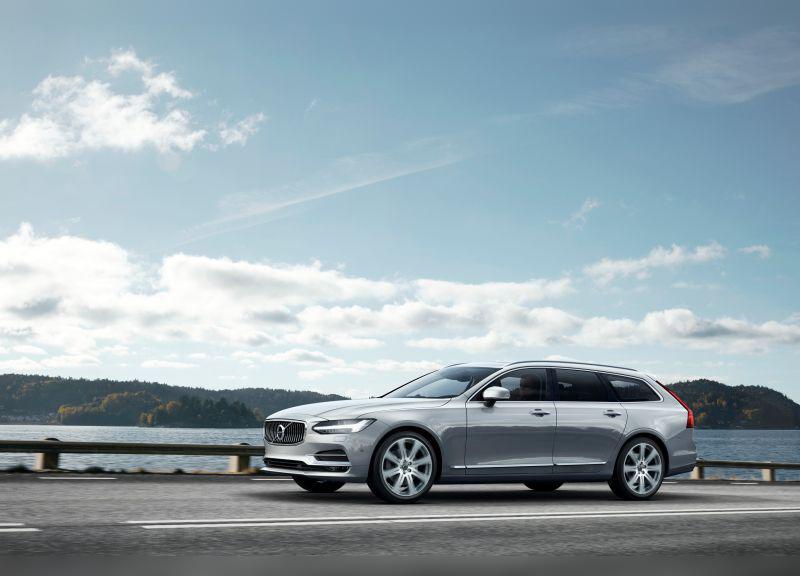
Volvo 2.0 D3 D4204T16 (150 hp) engine: Experiences, problems, fuel consumption and used car buying tips
Key points (TL;DR)
- Balanced reliability: Significantly improved 2.0 VEA (Volvo Engine Architecture) platform, quieter and more refined operation compared to the old five‑cylinder units.
- Timing belt: The engine uses a timing belt, the major service is done at around 150,000 km.
- Emissions and city driving: Sensitive EGR valve and DPF filter – this engine requires regular highway driving; in the city it “chokes” its own breathing passages.
- AdBlue system: Present on newer Euro 6 variants, the pump and sensors can cause headaches and lead to high repair costs.
- Automatic gearbox: The excellent Aisin gearboxes require mandatory oil changes every 60,000 to 80,000 km at most.
- Tuning potential: Although it has “only” 150 hp in the stock map, it responds very well to a Stage 1 remap, where it gains a serious power increase.
Contents
- Introduction
- Technical specifications
- Reliability and maintenance
- Specific components (costs)
- Fuel consumption and performance
- Additional options and modifications
- Gearbox
- Buying used and conclusion
Introduction
The engine with the code D4204T16 is the heart of many modern Volvo models and represents an extremely important part of their lineup from 2016 to today. It is a two‑liter, four‑cylinder diesel unit from the new VEA engine series with 110 kW (150 hp), which carries the D3 designation. We said goodbye to the well‑known, loud sound of Volvo’s five‑cylinder engines, and in return we got quieter, smoother operation and better efficiency.
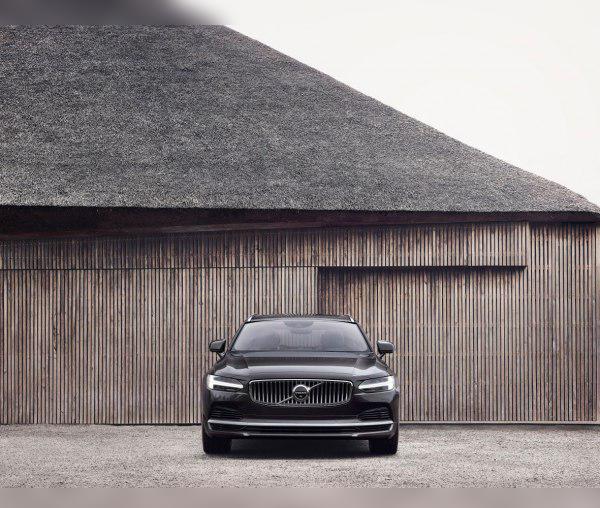
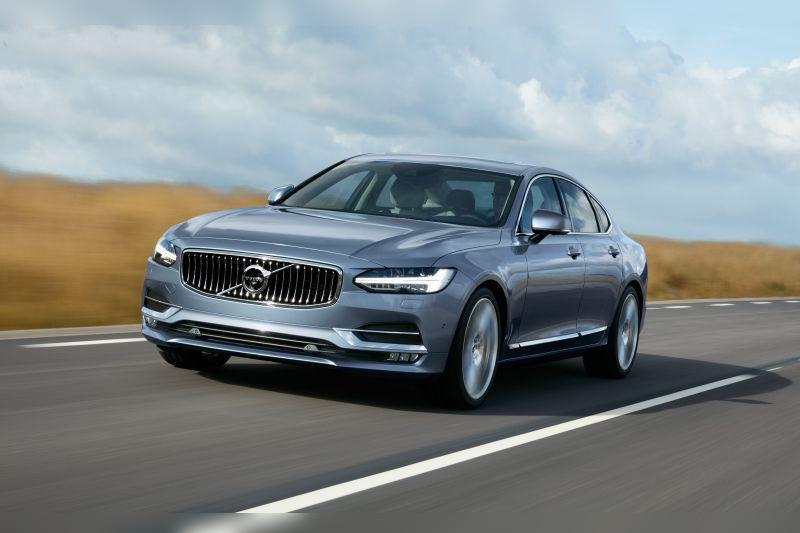
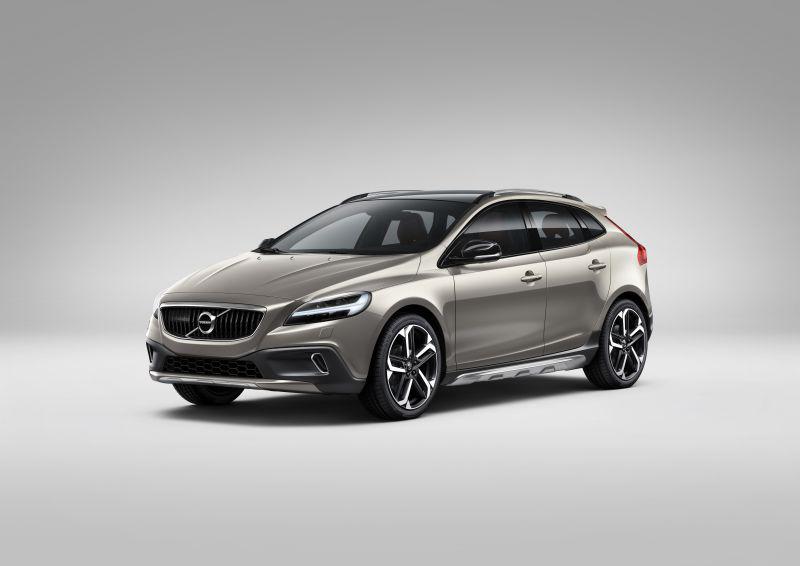
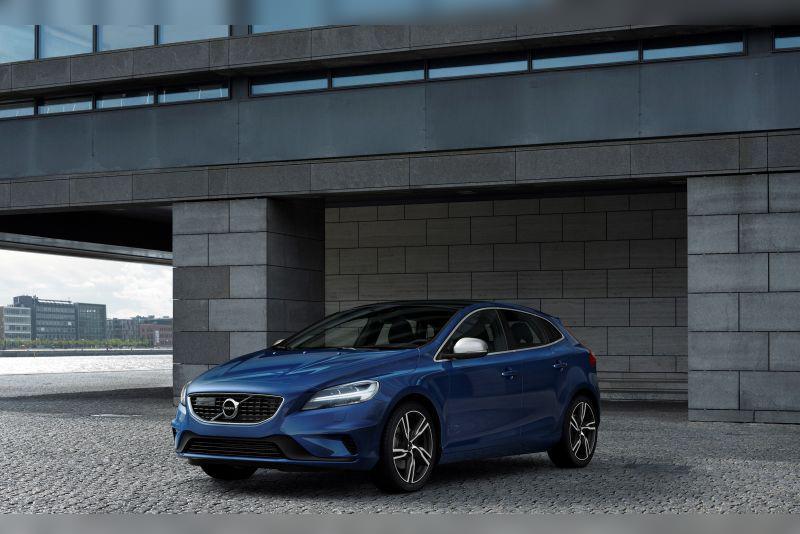
This unit was installed across the brand’s entire range, from the compact V40 and V40 Cross Country, through the popular XC40 and V60, all the way to the largest sedans and estates such as the S90 and V90. Although the engine architecture is the same on all platforms, the driving experience and the durability of components largely depend on the weight of the body it is fitted into and on driving style. We are dealing with an engine that is excellent for long‑distance drivers, but it has its “bugs” if you treat it purely as a car for short trips.
Technical specifications
| Parameter | Specification |
|---|---|
| Displacement | 1969 cc |
| Power | 110 kW (150 hp) |
| Torque | 350 Nm |
| Engine code | D4204T16 |
| Injection type | Common Rail (Denso i-ART) |
| Intake (charging) | Turbocharger (VGT), intercooler |
Reliability and maintenance
Timing belt or chain?
This engine uses a timing belt to drive the camshafts. This is actually a relief for many owners compared to modern engines where the chain often stretches and snaps. On VEA engines the timing system is generally reliable if serviced on time.
Service intervals and major service
The official interval for the major service according to the manufacturer is often overly optimistic (in some older manuals even up to 240,000 km), but based on real‑world experience, you should not take that risk. The timing belt with the complete set of rollers, tensioner and water pump should be replaced at a maximum of 150,000 km or every 8 to 10 years. A snapped belt leads to a catastrophic collision of valves and pistons on the crankshaft, and the repair is extremely expensive (depends on the market).
Engine oil: capacity and specifications
This engine takes about 5.2 liters of engine oil. Volvo is very specific here and insists on a very rare 0W-20 grade oil (Volvo VCC RBS0-2AE specification). Using thicker oils such as 5W-30 can lead to problems with hydraulic lifters, turbo lubrication and damage to the oil pump due to the very narrow oil channels inside the block.
A small amount of oil consumption is completely normal. Between two services (which should be done every 10,000 to a maximum of 15,000 km), the engine will consume around 0.3 to 0.5 liters of oil, especially if you drive harder on the motorway. Anything over 1 liter per 10,000 km indicates a potential problem with the turbocharger or valve stem seals.
Injection system: injectors (i-ART system)
The Volvo D4204T16 uses a highly advanced Denso i-ART (Intelligent Accuracy Refinement Technology) injection system. Unlike classic Common Rail systems where there is one pressure sensor in the rail, here each injector has its own integrated pressure sensor and microprocessor. This enables perfect atomization, quiet running and lower fuel consumption.
How do they hold up? They generally last over 200,000 to 250,000 km without issues, provided you use quality fuel and regularly replace the fuel filter. When (and if) they fail, the symptoms are rough idle, ticking under acceleration and black smoke from the exhaust (until the DPF muffles it). The bad news: replacing i-ART injectors is very expensive (depends on the market) and requires expert coding when installing.
Most common failures
Among the known issues on this engine, the EGR valve system and its cooler stand out. Coolant (antifreeze) leaks around the EGR cooler are common. In addition, due to city driving the EGR valve easily clogs with soot, which leads to jerking at low revs and a Check Engine light. Also, sensors on the exhaust system (O2 sensors, exhaust gas temperature sensors) occasionally fail.
Specific components (costs)
Turbocharger
This engine carries the D3 badge and, unlike the more powerful D4 model which has two turbos (bi‑turbo), the D4204T16 has only one variable‑geometry (VGT) turbocharger. This is actually an advantage for long‑term reliability because you have one less potential failure point (and there are no infamous PowerPulse hoses that burst on D5 versions). The service life of the VGT turbo is excellent, exceeding 250,000 km with regular oil changes and without switching the engine off abruptly after long motorway runs.
EGR, DPF and AdBlue system
As mentioned, the DPF and EGR are always at risk in urban environments. The DPF filter on this engine generally works well, but it must be allowed to regenerate. If you drive the car exclusively on short city trips (from traffic light to traffic light), the cleaning process is interrupted, the oil level in the sump can rise due to diesel dilution, and replacing a clogged DPF filter is extremely expensive (depends on the market).
AdBlue (SCR system): Newer revisions of this engine, especially from 2018 onwards (Euro 6d-TEMP), require AdBlue fluid for NOx treatment. This system is very sensitive. Problems with the heater inside the AdBlue tank, the pump or the NOx sensors themselves are common. In the worst‑case scenario, the entire tank together with the pump has to be replaced, which is costly (depends on the market). Maintenance comes down to filling with fresh, clean AdBlue and not letting the tank run completely dry in severe sub‑zero temperatures (because of crystallization).
Dual‑mass flywheel
Yes, manual versions have a classic dual‑mass flywheel (DMF). Its purpose is to absorb the torsional vibrations of the diesel engine. Symptoms of wear include strong knocks (clunking) when starting/stopping the engine, vibrations on the clutch pedal and shuddering when moving off. Replacing the clutch kit together with the dual‑mass flywheel is quite expensive (depends on the market). If you are buying a car with more than 180,000 km, there is a high chance this expense is coming soon.
Fuel consumption and performance
City driving and consumption
Real‑world city fuel consumption varies with vehicle weight. In the Volvo V40 you can expect around 6.5 to 7.5 liters per 100 km, while in significantly heavier and less aerodynamic models such as the XC40, S90 or V90, stop‑and‑go city driving can easily exceed 8.5 to 9 liters per 100 km.
Weight vs. engine “sluggishness”
This brings us to the key point: how do these 150 hp cope with the mass? In smaller models (V40 and even V60), this engine is quite agile, responsive to throttle input and offers very good driving dynamics (it has a solid 350 Nm). On the other hand, if you buy it in an S90 or V90 (which easily tip the scales at over 1.8 tons), the engine is indeed a bit “sluggish”. When moving off from a standstill, you can feel it has to work hard. Plan overtakes in advance because it doesn’t have the explosive punch that the D5 offers. These larger models with the D3 engine are built for relaxed, “pensioner‑style” cruising, not for street racing.
Motorway and cruising
Thanks to excellent gearboxes, the engine shines on the motorway. With the 8‑speed automatic, at 130 km/h the engine “snoozes” at a low around 2,000–2,100 rpm, which results in fantastic cabin quietness and low fuel consumption of about 5.5 to 6 l/100 km.
Additional options and modifications
Can the engine be safely tuned (Stage 1), and how much?
This unit (D3) is one of the most rewarding engines on the market for a Stage 1 remap. Why? Because the mechanical base of this engine is almost identical to the D4 version which leaves the factory with 190 hp. With smart, safe “chipping” (software increase of turbo pressure and injection), this engine can be taken to around 190 to 200 hp, with torque increased to about 400 to 420 Nm.
This modification completely transforms the character of heavier vehicles (S90/V90/XC40) for the better; overtaking becomes much safer, while under normal driving fuel consumption remains the same. Both manual and automatic gearboxes can handle this torque in stock form without issues, provided you don’t abuse it with hard launches in first gear.
Gearbox
Types of gearboxes and reliability
The cars were fitted with a 6‑speed manual and an 8‑speed automatic (Aisin-Warner TG-81SC), better known in the Volvo world as “Geartronic”. In some older pre‑facelift versions you can also find a 6‑speed automatic (especially on the V40).
The manual gearboxes are virtually indestructible, but they do require replacement of the clutch kit and dual‑mass flywheel. The most common failure on manuals is actually premature failure of the clutch slave cylinder.
Automatic gearbox and servicing
The 8‑speed Aisin is a top‑class Japanese gearbox. This model does not have a classic dual‑mass flywheel, but a torque converter. However, it is extremely sensitive to dirty oil in the system.
The problem: In authorized Volvo service centers the oil in the gearbox is often declared “lifetime” (no change required), which is a huge mistake and leads to destruction of the hydraulic solenoids. Symptoms of clogged and degraded oil in the gearbox are jerks when shifting from ‘P’ to ‘D’ or ‘R’, and harsh shifts (thumps) when downshifting from third to second gear.
The solution: The oil in the automatic gearbox MUST be changed regularly. The recommended interval for flushing the gearbox is 60,000 to 80,000 km. The cost of servicing the gearbox is not small, but repairing a destroyed gearbox is very expensive (depends on the market).
Buying used and conclusion
What exactly should you check before buying?
- Cold‑start noises: At the first, morning start, open the bonnet. Listen to the side where the timing belt is (passenger side of the block). Any squealing of rollers or rustling noises means it’s time for a major service.
- Test drive of the automatic: Test the automatic gearbox when the oil is completely cold, and again when the car reaches operating temperature (only after half an hour of driving). If you notice even the slightest jerk when shifting up or down, walk away from that car or negotiate a major price reduction.
- EGR/DPF symptoms: Engine jerking at steady, low revs around 1500–1800 rpm in third or fourth gear is a sign of a very dirty EGR system. Be sure to hook up diagnostics to check the soot mass in the DPF filter.
- Checking the AdBlue module: On post‑2018 models, use diagnostics to check SCR pump pressure. Even minor anomalies there usually mean a tank replacement.
Final verdict: Who is this engine for?
The Volvo 2.0 D3 D4204T16 with 150 hp is a very durable engine intended for those who travel, drive on regional roads or motorways, and cover at least 15–20,000 km per year. For city traffic jams and shuttling kids to school – it simply isn’t suitable; soot kills it. It is best bought in the V60 and XC40 models, where it offers an ideal balance of performance and fuel consumption. For the S90 and V90, consider a software power increase to help them “carry” their bodywork more easily. Change high‑quality oil regularly, flush the automatic gearbox on time, and this engine will serve you for a very long time.