Volvo 2.0 D5 (D4204T23) 235 hp – Experiences, issues, fuel consumption and used car buying guide
Key points (TL;DR)
- Strongest four-cylinder diesel: VEA engine generation with a twin-turbo system and innovative PowerPulse technology.
- Timing drive: Uses a timing belt; major service is recommended at a maximum of 150,000 km.
- Most common failures: PowerPulse hose rupture, EGR cooler leaks and soot build-up in the intake manifold.
- Gearbox: Paired exclusively with a reliable Aisin 8-speed automatic that requires regular oil changes.
- Performance: The engine is not sluggish at all, even in the massive XC90, thanks to 480 Nm of torque.
- Maintenance: Requires specific 0W-20 oil and is not intended for purely city driving due to the DPF and SCR (AdBlue) systems.
Contents
- Introduction: Farewell to the five-cylinders and the four-cylinder era
- Technical specifications
- Reliability and maintenance
- Specific components and systems
- Fuel consumption and performance
- Additional options and tuning (Stage 1)
- Gearbox and drivetrain
- Buying used and conclusion
Introduction: Farewell to the five-cylinders and the four-cylinder era
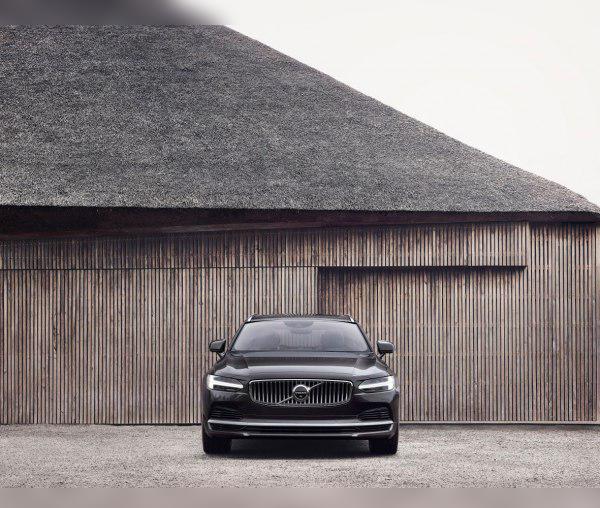
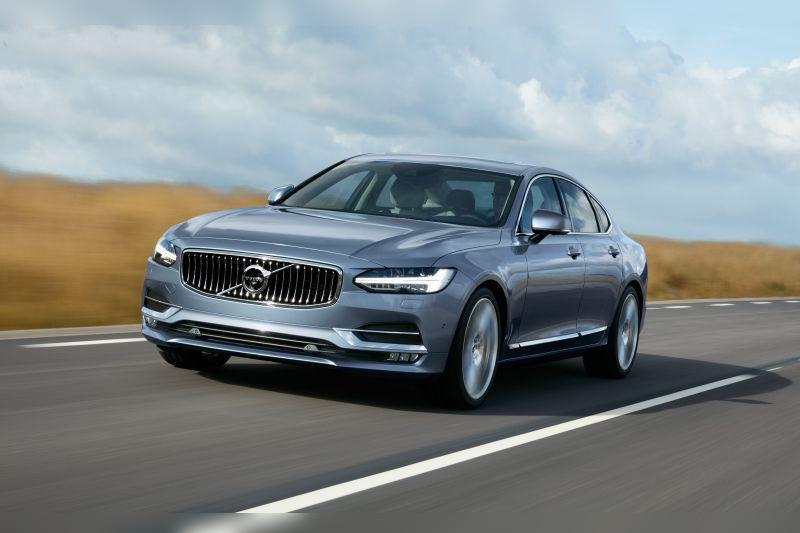
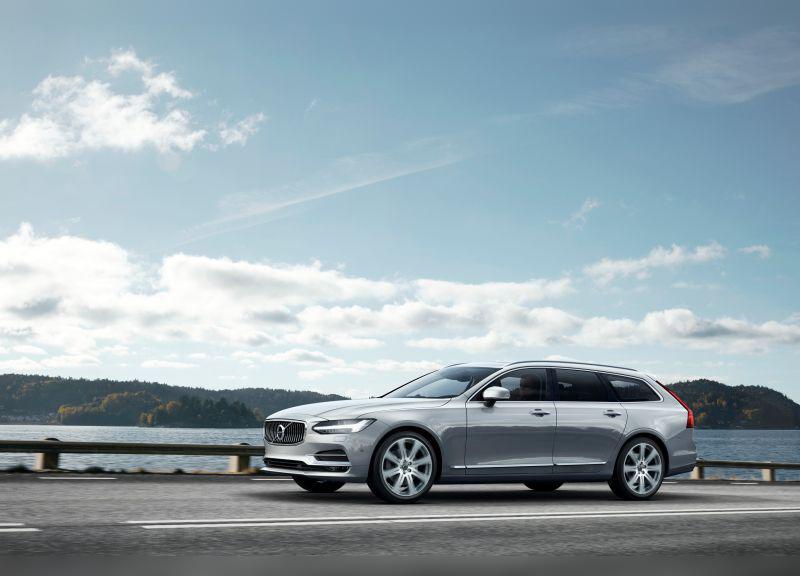
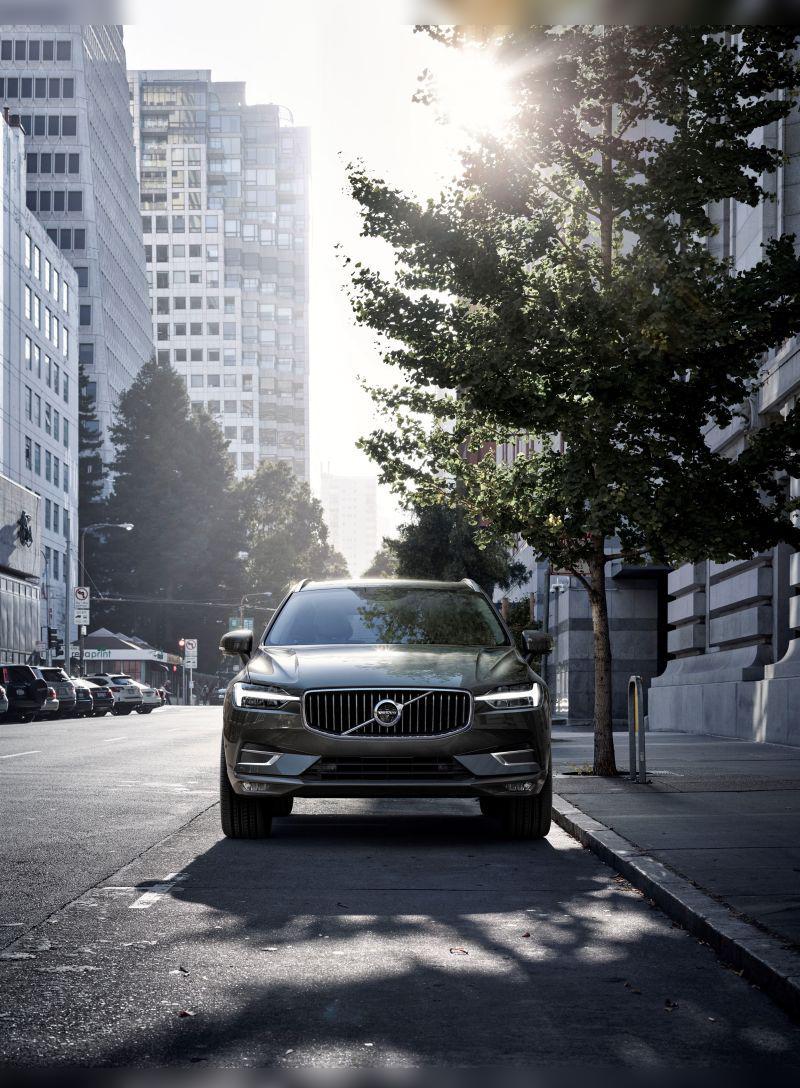
When Volvo introduced its SPA platform (90 and 60 series models) and the new VEA (Volvo Engine Architecture) engine family, many enthusiasts mourned the legendary five-cylinder D5 engines. The engine designated D4204T23 was designed to fill those shoes. It is a 2.0-liter four-cylinder twin-turbo diesel delivering an impressive 235 hp. It is installed in heavyweights such as the XC90 II, V90 Cross Country, S90 and XC60 II. To eliminate turbo lag and compensate for the smaller displacement compared to the competition, Volvo developed a brilliant compressed-air injection system, but that complexity also brings certain risks.
Technical specifications
| Parameter | Data |
|---|---|
| Engine code | D4204T23 (D5 AWD) |
| Displacement | 1969 cc (2.0L) |
| Power | 173 kW (235 hp) |
| Torque | 480 Nm (at 1750 - 2250 rpm) |
| Injection type | Common Rail (Denso i-ART) |
| Charging system | Twin-turbo + PowerPulse (intercooler) |
Reliability and maintenance
Timing drive: belt or chain?
This engine uses a timing belt. Although factory intervals tend to be quite optimistic (often over 200,000 km), experienced mechanics strongly recommend doing the major timing service every 120,000 to 150,000 km or every 7 to 8 years. A snapped belt leads to catastrophic engine failure (valve-to-piston contact), and repair costs are extremely high (depends on the market).
Engine oil: capacity, grade and consumption
The engine takes about 5.2 to 5.5 liters of oil (depending on the exact sump revision; needs to be checked by VIN). The crucial point is the grade: the engine is designed exclusively for 0W-20 oil with VCC RBS0-2AE specification. Using any other oil dramatically shortens the life of the turbochargers and internal engine components.
As for oil consumption, earlier generations of VEA engines had serious issues with piston rings, but on this 235 hp version (especially from 2016 onwards) this has mostly been resolved. Mild consumption (up to 0.5L per 10,000 km) is normal, especially if driven aggressively on the motorway. If the engine uses a liter or more per 5,000 km, that is a clear sign of ring problems or turbo oil leaks.
Most common failures
This power unit has a few recurring “childhood diseases”:
- PowerPulse hose rupture: This is the most famous D5 issue. The system uses a compressor that pumps air into a tank, and under sudden throttle it releases that air onto the turbine blades to spin it up before the exhaust gases arrive. The hose that carries this air often bursts due to high pressure and temperature. Symptoms: a sharp hissing sound under acceleration and reduced performance (the engine becomes “lazy” at low revs). The hose itself is not very expensive, but replacement is fiddly.
- EGR system and EGR cooler: Soot build-up and EGR cooler cracking are common. If you notice the car is losing coolant (antifreeze) but nothing is leaking under the car, there is a high chance that coolant is entering the intake via a cracked EGR cooler.
- Clogged intake manifold: Due to a combination of crankcase vapors and EGR soot, the intake manifold and ports in the cylinder head get clogged with deposits, which requires mechanical cleaning (decarbonization or manifold removal) at around 150,000 km.
Specific components and systems
Injection: Denso i-ART technology
Volvo uses an advanced injection system where each injector has its own microprocessor and pressure sensor (i-ART). This allows for perfectly metered fuel in every cycle. How long do the injectors last? They are very durable and, with good-quality diesel fuel, often exceed 250,000 km. However, when replacement time comes, they are extremely expensive and cannot always be easily refurbished (very expensive – depends on the market).
Twin-turbo system and DPF/AdBlue
The engine has two turbochargers (a smaller one for low revs and a larger one for higher revs). Structurally they are robust, but their lifespan (around 250,000 km) directly depends on regular changes of the specific 0W-20 oil. Warning: if the engine is losing oil due to bad rings, that oil burns and permanently destroys the DPF filter.
DPF and EGR are problematic only if this large car is bought just for short trips to the shops. Short urban journeys will clog the DPF, and frequent interrupted regenerations will cause the oil level in the sump to rise (due to diesel mixing with the oil). The engine is equipped with an AdBlue (SCR) system to meet strict Euro 6 standards. The most common issues include failure of the pump in the AdBlue tank or the heater, and repairs can be a serious hit to the wallet (expensive – depends on the market).
Fuel consumption and performance
Do not let the 2.0-liter displacement fool you – this engine is not sluggish at all. With 235 hp and a round 480 Nm available from just 1750 rpm, thanks to the PowerPulse system that literally “shoots” air into the turbo, heavyweights like the XC90 and V90 get off the line like much lighter cars. There is no turbo lag typical of older diesels.
Real-world consumption and on-road behavior
- City driving: Due to the vehicle’s weight (especially the XC90) and permanent 4x4 drive (AWD), expect consumption between 9.0 and 11.5 l/100 km. The start-stop system helps, but does not work miracles.
- On the motorway: This is where the Volvo feels at home. At 130 km/h, thanks to the eighth gear, the engine runs at a relaxed 1800 - 1900 rpm. Cabin noise is minimal. Consumption on open roads ranges between 6.5 and 8.0 l/100 km, depending on the vehicle profile (the S90 is significantly more aerodynamic than the XC90).
Additional options and tuning (Stage 1)
The engine block is extremely robust. If the owner wants more power, a safe “Stage 1” ECU remap usually raises power to about 270 to 280 hp and torque to an impressive 530 to 550 Nm. It is important to note that Volvo officially offers Polestar Engineered software optimization, which slightly increases power (to around 240 hp) but dramatically improves throttle response and gearshift speed, while preserving the factory warranty.
Gearbox and drivetrain
The 235 hp D4204T23 engine is delivered exclusively with an 8-speed automatic gearbox (Aisin TG-81SC) paired with a Haldex (BorgWarner) AWD system. There are no manual gearboxes in this configuration.
Does it have a dual-mass flywheel?
Since this is a conventional automatic transmission, the system does not have a traditional dual-mass flywheel and clutch kit as seen on manual gearboxes or DSG (dual-clutch) units. Instead, it uses a torque converter (hydrodynamic coupling). Because of this, you will not face the typical “clutch and flywheel replacement” expense.
Gearbox failures and service intervals
The Aisin automatic is generally one of the most reliable gearboxes on the market, but only if it is maintained properly. Volvo dealers often claim that the gearbox oil is “lifetime”, which is a misconception that leads to gearbox failure. Gearbox servicing (oil change) must be done every 60,000 to 80,000 km. If this is neglected, dirty oil will damage the valve body, after which the gearbox starts to jerk when shifting from “P” to “D” or when changing from 2nd to 3rd gear. Valve body repair is a very expensive job (depends on the market).
Buying used and conclusion
What exactly should you check before buying?
- Cold start: Ask the seller not to start the car before you arrive. Listen to the engine during the first 10 seconds. Harsh metallic noises, rough idle or bluish smoke from the exhaust indicate injector problems or loss of compression.
- Hose inspection: Visually check the PowerPulse hose in front of the engine. If it is wrapped in electrical tape or hisses when you blip the throttle, it needs to be replaced.
- Coolant level: If the coolant reservoir is below minimum, or there is whitish residue around the cap, suspect the EGR cooler or a crack in the cylinder head.
- Gearbox test drive: Drive the car gently through town. The automatic must shift completely smoothly and imperceptibly. Any jolt when braking to a stop at traffic lights (downshifting) is a red flag.
- Diagnostics (MANDATORY): Do not buy this car without proper VIDA diagnostics. Check DPF saturation (ash load in grams) and injector correction values/pressures.
Who is this engine for?
The Volvo 2.0 D5 (235 hp) is a top-class cruiser. It is a perfect choice for people who regularly drive on motorways, cover high mileages and appreciate quiet, confident power delivery with excellent fuel economy on open roads. All-wheel drive, combined with this engine, offers outstanding stability and safety (especially in the V90 Cross Country and XC90 models).
On the other hand, if you are looking for an SUV solely for “home-school-work” commutes in heavy city traffic, stay away from a diesel this powerful and complex. The DPF, EGR and AdBlue systems will sooner or later present you with serious bills. When buying used, the rule is simple: choose examples with documented service history where the oil was changed at a maximum of every 15,000 km, not at the factory 30,000 km interval.