Volvo 2.0 D3 D4204T4 engine: Experiences, problems, fuel consumption and used-car buying tips
Most important in short (TL;DR):
- Timing belt, not chain: The engine uses a timing belt, and a major service is recommended at around 150,000 km.
- Oil consumption (early series): Models up to 2016 can have an oil consumption issue due to poorly designed piston rings.
- EGR valve and cooler: A sensitive point of this engine; soot build-up and cracking of the EGR cooler are quite common.
- Performance and weight: With 150 hp and 350 Nm, it’s excellent for the S60/V60, but can feel slightly “lazy” in heavier models like the V90 or XC60.
- Denso i-ART injection: Advanced and very precise injectors that individually monitor pressure, but are expensive to replace.
- Gearboxes: Japanese Aisin automatics (6 or 8 speed) are excellent, but only if the oil is changed every 60,000 km.
Contents:
- Introduction: Engine overview
- Technical specifications
- Reliability and maintenance
- Specific components and failures
- Fuel consumption and performance
- Additional options and modifications
- Gearbox and drivetrain
- Buying used and conclusion
Introduction: Engine overview
When Volvo decided to retire its famous five-cylinder engines and switch to an exclusively four-cylinder VEA (Volvo Engine Architecture) platform, many were skeptical. The D4204T4 engine, marketed as the 2.0 D3, represents the entry-level to mid-range diesel offering of this modern generation.
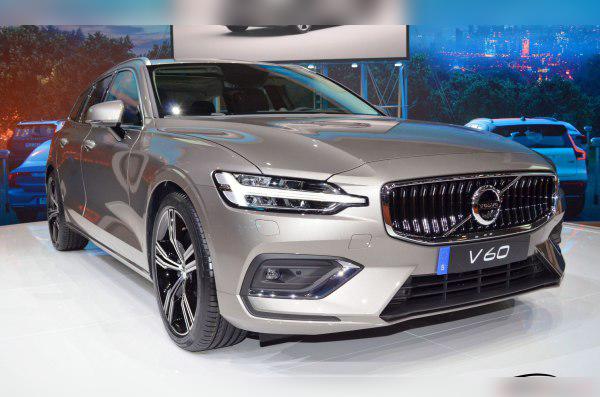
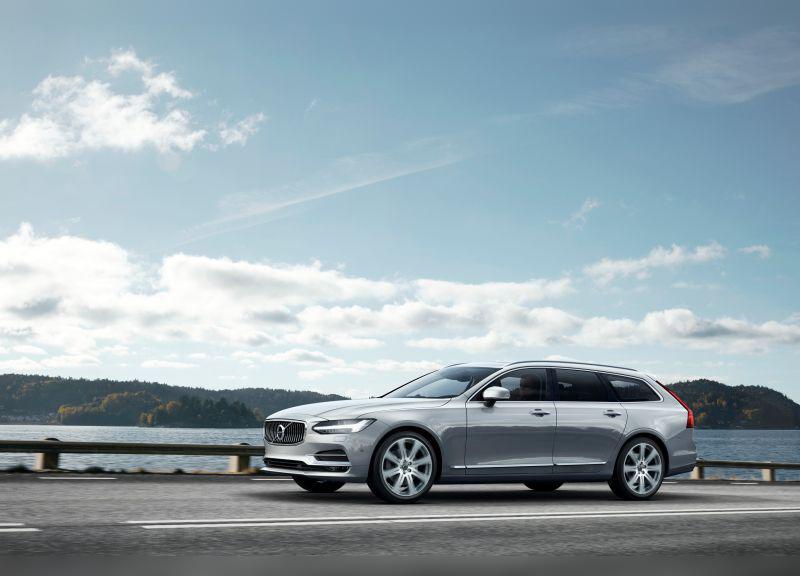
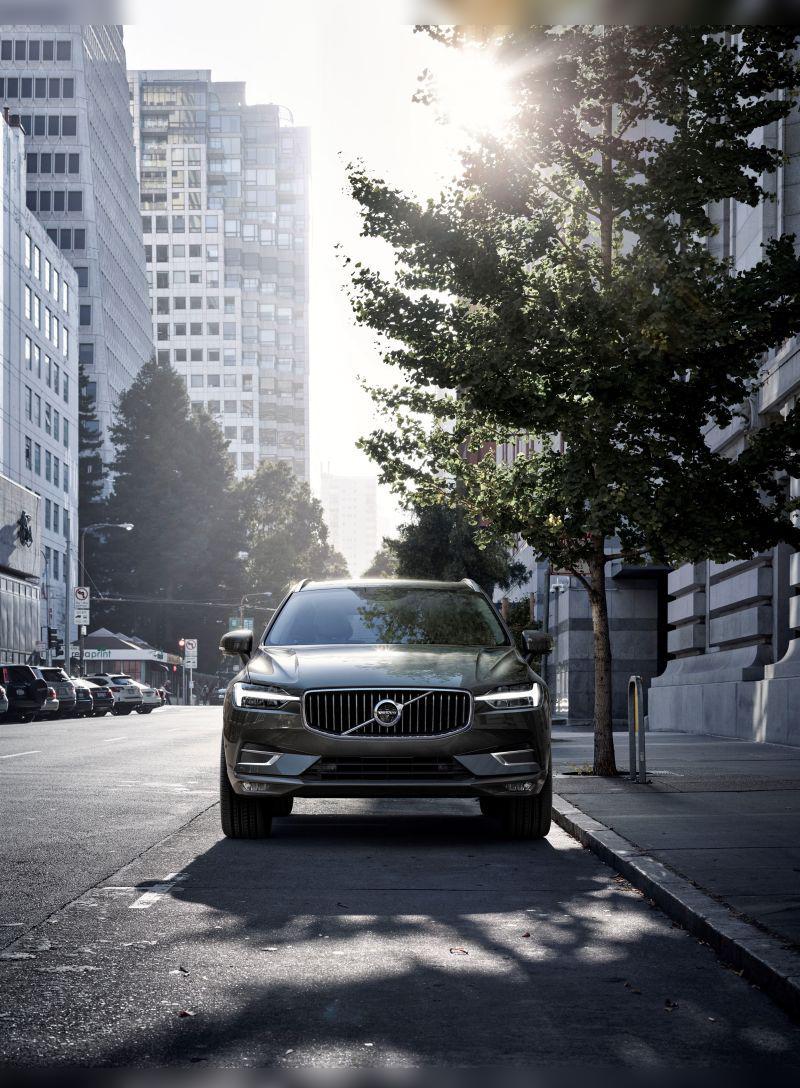
It was installed in a wide range of vehicles, from sedans like the S60 and wagons like the V60, through their raised Cross Country versions, all the way to heavyweights such as the prestigious V90 and the extremely popular XC60 of the first (facelift) and second generation. The goal of this engine was to provide an optimal balance between efficiency and sufficient power for everyday use, while meeting strict Euro 6 standards.
Technical specifications
| Parameter | Value |
|---|---|
| Displacement | 1969 cc |
| Power | 110 kW (150 hp) |
| Torque | 350 Nm |
| Engine code | D4204T4 |
| Injection type | Common Rail (Denso i-ART) |
| Charging | Turbocharger (single turbo), intercooler |
| Valve timing drive | Timing belt |
Reliability and maintenance
This Volvo unit uses a timing belt. Factory intervals for the major service are optimistically set, but experienced mechanics recommend replacing the complete timing kit, with all rollers, tensioners and water pump, at around 150,000 km or at the latest every 8 to 10 years. A snapped belt leads to catastrophic damage to the valves and cylinder head.
As for lubrication, the engine takes approximately 5.2 liters of oil. Due to very tight tolerances and the specific engine design, Volvo strictly requires the use of 0W-20 oil that meets the Volvo VCC RBS0-2AE specification. Pouring “thicker” oil (e.g. 5W-30) is strictly forbidden and can destroy the hydraulic lifters and impair the operation of the variable oil pump.
Oil consumption is a topic that divides owners. Engines produced between 2013 and mid-2016 had a factory defect in the design of the piston rings, which caused them to consume more than 1 liter of oil per 1,000 km. If you are buying an early XC60 or V60, be sure to check the service history to see whether this issue has been resolved (replacement of rings and modified pistons). On newer models (after 2017), slight consumption of around 0.5 liters per 10,000 km is considered completely normal.
Specific components and failures
Injection system and turbocharger
The engine is equipped with a single variable-geometry turbocharger (VNT). Unlike the more powerful D4 model, which uses a bi-turbo system, this single turbo is significantly more reliable and less thermally stressed. Its lifespan often exceeds 250,000 km, provided that the oil is changed regularly.
The injection system uses advanced Denso i-ART technology, where each injector has an integrated pressure and temperature sensor. This enables perfect engine operation, but when an injector fails (most often due to poor fuel, usually after 200,000 km), replacement is expensive (depends on market), and refurbishment is often impossible or not cost-effective.
DPF, EGR and AdBlue
The diesel particulate filter (DPF) and EGR valve are standard on this engine. The most common failure on the D4204T4 engine is related precisely to the EGR system. The EGR cooler is prone to heavy soot build-up, which causes the valve to stick and often internal cracking of the cooler itself, leading to mixing of coolant and exhaust gases. The symptom of this is loss of coolant without any visible leakage under the car.
Later versions of this engine (to comply with Euro 6d-TEMP standards) are equipped with an AdBlue system. As with most modern diesels, issues occur with the NOx sensor, as well as failure of the pump in the AdBlue tank. Replacing the tank with the integrated pump is very expensive (depends on market), which is why it is crucial not to leave the tank empty so that the fluid does not crystallize.
Fuel consumption and performance
Real-world fuel consumption in city driving depends significantly on the body style. In lighter models such as the S60 and V60, you can expect around 6.5 to 7.5 l/100 km. However, if this engine is hauling the weight of a V90 or XC60, with frequent traffic lights, consumption will easily go to 8 to 9 l/100 km.
Is the engine “lazy”? For the average driver, 150 hp and 350 Nm of torque are quite sufficient. Still, in a heavy body such as the XC60 (especially with AWD), it will lack sharpness when overtaking uphill, and you can feel the absence of the second turbo that the D4 version has.
On the motorway, this engine really shines. Volvo’s sound insulation masks the diesel clatter, and at 130 km/h in 8th gear (on newer automatics), the engine cruises at a very relaxed ~2000 rpm, enabling quiet and extremely economical driving with consumption below 6 liters.
Additional options and modifications
Considering that the D3 (150 hp) and D4 (190 hp) share identical base engine mechanics in many areas (although the D3 has one turbo and the D4 has two), remapping (Stage 1) is very popular. The engine can be safely raised to around 180 to 190 hp and over 400 Nm of torque. Thanks to the robust crankshaft and well-dimensioned gearbox, this software modification rarely causes problems and dramatically helps when moving a heavier body (XC60/V90).
Gearbox and drivetrain
This engine comes with very reliable transmission systems. The manual gearbox has 6 speeds, is precise and long-lasting. However, it comes with a dual-mass flywheel that protects the gearbox and suspension from torque shocks. Replacing the clutch kit and dual-mass flywheel is regular maintenance at around 200,000 km, but it is expensive (depends on market).
Most buyers choose the automatic. The offer includes Japanese Aisin gearboxes: a 6-speed (on earlier model years) and the fantastic 8-speed (on later and premium models). These automatic gearboxes do not use a conventional dual-mass flywheel but a torque converter.
The main condition for the longevity of the automatic is regular maintenance. The gearbox oil must be changed every 60,000 km (ideally with a machine flush). If the oil is not changed, the valve body fails, which manifests itself as jerking when shifting from P to R or harsh shifts when changing from 2nd to 3rd gear.
Buying used and conclusion
When inspecting a used Volvo with the D4204T4 engine, be sure to pay attention to the following:
- Oil consumption history: For models produced between 2013 and 2016, ask for documentation from an authorized service center confirming ring replacement. If this is missing, be very cautious.
- Smell and smoke: Start the car cold. There should be no blue smoke (oil) or aggressive acidic smell (bad injectors).
- Coolant loss: Check the coolant reservoir. Signs of sludge or black deposits inside, as well as low fluid level, indicate a cracked EGR cooler – an issue that must be addressed urgently.
- Gearbox behavior: During the test drive, the automatic must shift gears smoothly, without even the slightest “kick” in the back, both when cold and when the oil is warmed up (after 20 minutes of driving).
Conclusion: The Volvo 2.0 D3 D4204T4 is an excellent motorway cruiser and an ideal engine for family drivers who value safety and comfort over racing performance. Its greatest strengths are efficiency and quiet operation. It is intended for drivers who know how to maintain a car regularly and properly – this engine does not tolerate cutting corners on oil changes and cheap fuel. If you are aiming for an XC60 or V90, test-drive it before buying to make sure that 150 hp is enough for your driving style, or whether you really need the more powerful D4.