Volvo 2.0 D2 (D4204T8) engine: Experiences, issues, fuel consumption and used-car buying tips
- Key points (TL;DR)
- This is the original Volvo 2.0 VEA (Drive-E) engine, not the old 1.6-liter PSA unit, even though both are badged "D2". It is much more robust and reliable.
- Excellent for highway driving, but in city use it struggles with clogging of the EGR valve and DPF filter.
- Because of its large displacement (2.0L) and modest power output (120 hp), it is extremely unstressed and durable, with huge potential for safe remapping (chipping).
- It requires a specific engine oil grade of 0W-20. Using the wrong oil will directly destroy the engine.
- Automatic gearboxes (Aisin) are reliable, but require regular oil changes every 60,000 km, despite the manufacturer’s claim that the oil is “lifetime fill”.
- Maintenance can be expensive (Depends on market), because repairs require experienced mechanics and specialized Volvo diagnostics (VIDA).
Contents
- Introduction: Volvo D4204T8 in real life
- Technical specifications
- Reliability and maintenance
- Specific parts and costs
- Fuel consumption and performance
- Additional options and modifications
- Gearbox: Manual and automatic
- Buying used and conclusion
Introduction: Volvo D4204T8 in real life
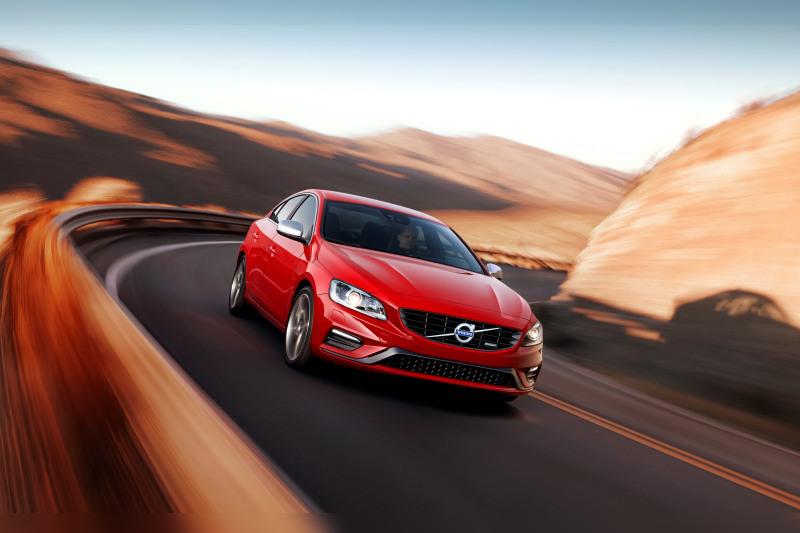
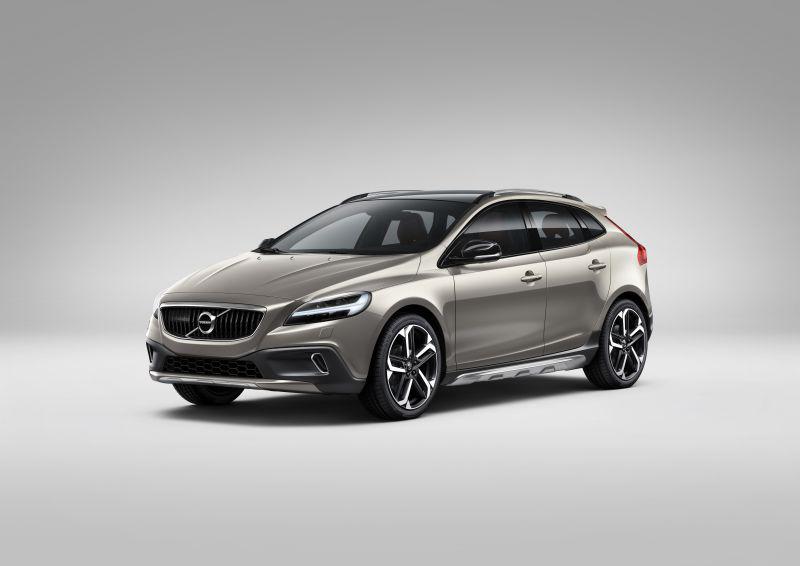
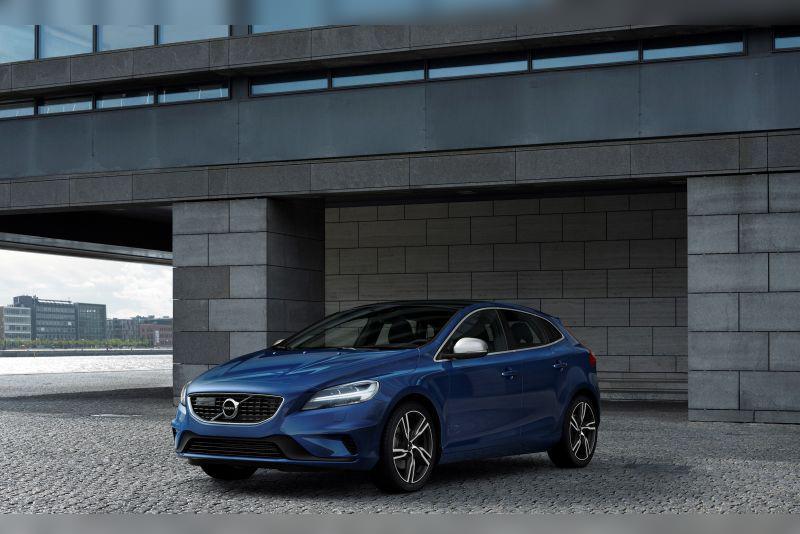
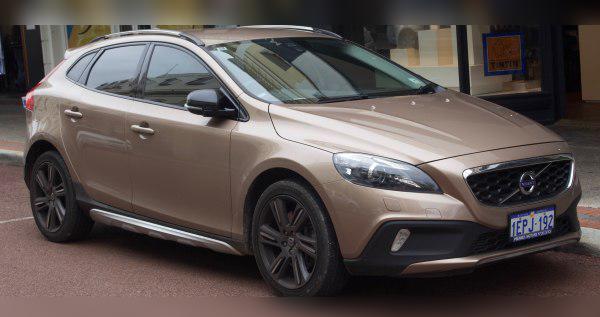
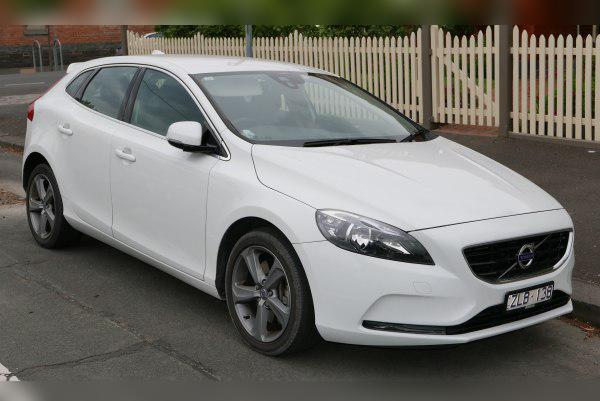
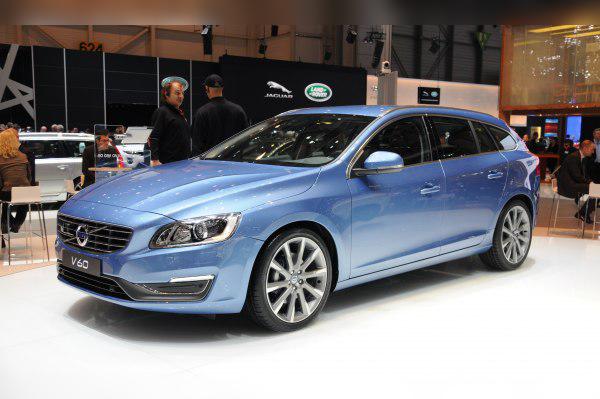
The D2 badge on the rear of Volvo cars often causes confusion. Up until around 2015, D2 referred to a 1.6-liter diesel engine developed in cooperation with the PSA/Ford group. However, the D4204T8 engine is a completely different beast. It is a thoroughbred, in-house Volvo engine from the new VEA (Volvo Engine Architecture) generation, better known as Drive-E. It was installed in models such as the Volvo V40, V40 Cross Country, S60 II and V60 I, mostly in the “facelift” generations after 2013/2015.
Why is this engine important? Because it offers a 2.0-liter block, yet is software- and hardware-limited (detuned) to deliver a modest 120 hp. The result is an extremely unstressed power unit which, with proper maintenance, can cover hundreds of thousands of kilometers without opening the block. However, it is equipped with modern exhaust after-treatment systems which, combined with short city trips, can cause serious headaches.
Technical specifications
| Parameter | Value |
|---|---|
| Engine code | D4204T8 |
| Engine displacement | 1969 cc (2.0 L) |
| Engine power | 88 kW (120 hp) at 3750 rpm |
| Torque | 280 Nm at 1500–2250 rpm |
| Fuel type and injection | Diesel / Common Rail (direct injection) |
| Aspiration | Turbocharger with intercooler |
| Cylinder and valve layout | Inline 4-cylinder, 16 valves (DOHC) |
Reliability and maintenance
Does this engine have a timing belt or a chain?
This engine uses a timing belt to drive the camshafts. The system is generally reliable, but it is crucial to respect the replacement intervals to avoid catastrophic engine damage in case of belt failure.
What are the most common failures on this engine?
As part of the early and mid VEA series, the D4204T8 faces several specific issues:
- EGR cooler and EGR valve: This is the “Achilles’ heel” of all Volvo Drive-E diesels. The EGR cooler is prone to clogging with soot, but also to cracking, which leads to mixing of exhaust gases and coolant, or to coolant loss. Symptoms include rough idle, a “Check Engine” light, and a dropping coolant level in the expansion tank.
- Oil consumption (piston rings): Although this problem is more pronounced on higher-output versions (D4), the D2 is not completely immune. Due to the specific design of the piston rings and the very thin oil, some units may develop oil consumption after 150,000 km.
- Exhaust gas temperature and pressure sensors: They often fail, causing the car to go into “limp mode”, where it loses power and will not rev beyond 2000 rpm.
At what mileage should the major service be done?
The factory interval for timing belt replacement is often set at a very optimistic 150,000 km or even more (depending on model year). Experienced mechanics strongly recommend doing the major service every 120,000 km or every 5 to 6 years. The kit includes the timing belt, tensioners, idler pulleys and water pump. At the same time, you must check the auxiliary (serpentine) belt, because if it snaps and gets under the timing belt, it can destroy the engine.
How many liters of oil does the engine take and which grade?
The sump capacity is about 5.2 liters (including the filter). This engine is extremely sensitive to oil choice. It is recommended to use ONLY 0W-20 oil with Volvo approval VCC RBS0-2AE. Never fill 5W-30 or 5W-40, because the engine components and bearings require this thin synthetic formulation to ensure proper lubrication and flow, especially at cold start and low winter temperatures.
Does it burn oil and how long do the injectors last?
A healthy engine should not consume more than 0.3 to 0.5 liters of oil per 10,000 km. If you are topping up a liter or more between services, that is a clear warning sign (possible piston ring issues or turbo leakage). The injectors (Denso Common Rail) have proven to be quite durable. They usually last over 200,000 to 250,000 km without issues, provided you regularly replace the fuel filter and use quality Euro diesel. Symptoms of bad injectors include hard cold starts, white smoke from the exhaust before the engine reaches operating temperature (90°C), and rough idle.
Specific parts and costs
Does this engine have a dual-mass flywheel?
Yes, versions with a manual gearbox are equipped with a dual-mass flywheel. Its role is to absorb the vibrations of this large-displacement diesel. Replacing the dual-mass flywheel together with the clutch and concentric slave cylinder is an expense that falls into the expensive (Depends on market) category.
Turbocharger
Unlike the more powerful D4 versions which have a twin-turbo system, the D4204T8 (D2) uses a single turbocharger with fixed or variable geometry (depending on the specific revision). Its service life is excellent, typically over 200,000 km. To preserve it, after fast highway driving, let the engine idle for about 30 seconds before switching it off so that the oil can cool the turbo bearings.
DPF filter and EGR valve
The DPF (diesel particulate filter) and EGR are standard on this engine. The DPF often clogs if the car is driven exclusively in city conditions on short trips, because the system fails to reach the temperature needed for passive or active regeneration. Regeneration usually happens unnoticed; you may notice slightly higher idle revs and the radiator fan kicking in. Regularly “blow it out” on open roads at around 2500–3000 rpm in a lower gear.
Does it have AdBlue and does it cause problems?
This is an important detail: Information varies depending on the exact production year and market. Most early versions of this engine (2015–2017) relied solely on an LNT (Lean NOx Trap) catalyst to meet Euro 6 standards and do not have AdBlue. Newer versions (from 2018, when stricter Euro 6c/6d norms were introduced) may have an SCR catalyst and AdBlue system. You need to check by VIN, or simply by opening the fuel filler flap – if there is a blue cap next to the diesel filler, the system is present. If it is fitted, maintenance involves topping up AdBlue fluid (about 10–15 liters every 10,000 km). Problematic points of the AdBlue system are the injector, which can crystallize, and the pump in the tank, whose repair can be very expensive (Depends on market).
Fuel consumption and performance
What is the real-world fuel consumption?
Thanks to efficient Common Rail injection and relatively low power output, fuel consumption is very reasonable.
- City driving: Expect consumption between 6.5 and 7.5 l/100 km. In heavy traffic it can reach 8 liters in heavier models such as the V60.
- Open road: This engine shines on country roads, dropping consumption to just 4.5 l/100 km.
- Motorway (130 km/h): It cruises at about 5.5 to 6.0 l/100 km.
Performance and cruising
Is the engine “lazy”? That depends on which model it is installed in. In the Volvo V40, 120 hp and 280 Nm are perfectly adequate, offering smooth acceleration and good flexibility. However, if you are buying a Volvo V60 or S60, the engine will struggle with uphill overtakes, especially if the car is loaded with passengers and luggage. The car is heavy, so performance is “pensioner-style” – safe and comfortable, but not dynamic. At 130 km/h in 6th gear, the engine spins at a very relaxed ~2100–2200 rpm (depending on gearbox), which guarantees a quiet cabin.
Additional options and modifications
Can this engine be safely remapped (chipped)?
Yes, absolutely. This is one of the biggest advantages of this engine. Since it shares its block with much more powerful variants (D3 and D4 engines with 150 and 190 hp), the 120 hp D2 is heavily “strangled” by software. With a quality Stage 1 remap, this engine can safely reach between 150 hp and 170 hp, while torque jumps to over 350 Nm. The power increase will transform the behavior of the heavy body, and if the car is driven sensibly, fuel consumption after remapping can even drop slightly thanks to a better power-to-weight balance.
Gearbox: Manual and automatic
Which gearboxes are used and what are the common issues?
- Manual gearbox (6-speed): Volvo used the proven 6-speed manual gearbox (M66). The gearbox itself is practically indestructible mechanically. Failures are limited to wear of the dual-mass flywheel and clutch kit. Symptoms of a bad flywheel include metallic rattling when starting and stopping the engine, as well as shuddering when pulling away.
- Automatic gearbox (6-speed Geartronic – Aisin): The most common automatic paired with the D2 engine in V40 and S60/V60 models. It is a tried-and-tested gearbox from Japanese manufacturer Aisin. The most common problem with these gearboxes is jerking when shifting from “P” to “R” or harsh shifts from third to second gear. This happens due to clogging of the valve body caused by dirty oil.
Automatic gearbox maintenance
Volvo’s official stance is that the oil in the automatic gearbox should only be changed on vehicles used in severe conditions (taxis, towing trailers). In practice, this does not hold up. The oil in the automatic gearbox MUST be changed every 60,000 km. The change should be done using a “machine flush” to remove all sludge from the torque converter. This service is moderately expensive (Depends on market), but far more cost-effective than rebuilding the entire gearbox.
Buying used and conclusion
What should you check before buying a used one?
When buying a Volvo equipped with the D4204T8 engine, focus on the following aspects:
- Service history (VIDA diagnostics): Connecting the car to dedicated Volvo diagnostics (VIDA) is a must. Check the condition of the DPF filter (how many grams of soot it contains and when the last regeneration took place). If the seller does not allow diagnostics, walk away.
- Behavior on cold start: The engine should start “on half a turn” without a cloud of smoke from the back. Any coughing or rough running points to issues with the EGR or injectors.
- Check for leaks around the EGR cooler: Open the bonnet and, using a flashlight, visually inspect whether there is black soot or traces of crystallized pink coolant around the EGR pipes and cooler.
- Timing belt noise: Listen to the engine idling. Whistling or scraping noises from the area of the plastic belt cover mean that one of the tensioners is failing, which calls for an urgent major service.
Who is this engine for?
The Volvo D4204T8 (2.0 D2) engine is an ideal choice for drivers who value reliability and safety, cover higher annual mileage and spend most of their time on country roads and motorways. Since it operates in a very comfortable stress range, this is an engine which, with regular 0W-20 oil changes and EGR cleaning, can easily handle very high mileages.
If you spend most of your time in stop-and-go city traffic, consider a petrol alternative, because constant DPF and EGR clogging will drain your finances. If 120 hp feels too weak, it is better to pay extra for a safe “Stage 1” remap from a reputable tuner and you will get a perfect, long-lived family cruiser with low fuel consumption.