Volvo 2.0 D3 (D4204T9) 150 HP: Experiences, problems, fuel consumption and used-car buying tips
- Most important in short (TL;DR):
- Belongs to Volvo’s new 4‑cylinder VEA engine generation, replacing the old heavy five‑cylinders.
- The engine uses a timing belt, not a chain, which lowers costs but requires strict interval adherence.
- Main weak points are clogging of the EGR valve and soot build‑up in the intake manifold.
- Very economical in models like the V40 and S60, but can feel slightly “lazy” in heavy bodies like the V90.
- Requires very thin 0W‑20 oil, and early series may suffer from increased oil consumption due to piston rings.
- Aisin automatic gearboxes are reliable, provided you ignore Volvo’s recommendation and change the oil regularly.
Contents
- Introduction: The D4204T9 code in the Volvo range
- Technical specifications
- Reliability and maintenance: Timing belt service and oil consumption
- Specific components and failures: EGR, DPF, turbo and injection
- Fuel consumption and performance: How it copes with different body styles
- Gearbox and drivetrain: Geartronic and manual systems
- Additional options: Remapping (Stage 1)
- Buying used and conclusion
Introduction: The D4204T9 code in the Volvo range
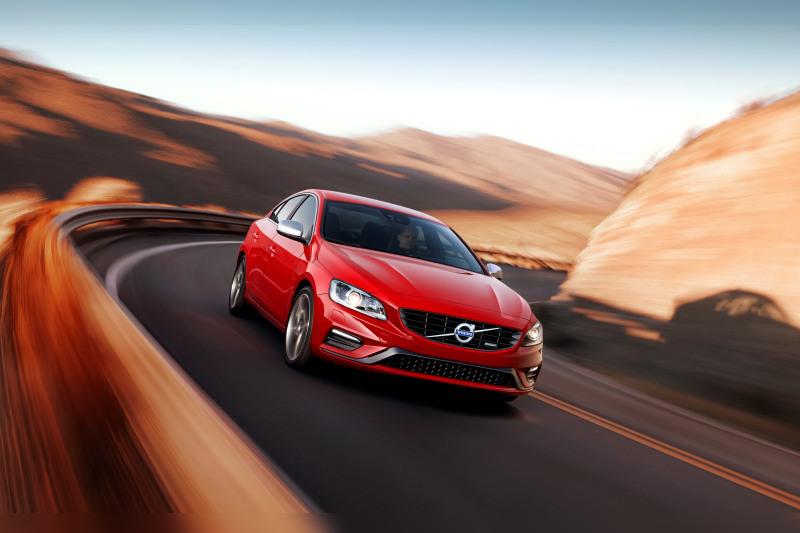
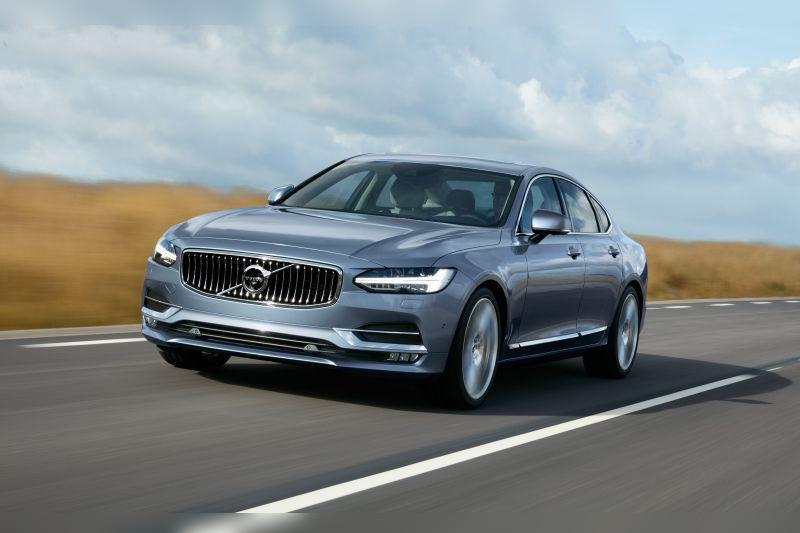
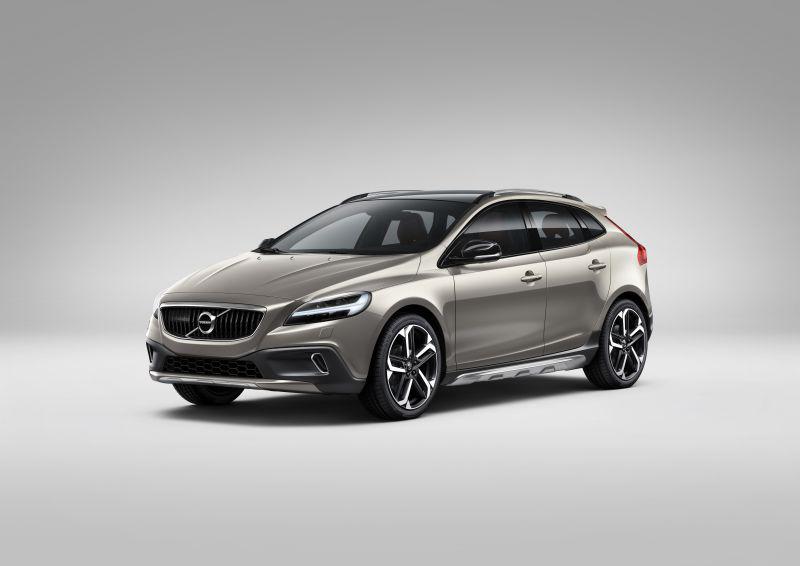
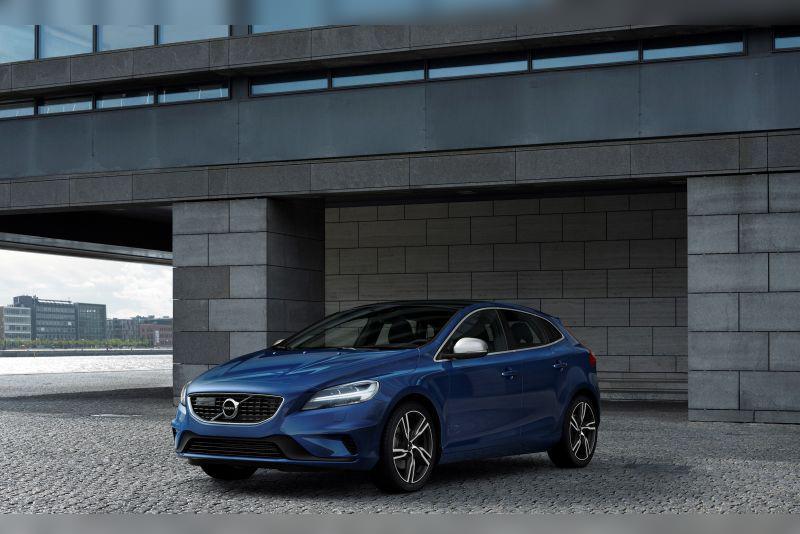
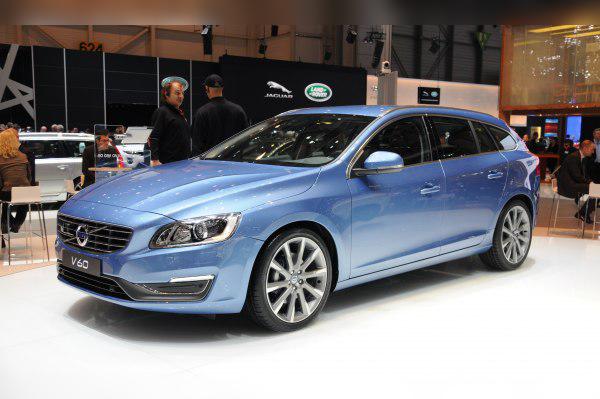
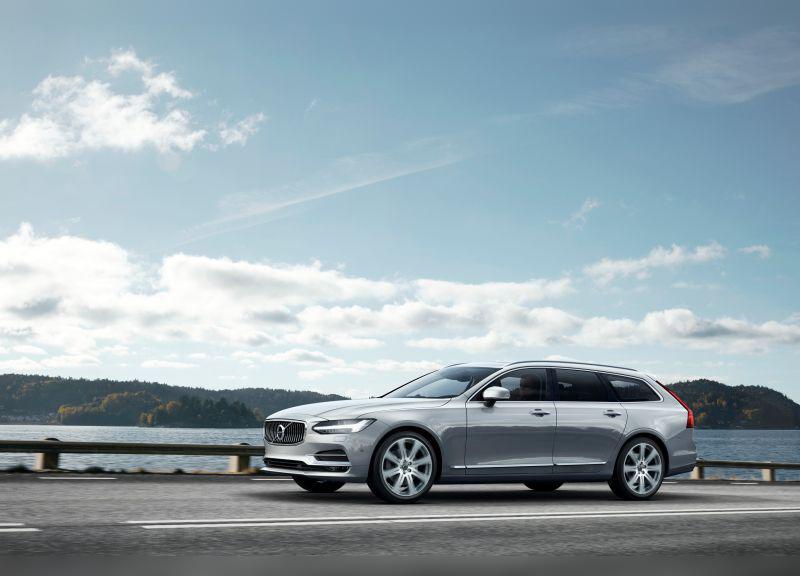
The engine with the code D4204T9 belongs to Volvo’s modular VEA (Volvo Engine Architecture) family. It is a 2‑liter four‑cylinder diesel that carries the commercial designation D3. It was introduced at the time when Volvo decided to say goodbye to its famous five‑cylinder engines, aiming for lower weight, better emissions and higher efficiency. It was installed in a wide range of vehicles, from the compact V40 and V40 Cross Country, through the mid‑size S60 and V60, all the way to premium cruisers such as the S90 and V90. With its 150 horsepower, this engine represents a “golden middle ground” for drivers who don’t prioritize extreme performance, but want a reliable, economical and long‑lasting powerplant.
Technical specifications
| Specification | Data |
|---|---|
| Engine code | D4204T9 |
| Displacement | 1969 cc (2.0 L) |
| Power | 110 kW (150 hp) |
| Torque | 320 Nm |
| Fuel type | Diesel (Common Rail – i-ART) |
| Aspiration / Charging | Turbocharger (single turbo), intercooler |
Reliability and maintenance: Timing belt service and oil consumption
One of the first questions any mechanic hears is about the type of timing drive. This engine uses a classic timing belt. Although chains are often considered more durable, in practice a quality timing belt on VEA engines is quieter and more reliable than the troublesome chains seen on some competitors. The major timing service is specified by the factory at a very long 150,000 km, but any experienced mechanic will advise you to shorten that interval to around 120,000 km or 5 to 6 years, to protect the water pump and tensioners.
As for oil, the engine takes about 5.2 liters. Volvo requires a specific, very thin 0W‑20 oil (specification Volvo VCC RBS0‑2AE). Using the wrong viscosity is a direct path to destroying this engine.
Does it burn oil? On early versions of VEA engines (mostly up to 2016) there were reported issues with the piston and ring assembly (oil control rings would clog), which led to increased oil consumption. However, the 150 hp D3 version (D4204T9) is much less affected by this problem than the more powerful D4 model. Consumption of up to 0.5 liters per 10,000 km is considered completely normal. If the engine needs about a liter every 2,000 km, that is a clear sign of problems with the rings or the turbocharger.
Specific components and failures: EGR, DPF, turbo and injection
This engine uses an advanced i-ART Common Rail system by Denso. Instead of a single pressure sensor on the rail, i‑ART has a sensor and microprocessor on each injector individually. This enables perfectly precise fuel dosing. The injectors are extremely durable and can easily exceed 250,000 km, but they are very sensitive to poor‑quality fuel. When the time comes to replace them, repairs are very expensive (depending on the market) precisely because of the integrated electronics.
Unlike the more powerful D4 engine which has a bi‑turbo system, the D4204T9 uses a single variable‑geometry turbocharger. Because of this, it has fewer vacuum hoses and valves that can cause trouble, so its reliability is excellent. With regular oil changes and proper cool‑down after hard driving, the turbo will easily last the life of the engine.
The EGR valve and intake manifold are the biggest weak spots. Due to strict emissions standards, the EGR returns a large amount of exhaust gases into the intake. Over time, a thick layer of soot builds up there. Symptoms include loss of power, jerking under acceleration and the “Check Engine” light coming on. The recommendation is to have the intake manifold mechanically cleaned every 80,000 to 100,000 km.
Of course, there is a DPF filter. Its service life depends on the driving profile. If you drive the car only on short urban trips, the filter will clog quickly. Newer models equipped with this engine (Euro 6) also have an AdBlue (SCR) system. The AdBlue system can be a headache – most often the NOx sensor fails or the fluid crystallizes in the dosing pump, which requires replacement of the entire module. This repair falls into the expensive category (depending on the market).
Fuel consumption and performance: How it copes with different body styles
With its 320 Nm of torque, the D4204T9 delivers a different driving feel depending on the car it’s installed in.
- V40 and S60/V60: In these models the engine is fantastic. It’s not “lazy” at all; in‑gear acceleration is sharp and smooth. In city driving, real‑world fuel consumption ranges from 6.0 to 7.5 l/100 km. On the motorway at 130 km/h, revs sit calmly at around 2,200 rpm and consumption drops to about 5.0 to 5.5 liters.
- S90 and V90: Here the story changes. These saloons weigh close to 2 tons. In town you can expect between 7.5 and 8.5 l/100 km. Although the engine will take you anywhere, with four people and a full boot you will feel that it lacks “breath” when overtaking on country roads.
Gearboxes and drivetrain: Geartronic and manual systems
This engine was paired with a classic 6‑speed manual gearbox and an automatic Aisin Geartronic (with 6 or 8 speeds, depending on model year).
All models with a manual gearbox have a dual‑mass flywheel. Its typical lifespan is between 150,000 and 200,000 km. Symptoms of wear are knocking at idle, a metallic rattle when switching the engine off, and vibrations transmitted to the clutch pedal. A clutch kit with dual‑mass flywheel is expensive (depending on the market).
As for the automatic (Geartronic), the Japanese Aisin is, hardware‑wise, one of the most reliable on the market. However, Volvo’s official documentation often states that the gearbox oil is “lifetime” (no change required). This is the biggest trap. The oil in the automatic gearbox must be changed every 60,000 to 80,000 km. If this is ignored, the valve body (hydraulic control unit) will wear out due to metal particles, which shows up as harsh shifts and jerks when shifting from P to R or D.
Additional options: Remapping (Stage 1)
This is an excellent engine for a Stage 1 remap (chip tuning). Hardware‑wise it is very robust, and since it is electronically “detuned” compared to more powerful versions of the same displacement, it can be safely taken to about 185 to 190 hp, with torque increased to a healthy 400 Nm. This is especially popular among owners of heavy V90 and S90 models, as it drastically reduces the feeling of “laziness” without compromising the longevity of the turbo and injectors (provided the map is done by a reputable professional).
Buying used and conclusion
When buying a used car with the D4204T9 engine, make sure you do the following:
- Cold start sound check: Listen to the engine at the first start in the morning. Rattling or uneven running points to issues with the i‑ART injectors.
- Automatic gearbox test: While stationary with the engine warmed up, move the selector from P to R, then to D. There should be no jerks. On the road, shifts must be imperceptible.
- Diagnostics (mandatory): Do not buy the car without original VIDA diagnostics (or a high‑quality alternative). Check the DPF soot/ash load and look for fault codes related to the EGR valve and NOx sensor.
Who is this engine for? The Volvo 2.0 D3 (D4204T9) is a fantastic choice for drivers who value top‑class safety and comfort, regularly drive longer intercity routes and motorways, and want reasonable fuel consumption. In V40 and V60 bodies it is the optimal choice. On the other hand, if you are buying the car primarily for stop‑and‑go city driving on short trips, the DPF, EGR and AdBlue systems will very quickly drain your wallet.