Volvo 2.4 D5 (D5244T11) 215 HP: Experiences, issues, fuel consumption and used-car buying tips
Key points (TL;DR)
- Great sound and power: The legendary five-cylinder offers excellent performance, 420 Nm of torque and smooth operation.
- Serpentine belt risk: The most notorious fatal flaw of this engine is the failure of the auxiliary (serpentine) belt, which can slip under the timing belt and destroy the engine.
- Bi-Turbo system: It has two turbochargers. The turbos themselves are durable, but the vacuum hoses and control valves require attention.
- DPF and oil level: Frequent city driving causes interrupted DPF regeneration, which leads to diesel mixing with engine oil (oil level rises).
- Gearbox requires maintenance: Automatic gearboxes (Aisin) are reliable only if the oil is changed every 60,000 km. Forget about “lifetime” oil.
- No AdBlue system: This engine generation (mostly Euro 5) generally does not use AdBlue, which significantly reduces potential headaches and costs.
Contents
- Introduction: The golden era of Volvo five-cylinders
- Technical specifications
- Reliability and maintenance
- Specific components and systems
- Fuel consumption and performance
- Additional options and modifications
- Gearbox and drivetrain
- Buying used and conclusion
Introduction: The golden era of Volvo five-cylinders
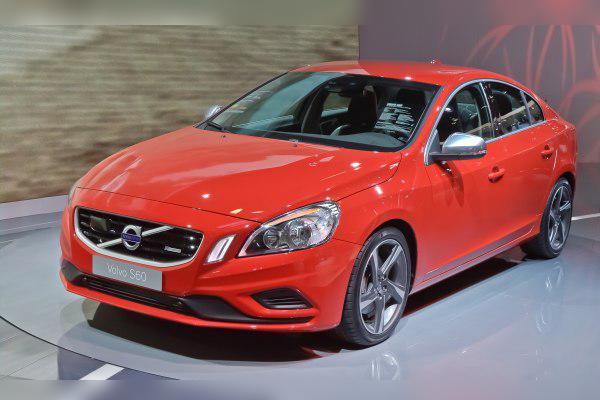
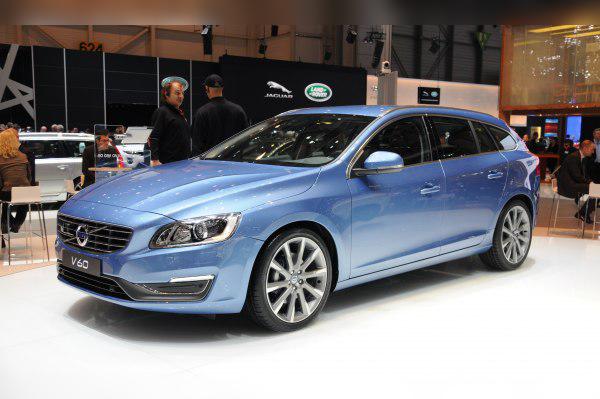
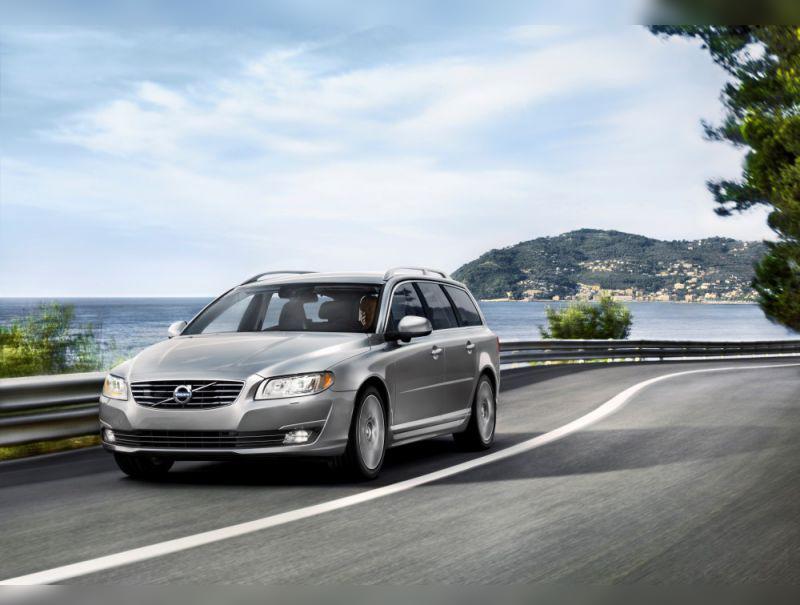
The engine designated D5244T11 is one of the last and most powerful iterations of Volvo’s famous 2.4‑liter five‑cylinder diesel, before the industry switched to smaller four‑cylinder units. It was installed in heavy cruisers such as the XC60, XC70, V70, S80, as well as in the somewhat lighter S60 and V60 models from 2011 until the end of that generation. With 215 horsepower, this engine is designed to devour highway miles, offering the characteristic burbling five‑cylinder sound and massive pulling power. However, its complexity requires an owner who understands the importance of preventive maintenance.
Technical specifications
| Parameter | Data |
|---|---|
| Engine code | D5244T11 |
| Displacement | 2400 cc (2.4 liters) |
| Cylinder layout | Inline, 5 cylinders |
| Power | 158 kW (215 HP) at 4000 rpm |
| Torque | 420 Nm (often 440 Nm with automatic gearbox) at 1500–3000 rpm |
| Fuel type | Diesel (Common Rail) |
| Charging | Bi‑Turbo (two turbochargers), intercooler |
Reliability and maintenance
Timing system and the engine’s biggest weakness
This engine uses a timing belt. Factory intervals for the major service often go up to 150,000 km, but experienced mechanics recommend doing the major service at 100,000 to 120,000 km (or every 5 years). Why? The most common and most expensive failure on this engine does not come from the timing belt itself, but from the tensioner of the auxiliary (serpentine) belt. If the tensioner fails or the serpentine belt snaps, the engine’s design allows pieces of the serpentine belt to easily slip under the timing belt. This leads to skipped timing, broken rocker arms and often complete destruction of the cylinder head. Regular inspection and replacement of the entire auxiliary belt drive is absolutely crucial!
Engine oil: Capacity and consumption
The engine takes about 5.9 liters of oil (including the filter). The recommended grade is strictly 0W‑30 with ACEA A5/B5 specification. As for oil consumption, these engines generally do not consume oil to a degree that requires topping up. However, a reverse and much more dangerous problem appears here – the oil level in the sump rising. Due to DPF regeneration issues (especially in city driving), excess diesel runs down into the sump and mixes with the oil. The symptom is the level on the dipstick rising above the maximum mark and a warning on the instrument cluster saying “Engine oil level too high”. If this happens, the oil is compromised (diluted) and must be replaced immediately to prevent crankshaft bearings from failing.
Injector longevity
In this generation of D5 engines Volvo used advanced piezo injectors. They are very precise but sensitive to poor fuel quality. On average they last around 200,000 to 250,000 km before they start to show signs of wear. Symptoms of bad injectors include rough idle (ticking), difficult cold starts, increased exhaust smoke and slight jerking under acceleration. Piezo injectors can be overhauled, but it is expensive (depends on the market).
Specific components and systems
Bi‑Turbo charging system
The D5244T11 engine uses two turbochargers (a smaller one for low revs, a larger one for high revs). This eliminates turbo lag and provides linear acceleration. The turbochargers themselves have a long service life (they often last as long as the engine if the oil is changed regularly), but the surrounding hardware causes headaches. Over time, vacuum hoses become porous, and the electro‑pneumatic control valves (solenoids) that regulate turbo operation tend to fail. The symptom is a sudden loss of power and the vehicle going into limp mode (safety mode).
DPF, EGR and AdBlue system
Does it have EGR and DPF? Yes, both are present and represent the usual weak points of modern diesels. The EGR valve often clogs with soot, especially if the car is driven on short city trips, which leads to engine choking and diagnostic trouble codes. The DPF filter also requires regular open‑road driving for proper regeneration. Fortunately, this particular engine (215 HP) in the vast majority of versions does not have an AdBlue system. The absence of an SCR (AdBlue) catalyst is a huge plus for used‑car buyers, as it saves you from expensive failures of urea pumps and tank heaters.
Fuel consumption and performance
Real‑world consumption and driving behavior
Expecting the fuel economy of a small city car from a 2.4‑liter five‑cylinder engine is unrealistic. In city driving, consumption ranges from 8.5 up to 11 l/100 km, depending on body weight (the XC60 and XC70 with all‑wheel drive – AWD – are the heaviest and use the most fuel).
Is the engine “lazy”? Absolutely not. With 420 Nm (or 440 Nm with the automatic) available from just 1500 rpm, the engine easily hauls heavy SUV and estate bodies. Acceleration is strong and smooth.
Open road and cruising
The D5 engine truly shines on the motorway. At 130 km/h in sixth gear, the engine cruises at a very relaxed 2200 to 2400 rpm (depending on the gearbox). In these conditions the cabin is exceptionally quiet, and fuel consumption drops to a very acceptable 6.5 to 7.5 l/100 km.
Additional options and modifications
This engine block is extremely robust and can handle increased power. Thanks to the two turbochargers and large intercooler, a safe Stage 1 remap brings excellent results. Power can be easily raised from 215 HP to about 245 to 250 HP, while torque climbs to nearly 500 Nm. Volvo itself even offered a factory “Polestar Optimization” map that increased power to around 230 HP while retaining the factory warranty, which says a lot about the power reserves this engine has.
Gearbox and drivetrain
Manual gearbox (M66)
The six‑speed manual gearboxes are mechanically almost indestructible. However, this model uses a dual‑mass flywheel. Due to the high torque, the dual‑mass flywheel is heavily stressed and usually fails between 150,000 and 200,000 km. Symptoms include rattling at idle, vibrations when switching the engine off and jerks when setting off. A clutch kit with dual‑mass flywheel is expensive (depends on the market).
Automatic gearbox (Aisin TF‑80SC)
Most D5 engines with this power output are paired with a six‑speed conventional automatic with a torque converter (it does not have a typical dual‑mass flywheel like the manual). The biggest issue with this gearbox is Volvo’s former claim that the oil in the transmission is “lifetime”. If the oil is not changed regularly, contamination destroys the valve body. Symptoms of valve body failure are harsh shifts (thumping) when changing gears, especially when the gearbox is hot, and harsh engagement from P into D or R. Repair is very expensive (depends on the market). To make the gearbox last, the oil must be changed (ideally with a full fluid exchange) every 60,000 km.
Buying used and conclusion
What must be checked before buying?
- Oil level: Pull out the dipstick. If the level is above “Max”, the DPF has a serious problem and fuel is in the oil.
- Engine bay noises: Listen to the side where the belts are. Any squealing or rattling from the tensioners is a red flag due to the risk of the serpentine belt getting into the timing belt.
- Cold start: The engine should fire up instantly without blue smoke. Rough running points to bad injectors.
- Gearbox test: Drive the car until it is fully warmed up (at least 30 minutes). If the automatic gearbox starts to jerk and thump when stopping or setting off only once it’s hot – walk away from the deal or demand a major price reduction.
Who is this engine for?
The Volvo 2.4 D5 (215 HP) is not an engine for short trips to the shop, the market and daily rush‑hour traffic. In that kind of use, DPF issues and fuel consumption will kill it. This is a thoroughbred long‑distance cruiser. If you regularly drive on motorways, go to the mountains (where AWD really shines) and cover higher mileages, this five‑cylinder will provide safety, power and reliability, along with one of the best sounds the diesel industry has ever produced. Just make sure it gets regular gearbox services and top‑quality replacement parts for the drive system.