Volvo 2.4 D5 (D5244T4) – Experiences, problems, fuel consumption and used car buying tips
Most important in short (TL;DR):
- Legendary Volvo five-cylinder with 185 hp – fantastic sound and huge durability of the core mechanics (engine block and head).
- Critical flaw: Failure of the auxiliary (serpentine) belt which can slip under the timing belt and destroy the engine. Regular replacement of the tensioner is mandatory!
- Intake swirl flaps: The small linkage that actuates them often breaks or falls off, which requires replacement or blanking.
- The DPF filter causes headaches in city driving, often leading to diesel fuel mixing with engine oil (rising oil level in the sump).
- The automatic gearbox (Aisin) requires mandatory oil changes every 60,000 km, otherwise the valve body fails.
- Not the most economical in the city (especially in heavy models like the XC90), but an excellent cruiser on the motorway.
Contents
- Introduction: What you need to know about the D5244T4 engine
- Technical specifications
- Reliability and maintenance
- Specific parts and common failures
- Fuel consumption and performance
- Tuning options and modifications
- Gearbox and drivetrain
- Buying used and conclusion
Introduction: What you need to know about the D5244T4 engine
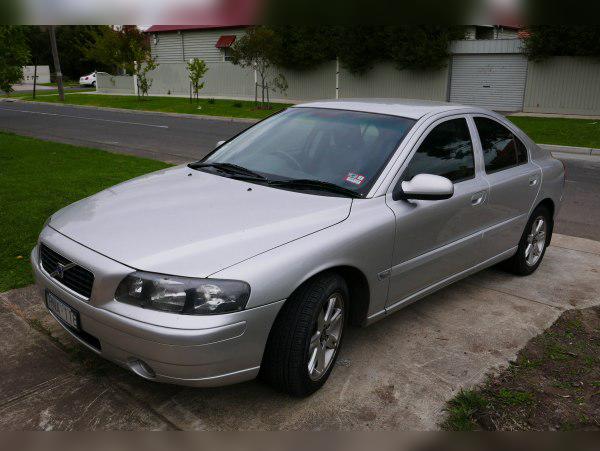
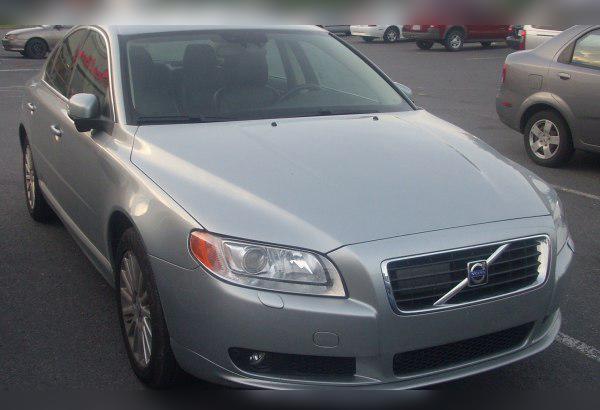
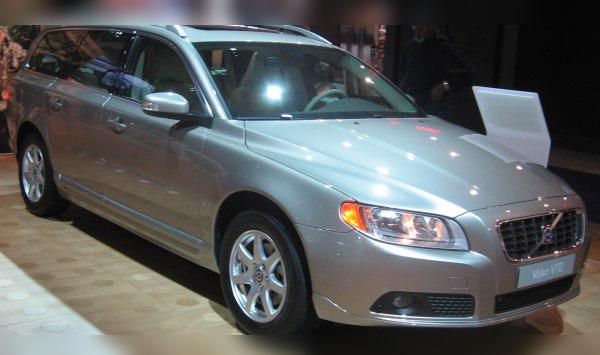
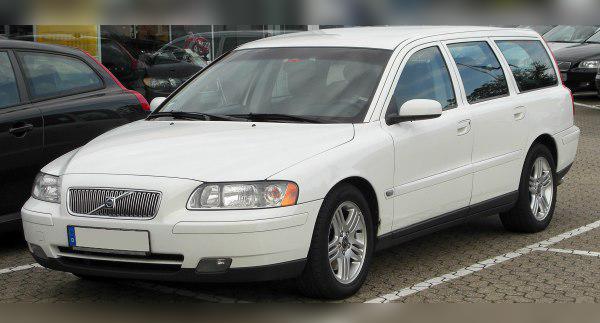
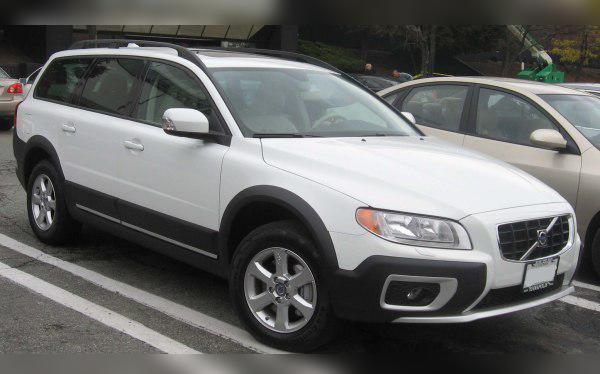
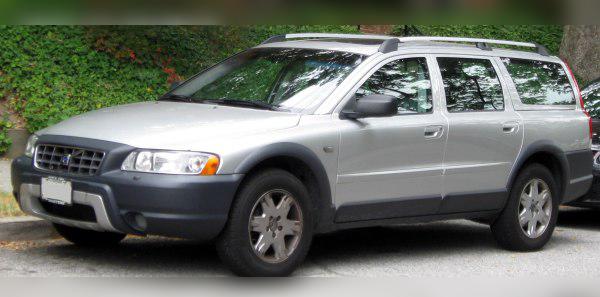
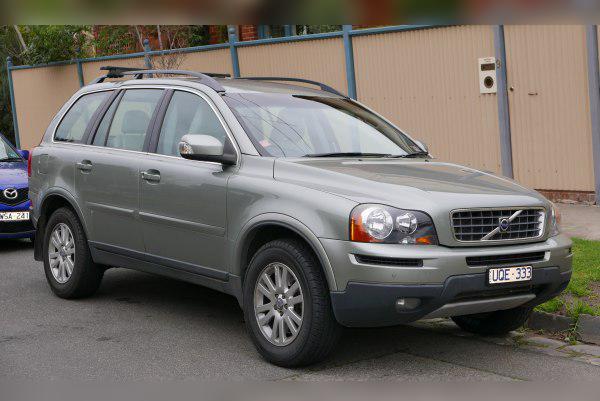
If you are looking for a robust diesel engine that can cover hundreds of thousands of kilometres, Volvo’s D5244T4 is a name you will definitely come across. This is the second generation of the famous “D5” aluminium five‑cylinder (Euro 4 standard), fitted mostly from 2005 to 2009 in heavyweights such as the XC90, XC70, V70, S80, but also in the S60. The sound of this engine is unique for a diesel, and the 400 Nm of torque guarantees serious pulling power. However, this is not an engine that tolerates neglect. Unlike the first generation (163 hp), this 185 hp version brought more advanced emissions control (DPF, more complex EGR) and variable intake geometry, which in practice means more potential points for expensive failures if the vehicle has not been properly maintained.
Technical specifications
| Specification | Data |
|---|---|
| Engine code | D5244T4 |
| Engine displacement | 2401 cc (2.4 L) |
| Configuration | Inline 5-cylinder |
| Power output | 136 kW (185 hp) |
| Torque | 400 Nm |
| Injection type | Common Rail (Bosch) |
| Charging system | Turbocharger (VNT), intercooler |
| Timing system | Timing belt (DOHC, 20 valves) |
Reliability and maintenance
Timing belt and the risk from the auxiliary belt
This engine uses a timing belt. The manufacturer specifies a major service at around 150,000 km, but any experienced mechanic will tell you to shorten that interval to a maximum of 100,000 km or 5 years. Why? The biggest and most bizarre flaw of this engine is not the timing belt itself, but the auxiliary (serpentine) belt that drives the alternator and A/C compressor. When the serpentine belt tensioner fails, the belt snaps and, due to poor design of the plastic cover, pieces of the belt get sucked straight under the timing belt. The result is skipped timing, valves hitting pistons and catastrophic engine failure. That’s why during the major service you MUST replace the entire auxiliary drive set with original or top‑quality aftermarket parts.
Engine oil and regular servicing
The sump holds between 5.5 and 6.0 litres of oil (depending on the filter and the exact sump design). Volvo strictly recommends fully synthetic oil of grade 0W‑30 (A5/B5 specification). This thin grade is necessary because of the hydraulic lifters and turbo cooling. The D5244T4 generally does not consume oil to the extent that you need to top up between services (up to 0.5 litres per 10,000 km is normal). However, here you get the exact opposite problem: the oil level rises! Due to interrupted DPF regenerations (in city driving), raw diesel runs down the cylinder walls into the sump and mixes with the oil. This drastically lowers oil viscosity and can lead to crankshaft and bearing seizure. The driver must monitor this on the dipstick – if the level goes above the maximum mark, the oil must be changed immediately.
Injectors
The injection system is Bosch Common Rail. The injectors are extremely durable and rarely cause problems before 250,000 to 300,000 km, provided the fuel filter is changed regularly and quality diesel is used. When they wear out, symptoms include rough idle (engine shaking), black smoke under hard acceleration and difficult cold starts. Injector overhaul is possible and falls into the moderately expensive to expensive category (depending on the market).
Specific parts and common failures
Intake manifold swirl flaps
This is a failure that will eventually catch up with every owner of a 185 hp D5 engine. There are swirl flaps in the intake manifold that regulate airflow. They are actuated by a small electric motor via a thin plastic linkage. Due to soot build‑up from the EGR valve, the flaps become hard to move, the plastic linkage breaks or simply pops off the ball joint. Symptoms are a slight loss of power at low revs and a check engine light. The solution is either an expensive replacement of the whole system and cleaning of the intake manifold, or permanent flap removal (software and physical), which is a common practice.
DPF, EGR and AdBlue
This model does not have AdBlue because it belongs to the Euro 4 generation. However, it does have a DPF (diesel particulate filter) and an EGR valve. The EGR valve quickly clogs with soot, causing engine hesitation and loss of power. The DPF is a huge problem for drivers who use the car mainly in the city. Due to low exhaust gas temperatures, the system cannot burn off the soot. Symptoms of a clogged DPF are frequent regenerations (the radiator fan runs at maximum speed even after you switch off the engine), reduced performance and the already mentioned fuel mixing with oil. A new DPF is very expensive (depending on the market), so many owners opt for professional cleaning or permanent removal (where the law allows it).
Turbocharger
The engine uses a single VNT (Variable Nozzle Turbine) turbocharger, oil‑cooled. The turbo itself is long‑lasting and can easily exceed 300,000 km without issues. What tends to fail is the electronic actuator of the variable geometry. Due to soot build‑up, the vanes get stuck, the actuator cannot move them and the car goes into limp mode, losing almost all power. The repair usually requires removing and cleaning the turbo and overhauling the actuator.
Fuel consumption and performance
This engine powers heavy bodies. In S60 and V70 models, the engine plays with the vehicle’s weight. But in a giant like the Volvo XC90 (which weighs around 2.1 tonnes), performance is adequate but not sporty. The engine is not “lazy”, 400 Nm pulls very well from low revs, but due to the mass you should not expect miracles when overtaking uphill.
- City driving: In the S60/V70, fuel consumption is around 8.5 to 9.5 l/100 km. In the XC90, real‑world consumption in stop‑and‑go traffic hardly goes below 11.5 to 12.5 l/100 km, especially with the automatic gearbox.
- Motorway: This is where the D5 shines. At 130 km/h in sixth gear (manual or automatic), the engine runs at about 2200–2400 rpm. Consumption is then around 6.5 l/100 km for saloons, and about 8.0 l/100 km for the aerodynamically less efficient XC90. Cruising is quiet and extremely comfortable.
Tuning options and modifications
Is the D5244T4 good for remapping? Absolutely. This engine is mechanically heavily over‑engineered (thick block, strong conrods). With a Stage 1 remap, power is easily and safely raised from 185 hp to around 215 to 225 hp, while torque jumps to an impressive 450–460 Nm. The engine handles this without any problems. The only limitation is the gearbox – especially if you have the automatic (TF‑80SC), sudden full‑throttle with that much torque can prematurely wear the clutches inside the gearbox or damage the dual‑mass flywheel on manuals. That’s why it is important that the tuner “smooths out” the torque curve so it doesn’t hit too aggressively at low revs.
Gearbox and drivetrain
Manual gearbox (M66)
The six‑speed M66 manual gearbox is virtually indestructible. However, it is paired with a dual‑mass flywheel. Given the high torque of 400 Nm, the flywheel usually fails around 200,000 to 250,000 km, especially if the driver has a heavy right foot at low revs. Symptoms are metallic knocking when switching off the engine and vibrations on the clutch pedal. Replacing the clutch kit together with the dual‑mass flywheel and slave cylinder is very expensive (depending on the market).
Automatic gearbox (Aisin TF‑80SC Geartronic)
A huge number of these engines are paired with the Aisin 6‑speed automatic. Volvo once claimed that the gearbox oil is “lifetime” (does not need changing), which is a huge lie that killed thousands of gearboxes. The oil MUST be changed every 60,000 km (so‑called dynamic flush). If the oil is not changed, metal particles accumulate in it and destroy the valve body. Symptoms of a damaged valve body are harsh jolts when shifting from P to R or D, as well as jerking when shifting from 2nd to 3rd gear when the gearbox is hot. Repairing the valve body or a full gearbox overhaul is extremely expensive (depending on the market). In addition, AWD versions require maintenance of the Haldex coupling – the oil and filter in the Haldex must also be changed every 60,000 km, otherwise the pump fails and you are left with front‑wheel drive only.
Buying used and conclusion
Before you hand over your money for a Volvo with this engine, follow these steps:
- Check the dipstick: If the oil level is above the maximum and smells of diesel, walk away from that car. The engine has probably been damaged by bad DPF regenerations.
- Test a cold start: Listen to the engine during the first 5 seconds. Rattling may indicate worn hydraulic lifters (which requires removing the cylinder head).
- Visual inspection of the swirl flaps: Remove the plastic engine cover. Look at the black plastic linkage on the right side of the intake manifold. If it is “hanging” or missing, be aware that a repair is waiting for you.
- Test the gearbox when hot: Drive the car until it reaches operating temperature (at least half an hour). Then drive it gently and monitor the gear changes. If the automatic jerks at that point, walk away from the purchase.
Conclusion: Who is the D5244T4 for?
This engine is intended for drivers who cover high mileage outside the city and on motorways, where the DPF and EGR do not have a chance to clog. If you are looking for a car solely to drive kids to school and to the supermarket, this engine will quickly drain your wallet. For long journeys, it is one of the most reliable, most durable and best‑sounding diesels ever made, provided you have the budget to replace belts and automatic transmission oil preventively.