JLH-4G20TD (190 hp): Experiences, issues, fuel consumption and used-car buying tips
- Volvo DNA: Although it carries a Geely/Lynk & Co badge, this is essentially a derivative of the proven Volvo Drive-E architecture (similar to the T4 engines).
- Strong and flexible: With 300 Nm of torque, the engine is extremely agile, even in heavier SUV bodies.
- Direct injection (GDI): Sensitive to fuel quality and prone to carbon buildup on intake valves after higher mileage.
- Demanding maintenance: Does not tolerate saving on oil – only high-quality 0W-20 fully synthetic oil.
- Transmissions: Mostly paired with fast wet-clutch DCT gearboxes (dual-clutch) or conventional automatics, where regular oil changes are crucial for longevity.
- Not for LPG: Due to the specific injection system, LPG conversion is uneconomical and technically complicated.
Contents
- Introduction: Engine origin and purpose
- Technical specifications
- Reliability and maintenance
- Specific components (costs and failures)
- Fuel consumption and performance
- Additional options and modifications
- Transmission and drivetrain
- Buying used and conclusion
Introduction: Engine origin and purpose
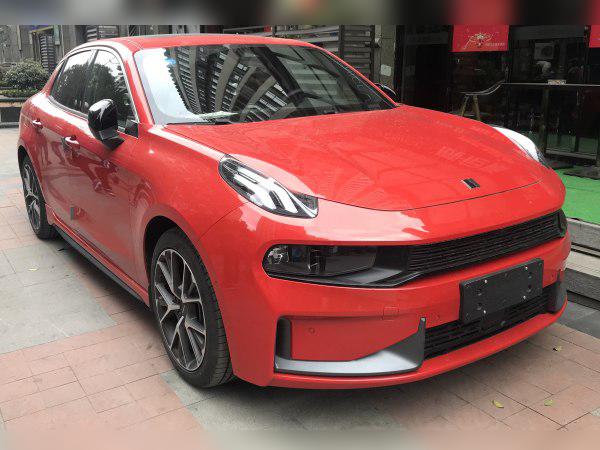
The engine designated as JLH-4G20TD may at first glance seem unfamiliar, but a more experienced eye will immediately recognize Swedish engineering. This power unit is the result of close cooperation between Geely and Volvo, and represents a variation of the well-known Drive-E (VEA) engine family. It is installed in the group’s premium models, primarily in Lynk & Co (models 01, 02, 03) and more upscale Geely models such as the Xingrui sedan. With 190 horsepower, it is designed to provide an ideal balance between performance needed for heavier vehicles and reasonable running costs.
Technical specifications
| Displacement: | 1969 cc |
| Power: | 140 kW (190 hp) |
| Torque: | 300 Nm |
| Engine codes: | JLH-4G20TD (Drive-E T4 equivalent) |
| Injection type: | Direct injection (GDI) |
| Charging system: | Turbocharger (single turbo), intercooler |
Reliability and maintenance
Timing system: timing belt or chain?
Just like the original Volvo Drive-E engines, the JLH-4G20TD uses a timing belt. This is good news because the engine runs more quietly, but it requires strict adherence to replacement intervals. A snapped belt leads to total engine failure and contact between valves and pistons.
At what mileage should the major service be done?
Factory intervals often state over 150,000 km, but from a mechanical and longevity standpoint, the major service should be done at around 120,000 km or every 7 to 8 years (whichever comes first). During the major service, the water pump must also be replaced, as well as all tensioners and idler pulleys.
Oil: quantity, grade and consumption
This engine takes about 5.6 to 5.9 liters of oil (depending on the filter and the exact sump specification for the given model). Tolerances in the engine are extremely tight, and the VVT (variable valve timing system) depends on oil pressure. Because of this, only fully synthetic 0W-20 oil that meets VCC RBS0-2AE standards is recommended.
Does it consume oil? Modern turbo petrol engines always consume a certain amount. Consumption of 0.2 to 0.4 liters per 10,000 km is considered completely normal, especially if the car is often driven on the motorway under higher load. If consumption exceeds 1 liter per 10,000 km, this is a sign to check the PCV valve (oil separator) or piston oil rings.
Most common failures
This engine is generally very robust, but it suffers from the standard weaknesses of GDI (direct injection) technology. Carbon buildup on intake valves is the most common issue at mileages over 100,000 km. The driver will notice this as rough idle (shuddering), loss of power and slightly increased fuel consumption. Cleaning is done by walnut shell blasting. Also, the PCV valve (oil separator) can fail, which manifests itself as a high-pitched whistling noise from the engine and increased oil consumption.
At what mileage should the spark plugs be replaced?
Since this is a turbocharged direct-injection engine that runs at high temperatures, iridium spark plugs should be replaced no later than at 60,000 km. Delaying replacement puts extra strain on the ignition coils, which then burn out, making the repair significantly more expensive.
Specific components (costs and failures)
Dual-mass flywheel
Yes, even though it is a petrol engine, models equipped with a DCT (dual-clutch transmission) have a dual-mass flywheel to dampen torque shocks towards the gearbox. Its service life is usually over 150,000 km, but when the time comes for replacement, the part is quite expensive (price depends on the market).
Fuel injection system
The injectors are high-pressure because the fuel is injected directly into the cylinder. They are not overly problematic, but they are sensitive to poor-quality fuel with a lot of sulfur and water. Symptoms of clogged injectors are hard cold starts, loss of performance and a "Check Engine" light due to poor combustion (misfire).
Turbocharger
The engine uses a single turbocharger optimized for quick response at low revs. The turbo’s lifespan exceeds 200,000 km provided the driver changes the oil on time (at a maximum of every 15,000 km, never 30,000 km) and does not switch off a hot engine immediately after hard driving. Turbocharger rebuilding is possible and the price is medium to high (depends on the market).
Emissions: EGR, GPF (instead of DPF) and AdBlue
Since this is a pure petrol engine, it does not have a DPF filter and does not use AdBlue fluid. However, newer Euro 6 iterations of this engine (after 2018) are equipped with a GPF (Gasoline Particulate Filter). Unlike diesels, GPFs on petrol engines rarely cause problems because exhaust gas temperatures are much higher, so the filter regenerates more easily on its own. Still, exclusively short city trips can lead to clogging. The engine also has an electronically controlled EGR valve which can stick due to carbon buildup, causing rough idle.
Fuel consumption and performance
City driving and real-world consumption
If this engine is installed in a model such as the Lynk & Co 01 (a compact SUV weighing over 1.7 tons), do not expect miracles at the pump. Real-world consumption in stop-and-go city driving ranges between 9.5 and 11 liters per 100 km. In sedans and more aerodynamic models (such as the Lynk & Co 03), it is around 8.5 to 9.5 liters.
Is the engine "lazy"?
Absolutely not. With 300 Nm of torque available from just 1400 rpm, the JLH-4G20TD behaves almost like a modern diesel. It responds quickly to throttle input and easily hauls heavier bodies, without the need to constantly rev it into the red.
Motorway driving and cruising
This power unit really shines on the motorway. At 130 km/h in 7th gear (with the DCT) or 8th gear (conventional automatic), the engine cruises at a very relaxed 2200 to 2400 rpm. This ensures low noise levels in the cabin. Fuel consumption on the motorway at this speed is a very reasonable 7.0 to 8.0 liters per 100 km.
Additional options and modifications
Is it suitable for LPG conversion?
Short answer: It is not recommended. Due to direct injection, LPG conversion requires specialized liquid injection systems (which are extremely expensive) or systems that constantly use petrol as well (around 15–20%) to cool the petrol injectors. When you factor in the cost of installation and maintenance, the cost-effectiveness becomes highly questionable.
Chiptuning (Stage 1 remap)
Since the engine block comes from the Volvo family that can handle much higher power outputs (there are factory versions of these blocks with over 250 hp), this engine is an excellent candidate for a software tune. A safe "Stage 1" raises power to around 230–240 hp and torque to over 360 Nm. The car becomes noticeably sharper, and the hardware (turbo and injectors) can handle this without any issues, provided the engine is mechanically sound.
Transmission and drivetrain
Types of gearboxes and failures
With this engine in Europe, it is almost impossible to find a manual gearbox. The most common options are:
- 7-speed wet-clutch DCT (7DCT330): Developed by Geely/Volvo. A very fast gearbox. Its downside is slight jerking (delay) when starting uphill or creeping in traffic. If the gearbox jerks strongly when shifting from 1st to 2nd gear, this indicates a problem with the mechatronics or a worn clutch pack.
- Aisin automatic gearbox (6 or 8 speeds): A conventional automatic with a torque converter. It is somewhat slower than the DCT, but significantly smoother and mechanically more durable. The most common failure is a harsh engagement when shifting into "D" or "R", which is a sign of valve body issues due to irregular oil changes.
Transmission maintenance and costs
The DCT gearbox uses the aforementioned dual-mass flywheel and a dual wet-clutch pack. If the clutches slip, replacing the complete set (flywheel + clutches) is an expensive repair (price depends on the market). To prevent failures, servicing the gearbox and changing the oil every 60,000 km is mandatory for both types of transmissions.
Buying used and conclusion
What to check before buying?
When buying a used car with the JLH-4G20TD engine, focus on the following:
- Cold start: Ask the seller not to start the car before you arrive. At the first start, listen for rattling from the top of the engine. If the rattling lasts longer than a few seconds, the VVT pulleys or belt tensioner may need replacement.
- Whistling noise: Listen to the engine idling. A sound similar to a whistling kettle that disappears when you pull out the dipstick indicates a torn PCV valve membrane.
- Gearbox behavior: During the test drive, decelerate sharply and then accelerate. The DCT gearbox should not be harsh or produce metallic knocks.
- Service history: This engine does not forgive poor maintenance. Check whether oil and spark plugs have been changed regularly.
Who is this engine for?
The JLH-4G20TD engine is an excellent choice for drivers who want a premium driving feel, strong motorway performance and refined operation, while avoiding traditional German brands. Thanks to Volvo technology, this is a mechanically very reliable power unit. However, it is not ideal for buyers who expect minimal maintenance costs or are looking for a car used exclusively for short city trips (where fuel consumption will be relatively high).