Alfa Romeo AR 32310 2.0 Twin Spark (150 HP) – Experiences, problems, fuel consumption and used car buying tips
Key points in short (TL;DR)
- Performance: A great, lively naturally aspirated engine that loves high revs and offers an authentic sporty driving feel.
- Reliability: Requires meticulous maintenance. Sensitive to oil level, and neglect leads to serious crankshaft and bearing failures.
- Oil consumption: It is designed to consume oil. Consumption of 0.5 to 1 liter per 1000 km is not unusual and is considered within factory tolerance.
- Typical issues: The phase variator is the weakest point (the engine sounds like a diesel on cold morning starts).
- Maintenance: Spark plug replacement is expensive because there are eight of them (Twin Spark technology). The timing belt service interval is strictly reduced to 60,000 km.
- Gearboxes: Manual gearboxes are reliable, while the robotized automatic (Selespeed) often causes major and expensive headaches.
Contents
- Introduction: The charm and temperament of the Cuore Sportivo philosophy
- Technical specifications
- Reliability, Maintenance and Failures
- Specific Parts and Maintenance Costs
- Fuel Consumption and On-road Behavior
- Extras: LPG Conversion and Chiptuning
- Gearboxes: Manual vs Selespeed
- Used Car Buying Tips and Conclusion
Introduction: The charm and temperament of the Cuore Sportivo philosophy
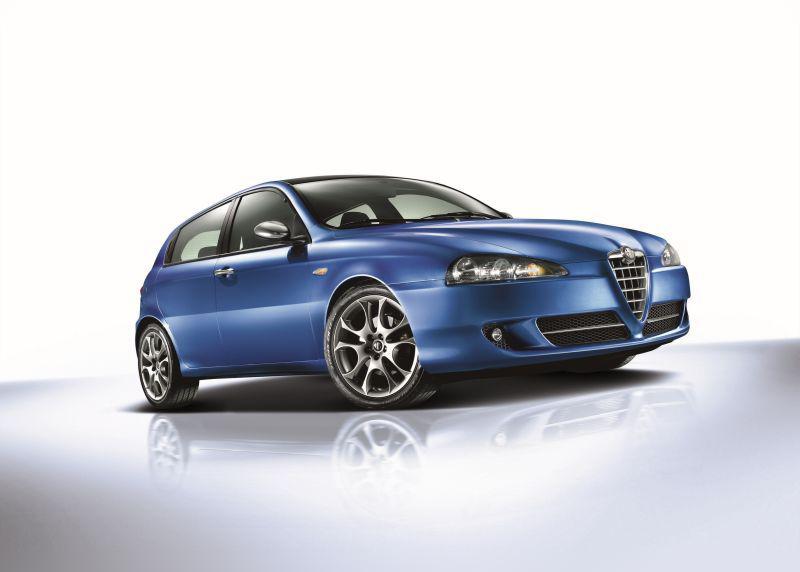
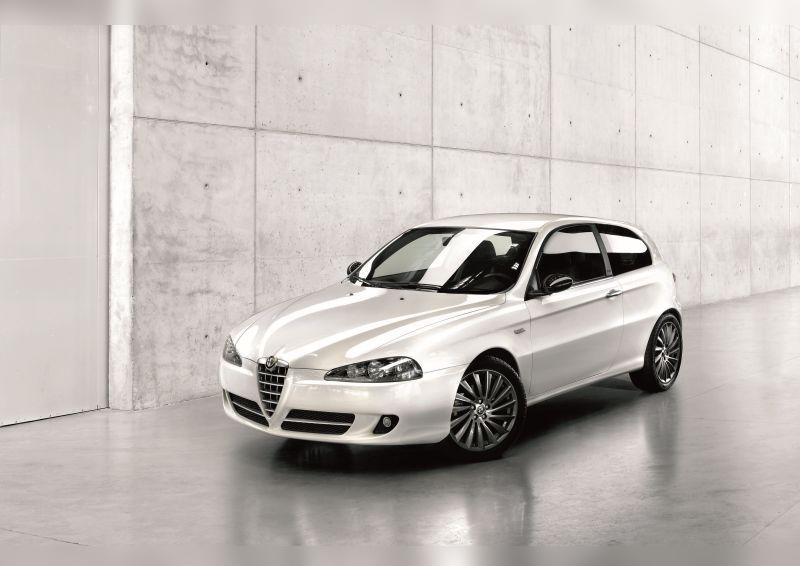
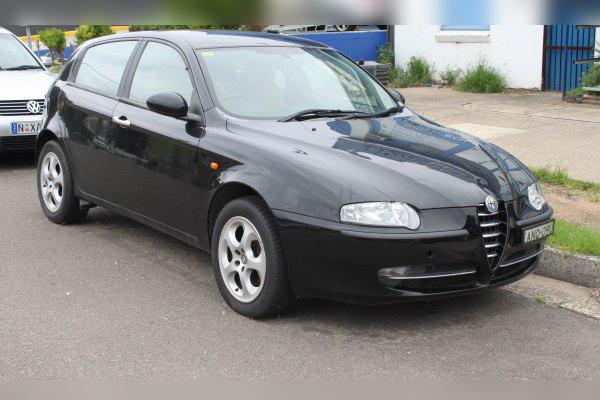
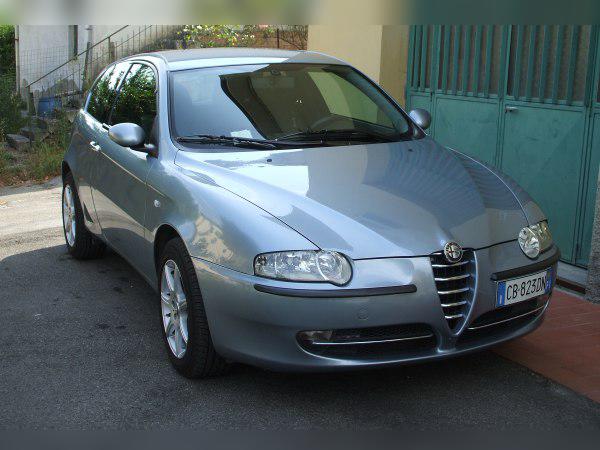
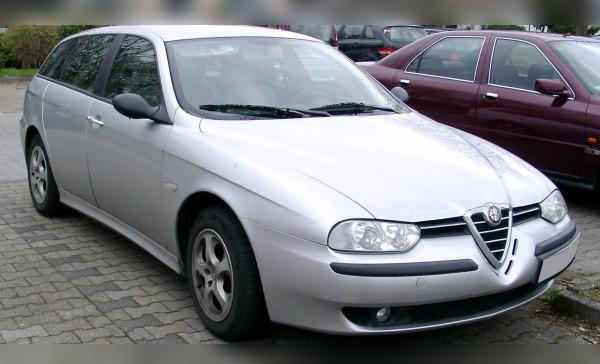
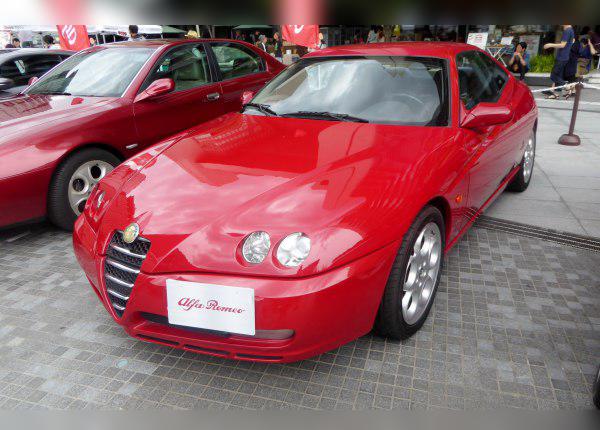
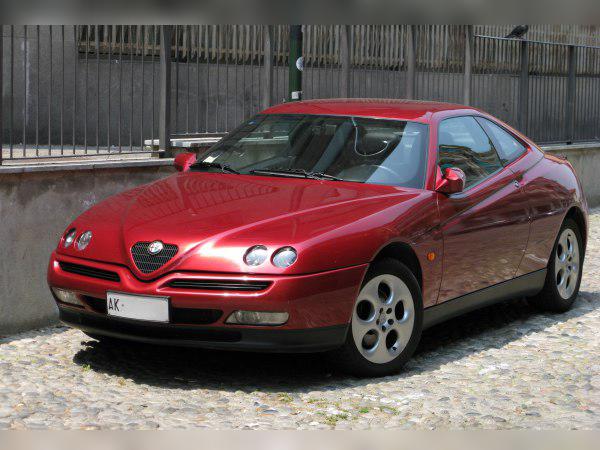
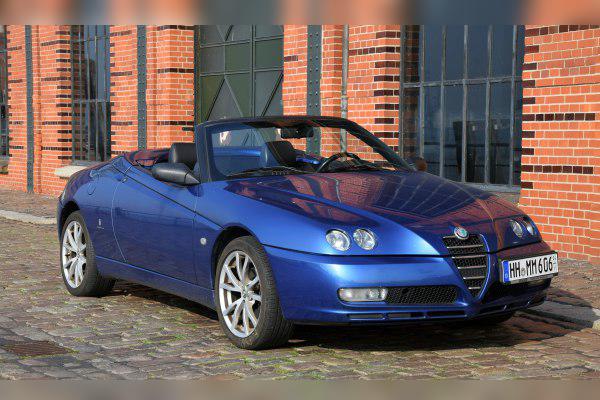
The engine designated as AR 32310, better known as the 2.0 Twin Spark 16V, is one of the most famous naturally aspirated petrol engines from the golden era of modern Alfa Romeo history. It was installed in iconic models such as the Alfa Romeo 147, 156, GTV and Spider. This engine is synonymous with what brand enthusiasts call "Cuore Sportivo" (Sporting heart) – it offers a fantastic sound, sharp throttle response and loves to rev high. However, its reputation is mixed. While enthusiasts adore it, average drivers often consider it demanding and too expensive to maintain due to specific engineering solutions such as two spark plugs per cylinder and the phase variator.
Technical specifications
| Parameter | Value |
|---|---|
| Engine displacement | 1970 cc |
| Power | 110 kW (150 HP) |
| Torque | 181 Nm |
| Engine code | AR 32310 |
| Injection type | Indirect (Multi-Point Injection - MPI) |
| Induction | Naturally aspirated |
Reliability, Maintenance and Failures
Timing belt and Major service
This engine uses a timing belt. One of the most important things every owner must know is that the timing belt replacement interval is extremely strict. Although early factory data suggested replacement at 120,000 km, practice quickly showed that belts snap before that mileage, leading to catastrophic engine failure (bent valves, damaged pistons). Because of this, a new, shorter interval was prescribed: the major service must be done every 60,000 km or every 3 to 4 years, whichever comes first. Skipping this rule is gambling with the engine.
Oil and Oil consumption
The oil sump holds about 4.4 liters of oil. The factory specified 10W-40 (the best-known being Selenia 20K), while for spirited driving and summer months 10W-60 (Selenia Racing) is strongly recommended, as it better withstands high temperatures and reduces consumption. And when it comes to oil consumption – yes, this engine consumes oil between services. The factory specification states that consumption of up to 1 liter per 1000 km is within tolerance. In reality, a healthy engine consumes about 0.3 to 0.5 liters per 1000 km. The oil level must be checked at least once every two weeks. If the engine runs "dry", the first to suffer is the crankshaft (big-end and main bearings), which means opening and overhauling the engine, and that is very expensive (depends on the market).
Most common failures
Besides being sensitive to oil and the timing belt, the phase variator is the best-known weak point. Its task is to change the camshaft angle for better performance, but when it wears out, the engine sounds exactly like a diesel on cold start. It is not fatal, but it is irritating. It is replaced only as part of the major service. Also, ignition coils can fail due to age, and there are occasional problems with the crankshaft position sensor and the MAF sensor (airflow meter), which cause jerking, loss of power and unstable idle.
Ignition system: 8 spark plugs
The Twin Spark designation means two spark plugs per cylinder (eight in total). This improves combustion and reduces emissions, but drastically increases the cost of regular maintenance. Only high-quality platinum spark plugs are recommended, with a service life of about 100,000 km. However, since you are buying four large and four small plugs, the price of a complete set ranges from expensive to very expensive (depends on the market).
Specific Parts and Maintenance Costs
Flywheel and Injection
Depending on the production year and specific model (especially in later 147 and 156), the 2.0 TS can have a dual-mass flywheel. It was installed to reduce vibrations, but given the age of these cars, there is a high chance it will need replacement, which is not cheap (depends on the market). The injection system is a classic Bosch Multi-Point Injection (MPI). The injectors are generally very reliable and rarely cause problems, and if they get dirty, ultrasonic cleaning is usually sufficient.
Turbo, DPF, EGR and AdBlue
This engine does not have a turbocharger, it breathes naturally. Also, since it is an older-generation petrol engine, it does not have a DPF filter or a complex EGR valve typical of diesels, and of course it has no AdBlue system. This frees you from many expensive failures characteristic of modern diesel engines. However, it does have a PCV system (crankcase ventilation) that can clog up and further increase oil consumption, so it should be cleaned from time to time.
Fuel Consumption and On-road Behavior
Performance and Driving feel
With its 150 HP and 181 Nm of torque, this engine is by no means "lazy". Body styles such as the 147 or 156 are an ideal weight match for it. Acceleration is smooth, and its true character only appears above 3,500 rpm. The engine loves to rev towards the redline, providing a phenomenal sound and a sporty throttle response.
Fuel consumption: City vs Highway
Fun comes at a price, and you will feel it at the fuel station. In city driving, real-world consumption is between 11 and 13 liters per 100 km. If you are more aggressive with the throttle, expect even more. On the highway, the situation is not ideal for long, quiet cruising. The gearbox has relatively short ratios, so at 130 km/h the engine is spinning at a high 3,800 to 4,000 rpm. This results in increased cabin noise and fuel consumption of around 8.5 to 9 l/100 km.
Extras: LPG Conversion and Chiptuning
The good news for your wallet is that this engine is extremely suitable for LPG (autogas) conversion. Standard sequential systems work flawlessly with MPI injection. If you install LPG, make sure that the ignition leads and coils are in perfect condition, because LPG is much more sensitive to a weak spark. On the other hand, if you are planning a software remap (Stage 1), you can forget about it. Since the engine is naturally aspirated, a remap will give you barely 5 to 8 HP, which you will not really feel in practice. It is much wiser to invest that money in a major service or in quality tyres and suspension.
Gearboxes: Manual vs Selespeed
Manual gearbox
It was mostly paired with a 5-speed manual gearbox. The manual gearbox is generally reliable, but on cars that have been driven hard, the second and third gear synchros often fail. The symptom is a characteristic grinding noise when quickly shifting from first to second gear. Replacing the clutch kit and, if necessary, the dual-mass flywheel (if fitted on a specific revision) is a regular expense, and the price is average for this class, not extremely high (depends on the market). The oil in the manual gearbox (75W-90) should be changed every 60,000 km.
Automatic - Selespeed gearbox
The other option is Selespeed, a robotized manual gearbox with a clutch operated by an electro-hydraulic actuator, while the driver changes gears via paddles on the steering wheel. Although it sounds technologically advanced (a system derived from Formula 1 of that era), in practice it is the most notorious component of these Alfas. The most common failures are high-pressure pump failure, loss of Selespeed fluid (oil) due to bad seals (O-rings), and failure of gear position sensors. Repairing the actuator is very expensive and few mechanics know how to repair and calibrate it properly. If you buy a Selespeed, you must regularly check the level of the special Tutela CS Speed oil. Our recommendation: if you want peace of mind, choose a manual gearbox only.
Used Car Buying Tips and Conclusion
What you must check before buying
- Cold start: Ask the seller to leave the engine completely cold. If, when starting, it sounds like an old diesel for the first 2–3 seconds (or constantly), the phase variator needs replacing.
- Oil level on the dipstick: Before the test drive, pull out the dipstick. If the oil level is at minimum or there is no oil, walk away immediately – the crankshaft has probably already suffered damage.
- Exhaust smoke: Watch the exhaust when you suddenly press the accelerator and when you suddenly lift off on a downhill (engine braking). Bluish smoke indicates worn piston rings or valve stem seals.
- Coolant condition: Check the coolant reservoir. Due to hard driving, the head gasket can fail. Any emulsion (sludge) like mayonnaise on the oil filler cap or in the coolant is a red flag.
- Selespeed diagnostics: If you still decide to buy a Selespeed, diagnostics must confirm hydraulic system pressure between 45 and 55 bar. Anything below that means the pump or pressure accumulator is failing.
Conclusion: Who is this engine for?
The Alfa Romeo 2.0 Twin Spark (AR 32310) is not an engine for someone who just wants basic transport from point A to point B with minimal expenses. Its maintenance requires dedication, weekly oil level checks and a mechanic who knows Italian cars very well. On the other hand, if you love driving, appreciate direct steering (especially in the 147 and 156) and want a naturally aspirated engine that rewards you every time you go past 4,000 rpm, the Twin Spark will put a smile on your face that few modern, muted engines can provide. Choose a well-preserved example with a manual gearbox, preferably with an already installed LPG system to make daily running costs more reasonable.