AAR 2.3 Engine (133 hp): Experiences, Problems, Fuel Consumption and Used-Buying Tips
- Most important in short (TL;DR):
- Legendary inline five-cylinder engine, famous for its fantastic sound and the long-term mechanical durability of the block and crankshaft.
- The biggest Achilles’ heel of this engine is the fuel injection system (KE-Motronic), which is extremely complicated to repair and very few mechanics still understand it today.
- Fuel consumption is high, especially in city driving with the heavy body of the Audi 100/A6 models.
- LPG (autogas) installation is a huge problem and often leads to fatal damage to the intake system.
- Maintaining the basic mechanicals is not expensive, but specific injection components can be very costly (Depends on the market).
- The engine has no dual-mass flywheel, no turbochargers and no modern emissions filters.
Contents
- Introduction: A Nineties Icon
- Technical Specifications
- Reliability and Maintenance
- Specific Parts (Costs)
- Fuel Consumption and Performance
- Additional Options and Modifications
- Gearbox and Drivetrain
- Buying Used and Conclusion
Introduction: A Nineties Icon
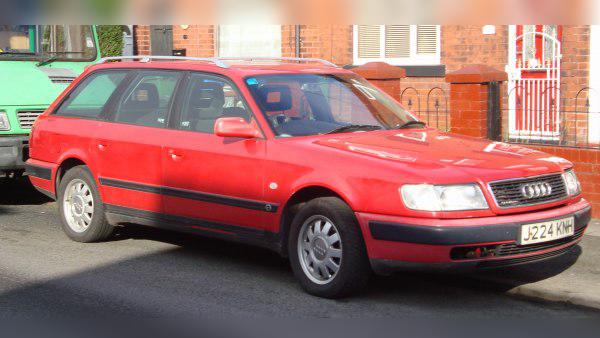
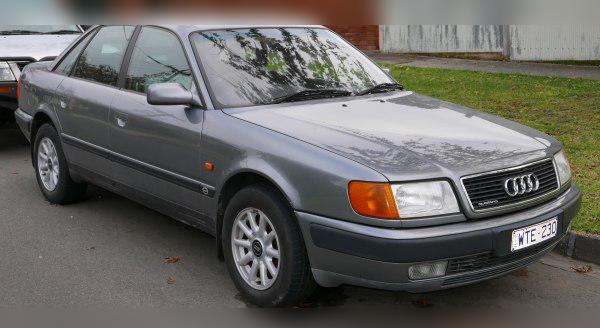
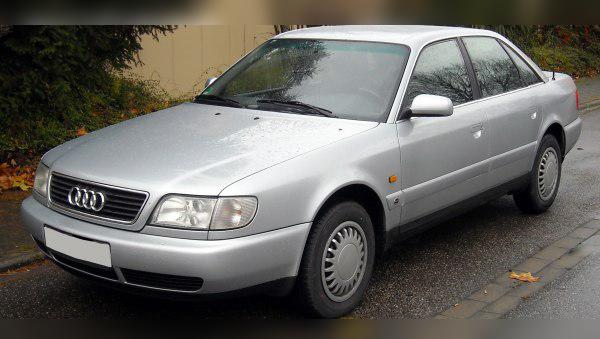
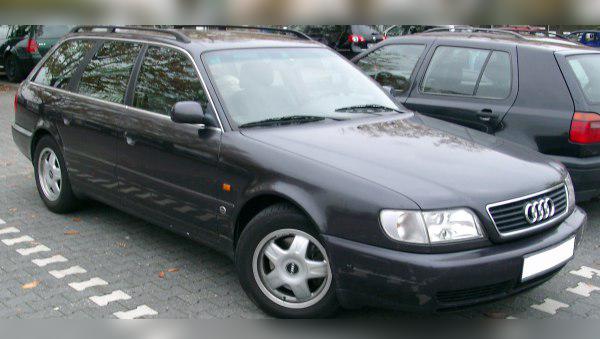
When talking about Audi’s history, the inline five-cylinder engines occupy a special place on the pedestal. The engine designated AAR, with a displacement of 2.3 liters, represented the pinnacle of naturally aspirated “fives” before the V6 architecture took over. It was primarily installed in E-segment heavyweights: the Audi 100 (C4) and its facelifted successor, the first generation Audi A6 (C4), both in sedan and Avant (wagon) versions, often paired with the famous quattro all-wheel drive. This engine is important because it offers that distinctive, throaty sound that stirs emotions, together with an extremely robust bottom end. However, the technology that feeds it fuel has become a real test of patience for every owner today.
Technical Specifications
| Parameter | Data |
|---|---|
| Displacement | 2309 cc |
| Power | 98 kW (133 hp) at 5500 rpm |
| Torque | 186 Nm at 4000 rpm |
| Engine code | AAR |
| Injection type | KE-Motronic (mechanical-electronic) |
| Induction type | Naturally aspirated |
Reliability and Maintenance
Timing belt or chain?
The AAR engine uses a classic timing belt for valve timing. There are no complicated chains, and the timing system itself is fairly simple for an average mechanic. The major service, which includes replacement of the timing belt, tensioner, idler pulleys and, importantly, the water pump (which in many versions is used to tension the belt), is done every 90,000 km or every 5 years. Skipping this interval leads to belt failure and contact between valves and pistons, which requires expensive cylinder head work.
Most common failures
When it comes to the block, crankshaft and pistons themselves, this engine is practically indestructible and can cover half a million kilometers without being opened. However, peripheral components cause headaches. The most common failures involve the ignition system and vacuum hoses. The distributor (cap and rotor) and spark plug wires tend to deteriorate with age, which causes jerking while driving and loss of power. Due to their age, all rubber and plastic vacuum hoses under the hood become brittle and crack. Then the engine draws “false air”, which completely disrupts idle, causing the engine to stall at traffic lights or randomly raise revs.
Oil and spark plugs
The engine takes about 4.5 liters of oil. Because of its age and internal clearances, the most recommended grade is 10W-40, semi-synthetic. Oil consumption is present. Considering that these engines are well into their third decade, it is normal for them to consume between 0.3 and 0.5 liters of oil per 1000 km. The main culprits are hardened valve stem seals and worn oil control rings. A sign that the valve stem seals are gone is bluish smoke from the exhaust on first cold start in the morning.
Since this is a sensitive petrol engine with a KE-Motronic system, spark quality is crucial. Spark plugs must be replaced every 30,000 km. If a spark plug weakens, unburned fuel can damage the lambda sensor and the catalytic converter.
Specific Parts (Costs)
Dual-mass flywheel and clutch
Good news for your wallet! Unlike modern diesels, the 2.3 AAR engine in standard manual configuration uses a solid (conventional) flywheel. There is no dual-mass flywheel to cause headaches and represent a huge expense. The clutch kit itself (pressure plate, disc, release bearing) is not expensive (Depends on the market) and its replacement is a standard procedure.
Injection system: The Achilles’ heel
This brings us to the biggest problem of this engine – the injection system. The AAR uses Bosch KE-Motronic. This is a hybrid system based on continuous mechanical fuel injection with fine electronic correction. Fuel is distributed via the so-called “K-head” (fuel distributor), and air is measured by a mechanical airflow meter (a large aluminum flap – the “plate”). The injectors are purely mechanical and open at fuel pressure (around 4.5 bar).
Problems: Over time, the mechanical injectors lose their proper spray pattern (instead of atomizing they “pee”), which makes starting difficult and increases consumption. Repairing the K-head is extremely difficult, requires calibration on special test benches, and there are very, very few specialists left on the continent who know how to do it. New parts for this system are astronomically expensive, and used ones are often in worse condition than those on your car. Maintaining this system is expensive (Depends on the market).
Turbo, DPF, EGR and AdBlue
This engine is “old school”. It has no turbocharger (nor intercooler), which means fewer parts that can fail. As a petrol engine from the nineties, it has no DPF filter or AdBlue system. It has a basic vapor recirculation system and a catalytic converter. For owners who seek simplicity, this is a major advantage.
Fuel Consumption and Performance
City consumption
To be realistic, the AAR is a heavy drinker. Given that it was installed in the massive bodies of the Audi 100/A6, which weigh around a ton and a half, combined with old injection technology, real-world consumption in pure city driving is between 13 and 15 l/100 km. If it’s an automatic or quattro, that figure goes up. It is not recommended for someone who needs an economical city car.
Performance: Is it “sluggish”?
With 133 horsepower, the engine is no athlete. It is quite sluggish at low revs due to the vehicle’s high weight. To show its strength and accelerate, you have to rev it above 3500 rpm. Still, it was never made for traffic-light drag races, but for smooth, unhurried acceleration.
Behavior on the highway
On open roads, the AAR shows its true character. It is an excellent cruiser. At 130 km/h in fifth gear with the manual gearbox, the engine spins at about 3200–3400 rpm. Consumption then drops to a tolerable 8 to 9 l/100 km. Cabin noise is minimal, and the little sound that does get through the insulation is a pleasant five-cylinder growl that drivers love.
Additional Options and Modifications
LPG installation
Big WARNING! Installing a traditional LPG system (venturi with mixer) on a KE-Motronic engine is a recipe for disaster. Because of the way fuel and air enter the engine, so-called “backfires” (reverse explosions in the intake manifold) occur. These backfires hit the aluminum flap of the mechanical airflow meter hard, bend it, and after that the car can never run properly on petrol again.
Installing a sequential LPG system is practically impossible without major modifications (removing the K-head and installing an aftermarket EFI system – electronic injectors and ECU), which is very expensive. Therefore, running this engine on LPG is strongly not recommended.
Can it be “chipped” (Stage 1)?
Short and clear: No. This is a naturally aspirated, older-generation engine with primarily mechanical fuel injection. By modifying the map (if you even find someone who has EPROM chips for ECUs from those years) you might gain 3 to 5 hp, which is completely imperceptible in real driving. The money is better spent on new spark plug wires and a healthy lambda sensor.
Gearbox and Drivetrain
Types of gearboxes
The Audi 100/A6 (C4) with the AAR engine could be bought with:
- 5-speed manual gearbox
- 4-speed automatic gearbox (classic torque-converter automatic).
Gearbox failures and maintenance
The manual gearbox is as robust and durable as the engine block itself. The most common problems come from the hydraulic clutch cylinders (the master or slave cylinder fails and the pedal stays on the floor) or from worn gearbox mounts. The oil in the manual gearbox should be checked at 80,000 km and replaced if necessary (it uses synthetic 75W-90).
The automatic gearbox is a story of its own. The four-speed automatics from that era are slow, further strangle the engine and drastically increase fuel consumption. The most common issues are harsh shifts from 2nd to 3rd gear, which indicates a problem with the valve body or the clutch packs inside the gearbox. Repairing such an automatic is very expensive (Depends on the market) and often exceeds the value of the entire vehicle. Servicing the automatic (ATF and filter change) is mandatory every 60,000 km. If the previous owner did not do this, the risk of failure is huge.
Buying Used and Conclusion
What to check before buying?
- Cold start: The engine should fire up “on half a turn” when completely cold. If it cranks for a long time, pressure in the K-head is poor or the injectors are leaking.
- Idle: Idle speed must not fluctuate up and down. It should stay rock steady. If it hunts, the problem is the idle control valve, false air or the expensive K-head.
- LPG switch: If the car has a conventional LPG system installed, there is a high chance that the petrol system is no longer 100% healthy. Check whether it can run on petrol at all without jerking.
- Noise: Listen to the top end of the engine. Metallic ticking that does not disappear even when the engine is warm indicates worn hydraulic lifters.
Who is this engine for?
An Audi with the AAR engine is no longer a car for someone who just needs cheap transport from point A to point B. Due to high fuel consumption, a sensitive injection system and its age, this is a vehicle for enthusiasts and fans of youngtimer cars.
If you enjoy the sound of an inline five, cruising on the highway in the unmatched comfort of the C4 body, and you have the patience (and budget) to hunt down specialists for the old KE-Motronic, this engine will provide you with immense mechanical pleasure. For everyone else, more modern 1.8 petrol or 1.9 TDI engines are a much more rational choice.