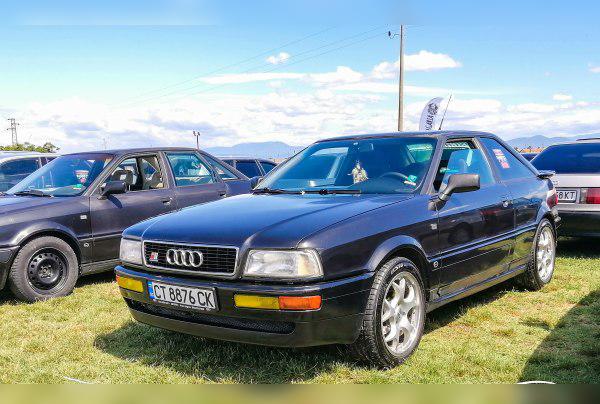
Audi 2.0 E 16V ACE engine: Experiences, problems, fuel consumption and tips for buying used
Key points (TL;DR)
- Older, robust mechanics: The engine block and head are extremely durable and rarely suffer catastrophic mechanical damage.
- Achilles' heel – Injection system: The infamous Bosch KE-Motronic “K-head” requires a specialist, is sensitive to dirty fuel and causes idle problems.
- Fuel consumption: A fairly “thirsty” engine, especially in the heavy Audi A6 body, with city consumption easily exceeding 12 l/100 km.
- LPG (autogas): Very problematic to install due to the specific injection system. Backfires are common, which destroy the intake manifold.
- Performance: The 16-valve engine likes high revs. At low revs it feels lethargic.
- Maintenance: Mechanical parts (suspension, brakes, belts) are affordable, but specific injection components can be extremely expensive and hard to find.
Contents
- Introduction: ACE engine overview
- Technical specifications
- Reliability and maintenance
- Specific parts and costs
- Fuel consumption and performance
- Additional options and modifications
- Gearbox and drivetrain
- Buying used and conclusion
Introduction: ACE engine overview
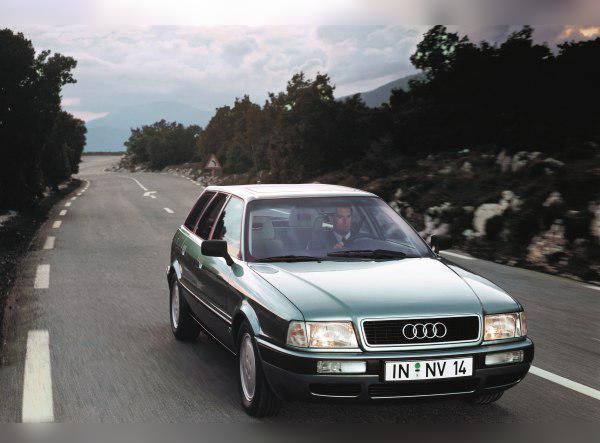
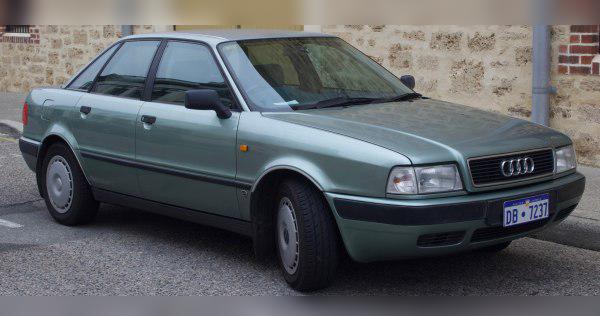
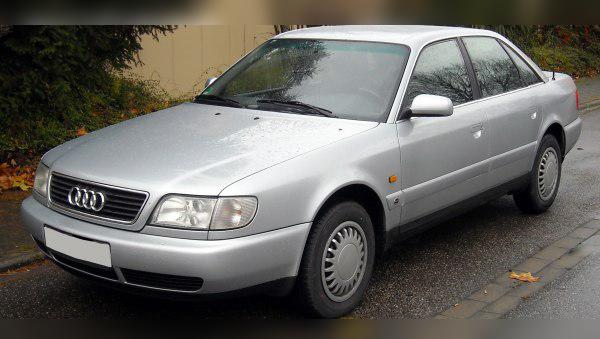
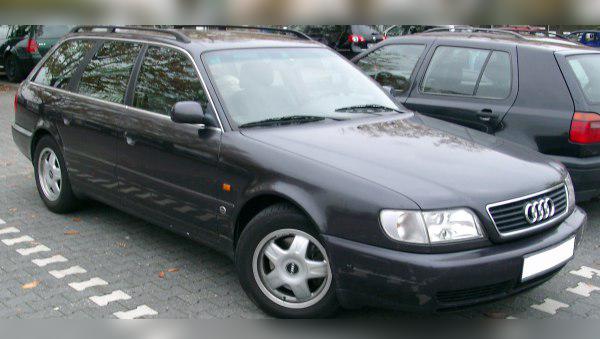
The engine with the code ACE is Audi’s well-known 2.0-liter 16-valve petrol engine, delivering a solid 103 kW (140 hp). It was primarily installed in the first half of the nineties, dominating under the hoods of the Audi 80 (B4) and the first generation Audi A6 (C4), including Avant and Coupe versions, with front-wheel drive or the legendary quattro all-wheel drive.
This is an engine from the era when engineers designed machines to last for decades, but at the same time it bridges the gap between fully mechanical and early electronic systems. Because of its specific Bosch injection, it has become a nightmare for unskilled mechanics, but in the hands of an expert it provides smooth operation and long-term reliability.
Technical specifications
| Feature | Specification |
|---|---|
| Engine displacement | 1984 cc (2.0L) |
| Engine power | 103 kW (140 hp) |
| Torque | 185 Nm at 4500 rpm |
| Engine code | ACE |
| Injection type | Bosch KE-Motronic (mechanical with electronic control) |
| Induction | Naturally aspirated engine |
Reliability and maintenance
Timing belt or chain?
This engine uses a classic timing belt to transfer power from the crankshaft to the exhaust camshaft. However, it is important to know that there is also a small chain at the rear of the cylinder head that connects the exhaust and intake camshafts. This chain is usually replaced only when it becomes audible (a characteristic rattling at idle), while the major service (replacement of timing belt, tensioner and water pump) must be done every 60,000 to 80,000 km or every 5 years. Skipping this service can lead to valve-to-piston contact, which means engine failure.
Most common failures and symptoms
The block’s mechanicals are virtually indestructible, but the peripherals are problematic. The biggest issue with this engine is rough idle (fluctuating revs), difficult starting when the engine is hot or cold, as well as loss of power. The most common causes are:
- Vacuum hoses: Old, cracked hoses draw in unmetered air. The engine is extremely sensitive to this.
- Idle control valve (stepper motor): It gets dirty from oil vapors. The symptom is stalling when coming to a stop or revs jumping between 500 and 1500 rpm.
- Coolant temperature sensor: Sends incorrect information to the ECU, so the engine gets too much or too little fuel on startup.
Engine oil and spark plugs
The ACE engine takes about 3.0 to 3.5 liters of oil. The factory recommendation, and also best practice for engines of this age, is 10W-40 semi-synthetic. As for oil consumption, due to worn valve stem seals and oil control rings, these engines tend to “drink” oil. Consumption of 0.3 to 0.5 liters per 1000 km is considered completely normal for such an engine at its current mileage. Oil must be changed every 10,000 km or once a year.
Since this is a sensitive petrol engine, spark plugs should be replaced every 30,000 to 40,000 km. If the plugs get weak, the injection system cannot compensate efficiently, which leads to jerking and increased fuel consumption. Only NGK or Bosch spark plugs specified in the catalog are recommended.
Specific parts and costs
Injection system – the famous “K-head”
Unlike modern engines with electronic injectors, the ACE uses the Bosch KE-Motronic system (continuous mechanical injection). Fuel passes through the fuel distributor (“K-head”) to the mechanical injectors. The injectors open under fuel pressure, not via an electrical pulse.
Over time, due to poor-quality petrol or long periods of standing, the plunger inside the K-head can seize, and the injectors lose their ability to atomize properly and start to “pee” (drip). Repairing the K-head is expensive and very difficult because there are only a handful of specialists worldwide who have the equipment and knowledge to calibrate it. New mechanical injectors are very expensive (from 50 to 100 EUR per piece, depending on the market), and ultrasonic cleaning rarely brings lasting results.
Turbo, DPF, EGR, dual-mass flywheel?
Good news for your wallet: the ACE is a naturally aspirated petrol engine. There is no turbocharger that can fail, no DPF filter, nor complex modern EGR valves and AdBlue systems.
As for the flywheel, the vast majority of these engines are paired with a solid (conventional) flywheel. A dual-mass flywheel is extremely rare and can theoretically be found only at the very end of production on some A6 (C4) models, although in practice it is almost non-existent on the 2.0 16V. Consequently, a clutch kit (pressure plate, disc, release bearing) is not expensive and ranges from 100 to 200 EUR (depending on the market).
Fuel consumption and performance
Is the engine “lazy”?
A typical characteristic of 16-valve engines is that they are “dead” at low revs. The maximum torque of 185 Nm is available only at a high 4500 rpm. In the lighter Audi 80 (B4), this engine is quite lively when pushed. However, in the Audi A6 (C4), which weighs over 1.4 tons (especially with quattro), the engine definitely feels sluggish in city driving and demands frequent gear changes and higher revs to keep up with more dynamic traffic.
Real-world fuel consumption and highway driving
Because it needs a heavier right foot and uses an old injection system, city consumption ranges between 11 and 14 l/100 km. On the highway the situation is somewhat better, but far from ideal. The gearbox is geared relatively short, so at 130 km/h the engine spins at about 3500–3800 rpm. This means more noise in the cabin and consumption of around 8 to 9 l/100 km. The ACE engine is more suited to relaxed cruising on country roads at 90 km/h, where consumption drops to a reasonable 7 l/100 km.
Additional options and modifications
LPG installation
This is the most critical point of the ACE engine. This engine is an extremely poor candidate for a basic (Venturi) LPG system. Due to the operating principle of the KE-Motronic system, when running on gas the mixture often becomes lean, which leads to detonations in the intake manifold (backfire). These detonations physically bend the air flap in the K-head’s airflow meter, after which the car will never run properly again, neither on petrol nor on gas.
The only solution is installing an expensive sequential LPG system, but for mechanical injection this is technically very complex, requires rare systems and specialists who know how to “trick” the electronics without destroying the injectors. General recommendation: Avoid running this engine on LPG if at all possible.
Chiptuning (Stage 1)
As a classic naturally aspirated engine of an older generation, the ACE has no real potential for conventional electronic chiptuning. Any “Stage 1” will at best bring a negligible 5 to 8 hp, which is a waste of money. If you want more power from an Audi 80 or A6, look for models with the 2.6 or 2.8 V6 engines.
Gearbox and drivetrain
Types of gearboxes and reliability
The ACE was paired with two options: a 5-speed manual gearbox and a 4-speed automatic gearbox (097 or 01N series).
- Manual gearbox: Virtually indestructible. If gears engage smoothly and you don’t hear synchro grinding when shifting quickly from second to third, the gearbox is in great shape. Servicing comes down to changing the oil (75W-90) every 100,000 km or as a preventive measure. Oil leaks at the driveshaft seals are the most common (and cheap) cosmetic issue.
- Automatic gearbox: These old 4-speed automatics are slow and further “strangle” this engine, increasing fuel consumption by 1.5 to 2 liters. The most common issues include harsh shifting or jerking due to dirty oil and a clogged valve body. The oil and filter in the automatic gearbox must be changed strictly every 60,000 km. Repairing the automatic gearbox is very expensive and usually exceeds the value of the car itself.
Buying used and conclusion
What to check before buying?
Considering that these cars (Audi 80 B4 and A6 C4) have long since entered the “youngtimer” category, the bodywork with Audi’s famous galvanized shell is often in better condition than the engine’s mechanicals. When inspecting an ACE engine:
- Insist on a cold start: The engine must start immediately (“half a turn of the key”). If it cranks for a long time, drops in revs and shakes until it warms up, the K-head or sensors are problematic.
- Watch the idle: If the tachometer needle fluctuates and jumps at idle when the car is hot, be prepared to spend money on diagnosing unmetered air and the idle control valve.
- Test acceleration: The car should pull evenly across the entire rev range, without jerking or “swallowing lumps”.
- Check the exhaust smoke: Bluish smoke at high revs indicates worn piston rings or valve stem seals.
Final verdict
The Audi 2.0 E 16V ACE is an engine intended exclusively for car enthusiasts and connoisseurs of the old Audi school. If you just want simple transport from point A to point B with cheap LPG running costs, this engine is not for you (for that purpose the simpler and weaker 2.0 with 90 hp or 115 hp, codes ABT/ABK, is a better choice). However, if you enjoy the solid build quality of the Audi 80 or A6, and you have the will and patience to keep the KE-Motronic system running on clean petrol, the ACE will reward you with exceptional reliability and a beautiful naturally aspirated sound that really comes alive only above 4000 rpm.