Audi and VW 2.5 TDI V6 (AFB, AKN): Experiences, problems, fuel consumption and used car buying guide
- Notorious reputation: Early 2.5 V6 TDI engines (AFB, AKN) are known for serious issues with camshaft wear and rocker arms falling out.
- Expensive maintenance: Timing belt replacement is extremely complex (“front‑end removal”) and costly.
- Achilles’ heel – VP44: The Bosch VP44 rotary high‑pressure pump is one of the most common and most expensive failures.
- Excellent for highway use: Thanks to the V6 configuration and decent torque, the engine is very comfortable for high‑speed cruising.
- Fuel consumption: In city driving it is a heavy drinker compared to modern diesels, especially when paired with an automatic gearbox and all‑wheel drive.
- Conclusion: Buying this engine today is a high‑risk move unless you have complete service history and are prepared for high running costs.
Contents
- Introduction: The era of the first V6 TDI engine
- Technical specifications
- Reliability and maintenance: What goes wrong?
- Specific parts and costs
- Real‑world fuel consumption and performance
- Additional options and modifications (Tuning)
- Gearbox: Manual or Tiptronic?
- Buying used and final verdict
Introduction: The era of the first V6 TDI engine
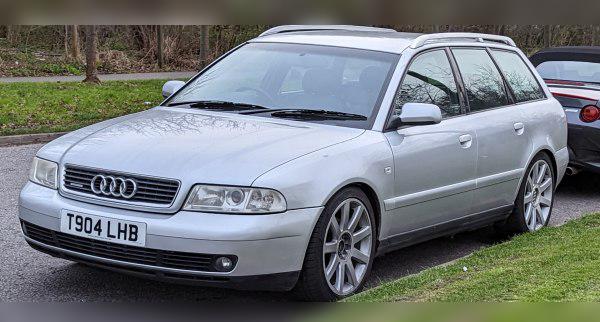
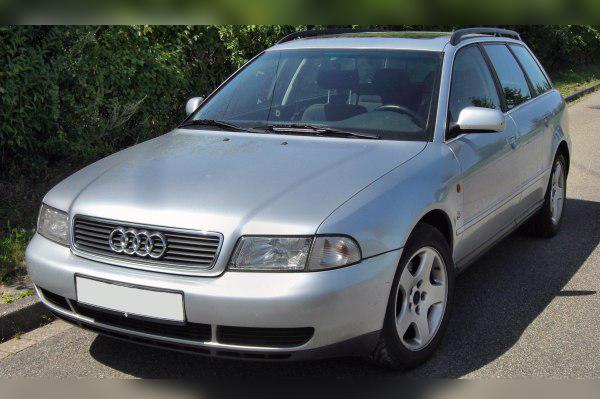
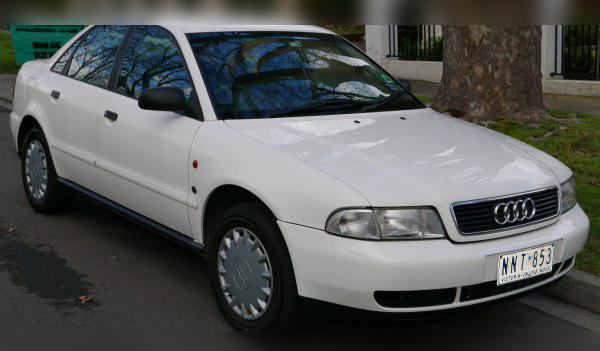
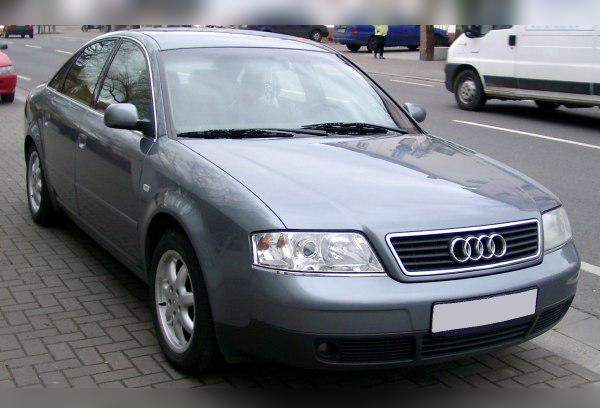
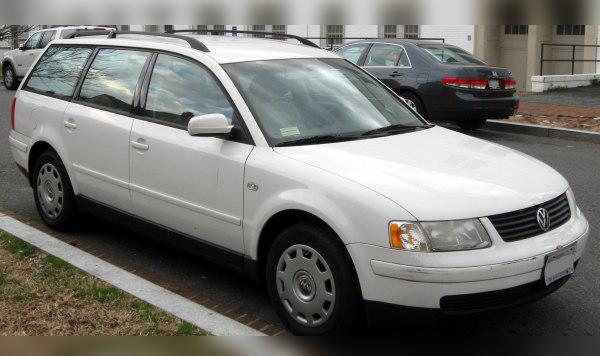
When it appeared in the late nineties, the 2.5 TDI V6 with engine codes AFB and AKN represented the pinnacle of diesel engine offerings within the Volkswagen Group. Installed mainly in more luxurious saloons and estates such as the Audi A4 (B5), Audi A6 (C5) and Volkswagen Passat (B5), this engine offered impressive torque and the refinement typical of V6 units. However, time and real‑world use have shown that this pioneering V6 diesel is one of the most problematic engines of that era. Although it delivers excellent performance on the motorway, its design flaws demand deep pockets and a top‑notch mechanic.
Technical specifications
| Specification | Data |
|---|---|
| Engine codes | AFB, AKN |
| Engine displacement | 2496 cc |
| Power output | 110 kW (150 hp) |
| Torque | 310 Nm |
| Fuel type | Diesel |
| Injection type | Direct injection, Bosch VP44 rotary pump |
| Aspiration / Charging | Turbocharger (VNT), intercooler |
Reliability and maintenance: What goes wrong?
Timing drive: Belt or chain?
This engine uses a timing belt, more precisely a system of several belts, rollers and tensioners that drive the camshafts and the high‑pressure pump. A full timing service on this engine is a nightmare for amateurs, as it requires putting the front end of the car into the so‑called “service position” (removing the bumper, headlights and radiator). Because of the complexity, the cost of a full timing service is very high (varies by market).
The major service is factory‑recommended at 120,000 km, but many experienced mechanics advise shortening this interval to 90,000 km to prevent belt failure, which leads to catastrophic engine damage (valves hitting the pistons).
Most common failures and symptoms
The main weak point of the AFB and AKN engines are the camshafts and rocker arms. Due to poor design of the lubrication system in the cylinder heads (oil passages are too narrow and easily clog) and inadequate camshaft material, they wear out prematurely. Symptoms include rougher engine operation, loud “tapping” from the top of the engine (a sound similar to a sewing machine), loss of power, and in extreme cases rocker arms can jump out of their seats. Replacing all four camshafts, rocker arms and hydraulic lifters is extremely expensive.
Oil: Capacity and consumption
The engine holds approximately 5.3 to 5.5 litres of oil. The most important thing with this engine is strict adherence to the correct oil grade: fully synthetic 5W‑40 (with VW 505.00 specification) is usually used, as it ensures faster lubrication of the camshafts during cold starts. Using thicker oils in winter significantly accelerates camshaft failure.
It is normal for an engine of this age to consume some oil. A loss of 0.5 to 1 litre per 10,000 km is considered acceptable and is often the result of slight leakage past the turbo, or evaporation through worn valve stem seals and piston rings. Anything above that requires diagnosis.
Specific parts and costs
Dual‑mass flywheel
Yes, all versions with a manual gearbox have a dual‑mass flywheel. Its role is to dampen the significant vibrations of the V6 diesel. Failure symptoms include strong vibrations at idle, thumps when starting and stopping the engine, and juddering when pulling away. Replacing the clutch kit together with the dual‑mass flywheel is expensive (varies by market).
Fuel system: The infamous VP44 pump and injectors
This engine does not use a common‑rail or unit‑injector (“Pumpe‑Düse”) system, but a Bosch VP44 rotary high‑pressure pump. This pump is a source of constant stress for every owner. Most often the electronics fail (the PSG5 control module on the pump itself overheats), but the mechanical internals also suffer due to poor‑quality fuel. Symptoms: the car refuses to start, stalls while driving, or jerks under acceleration.
As for the injectors, they are relatively durable compared to the pump. A specific feature is the so‑called “smart injector” (injector with needle lift sensor) on the third cylinder. Its task is to send the ECU information about the start of injection. If it fails, the engine goes into safe mode and loses power, and repairing this single injector is noticeably more expensive than the other five.
Turbocharger (Turbo)
The engine is equipped with a single variable‑geometry turbocharger (VNT). Its service life is generally over 200,000 km, depending on driving style and oil quality. Problems most often arise when the variable‑geometry vanes get stuck due to soot build‑up (caused by constant low‑rpm city driving). Then the turbo overboosts and the engine goes into limp mode under acceleration at around 2500–3000 rpm. Repairs range from relatively cheap cleaning to a full turbo rebuild.
Emissions: EGR, DPF and AdBlue
Since this is an older‑generation engine, this model does NOT have a DPF filter or AdBlue system, which is one less thing to worry about. However, it does have an EGR valve, which is directly responsible for choking the engine with soot. When it clogs up, you get black smoke from the exhaust and a lack of power at low revs. Regular cleaning of the intake manifold and EGR valve is highly recommended.
Real‑world fuel consumption and performance
Fuel consumption
If you expect the fuel economy of a modern 2.0 TDI, you will be disappointed. Because of its 6 cylinders, large displacement and the heavy bodies it was installed in:
- City driving: Real‑world consumption ranges from 9.5 to 12 l/100 km. If you have a Tiptronic gearbox and Quattro drive, city figures easily go above 13 l/100 km.
- Open road: It uses a more reasonable 6 to 7.5 l/100 km.
Performance: Is it “lazy”?
Although 110 kW (150 hp) and 310 Nm look decent on paper, in practice the engine can feel lazy at low revs before the turbo spools up, especially in a heavy Audi A6 and even more so with an automatic gearbox. The turbo has a noticeable “turbo lag”. However, once it gets above 2000 rpm, it pulls very smoothly and linearly.
On the motorway: This is its natural habitat. It cruises at 130 km/h quietly and without strain. With the 6‑speed manual gearbox, at 130 km/h the engine runs at a very comfortable around 2300 to 2400 rpm, which reduces cabin noise and fuel consumption.
Additional options and modifications (Tuning)
Remapping (Stage 1 chip tuning) of this engine is common. It is possible to safely increase power from 150 hp to around 175 to 180 hp, and torque to about 370 Nm. The gain is very noticeable, as the engine becomes significantly livelier at lower revs.
However, there is a big “BUT”: Increasing power drastically shortens the remaining life of an already tired dual‑mass flywheel (on manuals) and puts a huge load on the VP44 pump. If the car has high mileage and hasn’t been refreshed, remapping is the quickest way to a failed gearbox or high‑pressure pump.
Gearbox: Manual or Tiptronic?
Types of gearboxes
This engine was paired with manual gearboxes (5‑ and 6‑speed) and automatic 5‑speed Tiptronic gearboxes (made by ZF).
Most common gearbox failures
- Manual: They are extremely reliable. The only real issues are worn clutches and dual‑mass flywheels. According to experienced mechanics, the oil in the manual gearbox (around 2.5 l) should be changed every 100,000 km to preserve the synchros, even though the factory sometimes calls it “lifetime” oil.
- Automatic (Tiptronic ZF 5HP19): These gearboxes are comfortable but sensitive. The most common failures are the torque converter (wandler) and the valve body (hydraulic control unit). Symptoms include jerking during gear changes, “slipping” (revs rise but the car doesn’t accelerate) or faults when shifting from D to R. Repairing an automatic gearbox is very expensive (varies by market).
Tiptronic maintenance
Unlike the manual, where oil changes are often neglected, with the Tiptronic regular servicing is absolutely essential. The gearbox oil and filter MUST be changed every 60,000 km. If this hasn’t been done on a used car, extreme caution is advised.
Buying used and final verdict
What you must check before buying
- Engine sound (listen carefully): Open the bonnet and listen to the top of the engine both at idle and with gentle throttle blips. Any knocking, ticking or “sewing” noise means the camshafts and hydraulic lifters are worn.
- Cold start: The car should start “on half a turn” when cold. If it cranks for a long time, gulps fuel before it fires up and produces a cloud of white or grey smoke, the problem may be in the fuel supply (air in the system) or the VP44 pump is on its last legs.
- Hot start: Switch it off once it reaches operating temperature (90 °C) and try to start it again. Difficult hot starting is also a sign of a worn VP44 pump.
- Diagnostic scan (VCDS): Always check injector correction values and the operation of the sensor injector, as well as requested vs. actual boost pressure while driving.
Final verdict: Who is it for?
The 2.5 TDI V6 (AFB, AKN) is not an engine for buyers on a tight budget or for those looking for cheap city commuting. Its issues with camshafts and the VP44 pump have marked it as one of the most problematic engines in VW/Audi Group history.
It is intended exclusively for true fans of the V6 diesel sound and for people who cover high mileages on open roads every day – but only on the condition that they find an example in which the known weaknesses have already been addressed and revised camshafts have been installed. In all other cases, a far safer purchase in these generations of cars (A4 B5, A6 C5, Passat B5) will be the legendary and indestructible 1.9 TDI.