2.0 20V ALT Engine (130 hp): Experiences, Problems, Fuel Consumption and Used-Car Buying Tips
- Reliable naturally aspirated base without a turbo, but extremely prone to oil consumption (factory flaw).
- Excellent candidate for LPG installation thanks to simple MPI fuel injection.
- Avoid the Multitronic automatic transmission due to high costs and frequent failures.
- Maintenance is generally affordable compared to more modern TFSI/FSI engines.
- A bit "lazy" for heavier chassis like the Audi A6 and VW Passat, and it consumes a lot of fuel in city driving.
- It has a combined timing system – a timing belt at the front and a small camshaft chain at the rear.
Contents
- Engine overview
- Technical specifications
- Reliability and maintenance
- Specific parts and costs
- Fuel consumption and performance
- Additional options and modifications
- Gearbox and drivetrain
- Buying used and conclusion
Engine overview
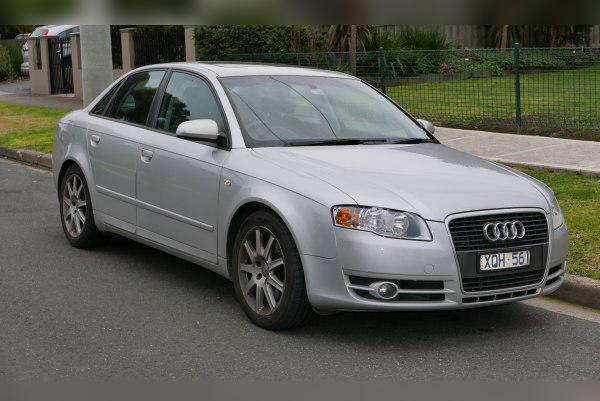
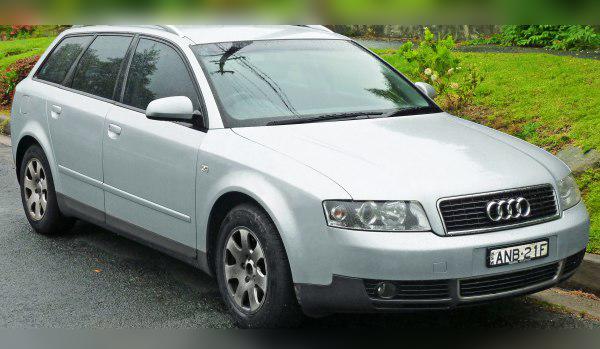
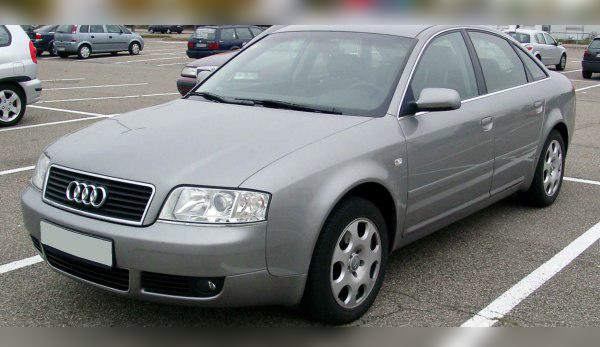
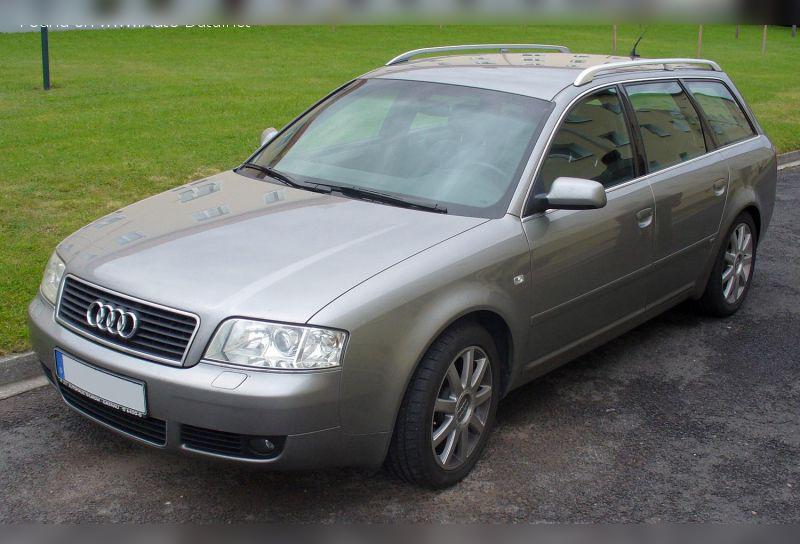
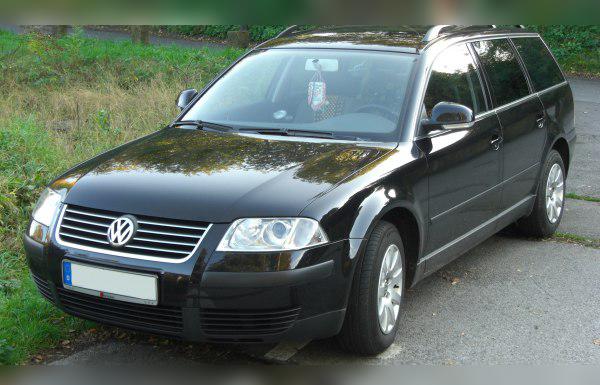
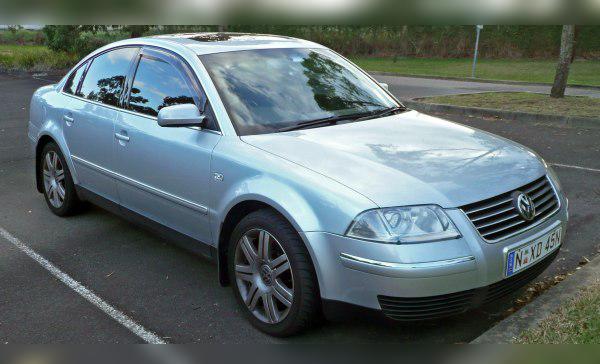
When people talk about robust naturally aspirated petrol engines from the early 2000s, the 2.0 20V engine with the ALT code holds a special place. This unit was installed in popular mid-upper and upper mid-range sedans and wagons such as the Audi A4 (B6 and B7), Audi A6 (C5) and VW Passat (B5.5). As an improvement over older 8-valve engines, this model offers 20 valves (five per cylinder) to improve the engine’s “breathing”, while still keeping relatively simple, non‑turbocharged technology.
The engine is important on the used-car market across Europe because it represents a “golden middle ground” for those who want more power than the basic 1.6 petrol, but are afraid of potential turbocharger failures that come with the legendary 1.8T. However, the ALT brings its own set of specific issues that are widely discussed on mechanic forums.
Technical specifications
| Feature | Data |
|---|---|
| Displacement | 1984 cc |
| Power | 96 kW (130 hp) |
| Torque | 195 Nm |
| Engine code | ALT |
| Injection type | MPI (Multi-Point Injection) |
| Aspiration | Naturally aspirated |
Reliability and maintenance
Belt and chain: Dual timing system
One of the most common questions drivers ask is: “Does this engine have a belt or a chain?” The answer is – both. The main timing mechanism, which drives the exhaust camshaft from the crankshaft, uses a classic timing belt. The recommended interval for a major service (replacement of the timing belt, tensioner, rollers and water pump) is 90,000 to a maximum of 120,000 km. However, at the rear of the engine there is a short chain with its own hydraulic tensioner, which connects the intake and exhaust camshafts. Over time this chain and tensioner wear out, resulting in a characteristic diesel‑like “rattle” during a cold start.
Oil and extreme consumption
The oil sump capacity is about 4.2 litres of engine oil, and the recommended grade is 5W-40, with mandatory compliance with VAG group specifications. This brings us to the biggest weakness of the ALT engine: oil consumption is brutal. Unlike occasional top‑ups that are considered normal, the ALT engine, due to the design of its oil control rings and crankcase ventilation system (PCV), can swallow from 0.5 up to 1 litre of oil per 1,000 km. Although many mechanics advise switching to thicker oil, that rarely solves the cause – the problem is mechanical in nature. The rings lose tension and the valve stem seals harden. A full overhaul (ring replacement, head machining) permanently solves the problem, but this is a job that can be very expensive (depending on the market).
Spark plugs and other failures
As for ignition, on this petrol engine the spark plugs are typically replaced every 60,000 kilometres. The most common failures outside the lubrication system concern the ignition coils. They are prone to overheating and failure, causing the engine to misfire and lose power, with the “Check Engine” light blinking on the instrument cluster. In addition, there are known issues with various vacuum hoses, the PCV valve and the camshaft position sensor.
Specific parts and costs
Fuel injection system and exhaust
The good side of the ALT engine lies in its old‑school injection system. It uses indirect (MPI) fuel injection. The injectors are not particularly sensitive to poorer fuel quality, are very durable and rarely need replacement. Maintenance of the system comes down to occasional throttle body cleaning. As this is a petrol engine from that era, it does not have a DPF filter or an AdBlue system that plague modern diesels. There is an EGR valve, but it clogs far less often compared to TDI engines. There is no turbocharger, which means one major financial risk less when buying.
Dual-mass flywheel
If the engine is paired with a manual gearbox, it has a dual-mass flywheel. Unlike diesels with high torque, the shocks to the flywheel on a naturally aspirated petrol are milder, so it lasts significantly longer here. Signs of wear are knocking when switching the engine off and vibrations with the clutch half‑pressed. The clutch kit with dual‑mass flywheel for this model is considered a fairly expensive item (depending on the market), so you should be careful during inspection.
Fuel consumption and performance
In the city and on the open road
With only 195 Nm of torque available high up at 3,300 rpm, this engine really struggles with the weight of models such as the Audi A6 or VW Passat. In stop‑and‑go city driving the car feels quite “lazy”. You have to rev it higher to get brisk acceleration, which directly hits your wallet: real‑world city consumption easily reaches 11 to even 13 l/100 km, especially in winter.
On the motorway it behaves decently, being very smooth and quiet. However, due to the five‑speed manual gearbox, at a cruising speed of 130 km/h the engine spins at a relatively high 3,500 to 3,800 rpm. Because of this you notice a slight noise in the cabin, and highway consumption stays around 7.5–8.5 l/100 km.
Additional options and modifications
LPG conversion
This is also the biggest saving grace of the ALT engine. Thanks to the classic MPI system, this unit is absolutely perfect for a sequential LPG system. Installation is not complicated at all and its price is not high (depending on the market). The engine handles LPG very well and performance losses are minimal, which compensates for the high petrol consumption.
Chip tuning (Stage 1)
If you think that remapping will turn this engine into a beast, forget it right away. Since this is a naturally aspirated petrol engine without a turbo, the so‑called “Stage 1” chip tune is a waste of money. You will gain barely 5 to 8 hp and a negligible increase in torque, which you will not really feel in everyday driving.
Gearbox and drivetrain
The 2.0 ALT is most commonly found paired with a five‑speed manual gearbox or with the infamous Multitronic (CVT) automatic transmission (primarily in Audi models).
Manual vs automatic
The manual gearbox is extremely durable, precise and reliable. Servicing (gearbox oil change) is recommended at around 100,000 km, although many owners never change it and the car keeps running for years.
On the other hand, Multitronic is by far the worst option you can choose. It is an early‑generation CVT (continuously variable transmission). It has a specific chain inside the gearbox that stretches and wears the clutch packs. Also, the control unit (TCM) is bathed in the hot transmission oil and often fails due to overheating. If the car “jerks” when taking off or the rev counter jumps up and down during steady acceleration, walk away immediately. Repairing a Multitronic is very expensive, to the point that it can sometimes exceed the value of the entire vehicle (depending on the market). If you still decide to go for it, regular servicing (replacement of the special CVT fluid) is strictly required every 60,000 km.
Buying used and conclusion
What to look out for when buying?
Before you sign the contract, be sure to check the following:
- Bluish exhaust smoke: Warm up the engine, let it idle for a few minutes, then give it a strong rev. If it throws out a cloud of blue smoke, the engine is burning huge amounts of oil.
- Rattling from the engine bay: In the morning (when the engine is completely cold), listen to the rear of the cylinder head. If you hear a tinny “clatter” for a few seconds, the small chain tensioner is on its last legs.
- Oil filler cap: Unscrew it on a warm engine. If there is a thick layer of white sludge (“mayonnaise”), the car may be mixing coolant and oil, or it is driven exclusively on very short trips so moisture condenses inside.
Who is this car for?
The 2.0 20V (ALT) engine is definitely not a racer. Its design requires the owner to regularly check the oil level on the dipstick and always keep a spare litre of oil in the boot. However, it is a great choice for family‑oriented people who want a spacious and comfortable car without complex diesel‑related issues (turbochargers, DPF, injectors costing 1,000 euros). Provided you buy it with a manual gearbox and install LPG straight away, it will be a very long‑lasting companion that offers decent refinement for very reasonable money.