Audi 3.0 TDI V6 (ASB engine) 233 HP: Experiences, problems, fuel consumption and used car buying tips
Most important in short (TL;DR):
- The engine uses a timing chain, but the chain tensioners are a weak point. Replacement is very expensive (Depends on the market) because the engine has to be removed.
- Intake manifold swirl flaps often cause problems due to soot build-up, which triggers the "Check Engine" light.
- Piezo injectors can become problematic at higher mileage; symptoms are white smoke at idle and rough running.
- It is very powerful (233 HP / 450 Nm) and offers an excellent compromise between performance and fuel consumption on the open road.
- The DPF filter and EGR valve are present and sensitive to exclusively city driving.
- Excellent base for remapping (Stage 1), easily reaches around 280 HP.
- Requires regular Tiptronic gearbox maintenance and the use of high-quality synthetic oil only.
Contents
- Introduction: About the ASB 3.0 TDI engine
- Technical specifications
- Reliability and maintenance
- Specific parts and systems
- Fuel consumption and performance
- Additional options and modifications
- Gearbox and drivetrain
- Buying used and conclusion
Introduction: About the ASB 3.0 TDI engine
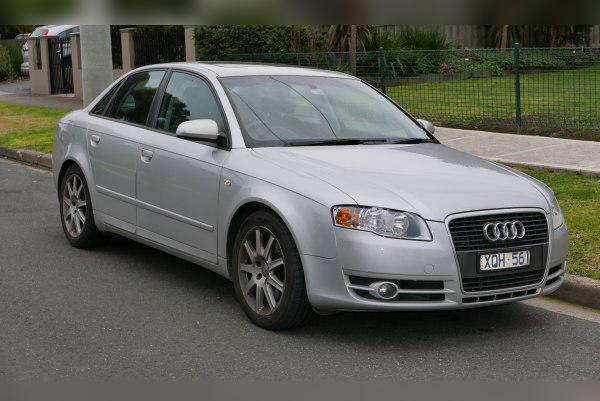
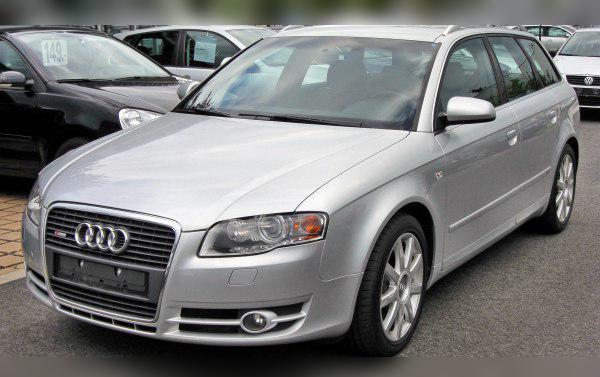
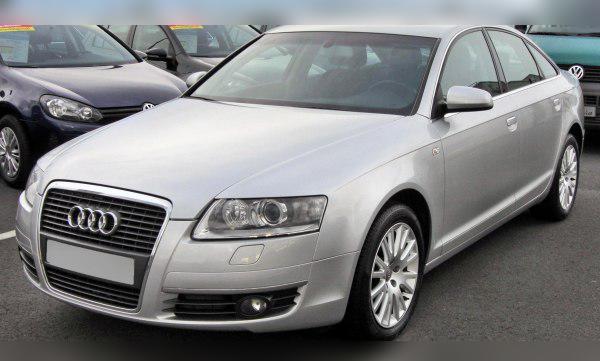
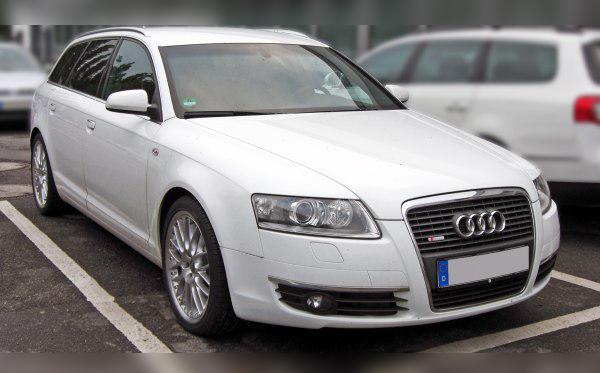
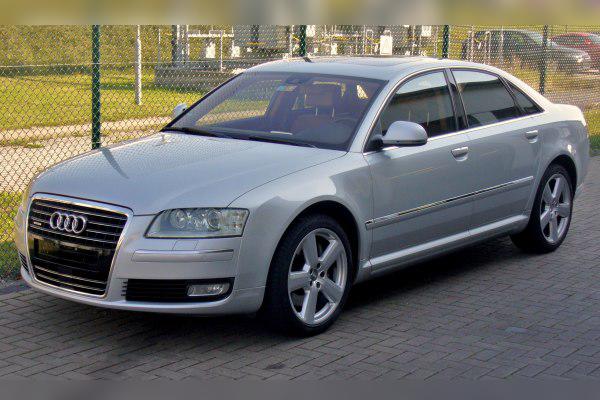
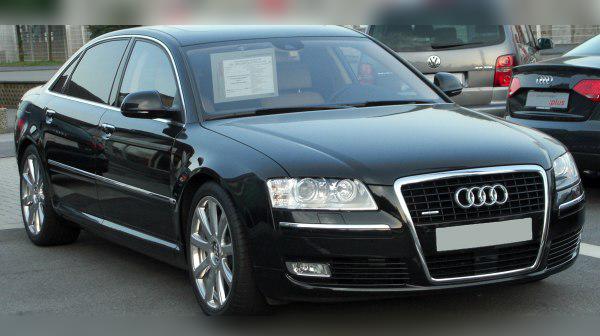
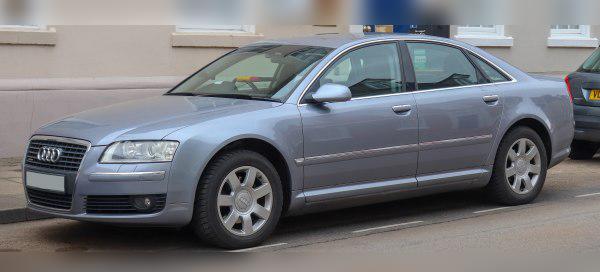
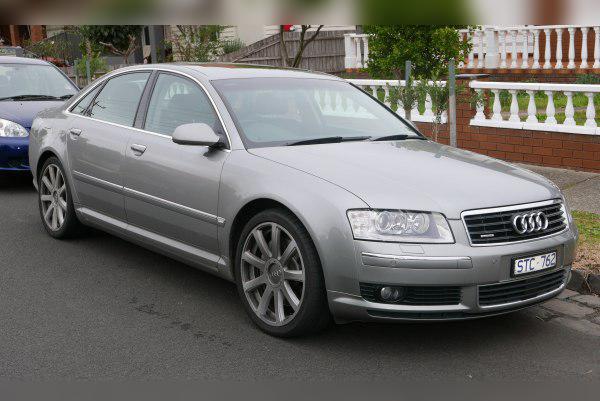
When a robust and powerful diesel V6 is mentioned, the ASB code is one of those every experienced mechanic has come across countless times. It is Audi’s 3.0 TDI engine that delivers 171 kW (233 HP) and a massive 450 Nm of torque. This engine was the backbone of the premium segment in the mid‑2000s and was installed in heavy hitters and cruisers such as the Audi A4 (B7), A6 (C6), A6 Allroad, all the way up to the luxurious Audi A8 (D3).
Its task was clear: to offer drivers V8 petrol power with diesel economy, in a package that can easily cope with quattro all‑wheel drive. Although technically very advanced for its time, years of use have revealed its strong sides, but also the “childhood diseases” that can hit owners in the wallet if they are not careful about what they buy.
Technical specifications
| Characteristic | Data |
|---|---|
| Engine code | ASB |
| Displacement | 2967 cc (3.0 litres) |
| Power | 171 kW (233 HP) |
| Torque | 450 Nm |
| Fuel type | Diesel |
| Injection system | Common Rail (Piezo injectors) |
| Charging type | Turbocharger with variable geometry, intercooler |
| Camshaft drive | Chain (complex system at the rear of the engine) |
Reliability and maintenance
Timing system: timing belt or chain?
The ASB engine does not have a conventional timing belt; instead it uses a system of four chains located at the rear of the engine (towards the gearbox). Although the manufacturer’s idea was that the chains should last as long as the engine itself, in practice this is not the case. The biggest problem is not the chains themselves, but the hydraulic tensioners and guides. Over time they weaken, lose oil pressure, and on cold start you can hear a characteristic metal‑on‑metal “rattle” lasting 2 to 4 seconds.
Many people drive with this symptom for years, but the risk of the timing jumping increases. A major timing service (replacement of the complete timing set) is usually done when constant rattling appears, typically between 200,000 km and 250,000 km. The cost is very high (Depends on the market) because the mechanical procedure requires removing the entire engine from the car or removing the complete gearbox to access the rear of the crankshaft.
Oil and basic maintenance
Due to the complexity of the timing system, hydraulic lifters and turbocharger, this V6 is extremely sensitive to lubrication quality. The system holds about 8.2 litres of oil. The required grade is 5W‑30 that meets the VW 507.00 specification (because of the DPF filter).
As for oil consumption between services (recommended every 10,000 to 15,000 km, never at “LongLife” intervals of 30,000 km), the ASB is not known as a heavy consumer compared to TFSI petrol engines. Consumption of about 0.1 to 0.2 litres per 1000 km is considered absolutely normal. If it consumes significantly more, the problem usually lies in a worn turbocharger or bad oil control rings.
Intake manifold flaps (swirl flaps)
One of the most common failures on this engine is related to the intake manifolds. They contain plastic flaps that regulate airflow. Soot from the EGR valve sticks to them, making their movement difficult, which leads to wear of the linkages and failure of the electric motor that drives them. The symptom is a check engine light, loss of power, and the solution can be replacement of the complete manifolds, which is expensive (Depends on the market), or software deactivation and physical removal, which many owners opt for.
Specific parts and systems
Injection system and piezo injectors
The ASB uses a Bosch Common Rail injection system with piezo injectors. These injectors provide fantastic performance and quiet operation, but they have a limited service life, usually around 200,000 to 250,000 km. Problems arise when the injector tips burn or crack and start “pouring” too much fuel into the cylinder.
Symptoms of failing injectors are: white smoke from the exhaust (especially at idle when the engine is hot), rough running, harder starting and an increase in oil level in the sump (diesel passes by the rings and mixes with the oil). Repair/refurbishment of piezo injectors is very expensive (Depends on the market), so checking the injectors via diagnostics (measuring corrections) is mandatory before purchase.
Turbo, DPF, EGR and AdBlue
The engine is equipped with a single variable geometry turbocharger (VGT). The turbo itself is very durable and with regular oil changes easily exceeds 300,000 km. What fails more often is its electronic actuator that controls the variable vanes. When it fails, the car loses power and goes into “Safe mode” (limp mode).
This model comes from the generation when the DPF (diesel particulate filter) became standard (together with the EGR valve). If the car is driven exclusively in the city on short trips, the DPF does not get a chance to reach operating temperature (over 600 °C) to perform regeneration, so it clogs quickly. A related problem is clogging of the EGR valve.
The good news for owners is that this engine does not use an AdBlue system, because it meets Euro 4 (in some iterations early Euro 5) standards without the need for urea injection, saving you serious headaches with AdBlue pumps and heaters.
Fuel consumption and performance
Considering that the engine pulls over 1.8 tonnes in the A6, and close to 2 tonnes in the A8, you cannot expect the fuel consumption of a small city car. Real‑world consumption in heavy city traffic is between 10 and 13 l/100 km.
Is the engine “lazy”? Absolutely not. With 450 Nm of torque available already at low revs, every overtaking manoeuvre is smooth and effortless. In the lighter Audi A4 body, this engine turns the car into a serious performance machine.
The natural habitat of the 3.0 TDI ASB is the open road. On the motorway, at 130 km/h in sixth gear, the tachometer sits just above 2000 rpm. The engine then “whispers”, and fuel consumption drops to a very respectable 7 to 8 l/100 km, depending on body style and drivetrain.
Additional options and modifications
This diesel engine is extremely “grateful” for electronic power increases. A safe Stage 1 remap can raise power from the stock 233 HP to an impressive 275 to 290 HP, and torque can go up to 550 Nm.
However, specialists advise caution: before you increase the map, the engine must be in perfect condition. This means that injector corrections must be good, the DPF must not be clogged, and the chain must be in good condition. Increasing torque drastically shortens the life of the Tiptronic gearbox if you accelerate hard from a standstill.
Gearbox and drivetrain
The ASB engine was paired exclusively with strong gearboxes due to the high torque, most often in combination with the legendary quattro all‑wheel drive.
Automatic gearbox (Tiptronic)
The vast majority of these engines are paired with the 6‑speed ZF 6HP Tiptronic conventional automatic with a torque converter. It is a very robust gearbox. However, it requires regular maintenance. Audi once claimed that the oil in it is “lifetime”, which is a complete misconception. The oil (about 6–7 litres during a change) and the filter in the bottom of the gearbox sump must be replaced every 60,000 to 80,000 km.
The most common Tiptronic issues are harsh shifts when changing from lower to higher gears (especially from 2nd to 3rd or from 3rd to 4th), which is a sign of contaminated valves in the mechatronics. Also, fluctuating revs at a constant speed indicate that the torque converter is worn and needs refurbishment, which is expensive (Depends on the market). The Tiptronic does not have a conventional dual‑mass flywheel like manual gearboxes; that role of absorbing shocks is performed by the torque converter itself.
Manual gearbox
If you find a model (usually an A4 or more rarely an A6) with a 6‑speed manual gearbox, be aware that the gearbox itself is virtually indestructible and does not suffer from typical failures. However, it is connected to the engine via a dual‑mass flywheel. Since it has to handle 450 Nm of torque, the dual‑mass flywheel is massive, and replacing it together with the clutch disc and pressure plate is expensive (Depends on the market). Rattling when switching the engine off and vibrations at idle are clear symptoms that the dual‑mass flywheel is worn out.
Buying used and conclusion
Buying a used Audi with the ASB engine carries certain risks because most of these cars today have over 300,000 km on the clock (regardless of what the odometer says). Here is what you absolutely must check before buying:
- Cold start: Let the car sit overnight. The first start will clearly tell you the condition of the chain – any rattling longer than 2–3 seconds requires urgent attention.
- VCDS diagnostics: Read the injector parameters in the measuring blocks. Values deviating above +/- 1.5 to 2.0 mg/str are a clear sign that the injectors are due for refurbishment. Also check the ash content (Oil Ash) in the DPF.
- Automatic gearbox test drive: Accelerate gently, then hard. The gearbox must not jerk, shudder or hesitate excessively when shifting up or down.
Conclusion: Who is this engine for?
The Audi 3.0 TDI ASB with 233 HP is not a car for school runs or driving from one traffic light to the next. Its maintenance, registration costs (due to the displacement close to 3.0 litres), oil quantity and massive components require a deeper pocket and an owner prepared for potentially expensive interventions (chain, injectors).
However, if you regularly travel on open roads, often use motorways and value safe overtaking at any moment, this V6 TDI with quattro drive will provide comfort, safety and a smile on your face that few four‑cylinder engines can offer. With quality maintenance by a trusted mechanic, it is still one of the best powerplants of its era.