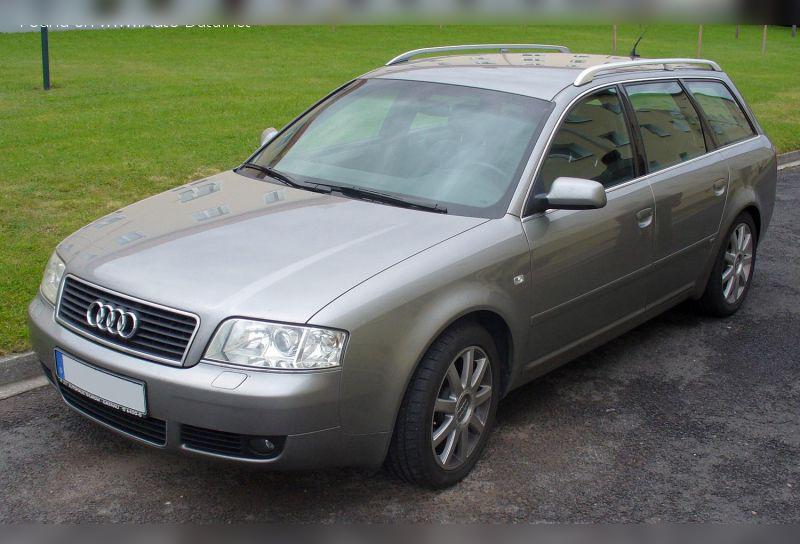
Audi 2.4 V6 30V (BDV): Experiences, issues, fuel consumption and used car buying tips
- Great sound and smooth operation: The 30-valve V6 configuration offers an exceptionally refined drive, ideal for long journeys.
- Fuel consumption is its Achilles' heel: Expect high fuel consumption in the city, often over 14 l/100 km.
- Ideal for LPG (autogas): Thanks to MPI injection, LPG installation is straightforward and drastically reduces running costs.
- Problematic oil leaks: Valve cover gaskets and oil seals are a frequent weak point.
- Be careful with the Multitronic gearbox: If you’re buying a front-wheel-drive automatic, be prepared for potentially huge repair costs.
- Chiptuning is a waste of money: Since this is a naturally aspirated engine, power gains are negligible.
Contents
- Introduction: Old-school V6 engineering
- Technical specifications
- Reliability, maintenance and common failures
- Specific parts and fuel injection
- Fuel consumption, performance and LPG
- Transmissions: Manual, Tiptronic and the infamous Multitronic
- Buying used and conclusion
Introduction: Old-school V6 engineering
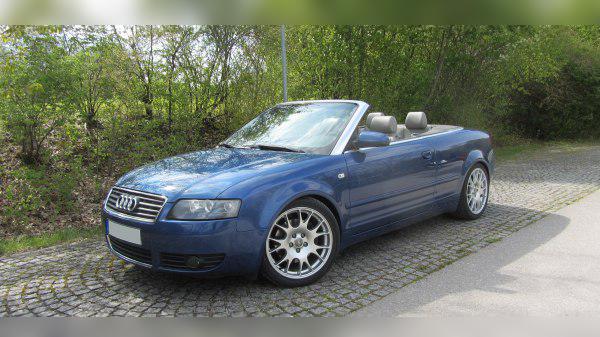
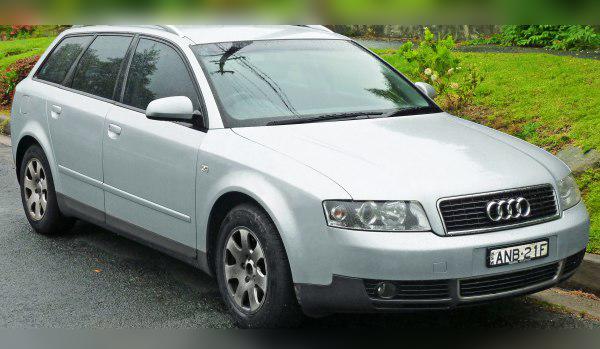
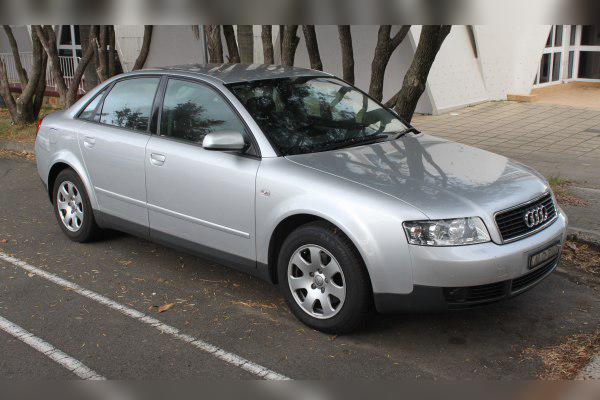
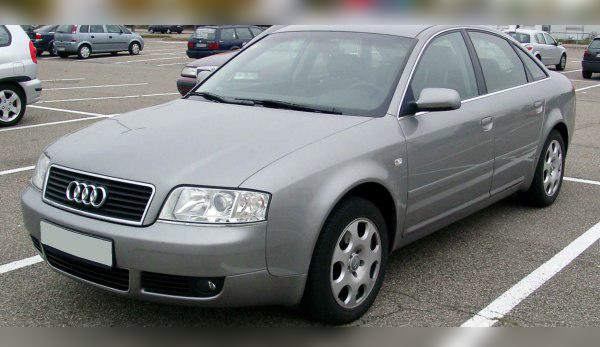
The engine with the code BDV is a classic example of Audi engineering from the late nineties and early 2000s. It is a 2.4-liter V6 petrol engine with 30 valves (5 valves per cylinder), delivering 125 kW (170 hp). This unit was mainly installed in the Audi A4 (B6) and the facelift versions of the Audi A6 (C5). It wasn’t designed to be a street racer, but a reliable and extremely comfortable cruiser. Thanks to its smoothness, it’s popular among drivers who value cabin quietness and linear acceleration, but its maintenance requires understanding of the specific weaknesses that come with the V6 architecture.
Technical specifications
| Parameter | Data |
|---|---|
| Engine displacement | 2393 cc |
| Power | 125 kW (170 hp) |
| Torque | 230 Nm |
| Engine code | BDV |
| Injection type | Indirect injection (MPI) |
| Charging system | Naturally aspirated (no turbo) |
Reliability, maintenance and common failures
Timing system: Timing belt and hidden chains
This engine uses a combined timing system. The main drive from the crankshaft to the camshafts is via a timing belt. However, at the rear of the cylinder heads there are short chains that connect the intake and exhaust camshafts, together with hydraulic chain tensioners. These cam chain tensioners are one of the weakest points. Over time, the plastic guides wear out and the hydraulics lose pressure, resulting in metallic rattling at cold start. Replacing these tensioners is very expensive (depends on the market) because it requires removing the valve covers and freeing the camshafts.
Major service and cooling system
According to factory specifications, the major service is done every 90,000 to 120,000 km or every 5 years. It is extremely important to replace the water pump and thermostat at the same time. On this engine, the thermostat is located behind the timing belt, so any later intervention requires removing the entire front end of the car again (“front-end service position”), which drastically increases labor costs.
Oil: Capacity, grade and consumption
The BDV engine takes about 5.7 to 6.0 liters of oil. It is recommended to use fully synthetic oil of grade 5W-40 (with VW 502.00 approval) to ensure proper lubrication of the sensitive hydraulic lifters and tensioners. These engines regularly consume oil. Consumption of 0.3 to 0.5 liters per 1000 km is considered operationally normal for high-mileage V6 30V units. The cause lies in worn valve stem seals and piston rings. The engine is also notorious for external oil leaks. Valve cover gaskets and camshaft seals often fail due to high temperatures (which regularly hover around 90–100 °C in the engine bay), causing oil to drip onto the exhaust manifolds, which creates a characteristic burning smell in the cabin when you’re standing at a traffic light.
Spark plugs and ignition coils
Since this is a petrol engine, regular spark plug replacement is crucial. They are replaced every 60,000 km. The engine uses ignition coils (often integrated ignition modules or individual coils depending on the exact production year), which can fail due to age and heat, manifesting as engine misfires and loss of power (running on 5 cylinders).
Specific parts and fuel injection
Injection system and emissions
The BDV uses classic MPI (Multi-Point Injection) indirect fuel injection. The petrol injectors are extremely reliable and rarely cause problems, unlike modern FSI/TFSI systems. Occasional ultrasonic cleaning is sufficient if the car sits for long periods or is used only on short trips.
Since this is a naturally aspirated petrol engine, it has no turbocharger, no DPF filter and does not use AdBlue. It also doesn’t have the typical problematic EGR valve found on diesels, but it does have a secondary air injection system and catalytic converters. At higher mileages, the catalytic converters can clog or break up internally, which triggers the “Check Engine” light due to errors from the lambda sensors (the engine has 4 of them).
Fuel consumption, performance and LPG
Real-world fuel consumption
There should be no illusions – the 2.4 V6 is a “thirsty” engine. In city driving in heavy traffic, consumption ranges between 13 and 15 l/100 km. If paired with an automatic gearbox or Quattro all-wheel drive, that figure can go up to 16 liters. On the open road the situation is much better, with consumption dropping to around 8 to 9 l/100 km.
Performance: Is the engine “lazy”?
With 170 hp and 230 Nm of torque, the BDV delivers a different experience depending on the body style. In the lighter Audi A4, the engine offers quite decent performance. However, in the heavier Audi A6 (especially the Avant with Quattro), the engine can feel a bit lazy at low revs. Its naturally aspirated character means that peak torque is delivered only around 3200 rpm, so for serious overtaking you need to rev it higher. On the motorway it’s brilliant; at 130 km/h the engine cruises in sixth (or fifth) gear at about 3000 to 3200 rpm, with minimal noise in the cabin.
LPG conversion and chiptuning
Thanks to MPI injection, the BDV is absolutely ideal for a sequential LPG system. It handles LPG very well, doesn’t wear the valves excessively (with a good map) and the investment in installation pays off quickly, turning this V6 “gas guzzler” into an economical long-distance cruiser. The price of a quality LPG system for a six-cylinder engine is moderately high (depends on the market).
As for software power upgrades (Stage 1 chiptuning), the answer is short: It’s not worth it. Extracting more power from a naturally aspirated engine by map optimization alone yields at most 10 to 12 hp and a few Nm of torque, which is almost imperceptible in real driving. Save that money for regular maintenance.
Transmissions: Manual, Tiptronic and the infamous Multitronic
With this model, the choice of gearbox is often more important than the condition of the engine itself. The BDV was paired with three types of transmissions, depending on whether the car has front-wheel drive (FWD) or Quattro all-wheel drive.
Manual gearbox (5 or 6 speeds)
The manual gearboxes are extremely robust and rarely fail. However, it’s important to note that this model uses a dual-mass flywheel, even though it’s a petrol engine. Due to the vehicle’s weight and torque, the flywheel wears over time. When it’s worn out (symptoms: shuddering when taking off, clunks when switching the engine off), replacing the entire clutch kit and dual-mass flywheel is quite expensive (depends on the market). It is recommended to change the oil in the manual gearbox every 100,000 km as a preventive measure.
Tiptronic (5-speed, conventional automatic with Quattro)
If the car has Quattro all-wheel drive and an automatic gearbox, it is a Tiptronic (ZF 5HP19). This is a conventional automatic with a torque converter. It is very reliable if regularly maintained. The oil and filter must be changed every 60,000 km. The most common issues are oil leaks at the selector shaft seal and, at high mileages, wear of the torque converter (the car shudders at around 60–80 km/h). Rebuilding the torque converter is moderately expensive (depends on the market).
Multitronic (CVT, FWD only)
Front-wheel-drive automatic versions use the Multitronic (CVT) gearbox. This transmission is the biggest drawback of these cars. It operates on the principle of a continuously variable transmission with a chain. It is very sensitive to high torque and irregular maintenance (the oil must strictly be changed every 60,000 km). Symptoms of failure include juddering when taking off, fluctuating revs at constant speed and inability to move in reverse when the gearbox is hot. The electronic control unit (TCM) inside the gearbox also often fails. Repair or a full rebuild of the Multitronic is very expensive (depends on the market) and often exceeds the current value of the car itself.
Buying used and conclusion
What to check before buying?
- Cold start: Ask the seller not to start the car before you arrive. When it cranks, carefully listen to the rear of the engine near the firewall. Chain rattling that lasts longer than 2–3 seconds indicates that the cam chain tensioners are due for replacement.
- Engine bay inspection: Look for signs that the engine has been “washed”. If it’s freshly cleaned, the owner is likely hiding major oil leaks under the valve covers. Check the condition of the rubber vacuum hoses; due to the heat of the V6, they become brittle and crack, which causes rough idle.
- Exhaust gases: After the engine warms up, let it idle for a few minutes, then suddenly blip the throttle. If it emits blue smoke, the valve stem seals are worn, which means high oil consumption and inevitable cylinder head work.
- Automatic gearbox test: If you’re buying a Multitronic (front-wheel drive), be sure to test starting off on an incline, both forwards and in reverse. There must be no juddering or jerking.
Final verdict
The 2.4 V6 30V (BDV) engine is aimed at a specific audience. It won’t appeal to someone looking for low registration costs and cheap city driving. This engine requires a driver who appreciates linear power delivery, robust mechanics (excluding the known oil leaks) and the refined sound of a V6. If you find a car with a manual gearbox or Tiptronic (Quattro) with a properly installed LPG system, you’ll get an extremely comfortable and affordable sedan (or estate) for long journeys. On the other hand, avoid FWD models with the Multitronic gearbox at all costs, so that a cheap used car doesn’t turn into a financial nightmare.